How to Book
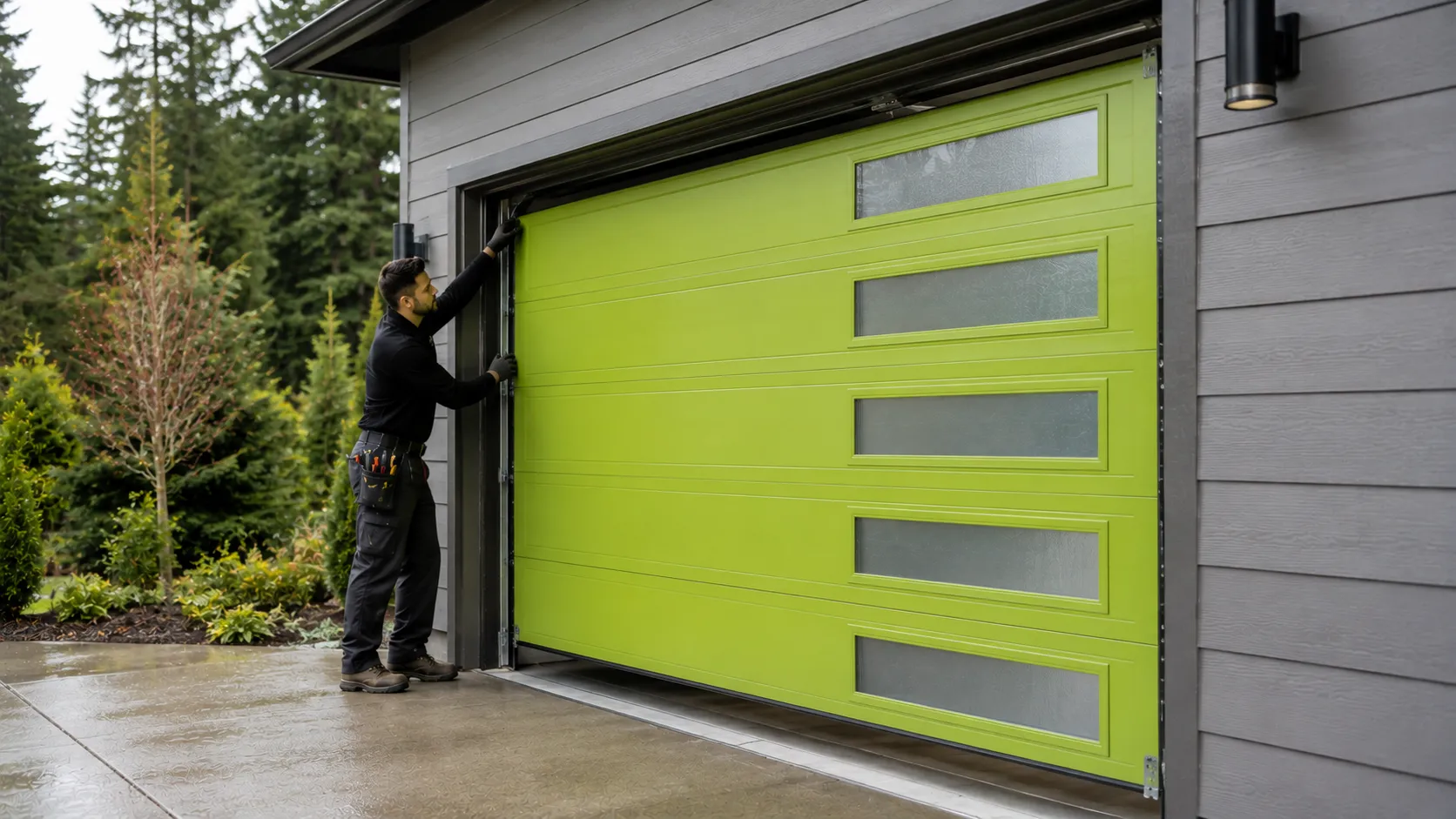
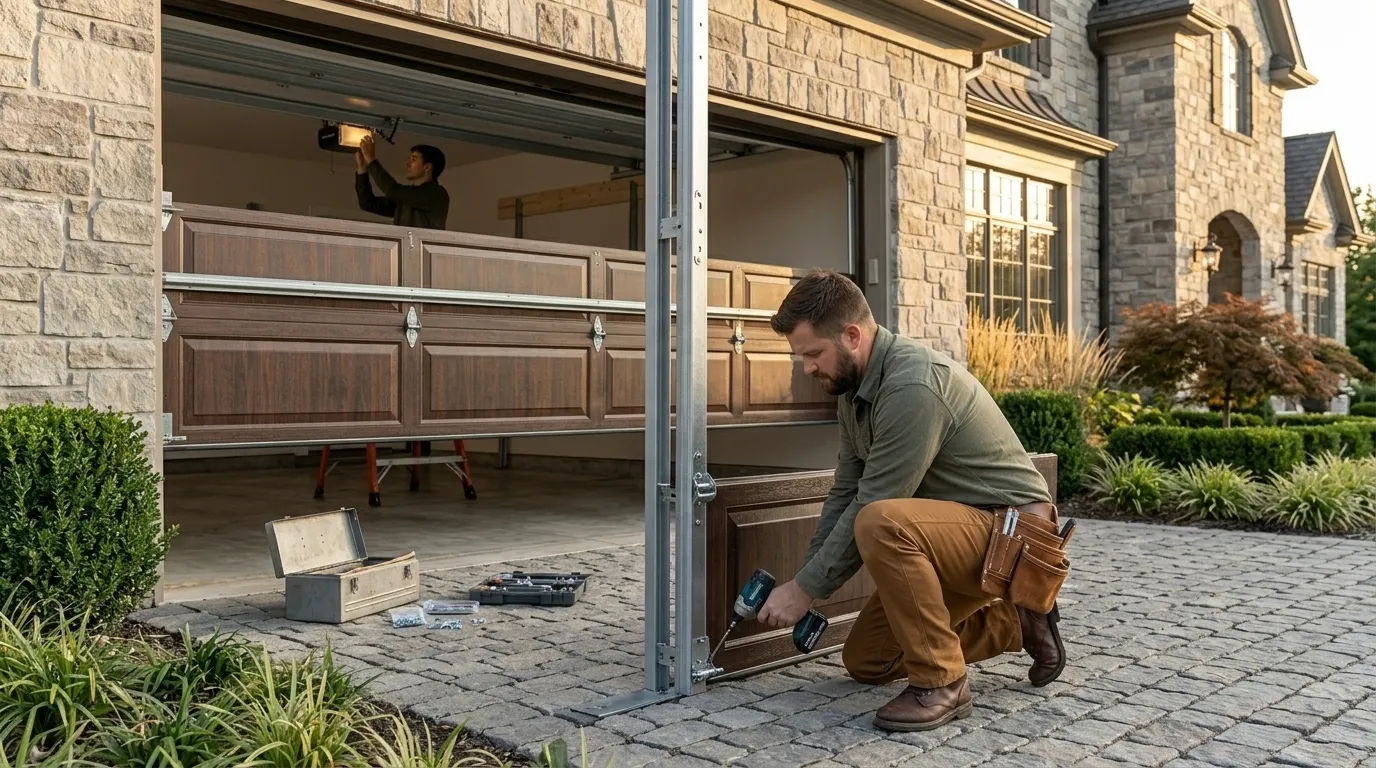
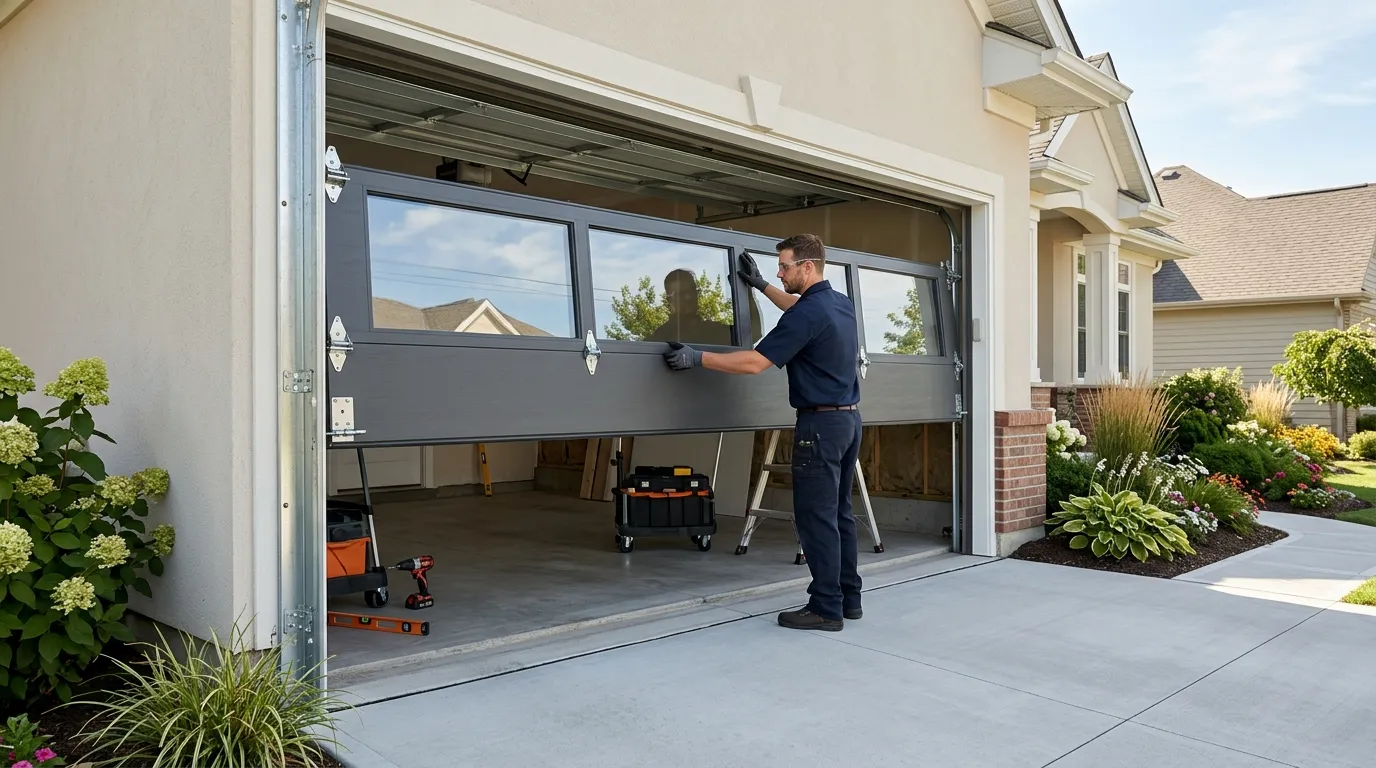
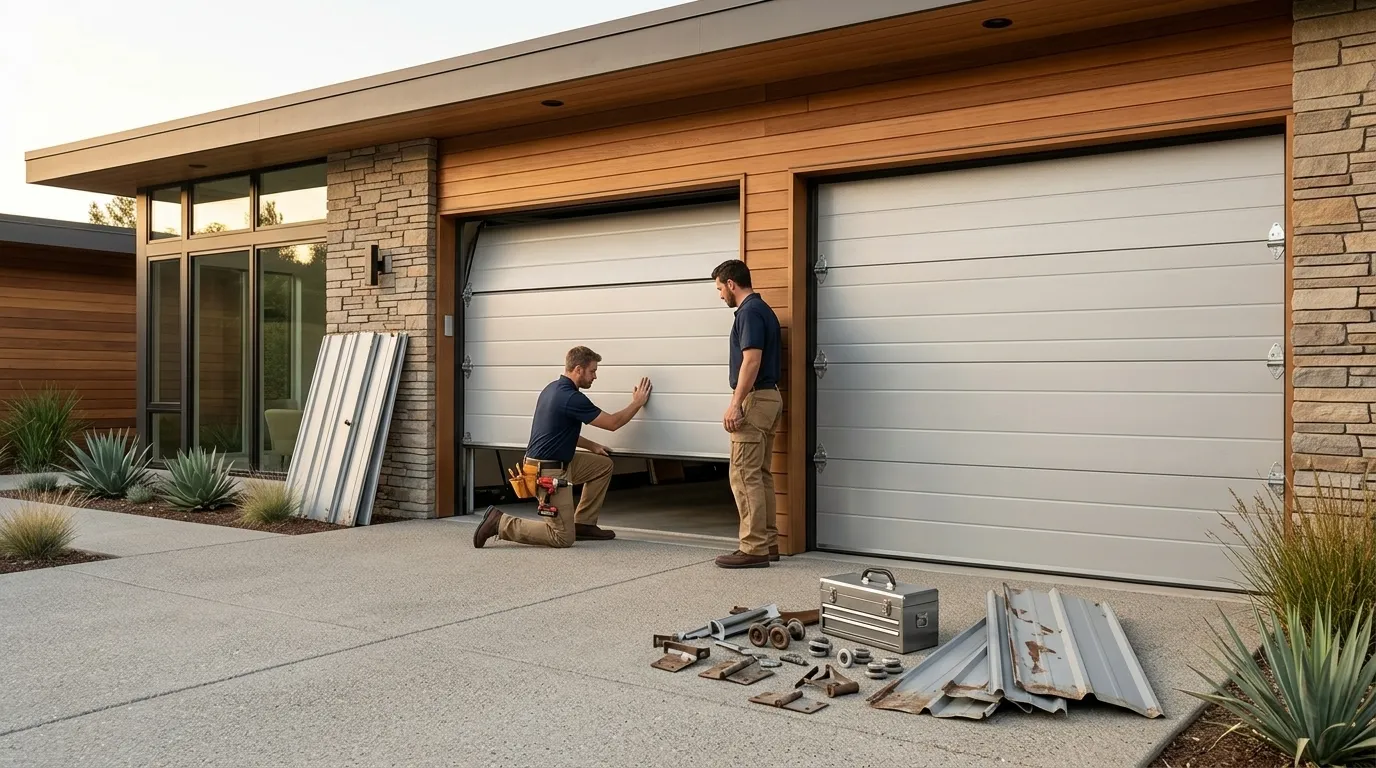
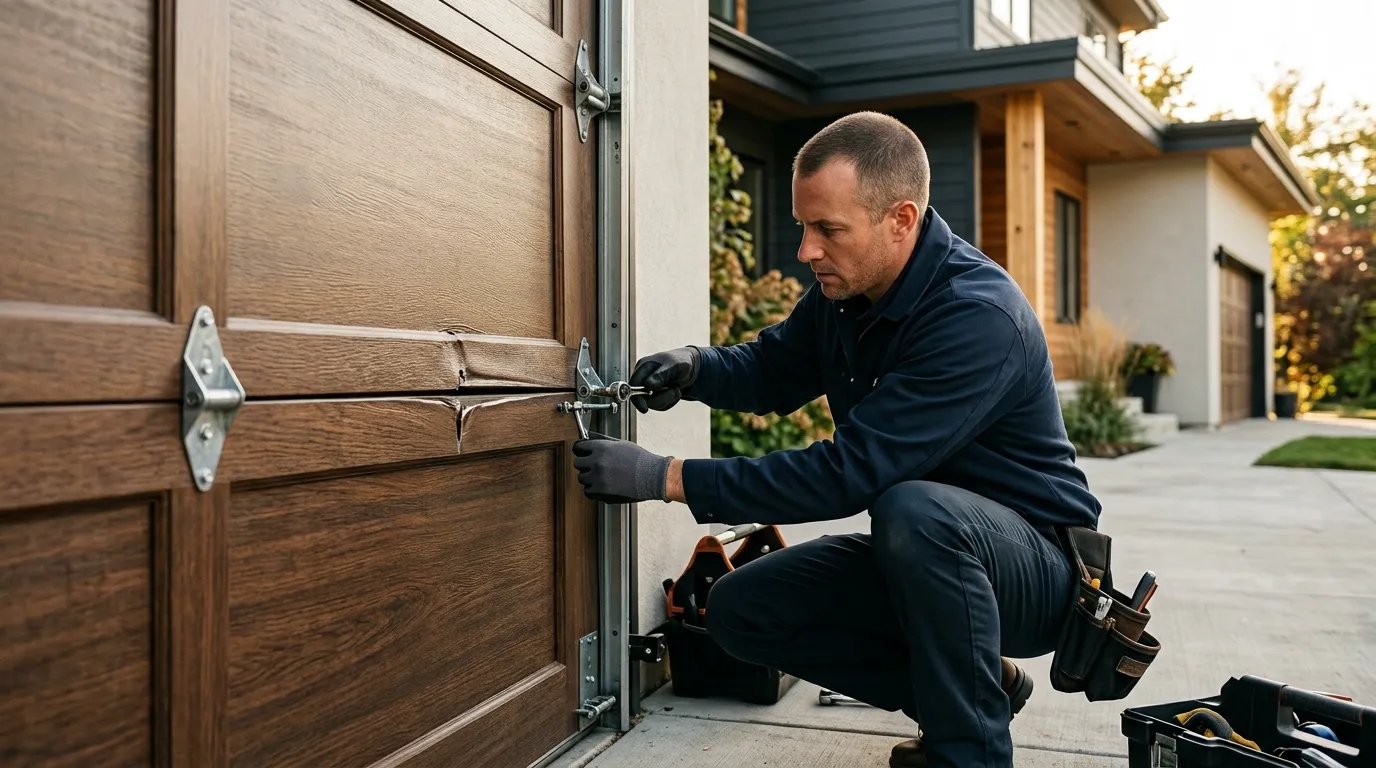
Call in the problem the way you'd describe it to a mechanic: door won't open, it's grinding on the way down, the opener trips and reverses, or a panel got clipped by a forklift. That gets you the right truck stock on the first visit instead of a second trip.
Rochester Hills is the base, and the coverage runs outward from there - Rochester itself sits three miles off, Auburn Hills four seven, out to towns eleven to seventeen miles out. That radius matters for commercial work because a warehouse door failure doesn't wait for a slow week, and a tech routed from the wrong side of the service area costs you a half day of downtime on a loading dock.
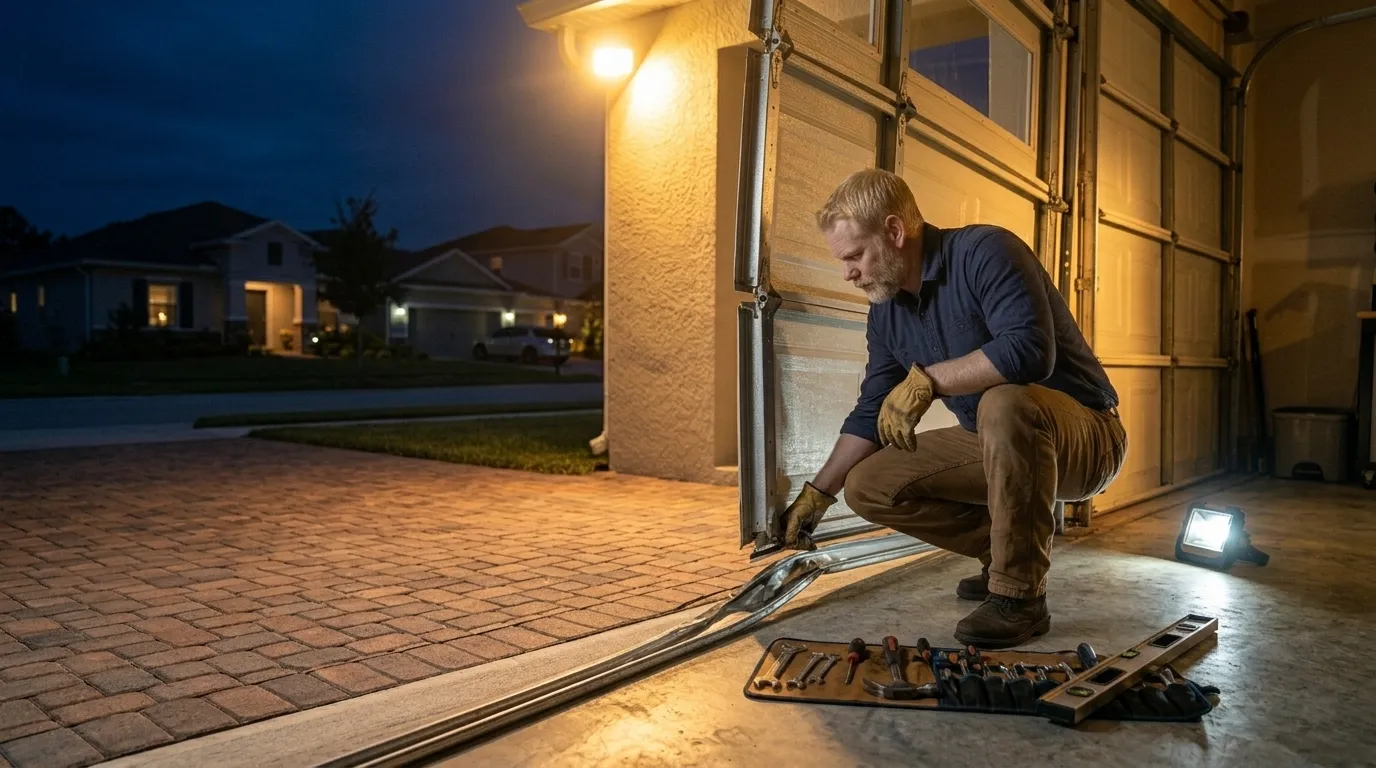
Use the contact page to get a job on the schedule. If it's a door that won't close and the building can't be secured, say so up front - that changes the order of the day.
One limit worth stating plainly: parts for older high-cycle commercial operators aren't always on the truck. Some specialty gearing and sectional panel sizes have to be ordered, and that can add a day or two even after the first visit diagnoses the problem correctly.
Why This Fails Locally
A lot of the commercial and light-industrial buildings scattered through this stretch of Oakland County went up in the same building wave that produced the surrounding housing - construction here runs from 1938 to 2002, with the bulk of it dating to the 1960s and 70s. That matters for commercial doors because a steel sectional door and torsion system installed during that boom was engineered for a different duty cycle than what's asked of it now: more daily open-close cycles, heavier tenant turnover, forklift traffic it was never rated for.
The other half of the problem is climate. This is a cold-severe zone, and that means real freeze-thaw cycling on slabs, tracks, and springs every winter, not just an occasional cold snap. Torsion springs lose tension faster when they're cycling through temperature swings, galvanized track pits with road salt and grit, and bottom seals on older doors crack instead of flexing once the rubber's been through enough winters.
Put those two together - a door and opener from the 60s-70s building boom, running in a climate that's hard on steel and rubber - and you get a specific, predictable failure pattern rather than a random one. It's not that commercial doors here are poorly made. It's that the ones still in service are old enough and the winters are hard enough that wear shows up early and often in the same places.
The DIY Question
Commercial doors are not a bigger version of a residential door - the torsion springs carry more tension, the doors weigh more, and a mistake with a wound spring or a cable under load can put someone in the hospital. That's not a scare line, it's why this isn't a weekend project the way a garage door on a house sometimes can be.
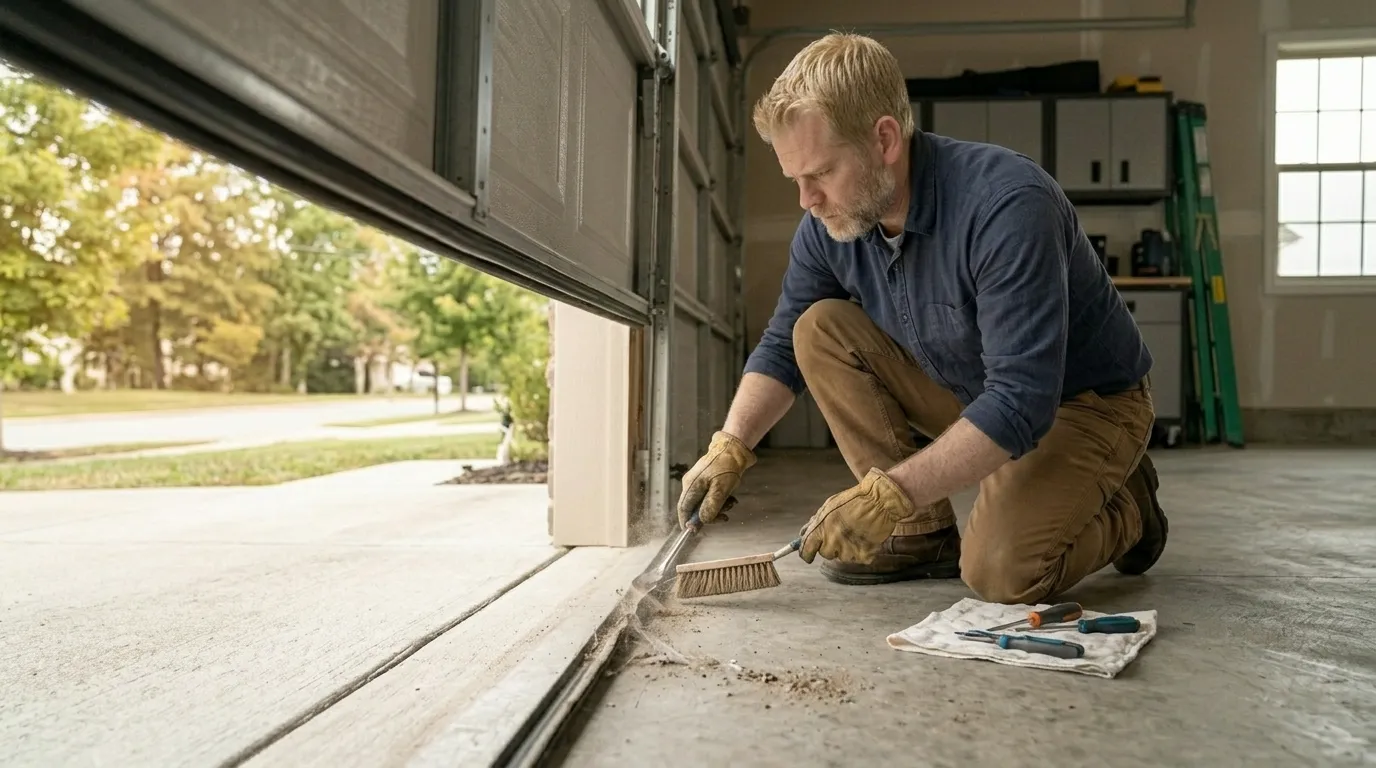
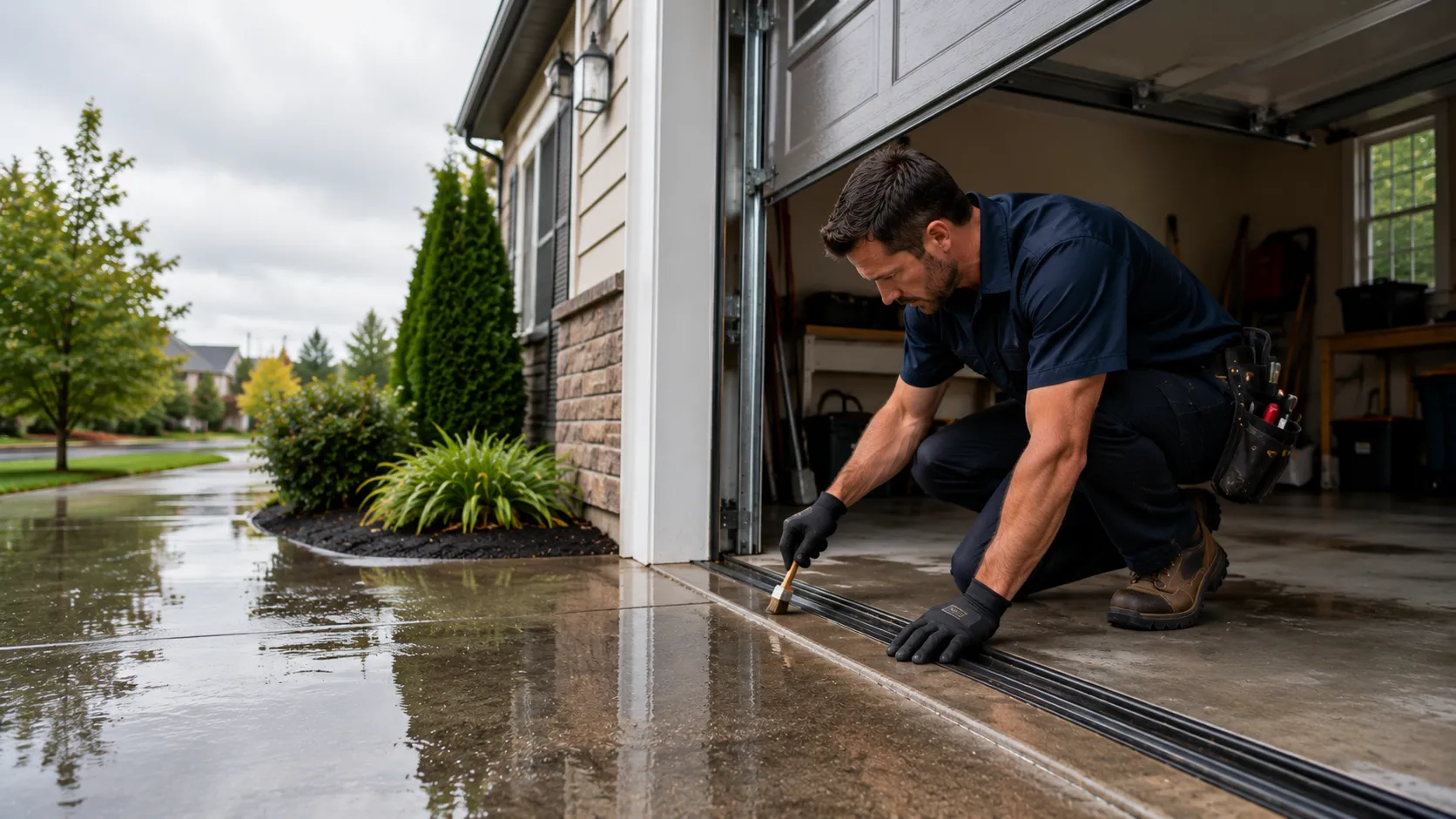
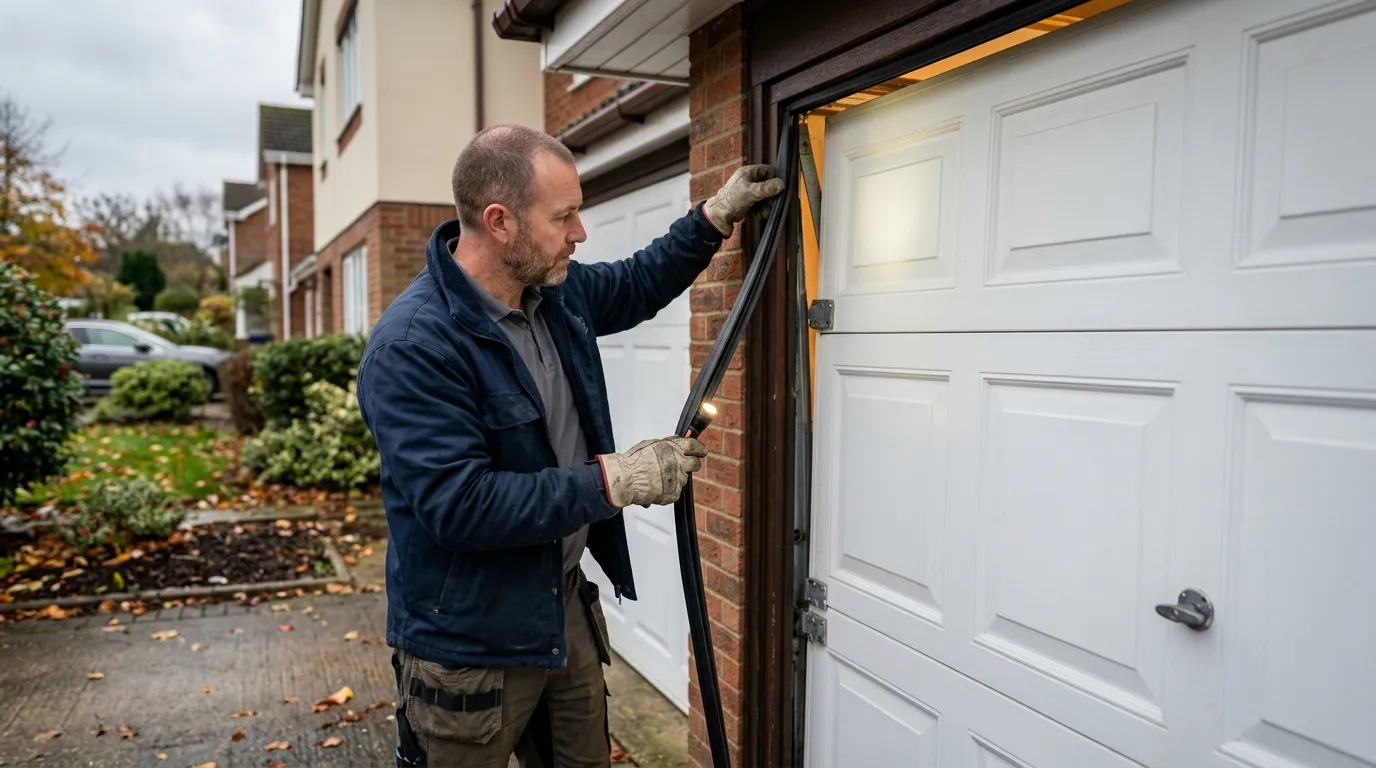
What an owner or facilities manager can reasonably do without a tech: keep the track clear of debris, check that the bottom seal isn't visibly cracked before winter sets in, and listen for new noise - grinding, popping, a door that's suddenly louder - and get it looked at before it fails outright rather than after.
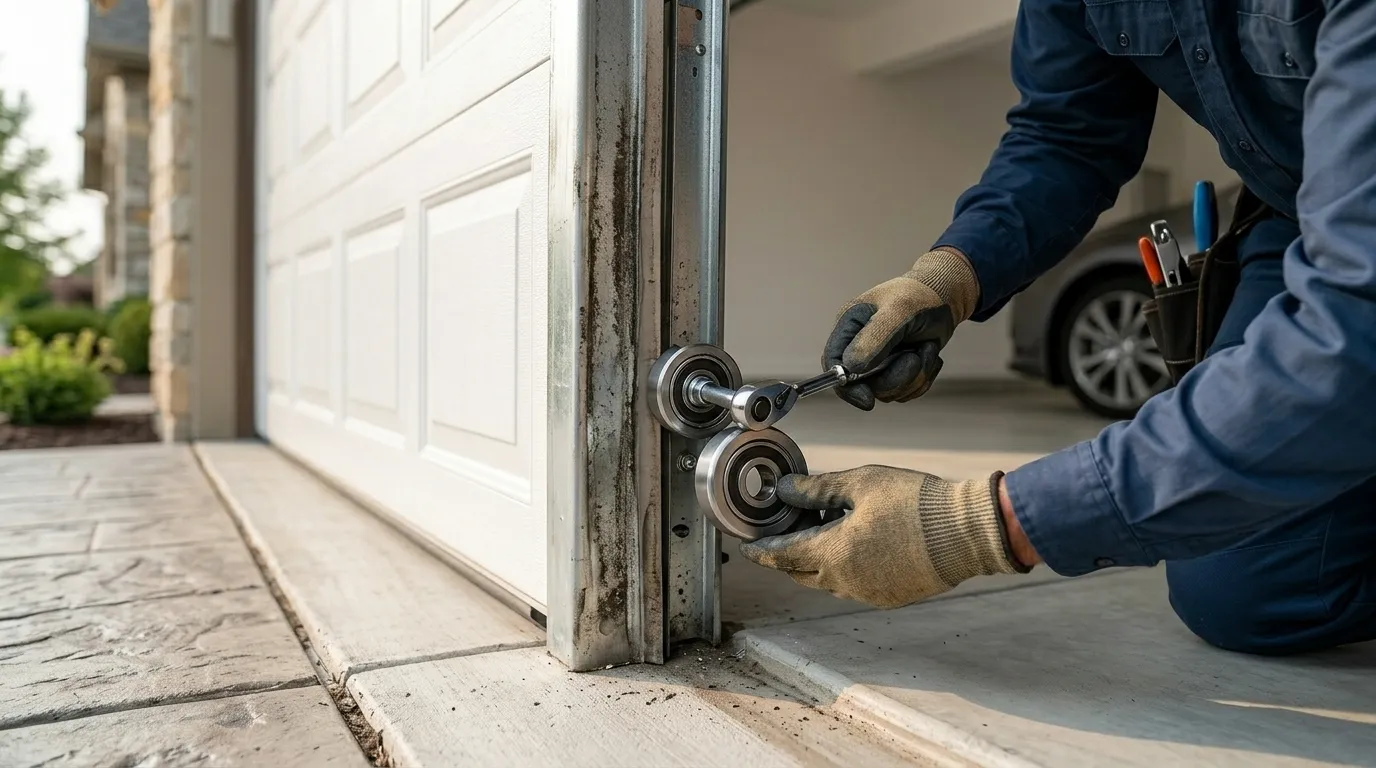
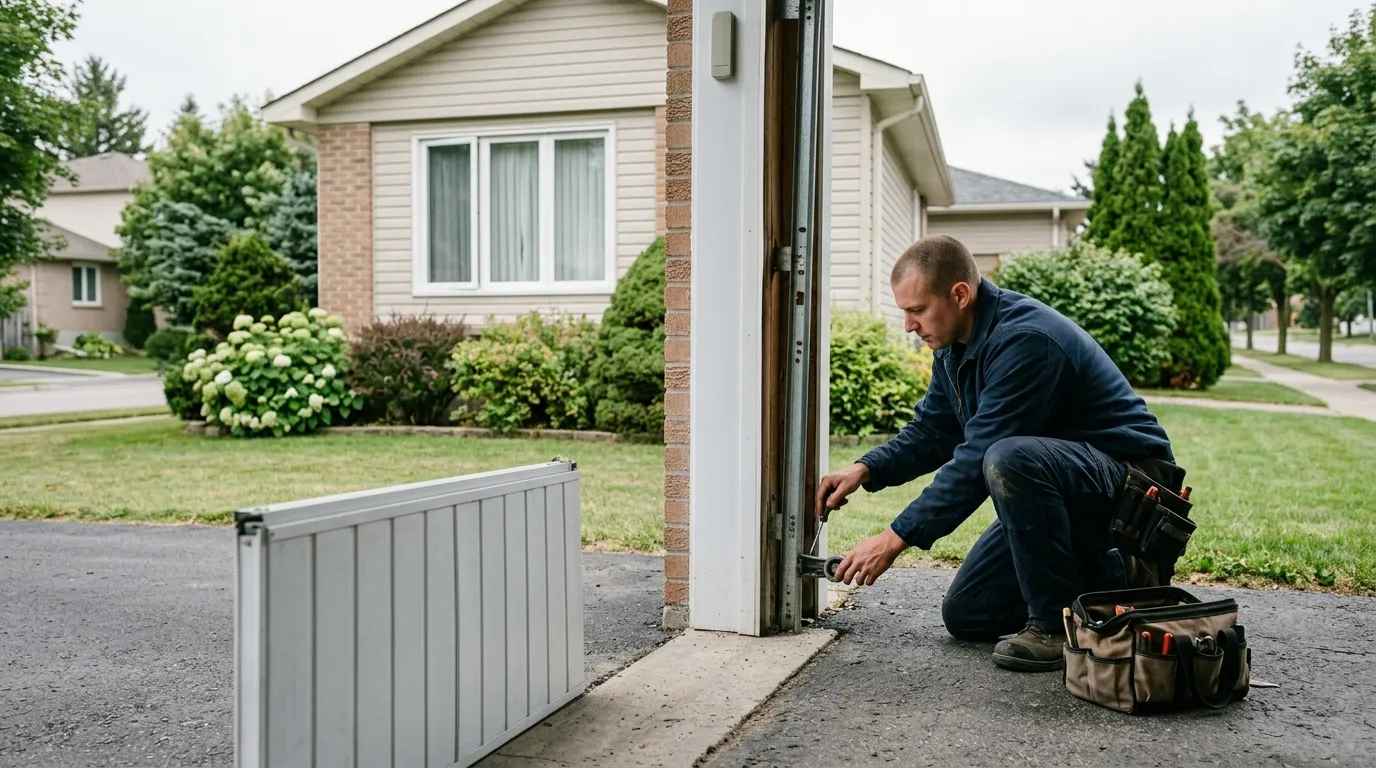
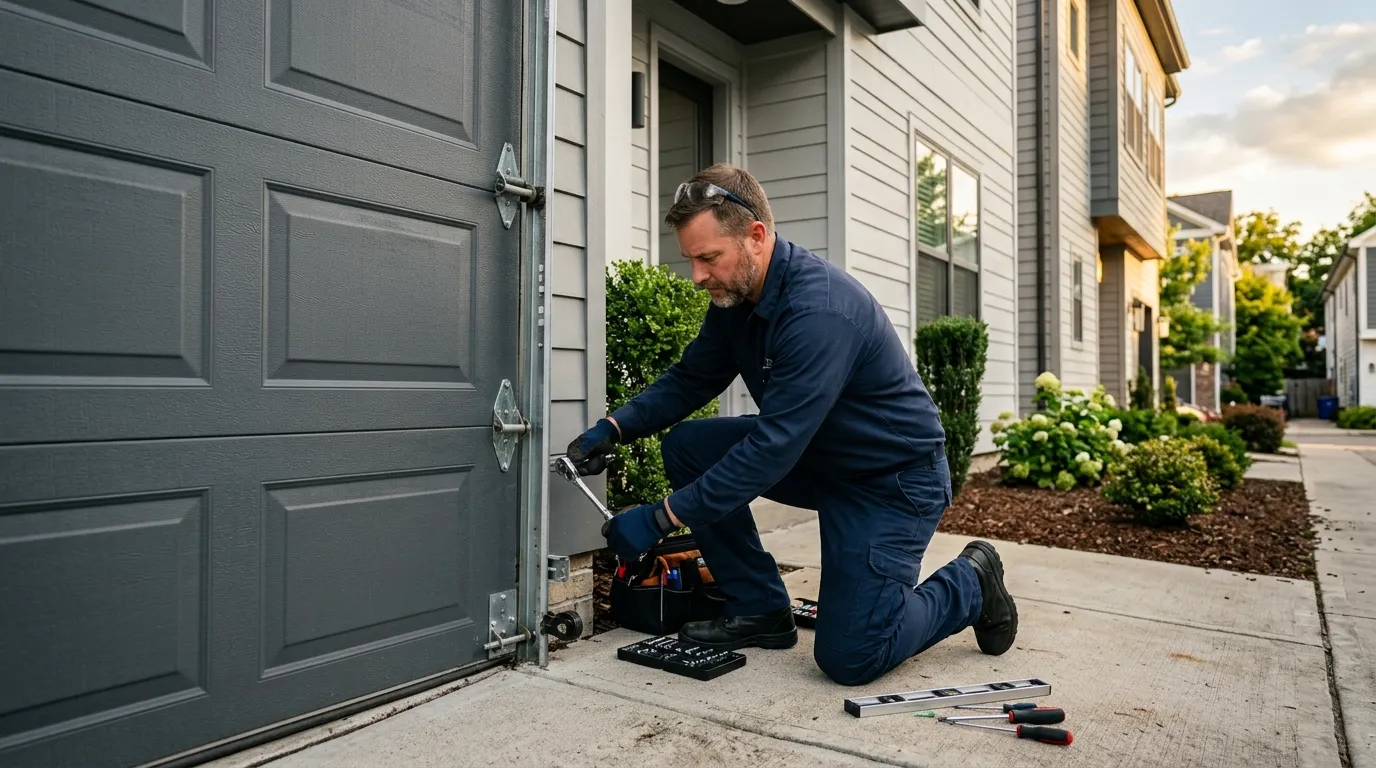
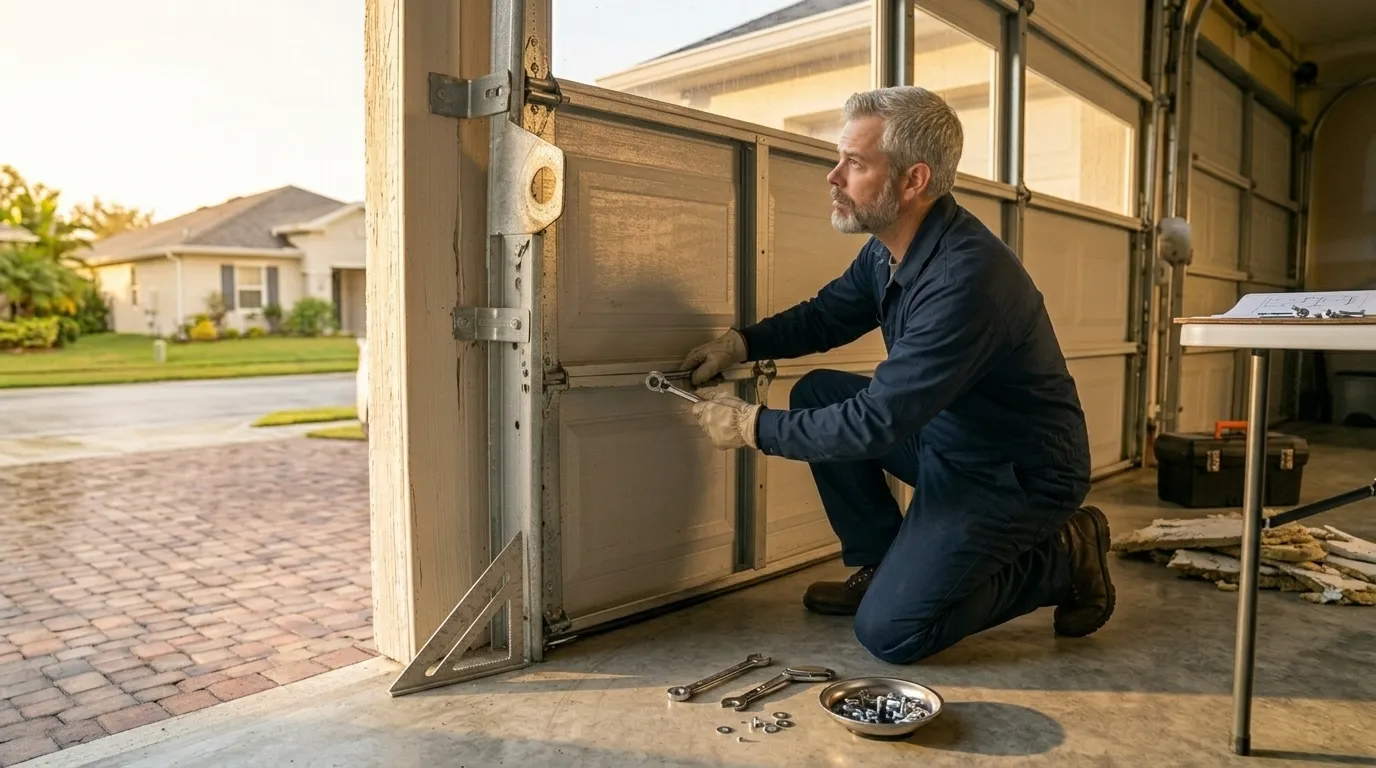
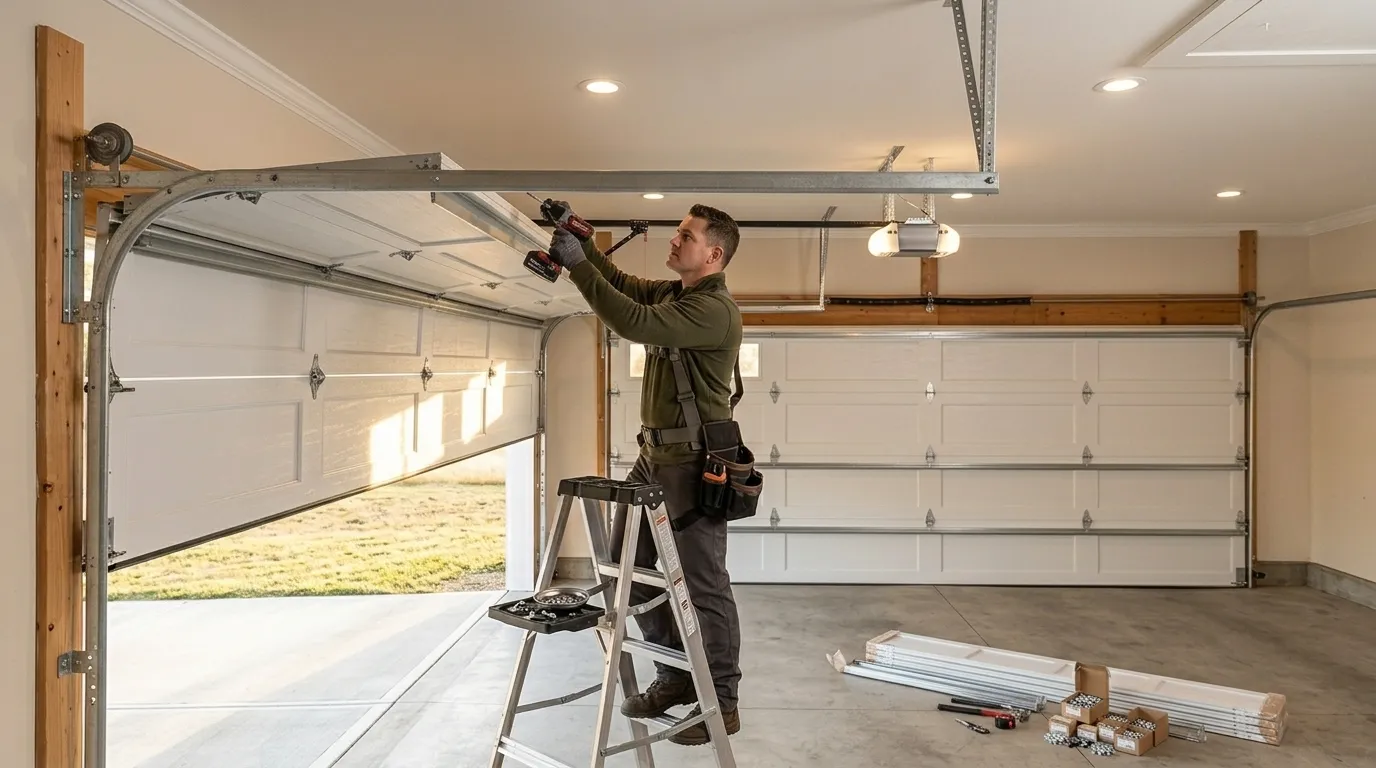
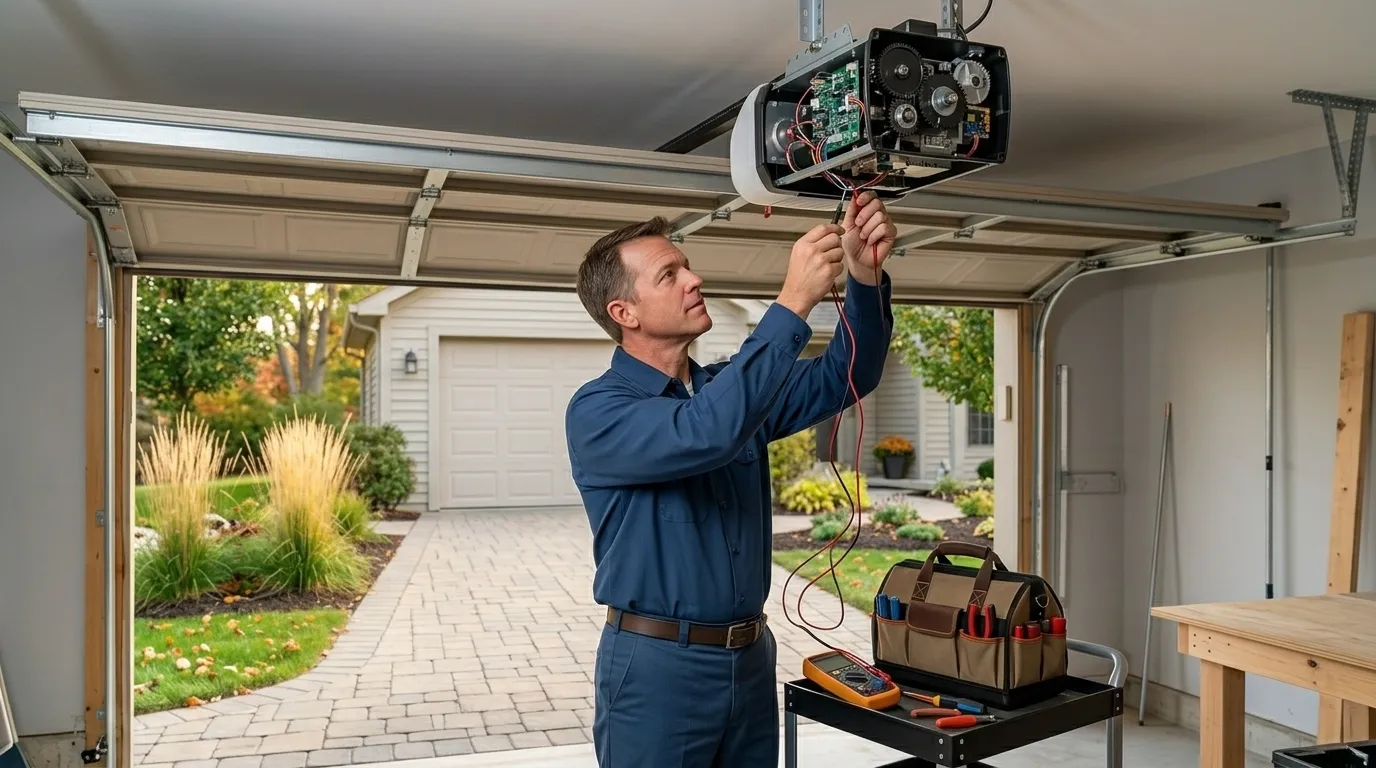
What's not a DIY job: torsion spring replacement or adjustment, cable work, anything involving the opener's high-voltage side, or diagnosing a door that's come off track. If a panel's dented but the door still runs true, that can often wait for a scheduled visit instead of an emergency call - which is worth knowing before you assume every problem is urgent.