How to Book
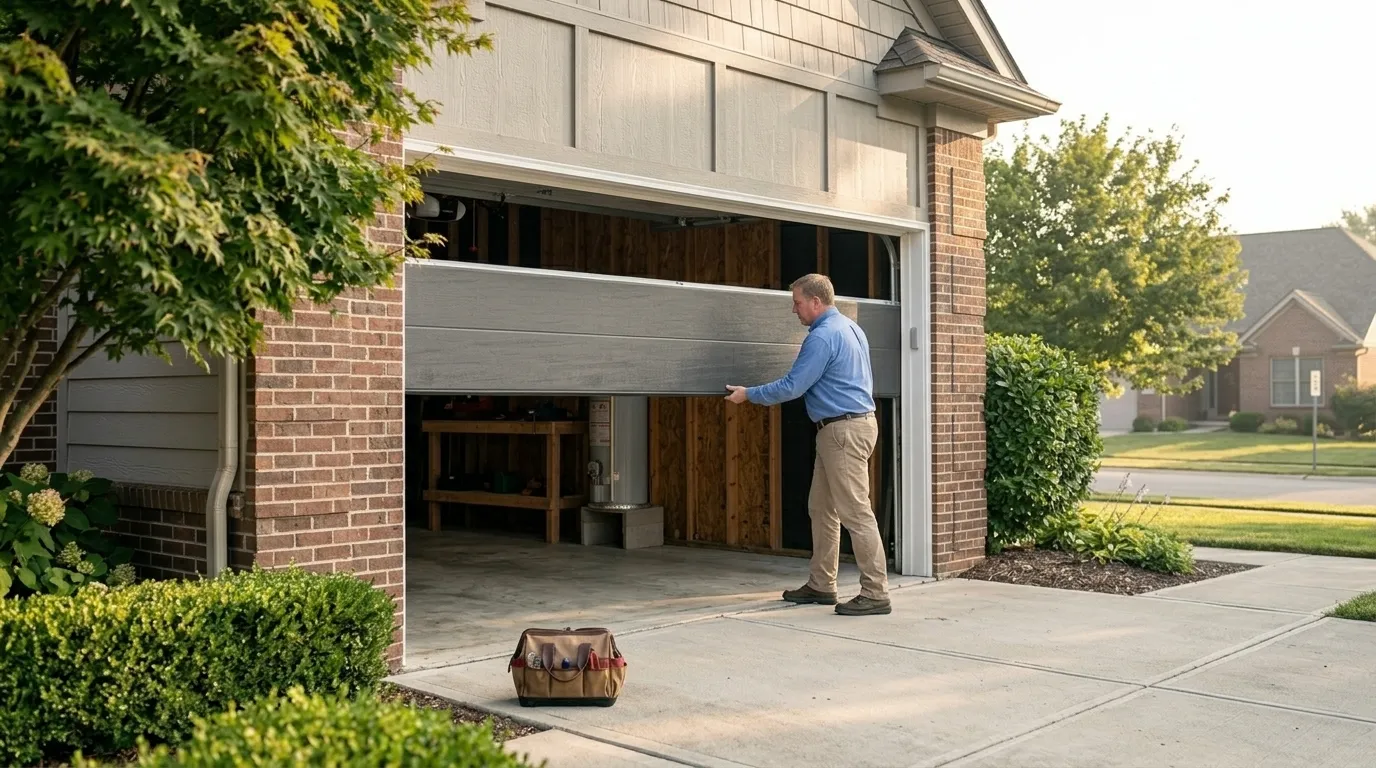
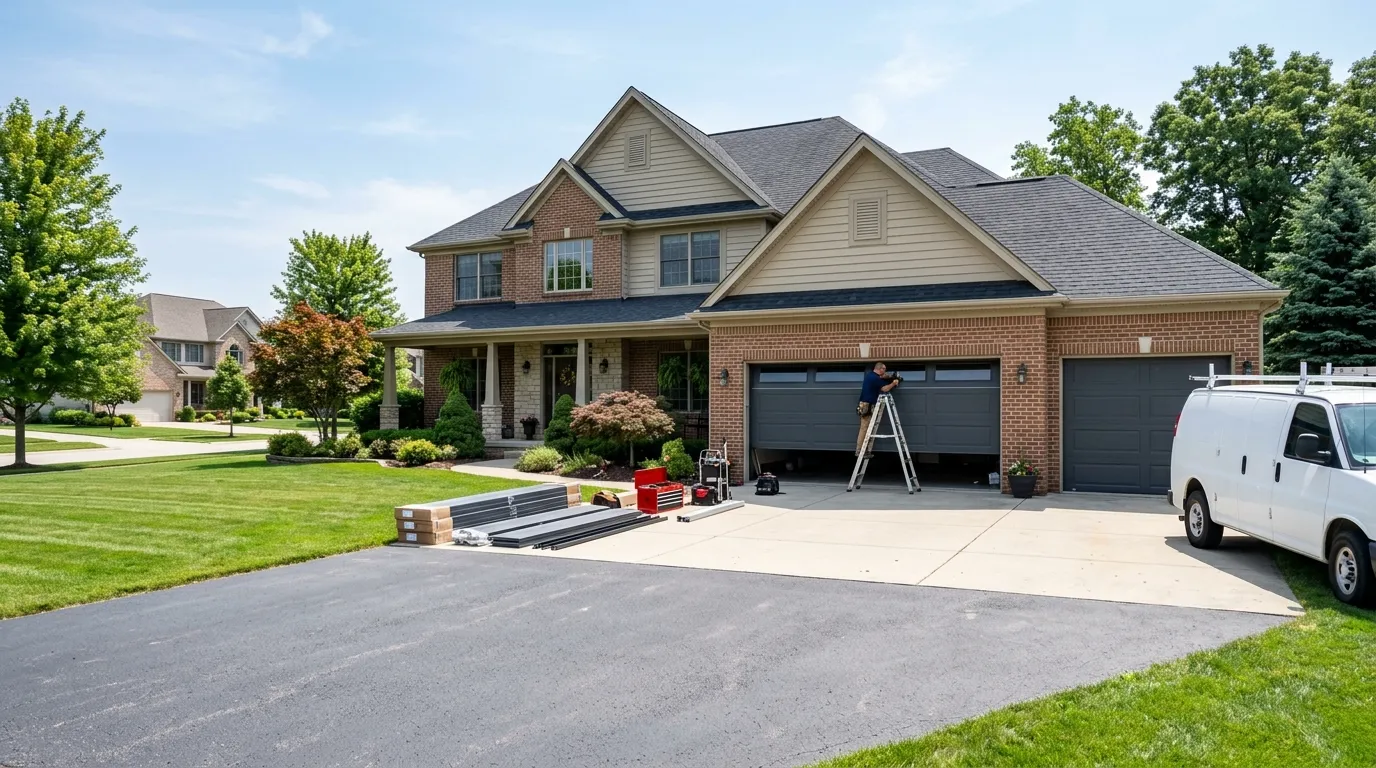
Call or use the contact page to set a time for an opener install or swap. Tell us the door size, whether it's a single or double, and roughly how old the house is - homes in this service area run from 1938 up through 2002, with most built in the 1960s and 70s, and that age range changes what bracket, rail, and drive type we bring on the truck. If you already know your opener's horsepower or drive type (chain, belt, screw), have that ready; if you don't, that's fine, we size it on site off the door weight and spring setup. We schedule the visit, confirm the opener model and any header clearance issues over the phone first, and show up with the unit loaded rather than guessing and making a second trip. Most jobs are a same-visit install once we've looked at the door and confirmed parts. If your existing spring or track needs work too, we'll flag it before we start rather than mid-job.
Why This Fails Locally
This area sits in a cold-severe climate band, and that matters more for openers than most homeowners expect. Cold-soaked grease in an old chain-drive unit thickens up, the logic board in a decades-old opener drifts out of calibration as temperatures swing, and gear sets that were fine in a heated garage strip teeth once winter settles in. Houses here were built across a long span - 1938 through 2002, median around 1960 - so the openers we pull out vary wildly: some are original units from a 1960s build, some are mid-90s replacements nearing the end of their run. Across the 42 named areas that make up this housing stock, the common thread is age, not a single build year. An opener rated for a mild climate, installed without cold-weather-rated gearing, is the single most common failure we see once the temperature drops for the season. That's not a defect in the house - it's a mismatch between the equipment and the band this region actually sits in.
The DIY Question
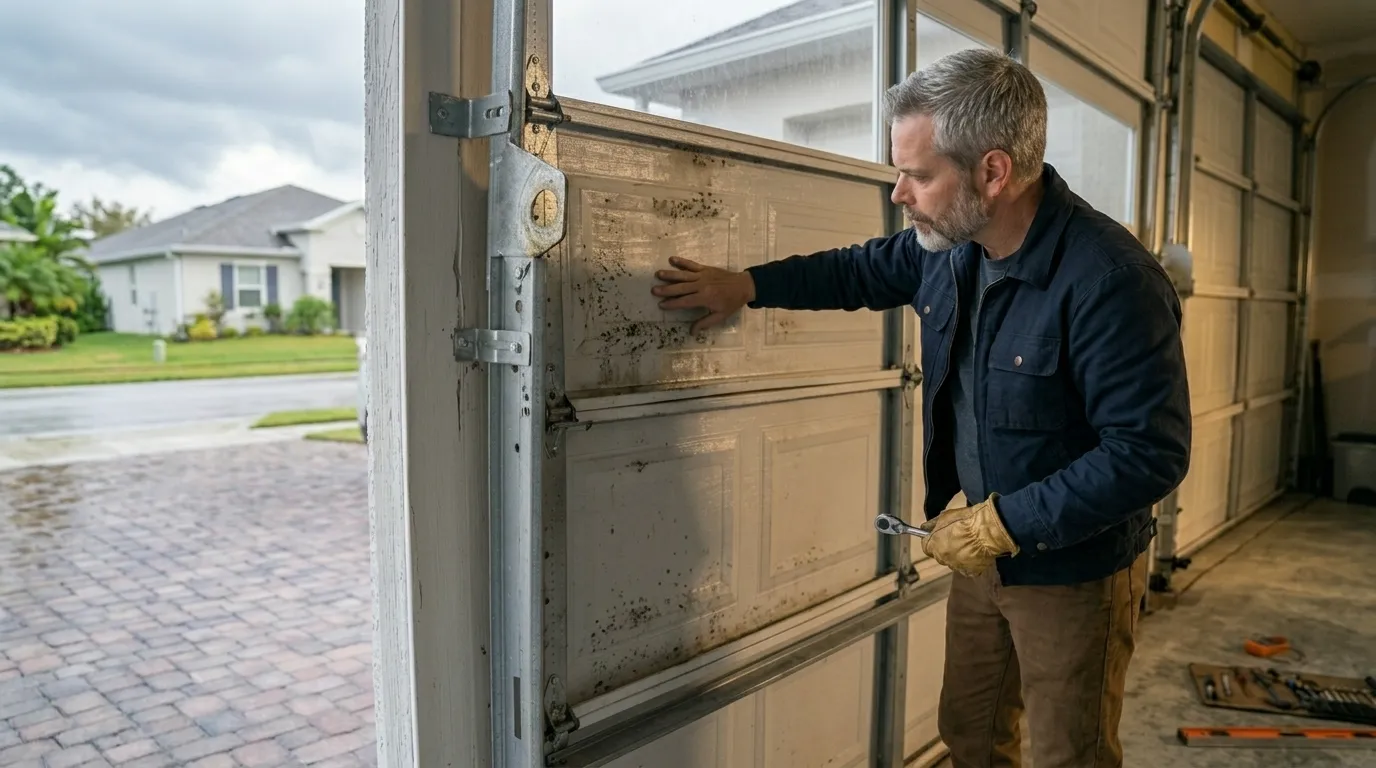
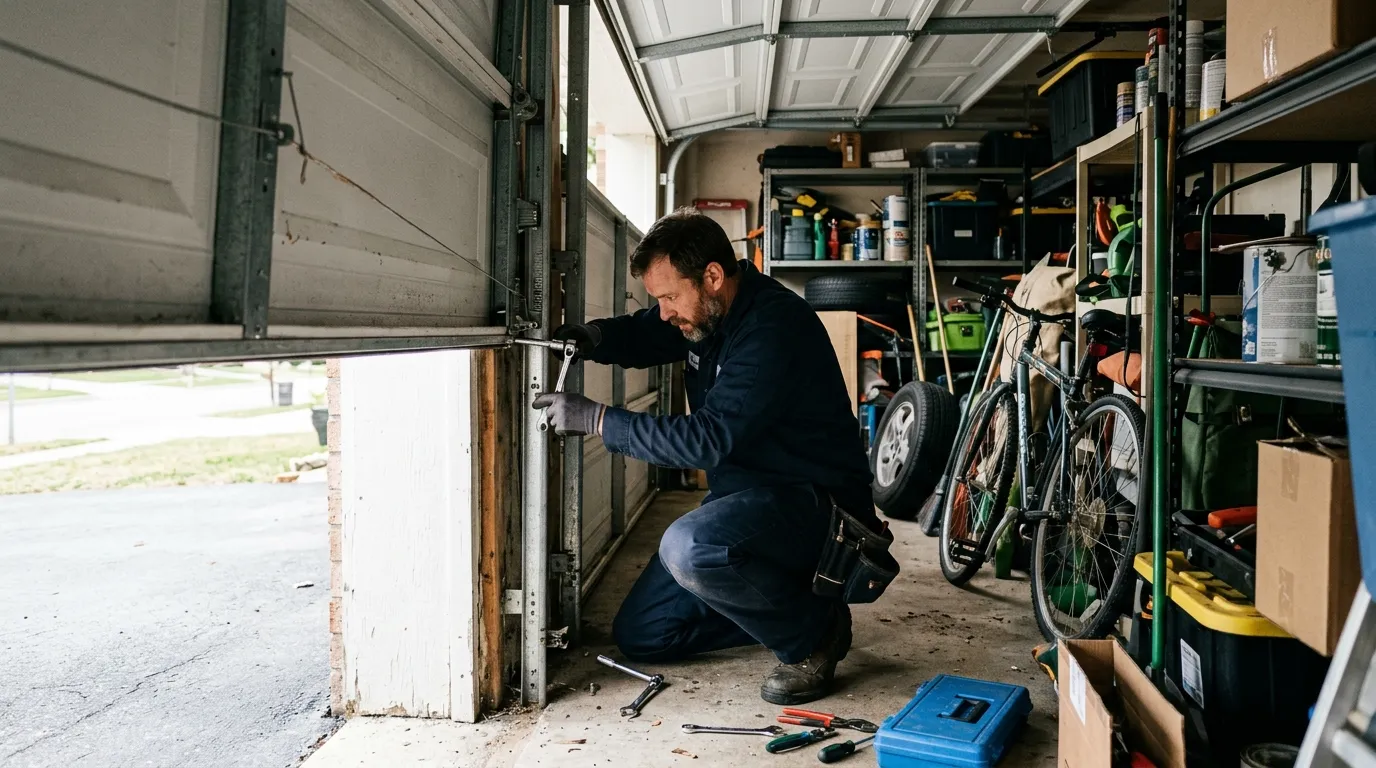
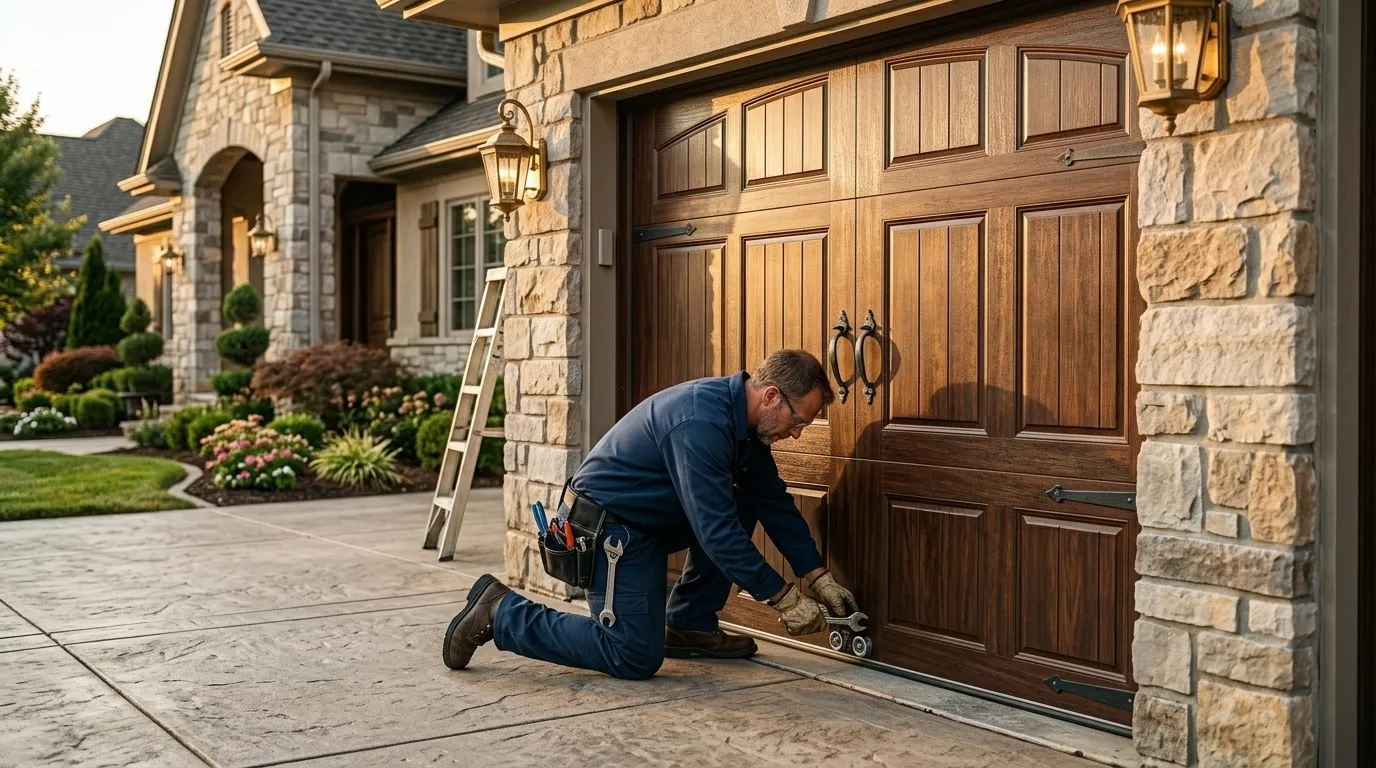
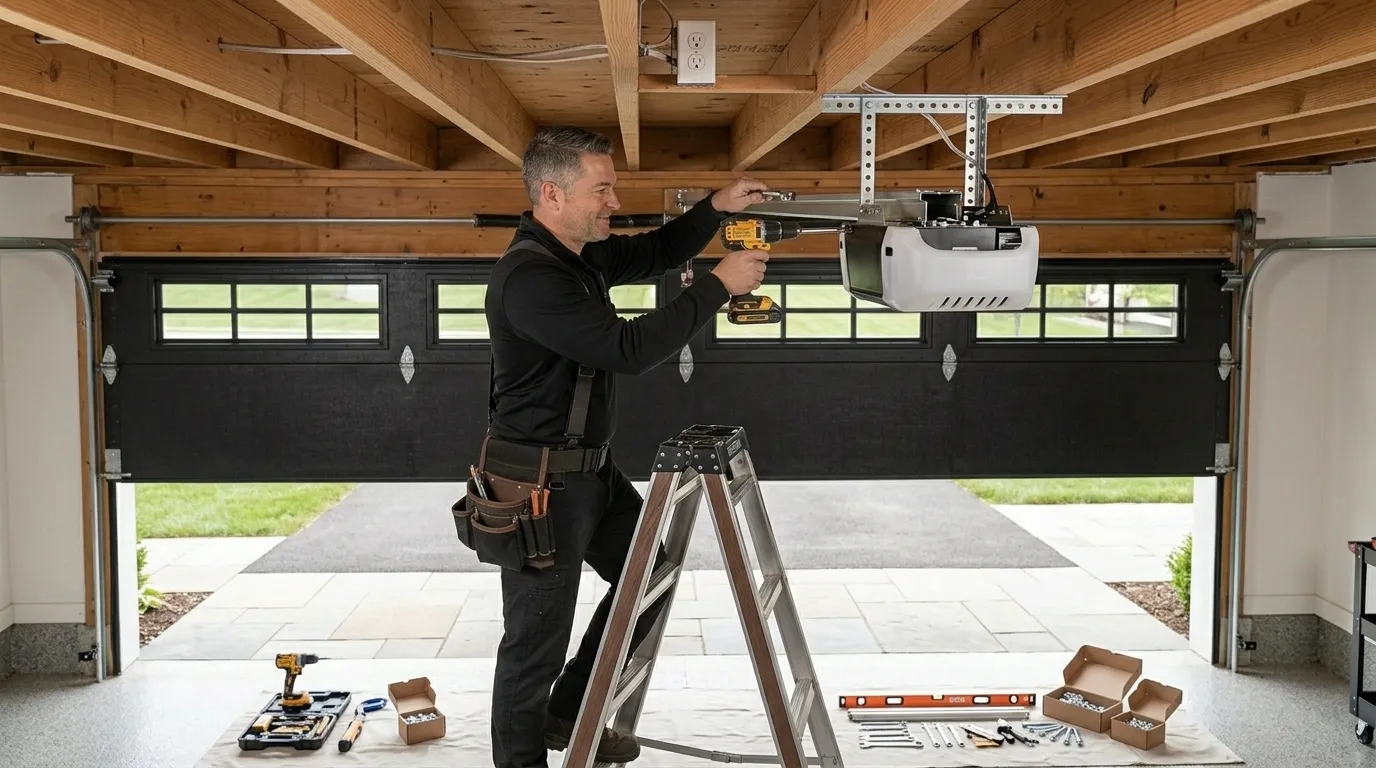
A basic remote reprogram or travel-limit adjustment is within reach for most owners and doesn't need a truck. Swapping the opener unit itself is a different job - it involves matching horsepower to door weight, wiring a new safety-reversal system correctly, and in older houses, sometimes reworking a bracket that was never sized for today's heavier insulated doors. With median household income in this service area at $84,862 across roughly 233,489 households, a full opener replacement is a real but planned expense for most owners here, not an emergency buy - which is part of why we'd rather size it right the first time than have you back on the phone in a year. Where we draw the line: if your existing springs or cables are also worn, we won't just bolt a new opener onto bad hardware and call it done. That's a second job, not a shortcut, and it's cheaper to fix both at once than to come back.