
The DIY Question
Rochester Hills, where we run out of, has houses built anywhere from 1938 to 2002, median around 1960. St. Clair Shores sits a few years earlier than that midpoint - median build year here is 1957. That's not a big gap on paper, but it matters on a garage door: doors from that era were built lighter, often with narrower track and smaller-diameter torsion springs than what went into a house built in the 1970s or later.
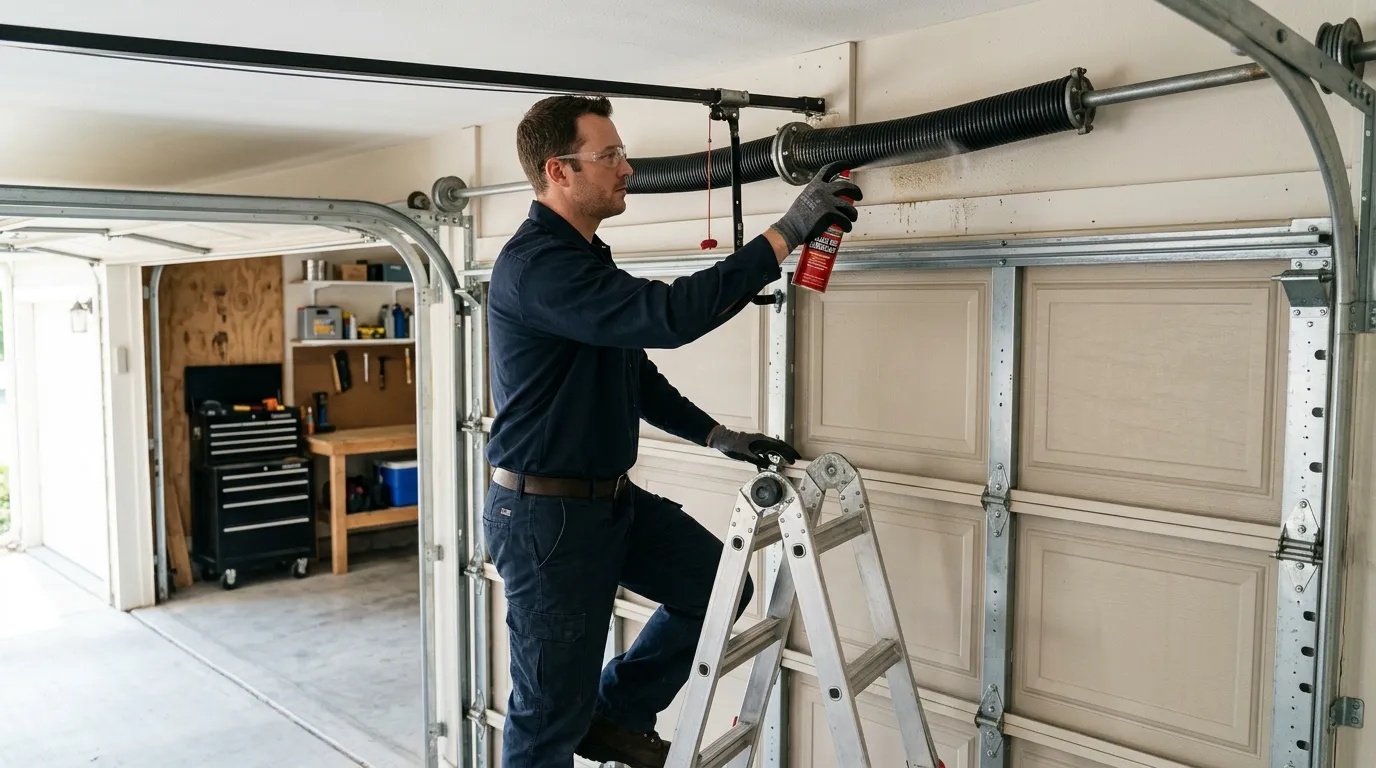
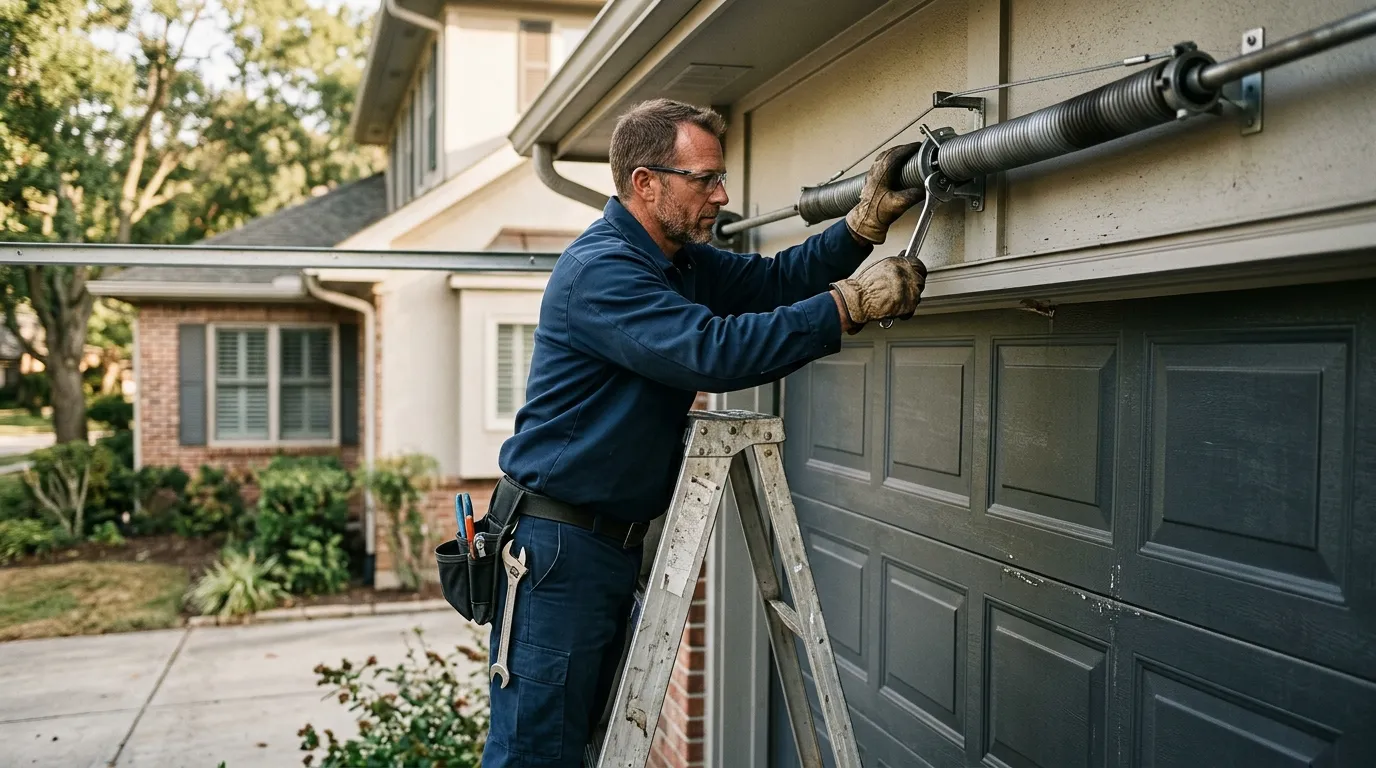
If you're looking at a door that won't open, the first honest question is whether this is a job you can do yourself. Tightening a loose track bracket or lubricating rollers - fine, do it. Anything involving the torsion spring itself is not a DIY job. A wound spring on an older door like the ones common here carries enough stored force to break a bone or worse, and the smaller-diameter springs from this era are also harder to match without measuring the wire gauge in person.
With 27,495 households in St. Clair Shores, a good share of them are going to be sitting on original or first-replacement hardware from this build period. That's the population we're actually working with, not a generic 'garage door problem' - it's a specific hardware generation.
What the Repair Takes
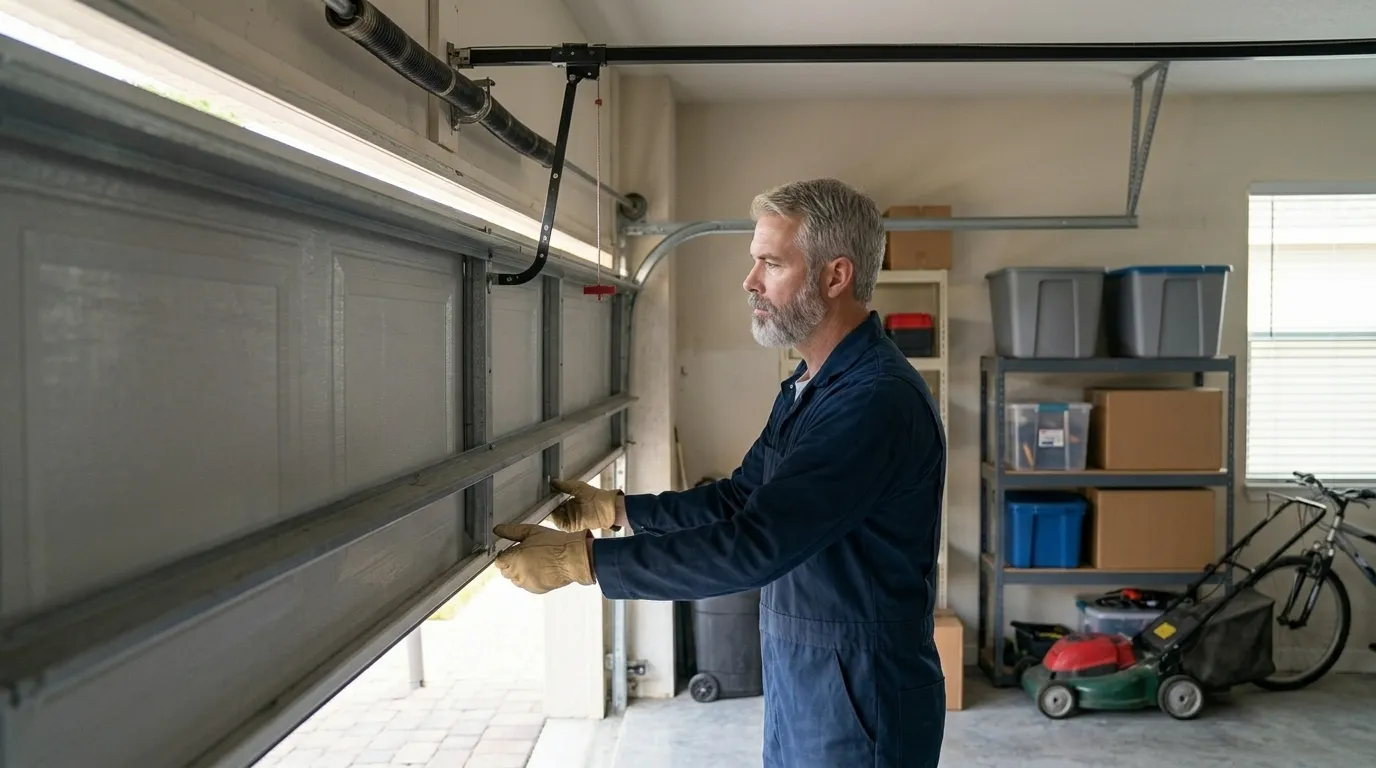
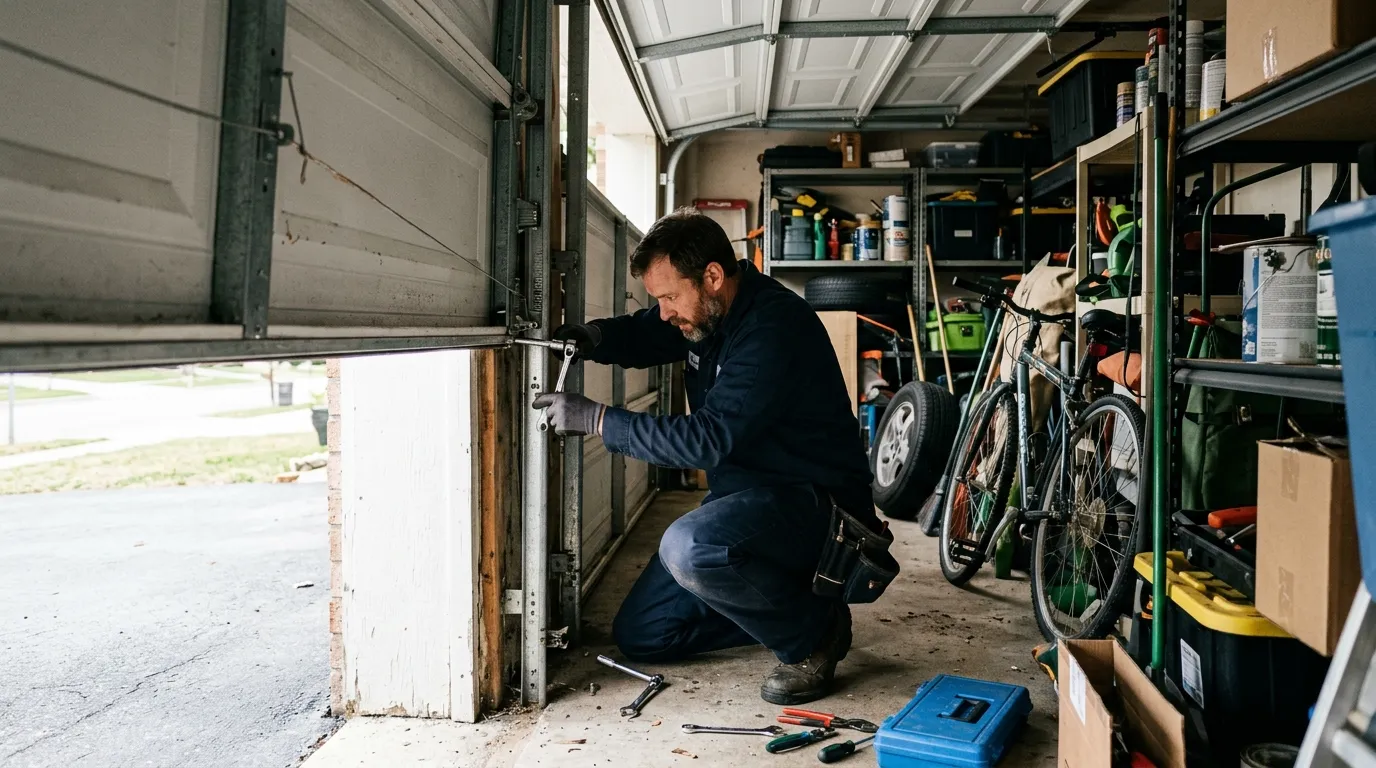
A typical spring or cable job on a 1957-era door starts with measuring what's actually on the house, not what's on the truck. Springs sized for later-era doors don't wind the same way and can bind or wear out fast if forced onto older track. On a door this age, we're also checking the track gauge itself - older track was often installed narrower, and if a previous repair swapped in a mismatched roller size, that shows up as grinding or the door walking off-center partway through the cycle.
Openers are a separate question from the door itself. A door from 1957 has likely had its opener replaced at least once already, sometimes more, so the opener age and the door age often don't match. That mismatch is common enough here that we check both independently rather than assuming one tells you about the other.
Median household income in the broader service area sits at $84,862, but St. Clair Shores runs lower, at $72,693. We mention that because it affects the repair-versus-replace math: on an older door with an income-conscious household behind it, we'd rather fix the spring and cable set that's failing than push a full replacement the hardware doesn't yet need.
Why This Fails Locally
This isn't a generic garage-door-wears-out story. St. Clair Shores' 1957 median build year puts a meaningful share of its 27,495 households on hardware from a narrower window than the 1938-2002 spread across the rest of the service area. That means the failure pattern here - smaller-gauge springs, narrower track, mismatched prior repairs - shows up more consistently than it would in a newer subdivision.
We travel to St. Clair Shores from Rochester Hills, about 18 miles out. That's worth saying plainly: we don't keep a depot here, so we're not the fastest same-day call in the area, and we don't claim to be. What we do bring is a truck stocked with the range of spring and track sizes that this build era actually needs, because we've sized enough of these jobs to know what shows up.
How to Book
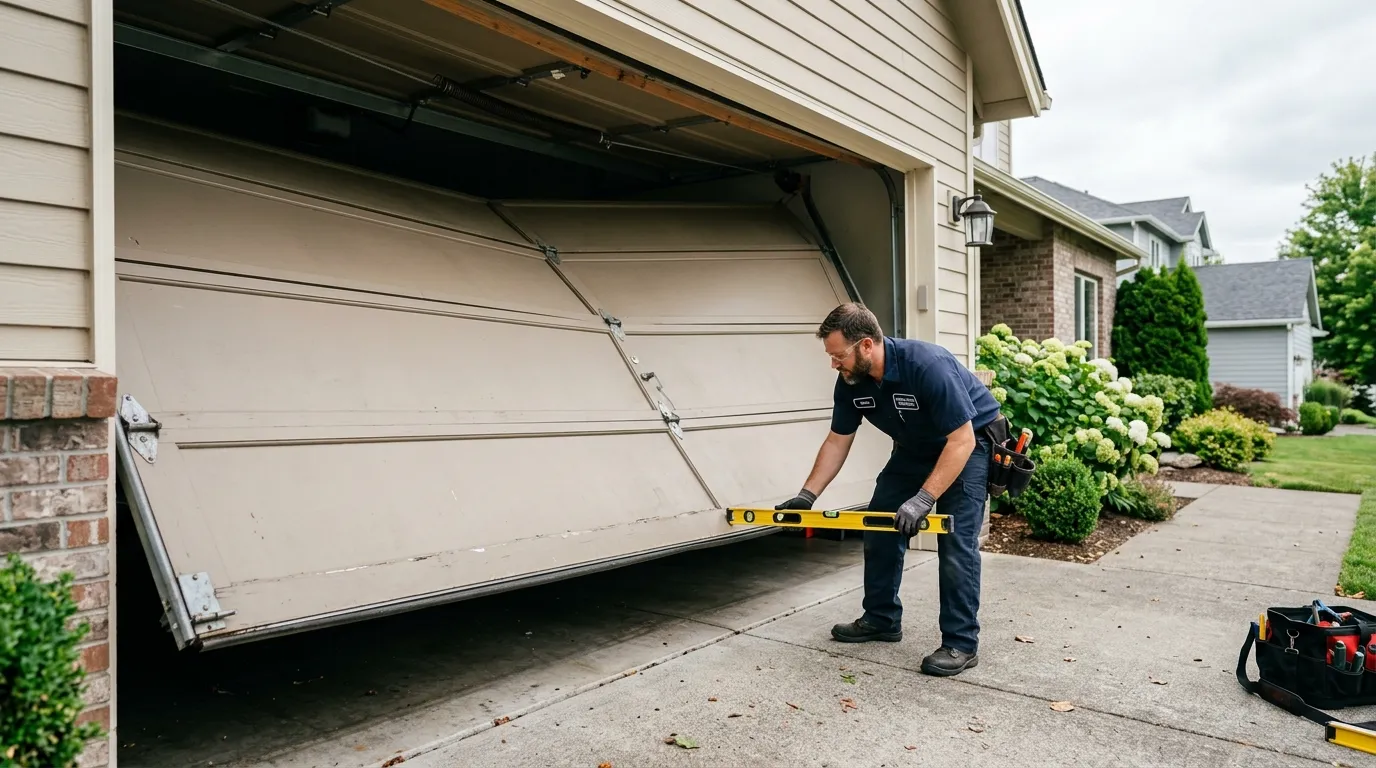
If your door is sticking, sagging on one side, or the opener is straining to lift it, the fastest way to get a real answer is to describe what you're seeing - which side drags, whether it's worse in the cold, whether the door has been worked on before. That tells us more than the model number does on a house this age. We schedule the visit from Rochester Hills, so give us a call with what you've noticed and we'll bring the right spring and track stock for a door built around this period rather than guessing at it on-site.