
The DIY Question
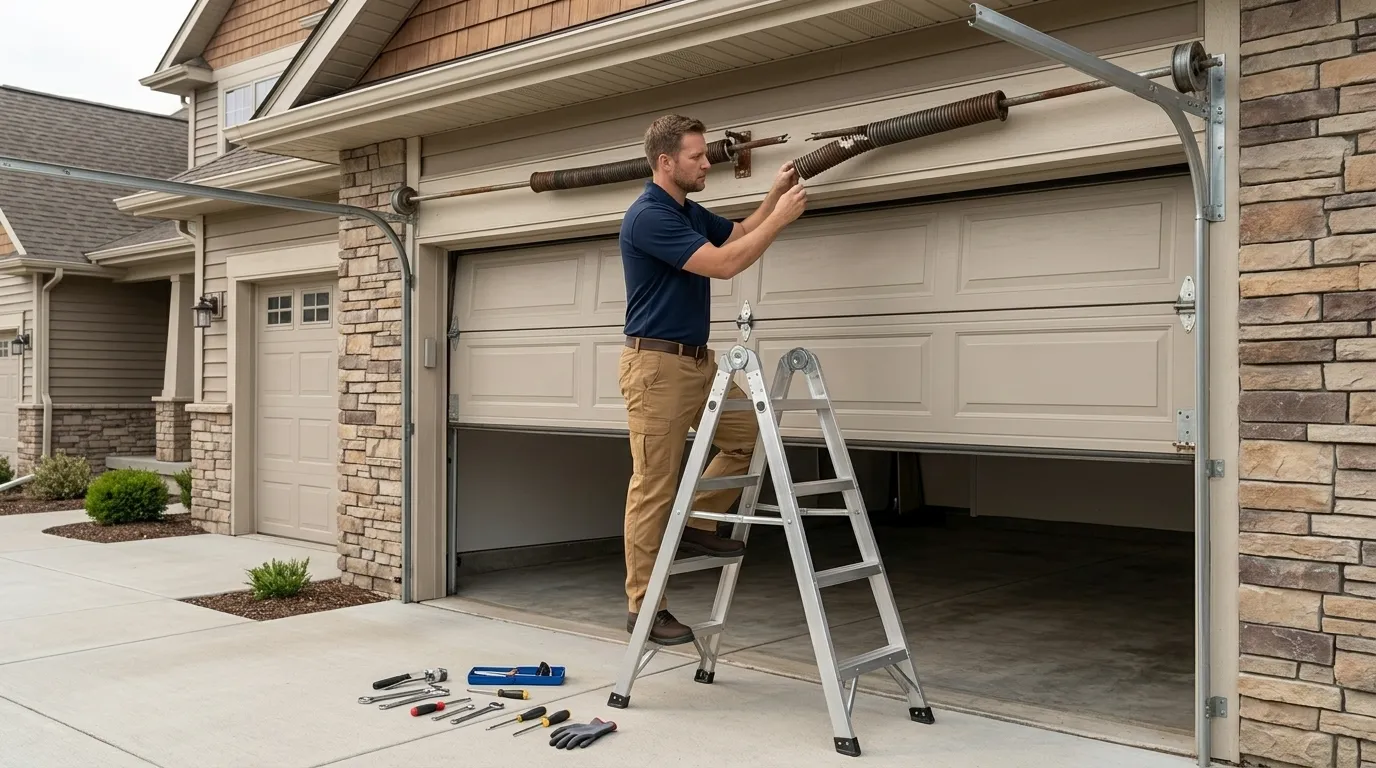
The fault we see most in this town isn't a broken opener remote or a dead sensor. It's a torsion spring that's been wound to the wrong tension for a door that's heavier than the hardware was ever sized for, because someone swapped panels or added insulation without recalculating the spring. On a house from the late 1950s, that spring and the drum it sits on are often the original configuration, or a mismatched replacement from decades back.
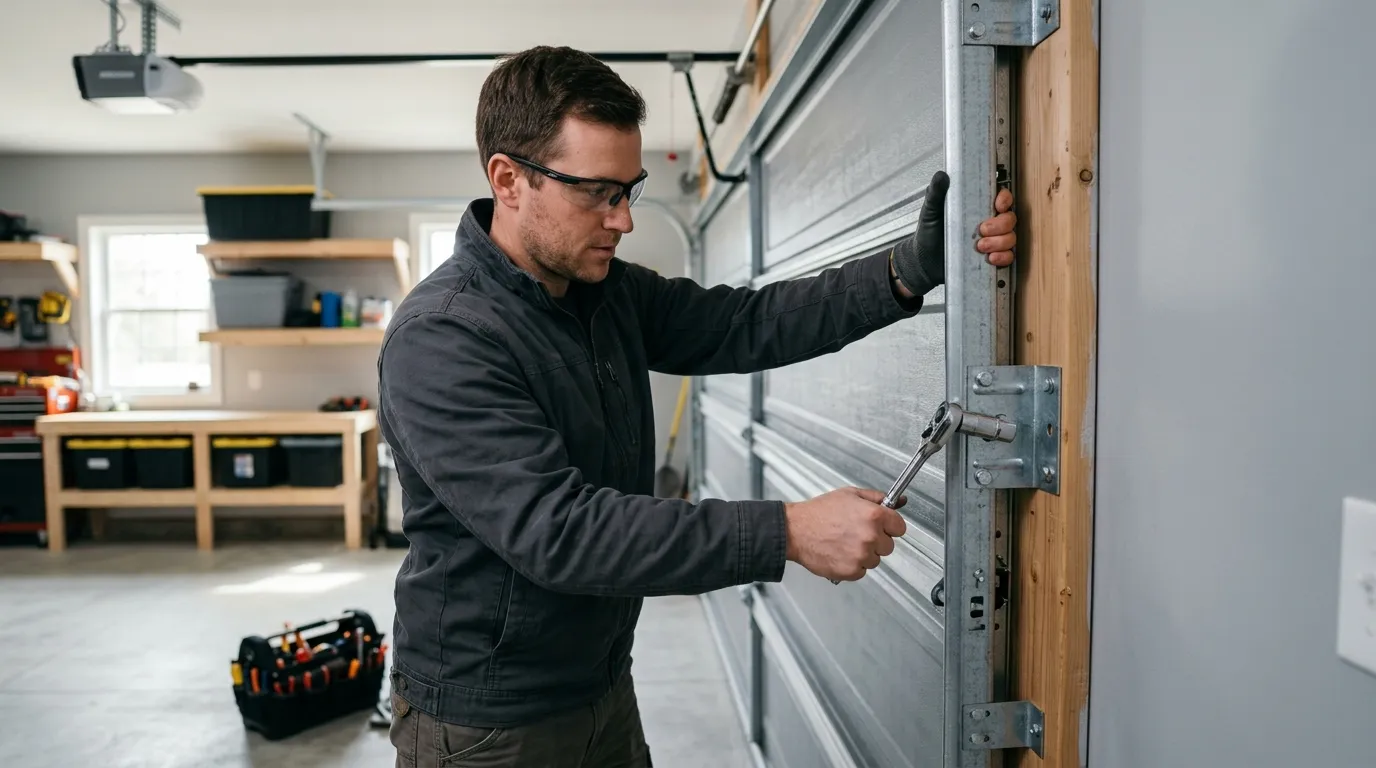
Median year built here runs around 1957, a good bit earlier than the 1960s-70s stock that makes up most of the wider Rochester Hills service area. That gap matters. A door and track sized for a 1957 opening doesn't always match the off-the-shelf torsion springs sold today, and a spring wound to the wrong turns count for that setup is exactly what snaps a cable or lets a door slam down. This isn't a job for a torque wrench and a YouTube video. Winding a torsion spring under load is one of the few home-repair jobs that puts you in the ER if the bar slips.
What the Repair Takes
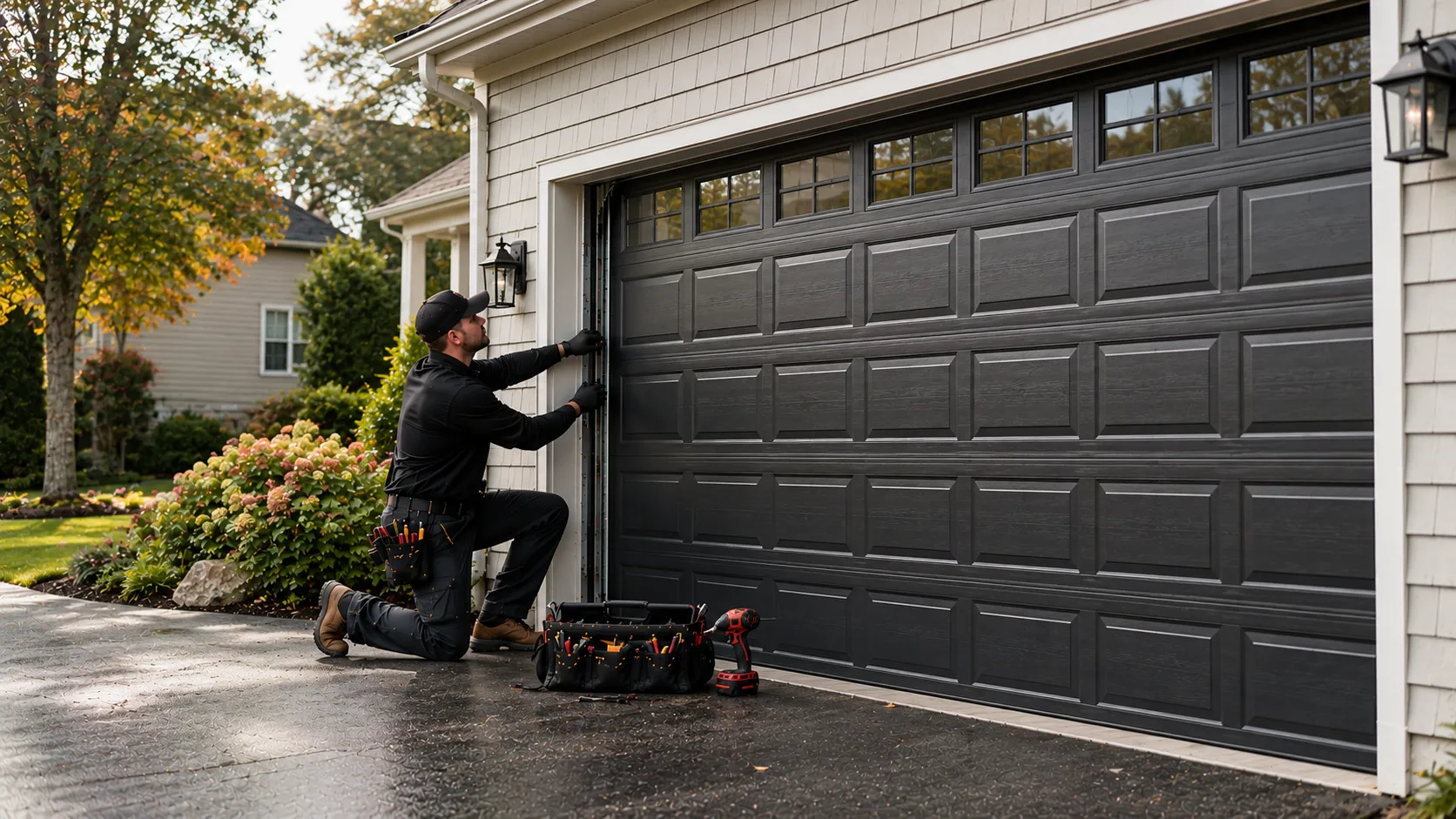
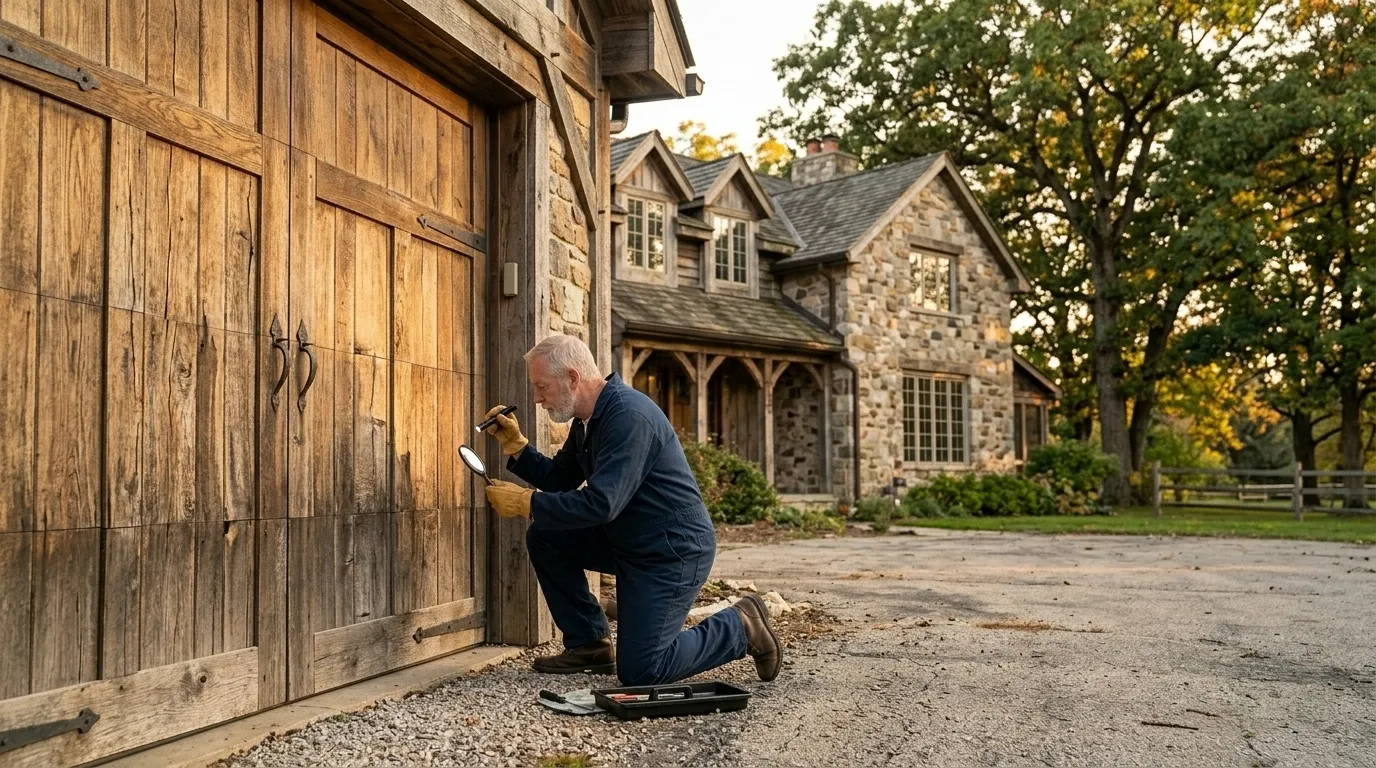
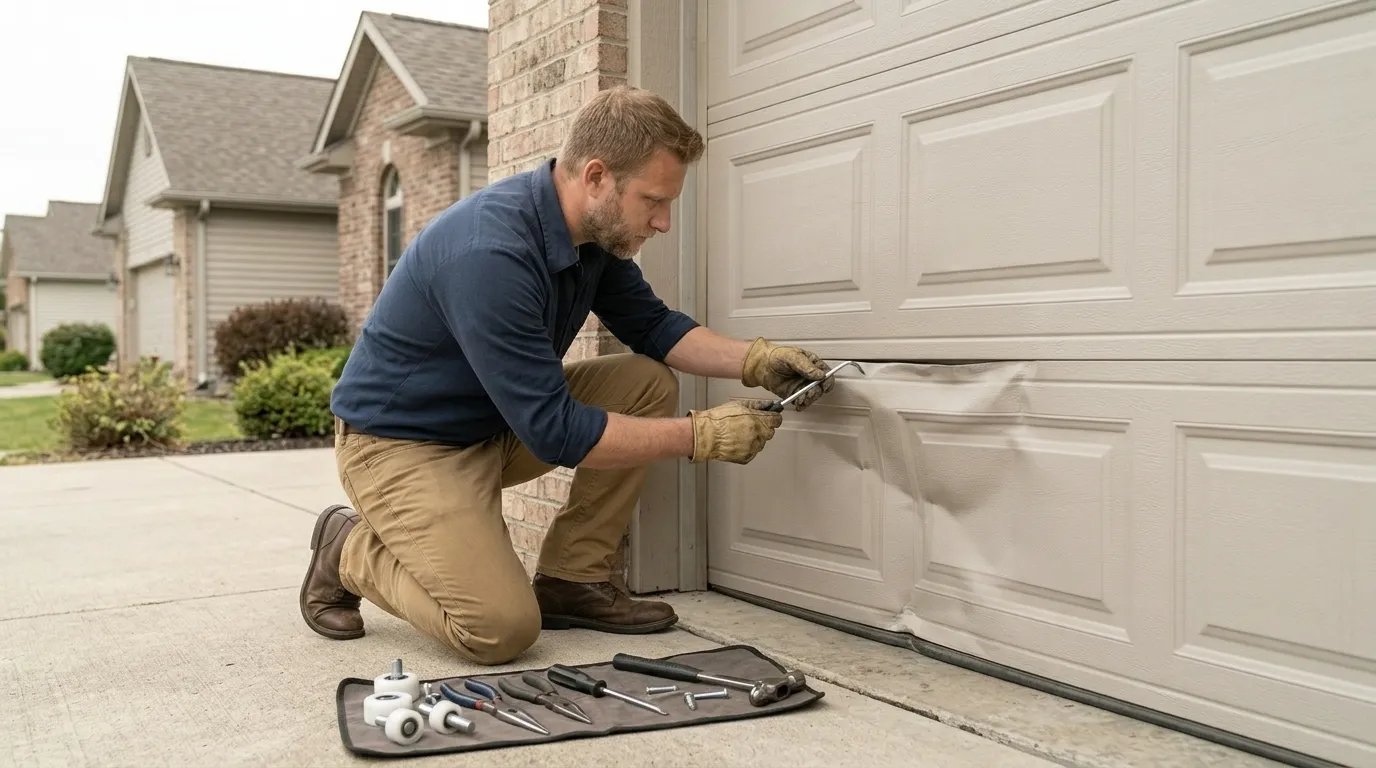
A proper spring swap on a door this age starts with measuring the existing wire size, coil diameter, and wind direction, not guessing from a chart. If the drums or shaft show wear consistent with an older stamped-steel track system, we replace those too rather than bolt new springs onto tired hardware. Rollers get checked for the flat spots that come from decades of use, and the cable is inspected end to end, not just at the drum.
We don't stock every obsolete part on the truck. If a door needs a spring size that hasn't been common since the 1960s, that's a special order, and we'll tell you the lead time up front rather than promise same-day parts we don't have. That's the honest limit here: some of this housing stock needs hardware nobody keeps on a shelf anymore.
Why This Fails Locally
None of this is generic wear. It's tied to when this part of town was built. A 1957 median build year means a meaningful share of these garages were framed before torsion-spring doors were standard at all, and some still carry retrofit hardware from whenever the original extension-spring setup got swapped out. That retrofit work varies house to house, which is why a spring that fits a neighbor's door three streets over doesn't always fit yours.
Across the roughly 27,495 households in this part of the service area, incomes run lower than the wider Rochester Hills service area average, which we mention only because it shapes a real decision: repair versus replace. At a median household income around $72,693 here, a full door replacement isn't always the first move, and it shouldn't be if the track and hardware can be brought back to spec instead. We'll tell you honestly when a repair holds up and when it's just delaying the same call.
How to Book
We run this call from Rochester Hills, about 18 miles out, so we schedule St. Clair Shores visits by route rather than promising an on-demand same-hour arrival. Tell us the door's approximate age and whether it's a one-spring or two-spring setup when you call, and we'll bring the right stock spring sizes with us rather than making a second trip. For a broader look at what we cover from the Rochester Hills side, see our main service page, and for other towns near St. Clair Shores we reach, check nearby coverage.