The DIY Question
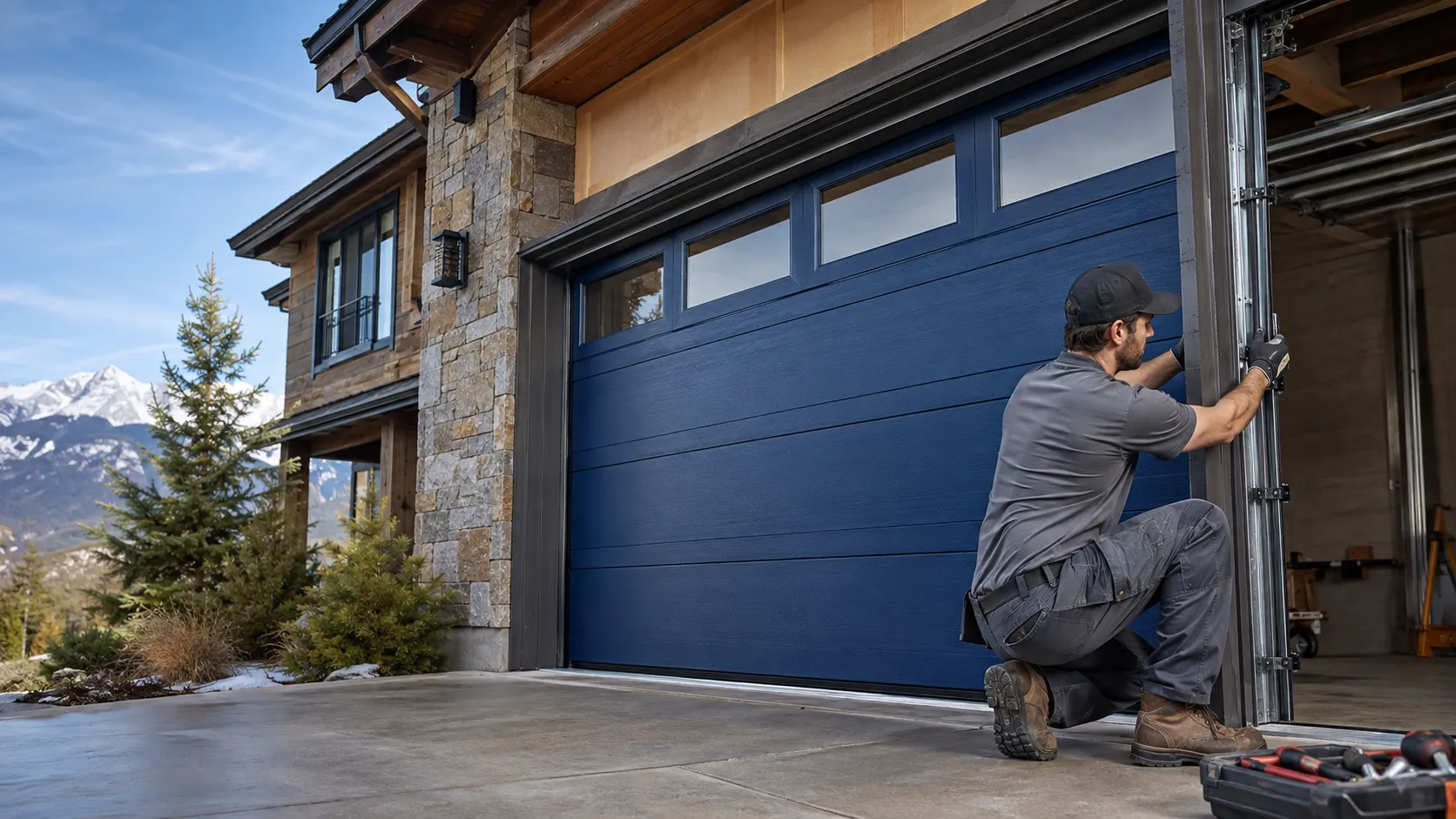
The median home in St. Clair Shores went up around 1957, and a lot of the framing behind that opening has never been touched. That's the number that matters more than anything else on this page: if your house is anywhere near that build year, the jamb, the header, and the track brackets are original, sized for a door and a spring system that hasn't been made in decades. Swapping panels yourself on a newer house with modern rough openings is one thing. Doing it on a frame that's pushing seventy years old, with settling, old fasteners, and header lumber that was never rated for today's insulated steel doors, is a different job. You can order a door online and watch a video. You cannot see the shim gap that's grown behind the trim, or know whether the header will hold a heavier section without new blocking. We'll tell you straight if a DIY kit will fit your opening as-is, and just as often we won't, because it won't.'
What the Repair Takes
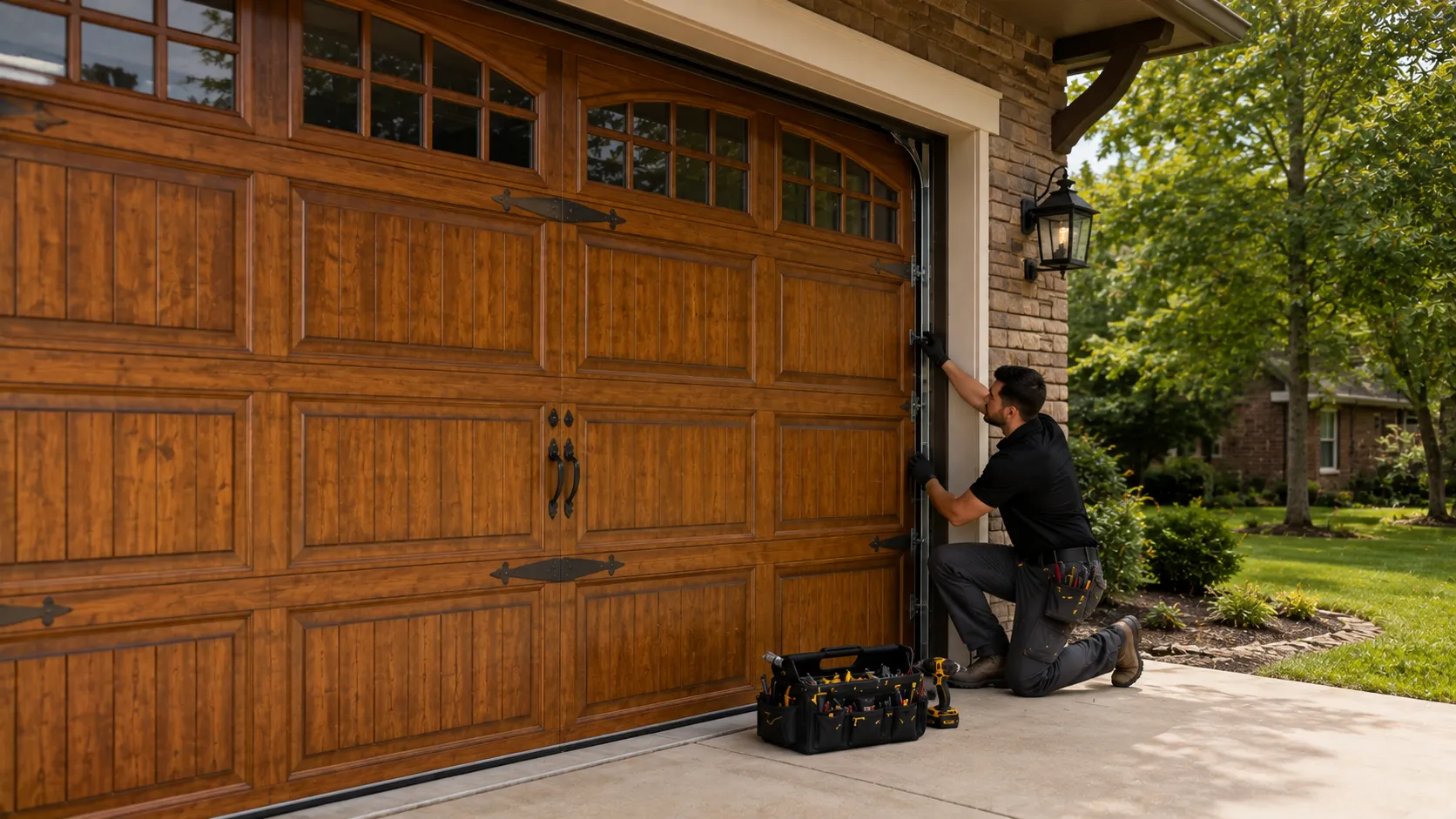
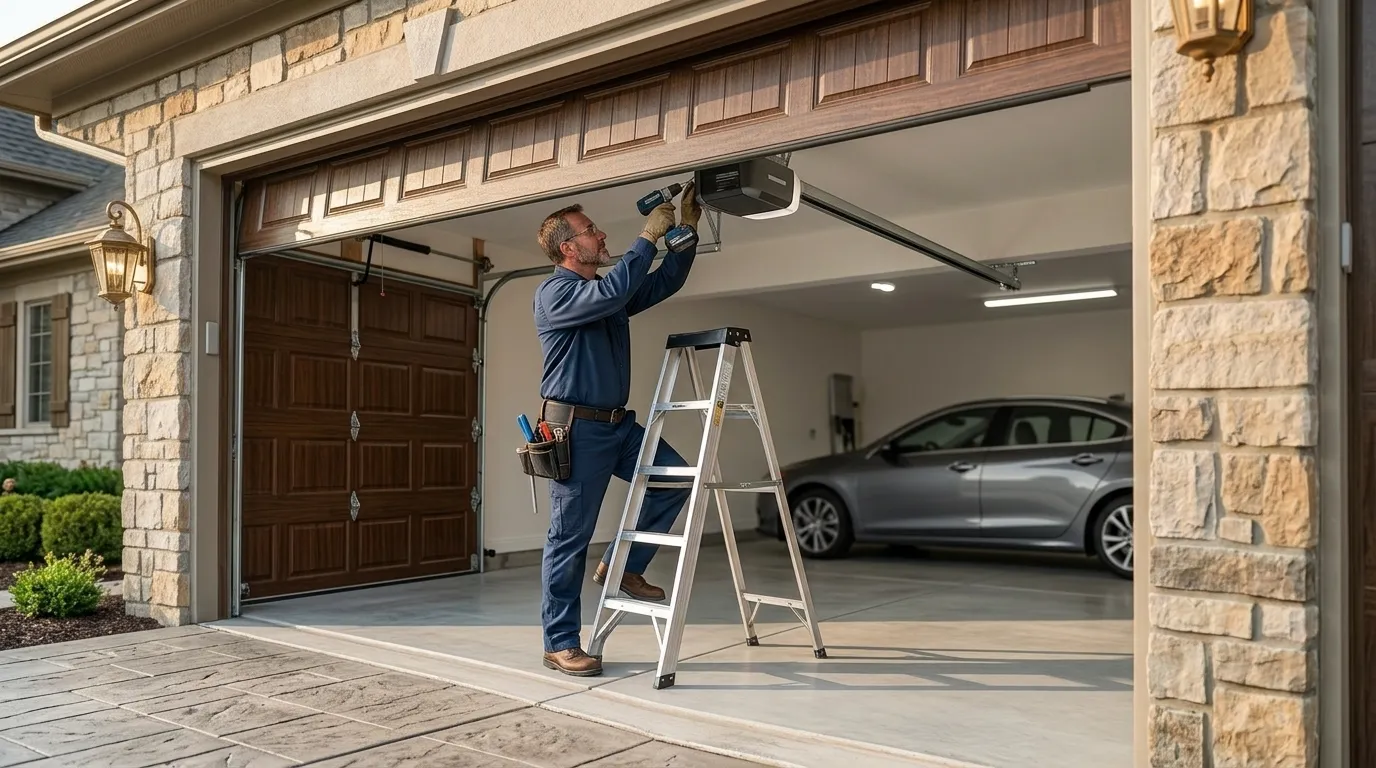
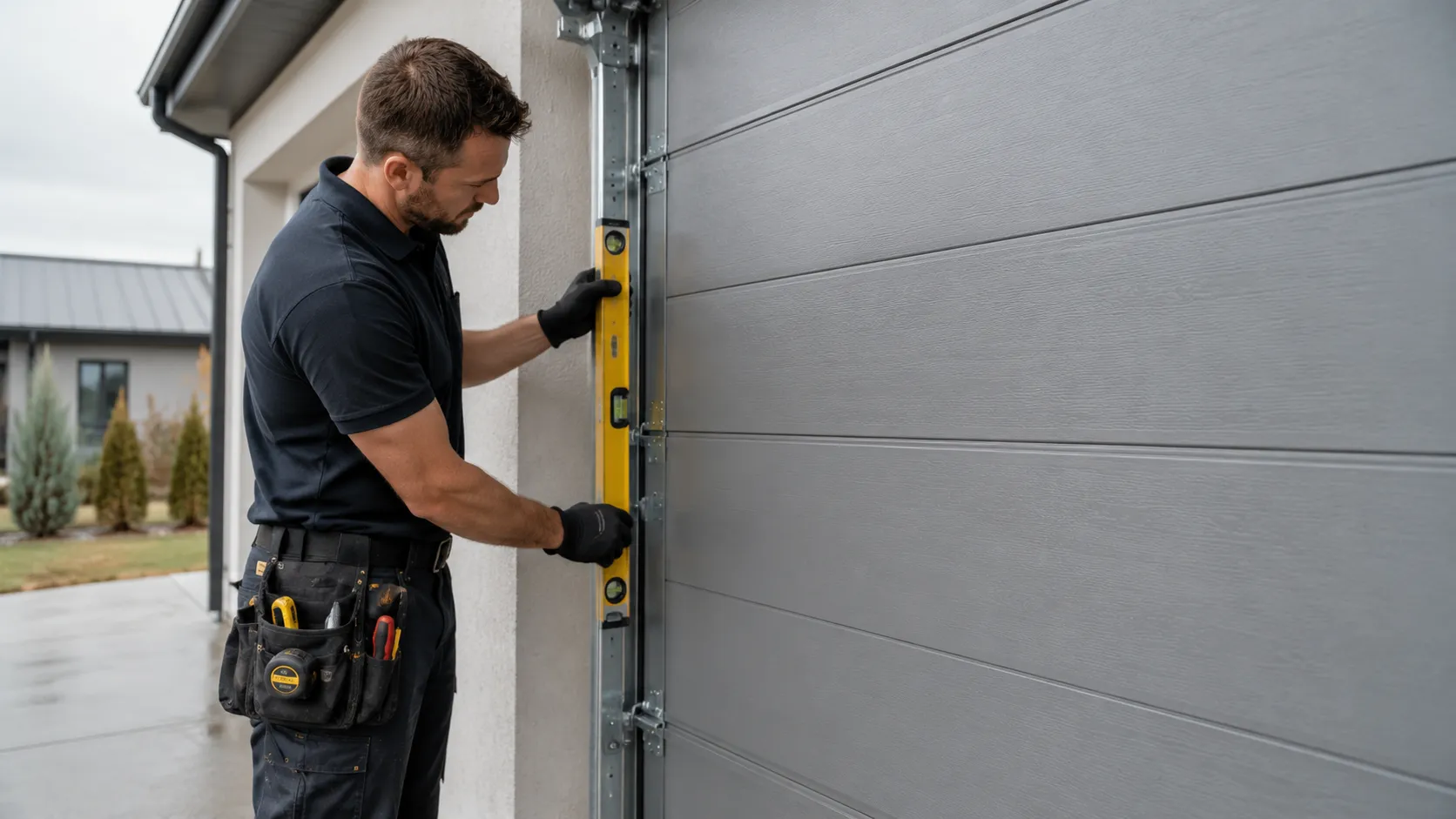
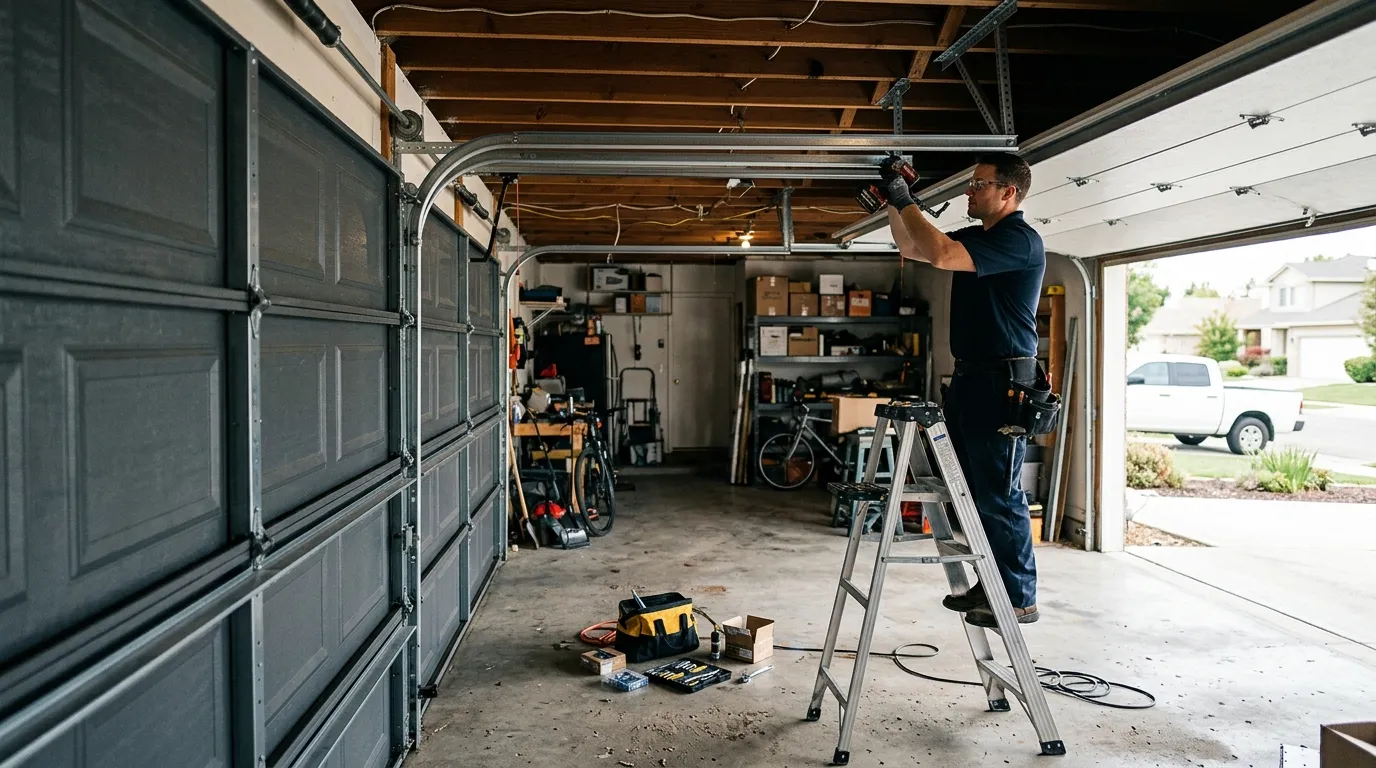
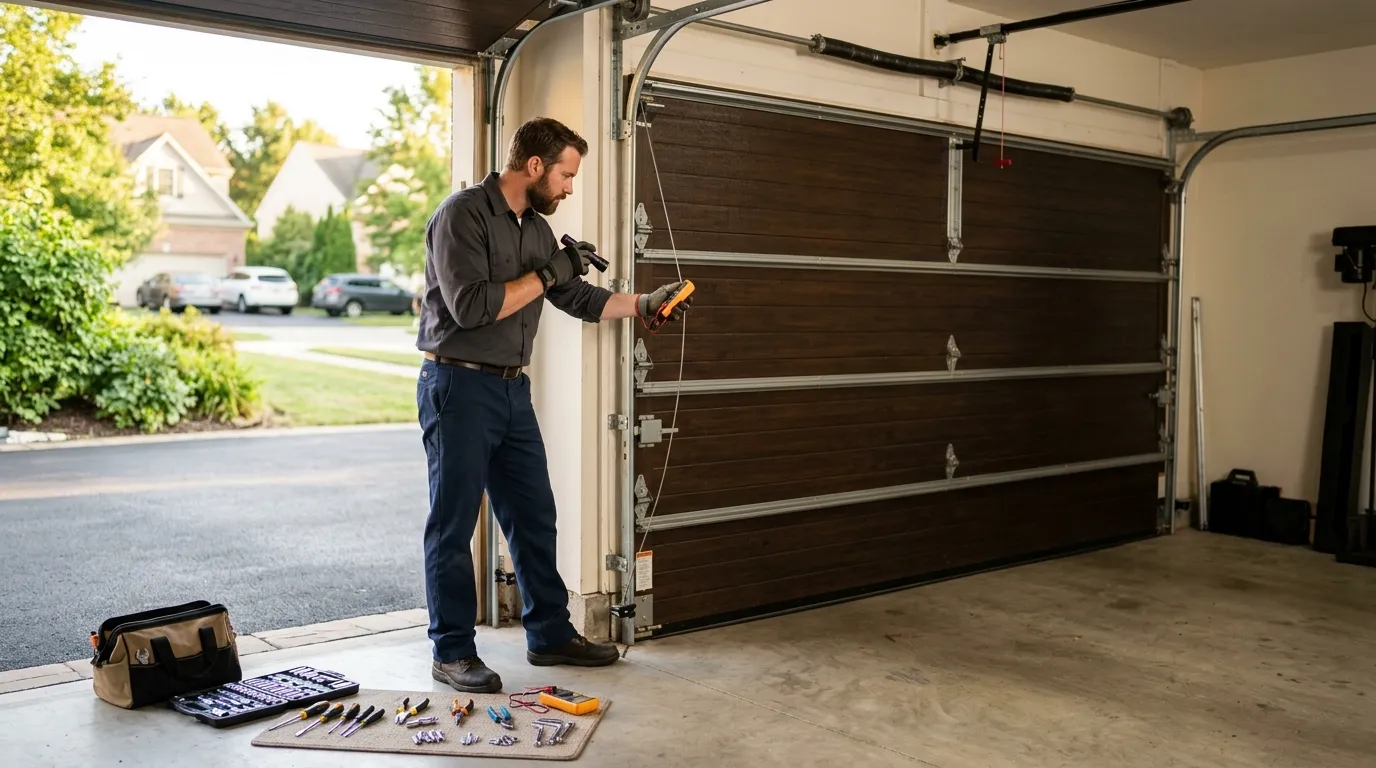
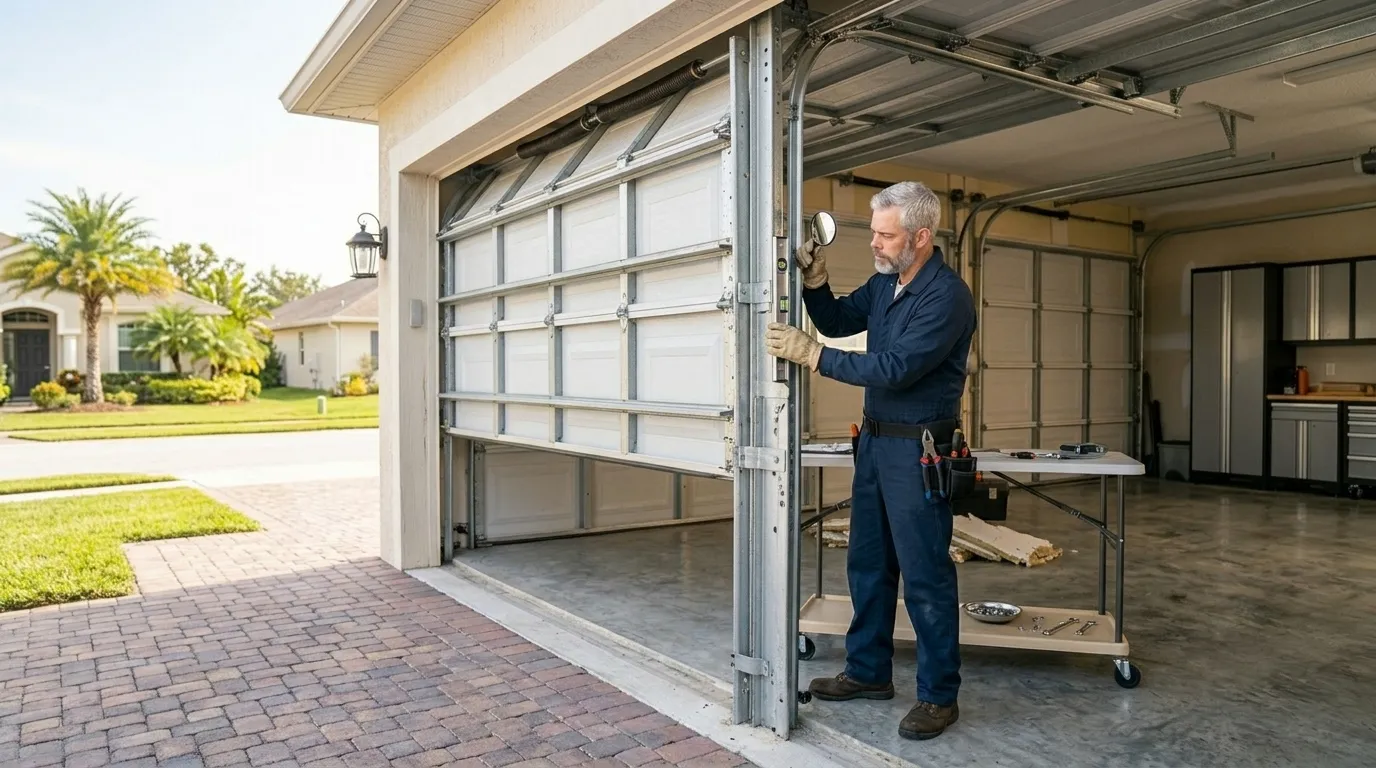
A proper install on housing stock this old starts with the opening, not the door. We measure actual jamb-to-jamb and head height against the new unit's specs, because a 1950s rough opening rarely matches a modern one exactly. Where the header or side jambs have shifted or rotted at the base, that gets addressed before the door goes in, not papered over with extra shims. Track and spring sizing follows the door weight and your ceiling height, and on older garages the vertical track often needs new brackets rather than reused ones, since the original screws have loosened over the years. We size the torsion spring for the specific door, not a generic weight class, because an undersized spring on a heavier insulated door just means a callback in a year. None of this is exotic work. It's careful measurement on a house that was built before any of the current door standards existed, and skipping that step is where most installs go wrong.
Why This Fails Locally
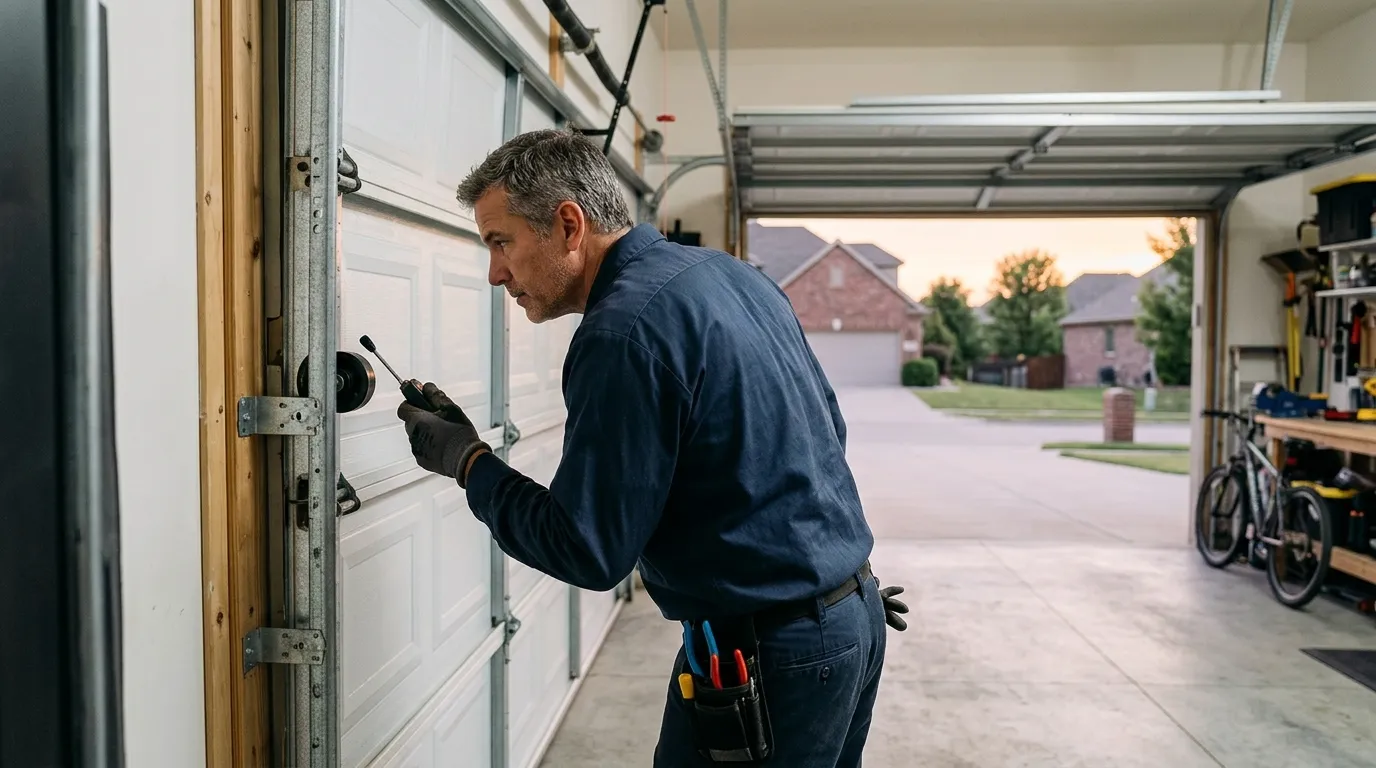
St. Clair Shores sits in a severe cold climate zone, and a garage door here does more than close an opening - it's the largest moving barrier on a house that has to handle real winter load. On a 1950s-era home, the original door was almost never insulated to a standard that holds up against sustained cold, and the seals on hardware that old have usually hardened past the point of doing their job. That combination - old framing plus a door never built for this climate - is why a straight panel swap without addressing insulation and seal fit tends to fail again within a season or two, usually as air infiltration or a track that stiffens and binds in freezing temperatures. We travel out from Rochester Hills for this work, about 18 miles each way, so we plan the visit around getting the whole job - opening check, door, and seal - done in one trip rather than coming back to fix what a rushed install missed.
How to Book
If you're looking at a new install, tell us the age of the house and, if you know it, whether the garage has been touched since it was built - that's usually enough for us to know what we're walking into before we arrive. We work from Rochester Hills, so we schedule St. Clair Shores jobs on a route rather than same-day drop-ins, and we'll be upfront about what that means for timing when you call. See our St. Clair Shores service page for what else we cover out this way, and if you're comparing this to a straight repair rather than a full replacement, our Rochester Hills installation page covers the base service in more detail.