Why This Fails Locally
Birmingham's housing stock centers on 1960, right in the middle of the 1938-2002 range we see across this whole service area. That means a lot of these garages still carry their original steel or wood-panel doors, sized for the single and double bays builders were framing back then - narrower openings than what goes into new construction now, with torsion springs sized to match a lighter door than today's insulated steel.
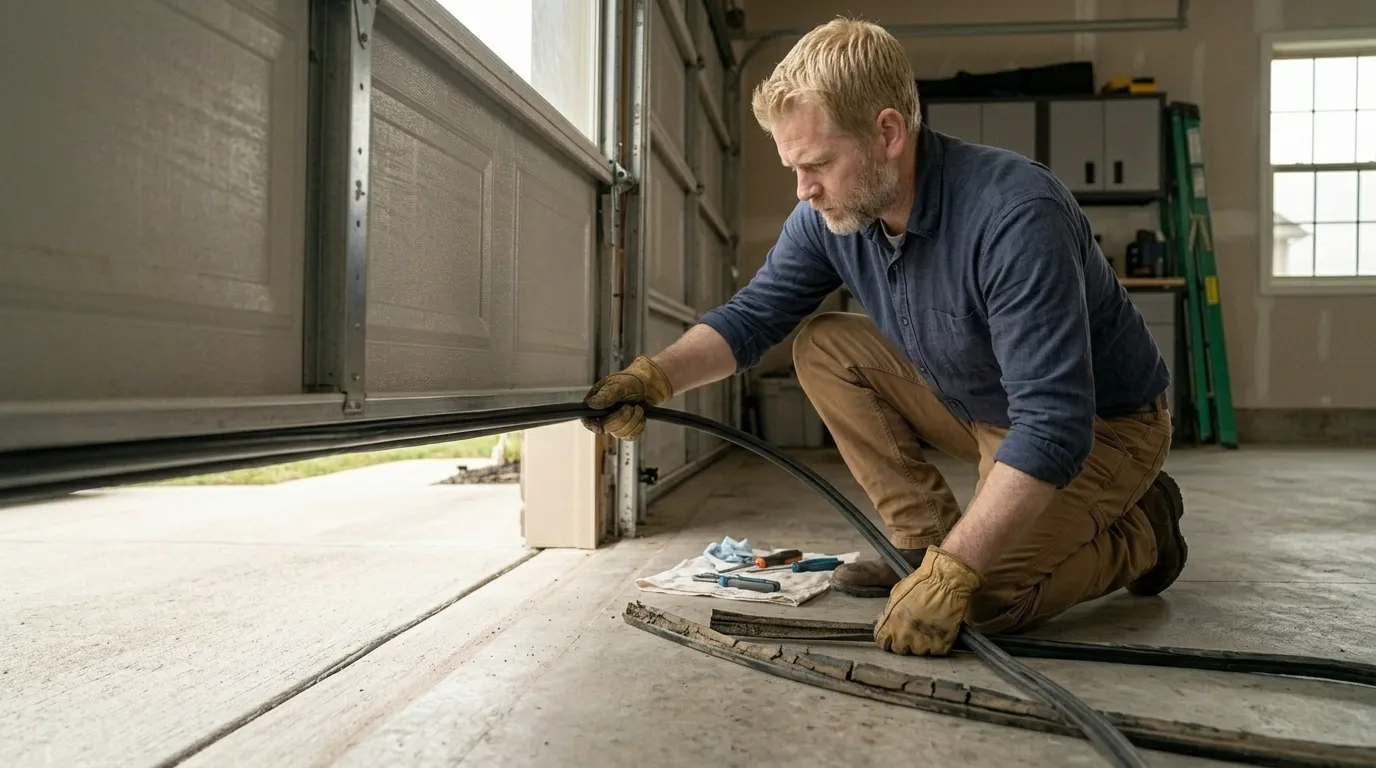
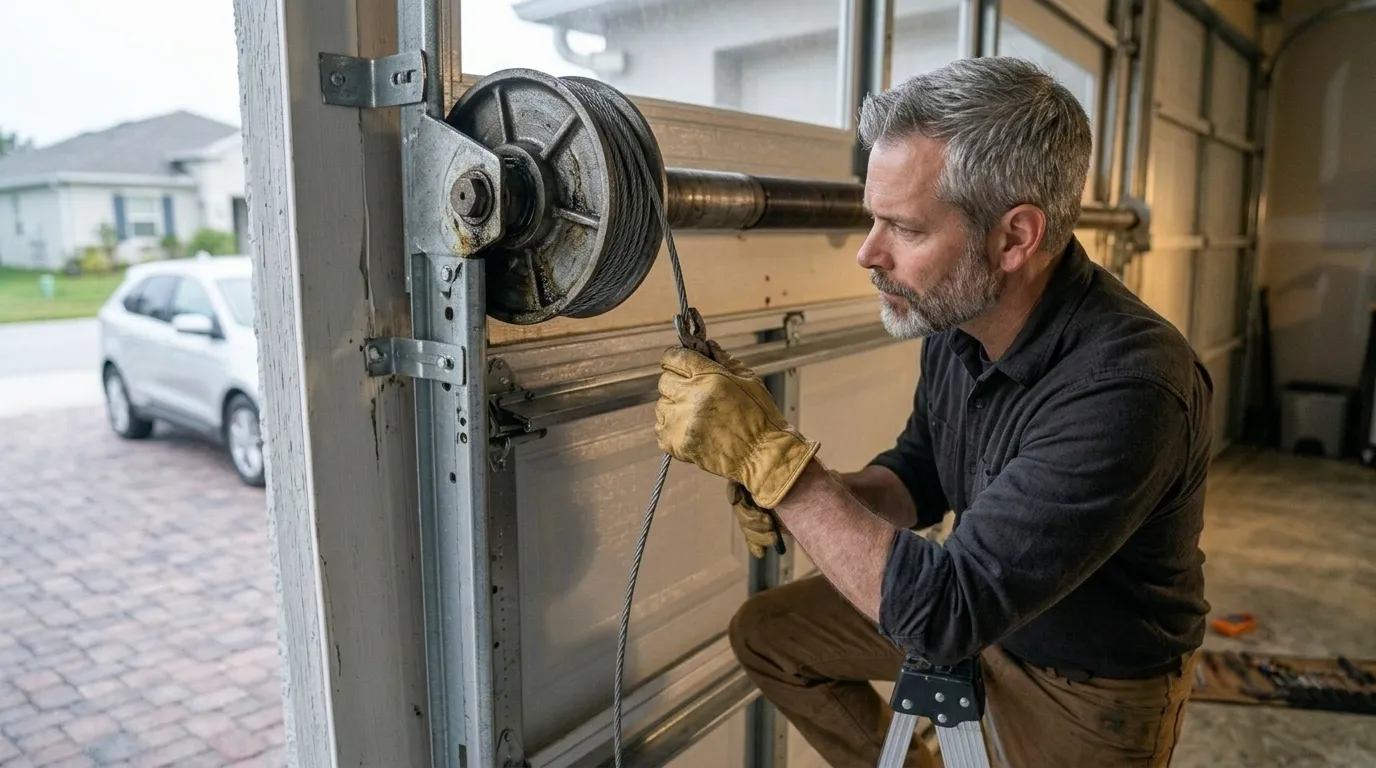
That matters because when a spring on one of these doors finally lets go, it's usually not a like-for-like part on the shelf. The drums, the shaft diameter, the winding cones - they were built to a spec that changed more than once since 1960. A cable frays on original rollers and jumps the track because the hardware has 60-plus years of small wear nobody replaced piece by piece.
Add the climate: this area sits in a severe cold band, and steel contracts, grease stiffens, and a marginal spring or cable that was fine in September lets go on the first hard freeze. That's the combination we see out here - older doors, older hardware, and cold that finds the weak point.
The DIY Question
If a cable has jumped the drum or a spring has snapped, the door is under load even sitting still, and that's not a job to open up yourself. Torsion springs on a door this age can be wound tighter than a newer counterpart because of how the hardware was matched originally, and a slipped winding bar under that tension is how people get hurt.
What you can safely check first: whether the opener itself is dead versus the door being physically stuck. Pull the manual release cord and try to lift the door by hand. If it's heavy, uneven, or won't move, that's spring or cable, and it waits for a tech. If it lifts smooth and stays up on its own, the opener or its wiring is the more likely culprit, and that's a lower-stakes fix.
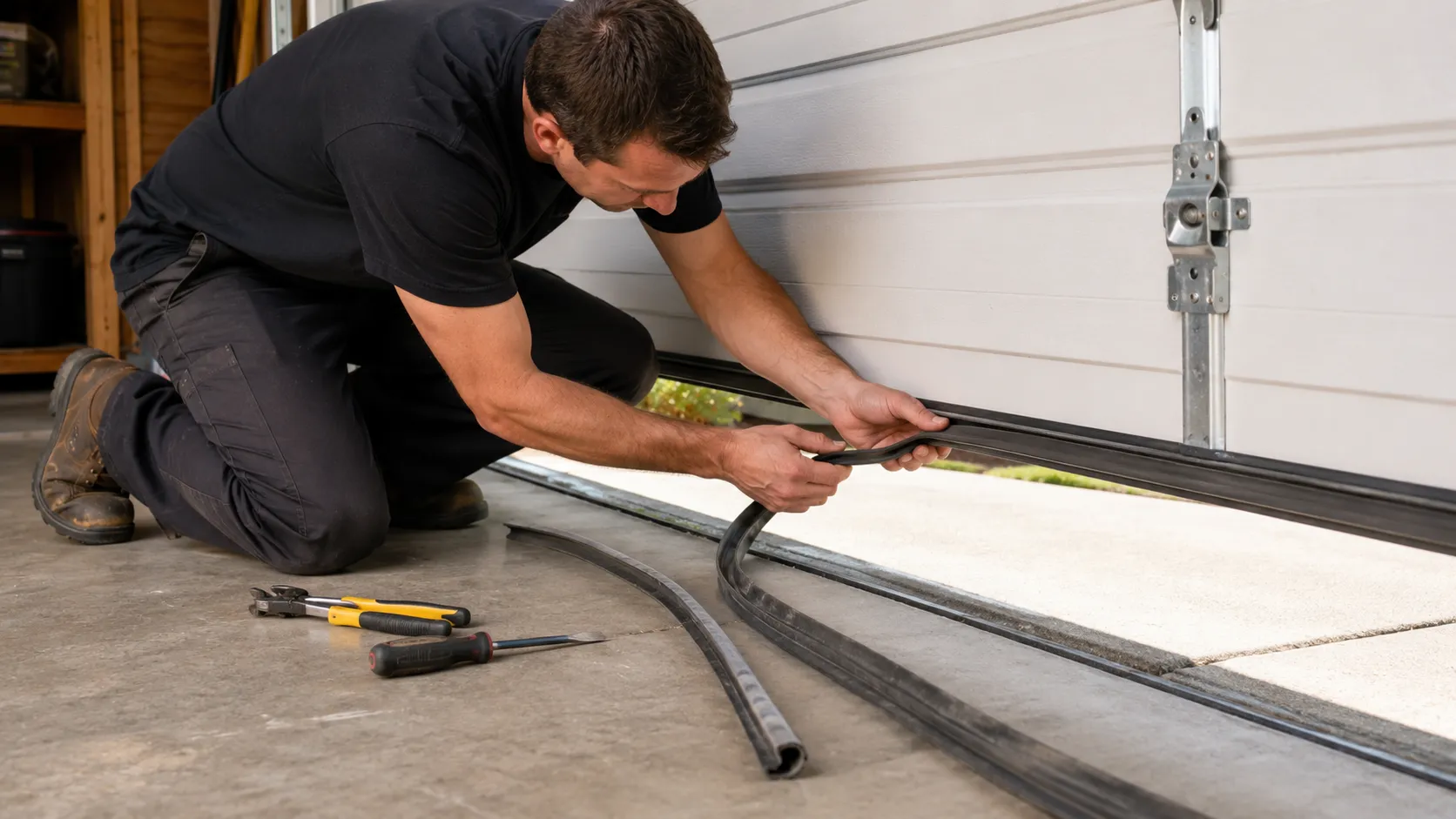
One honest limit: we don't stock every obsolete part for a 1960-era track system on the truck. Some of these openings used hardware sizes that aren't made anymore, and if yours is one of them, replacement of that section beats trying to force a modern part onto an old frame.
What You Pay
Birmingham's median household income sits at $153,125, well above the $84,862 median across the broader service area, and that gap shows up in what people are willing to spend on doing a repair right the first time rather than patching it. We're not pricing by zip code - parts and labor cost what they cost - but we see fewer requests here for the cheapest possible stopgap fix and more for replacing worn hardware across the board while the door is already open.
With 9,326 households in Birmingham, the volume of original-era doors still in service is smaller than in some of the larger surrounding communities, which means when one of these older systems fails, it's often the first time that specific door has needed real work since it was installed.
We don't post a flat price list here because spring size, drum type, and whether the track needs straightening all move the number. Ask for a quote before the truck leaves the yard, not after.
What Is on the Truck
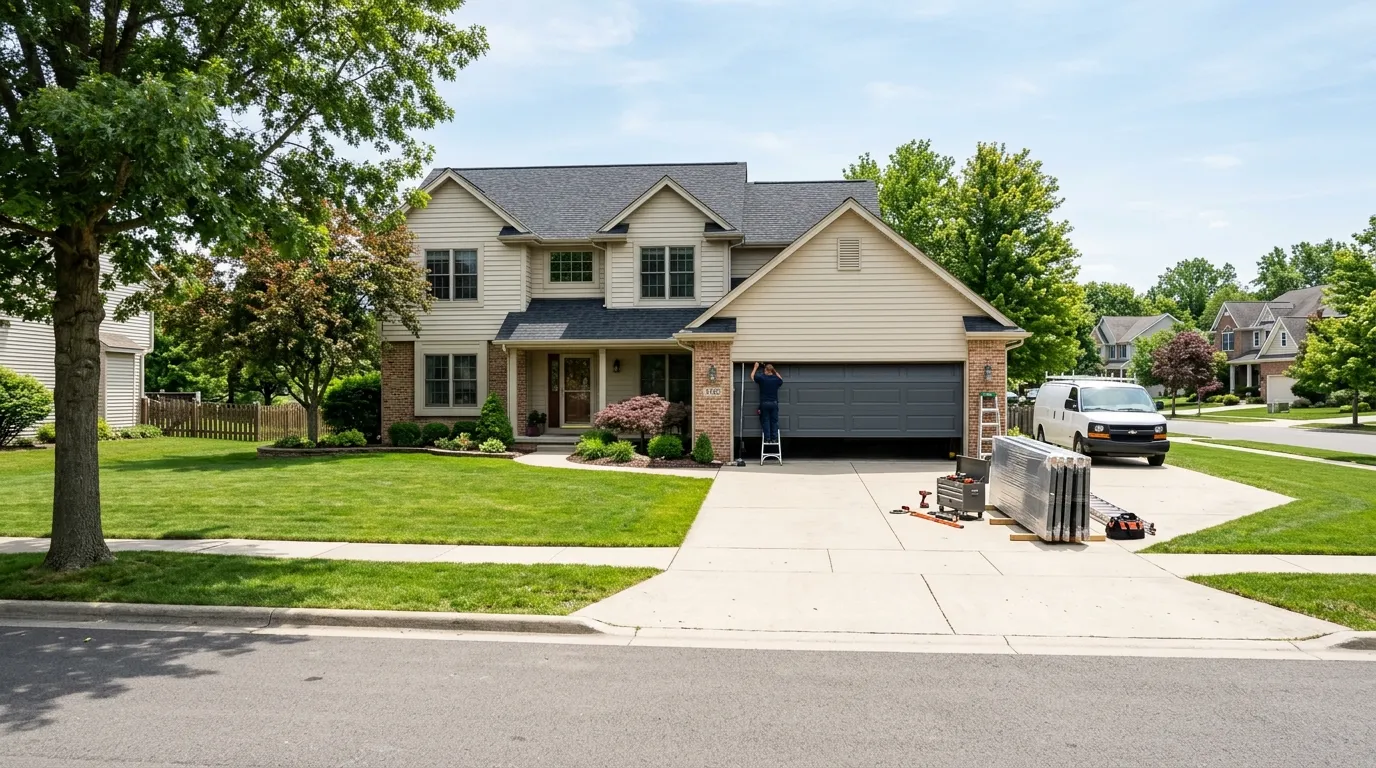
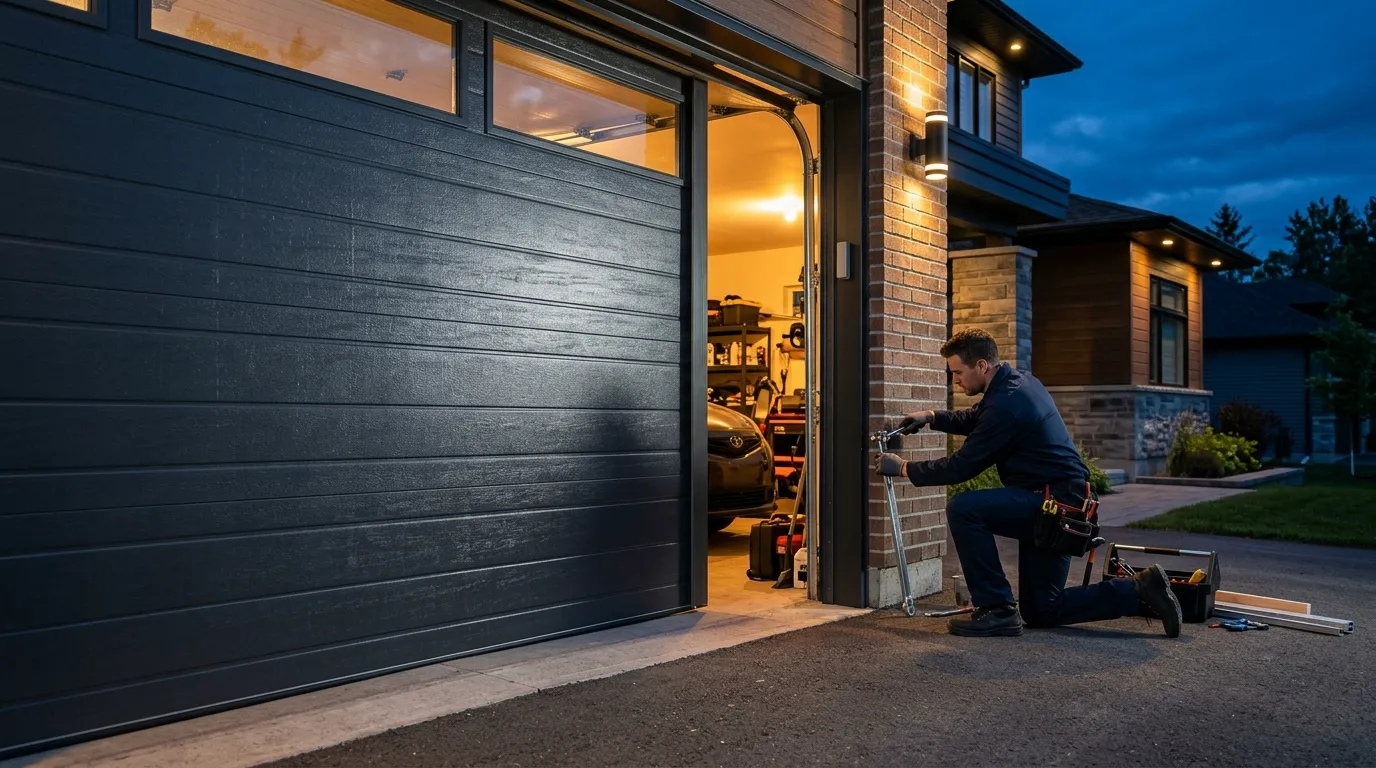
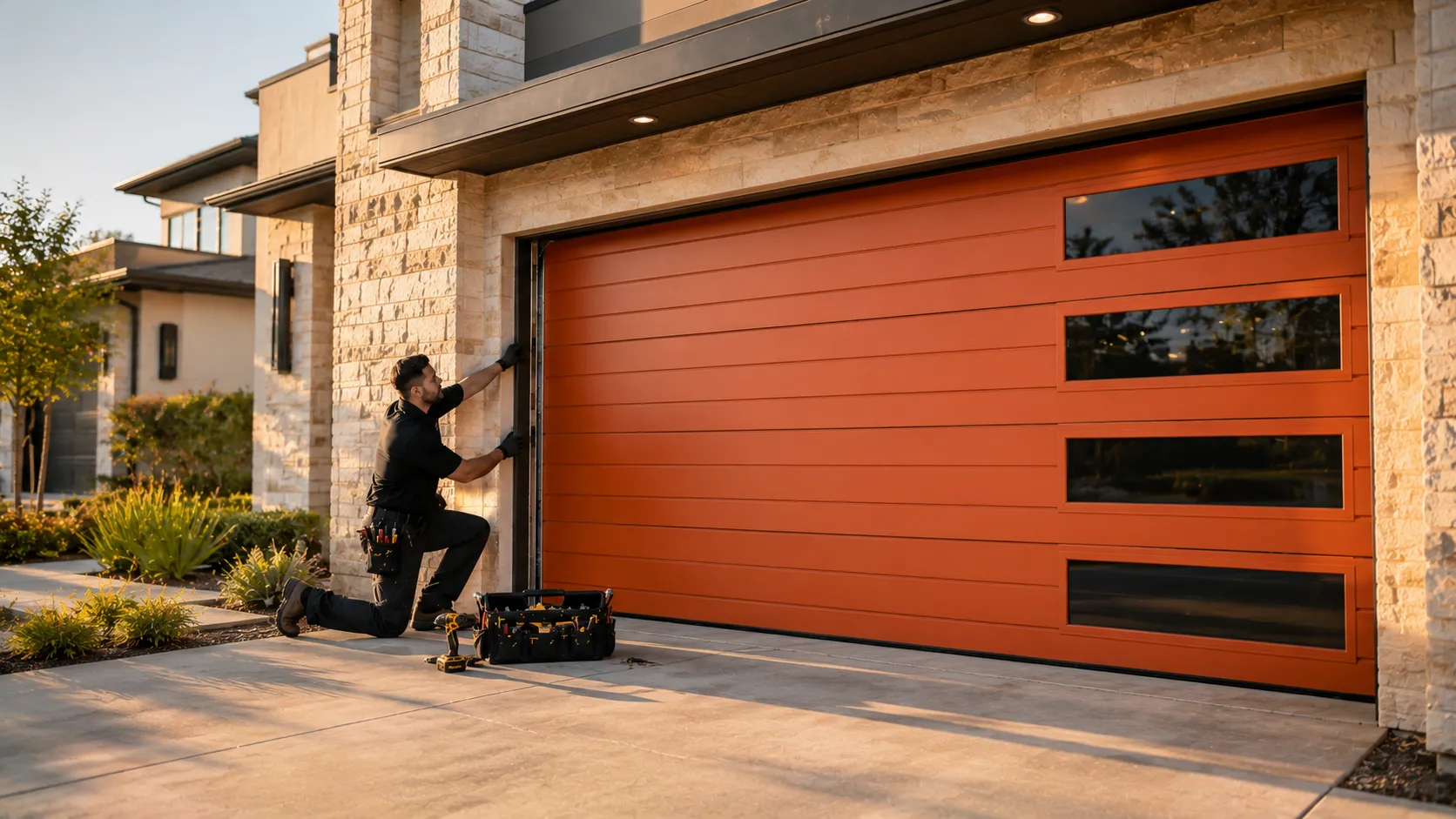
For a call in Birmingham, the truck carries torsion springs across the common sizes that match doors from the 1938-2002 build range, standard-lift cables, and rollers in both nylon and steel. We also carry the winding bars and clamps that a spring job actually requires - not a drill and a prayer.
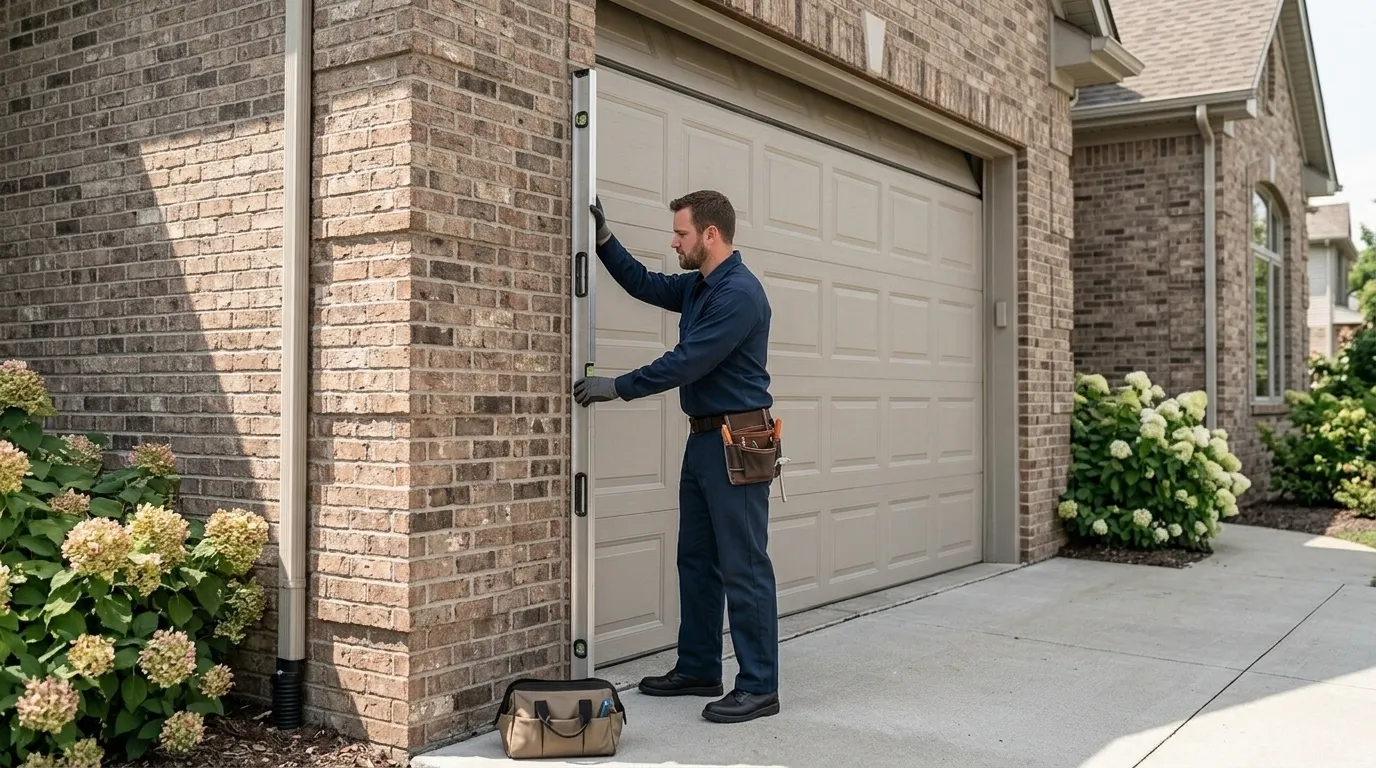
What's harder to guarantee is an exact hardware match for a door untouched since 1960. If the drum size or shaft diameter is a discontinued spec, the tech will tell you on site whether it's a same-day fix or whether the section needs ordering. That's the one place a same-visit repair can turn into a return trip, and we'd rather say that up front than pretend every part fits every door.
Opener boards, remotes, and photo-eye sensors round out the rest of the stock, since a dead opener call is as common out here as a broken spring.