Why This Fails Locally
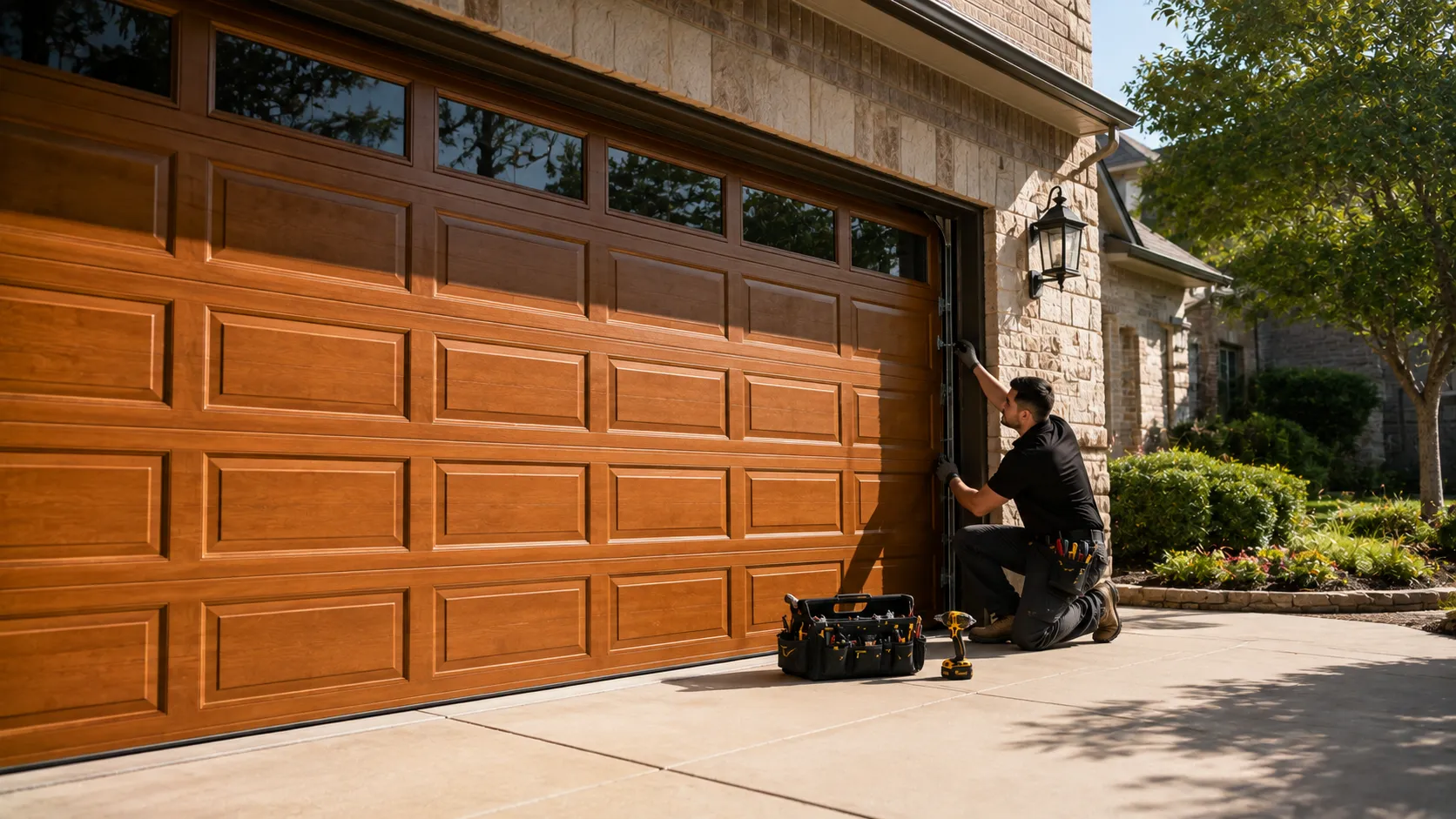
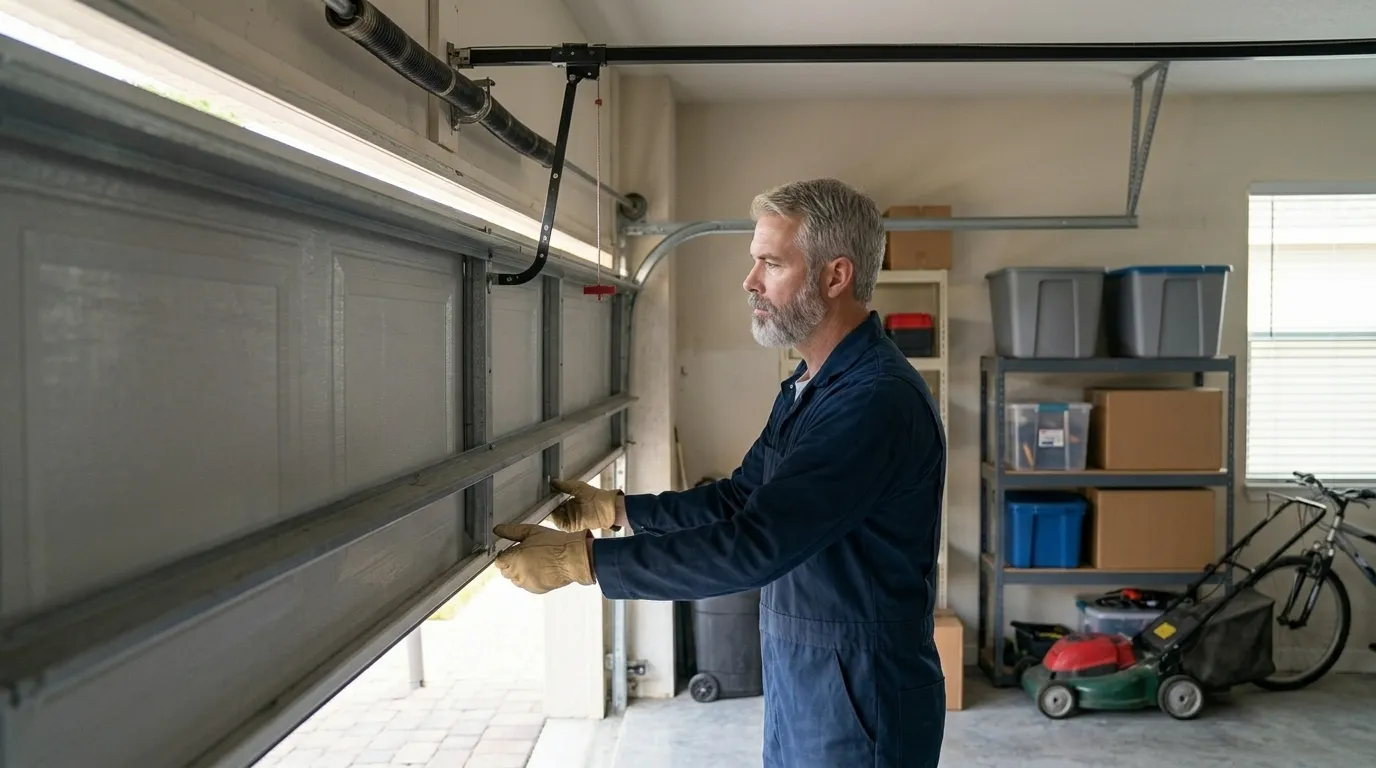
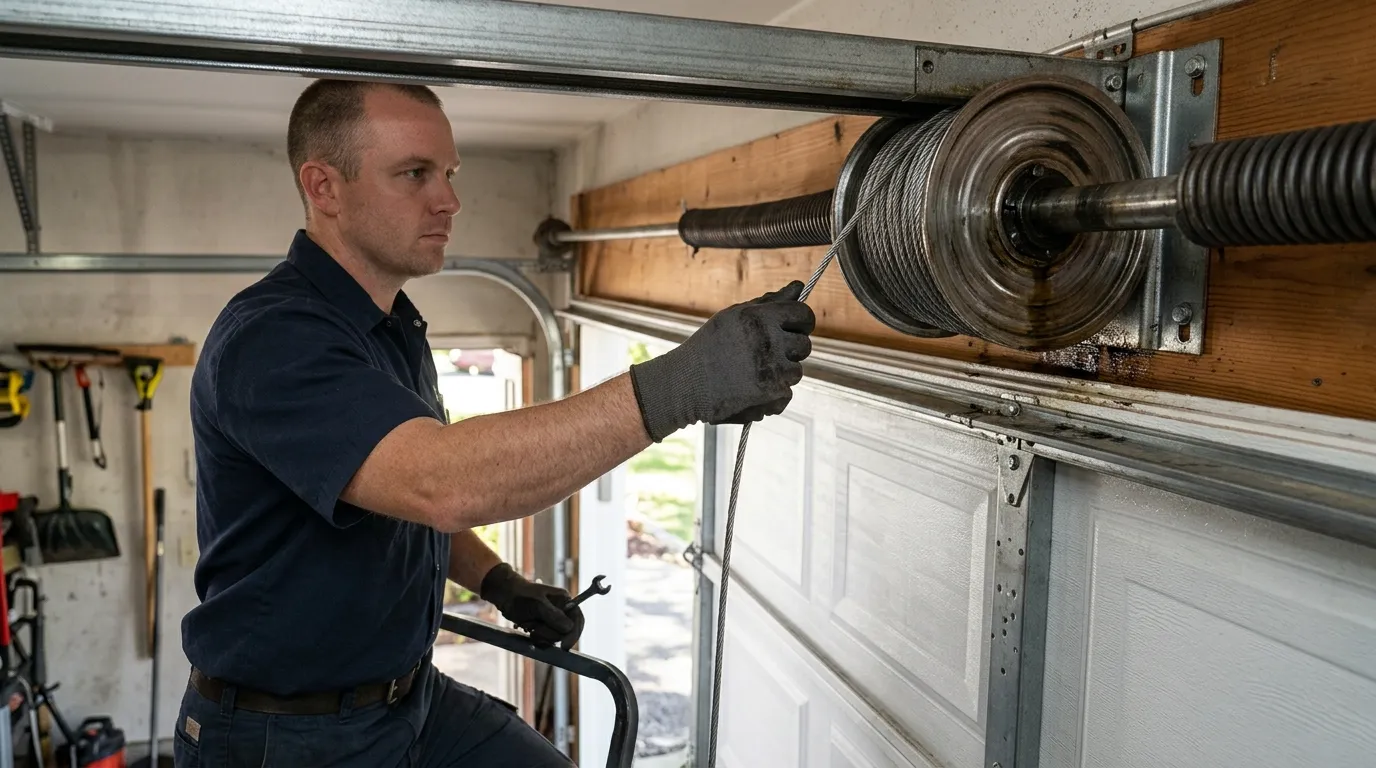
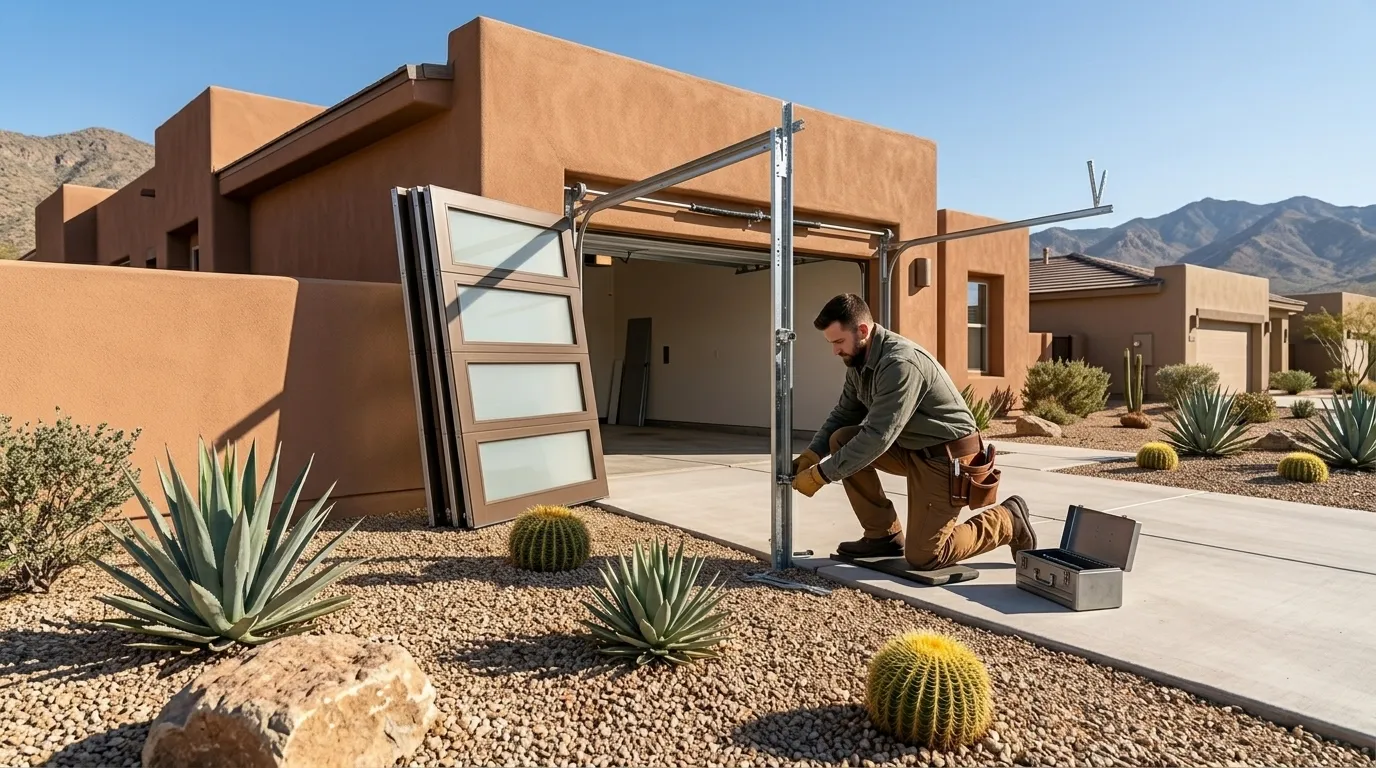
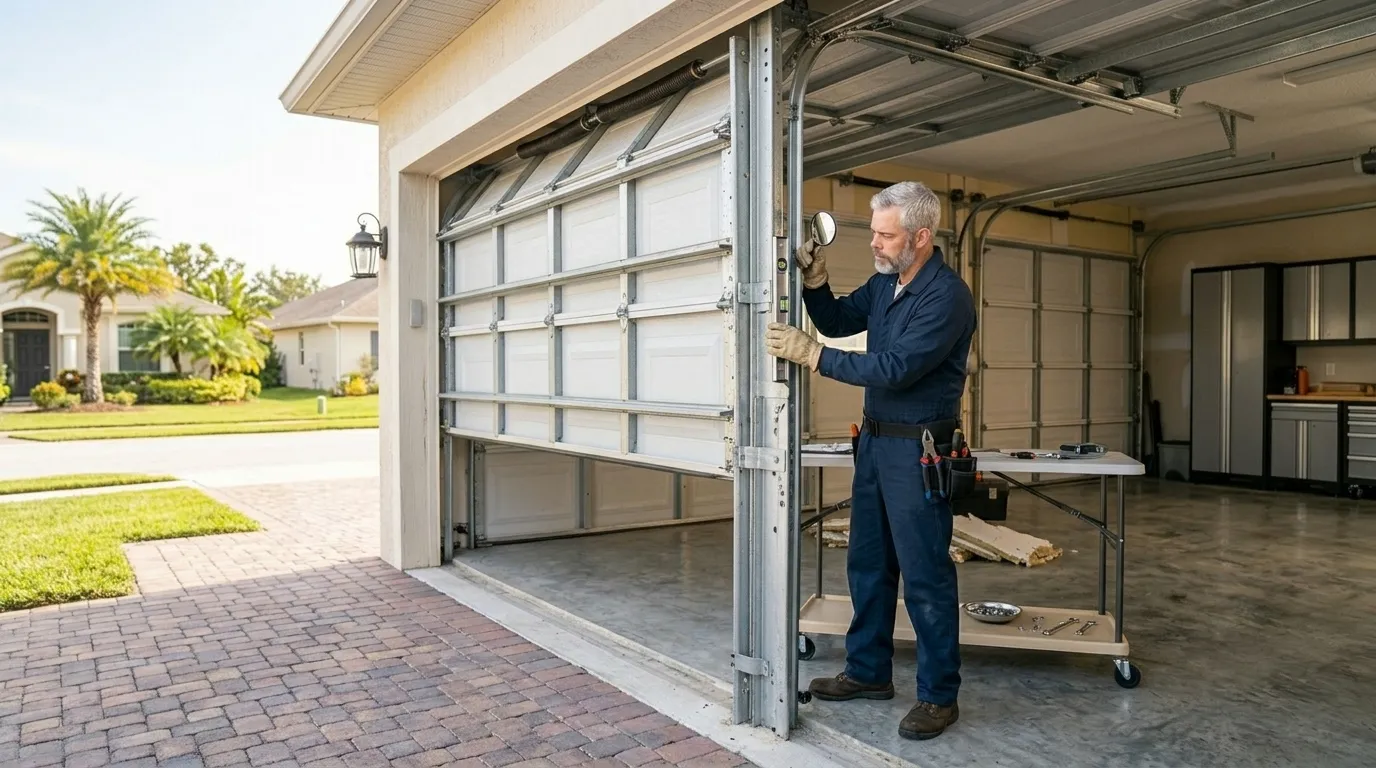
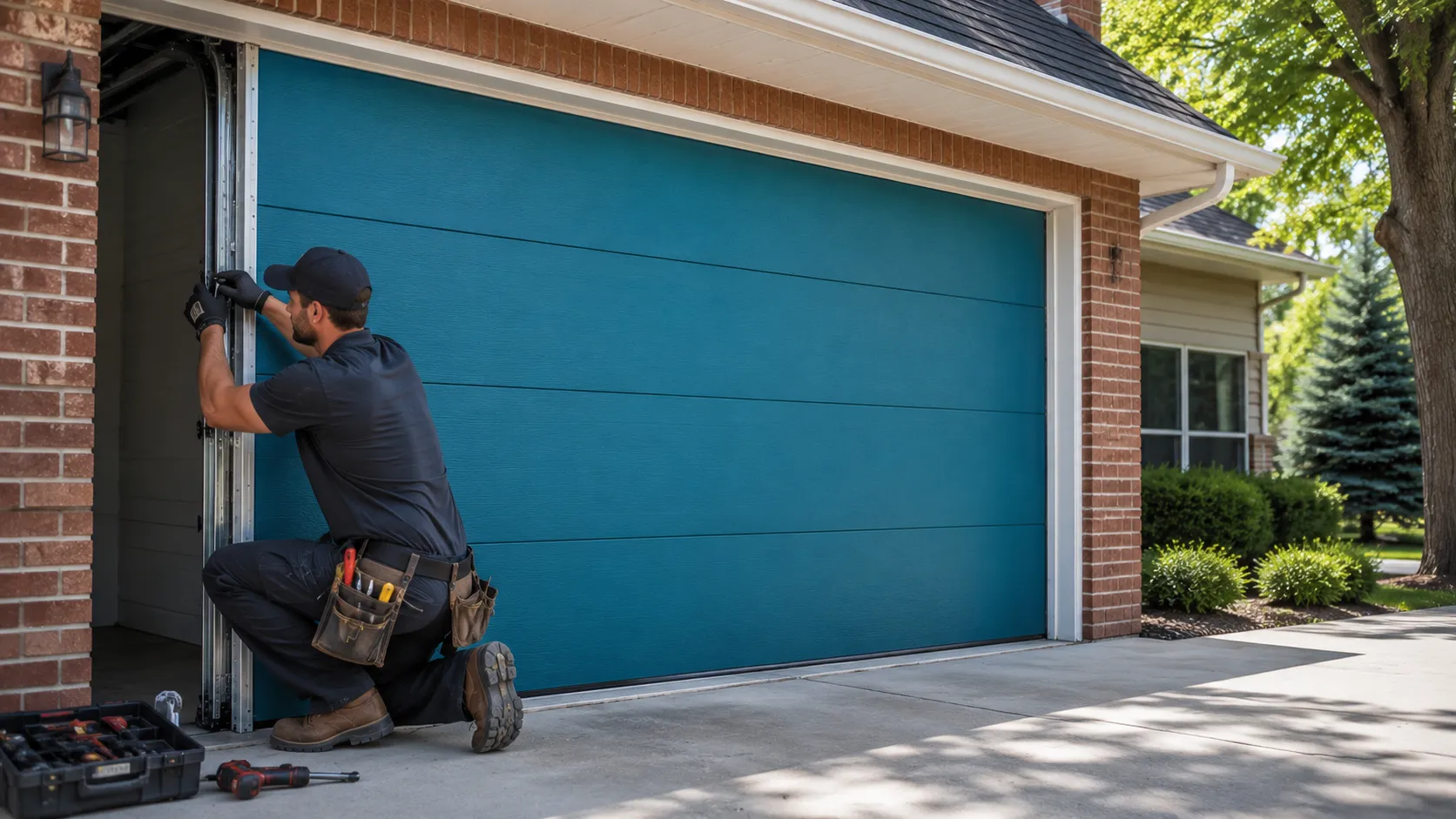
Birmingham's median household income runs $153,125, well above the wider service area's $84,862, and that number changes the math on every repair call before a technician even opens the door. At that income level, a lot of homeowners default to "just replace it" the moment something breaks, which is often the wrong call. Most houses in this part of the service area went up around 1960, the same era as the rest of the territory, so the doors and hardware failing now are the original torsion setups or their first replacement generation from decades back. A cable that's frayed, a bearing plate that's worn oval, or a spring that's lost tension isn't a sign the whole door is done - it's a sign the door is exactly as old as the house. The failure pattern here is mechanical fatigue on hardware that was built to last twenty years and has done fifty. Swapping a working section, spring, or opener for a full teardown when the money's there to do it doesn't fix anything faster; it just costs more. The fix that actually matters is diagnosing which single part gave out, not assuming the door has to go because the budget allows it.
The DIY Question
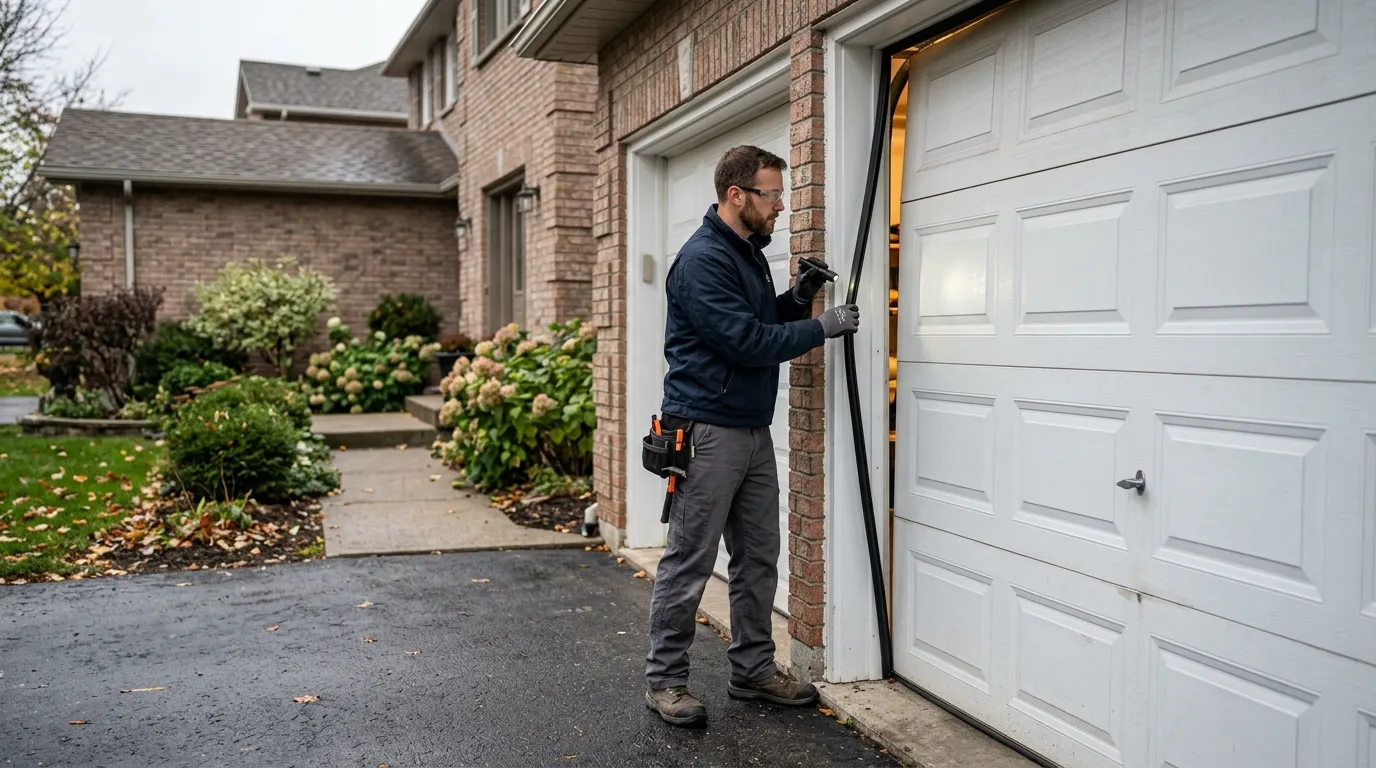
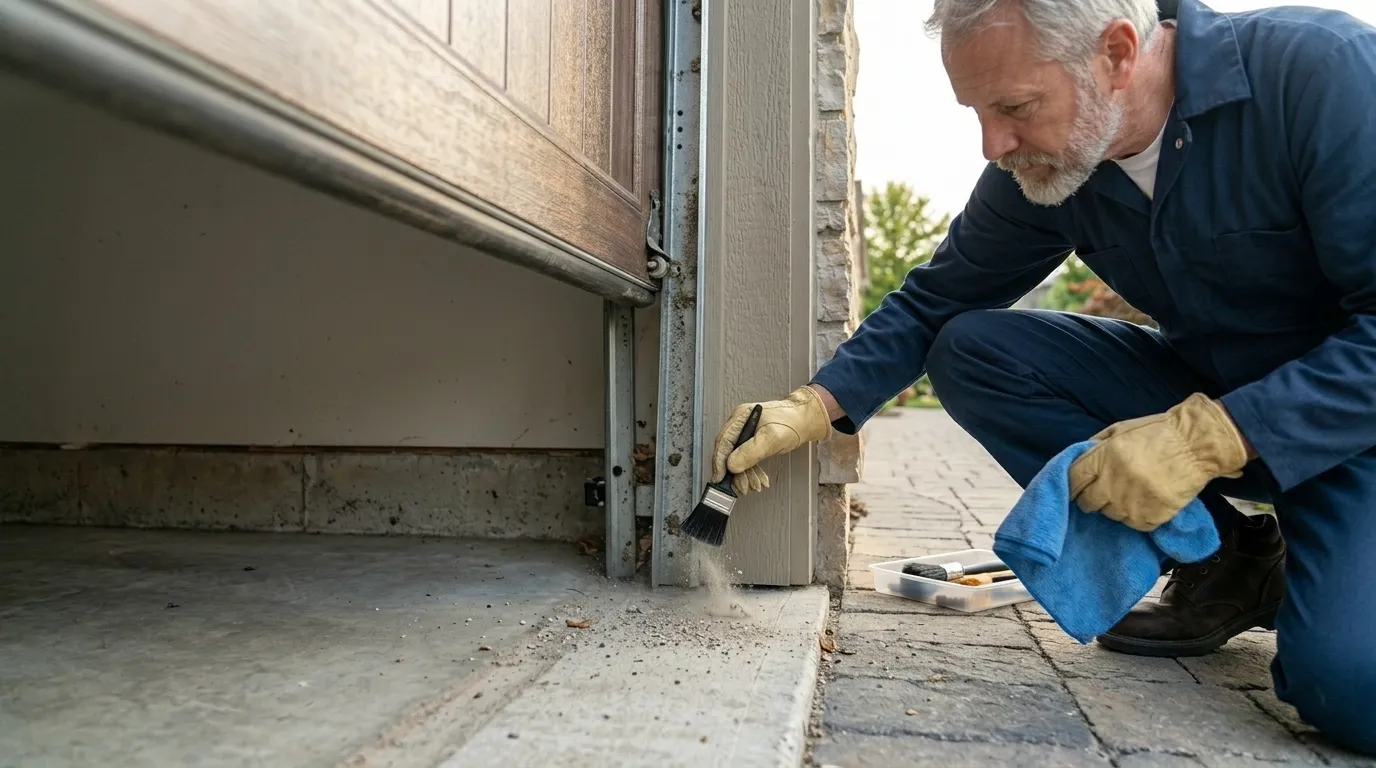
A torsion spring holds enough stored energy to break a finger or worse, and that doesn't change because the house is nicer. If a spring's coiled tight and not moving, leave it alone and call it in. Where DIY makes sense: swapping a worn weatherstrip, tightening loose hinge bolts, lubricating hinges and rollers, or replacing a remote battery. Where it doesn't: torsion springs, cables under tension, or anything involving the bottom bracket. We won't talk anyone through a spring job over the phone - that's not a cost-cutting move we're willing to make on someone else's hand.
What You Pay
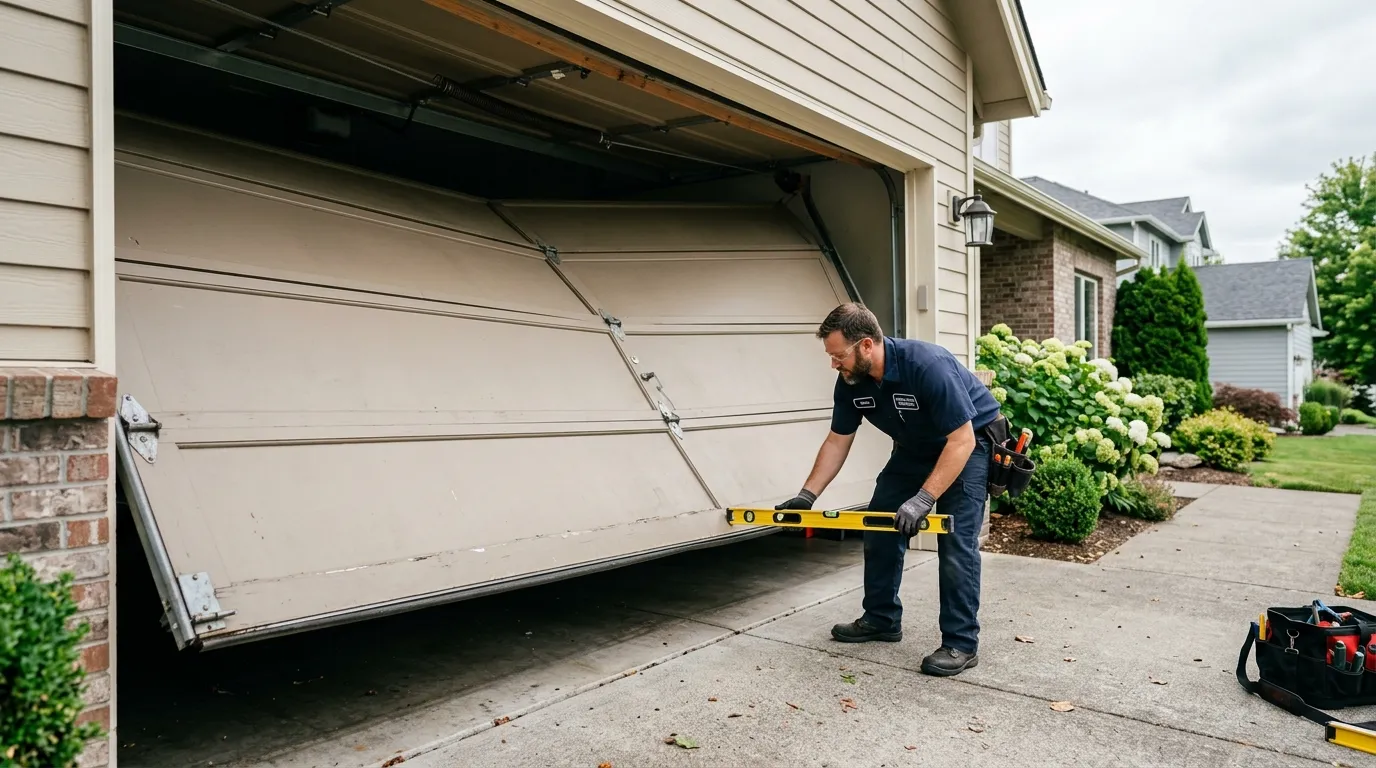
With median income here at $153,125, we get more calls where the homeowner wants the door replaced outright rather than repaired, even when the fix is small. That's a legitimate choice, but it isn't always the right one. A single broken spring or a bent roller is a repair, full stop, regardless of what the budget allows - replacing the whole door for that is money spent on parts that still work. Where replacement earns its keep is a door with multiple failure points at once: a worn-out opener, a track that's rusted from age, and hardware sized for a door style nobody makes anymore. That combination shows up more in this pocket of the service area given the 1960-era housing stock, and at that point patching one thing just means another part fails next season. We'll tell you which situation you're in before we write anything up.
What Is on the Truck
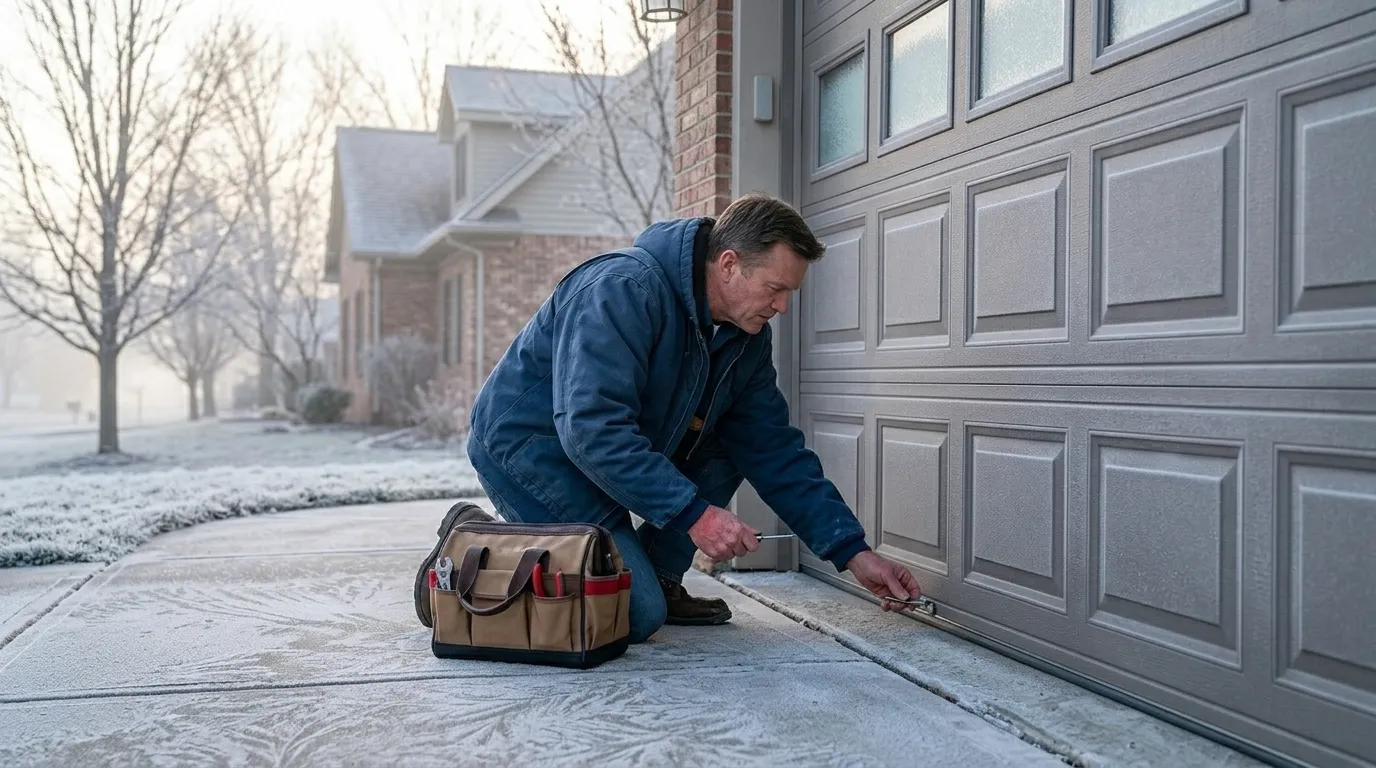
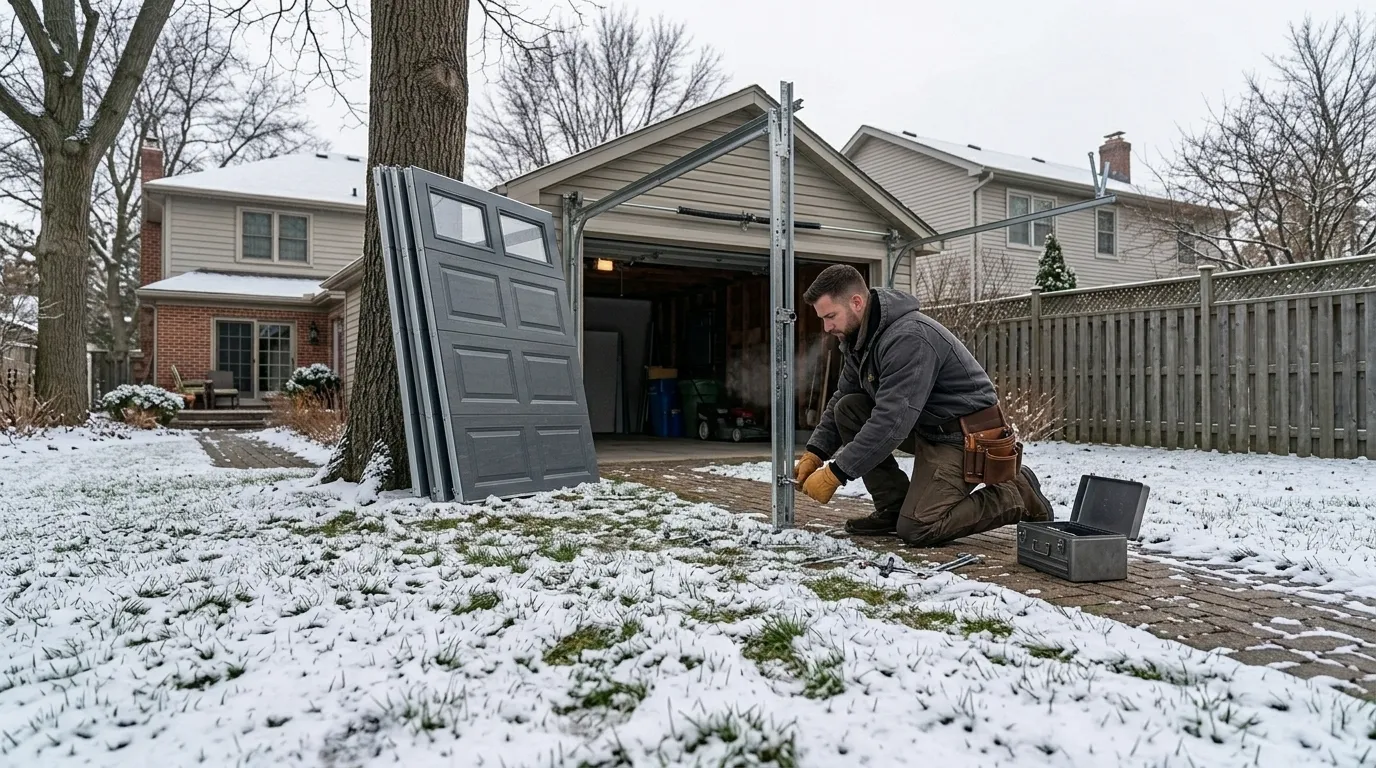
The truck carries standard torsion springs, cables, rollers, hinges, and openers that cover most doors from the 1960s through today, plus the coastal-grade weatherstrip and lubricant suited to a cold, severe winter climate - freeze-thaw cycles are hard on rubber seals and steel hardware alike. What it doesn't carry is a stock of parts for custom or oversized doors, which show up more often in higher-value neighborhoods; those sometimes need a special order, and that's a lead time we're upfront about rather than promise around. If your door takes a non-standard panel size or a discontinued opener model, we'll tell you at diagnosis, not after the truck's already left.