Why This Fails Locally
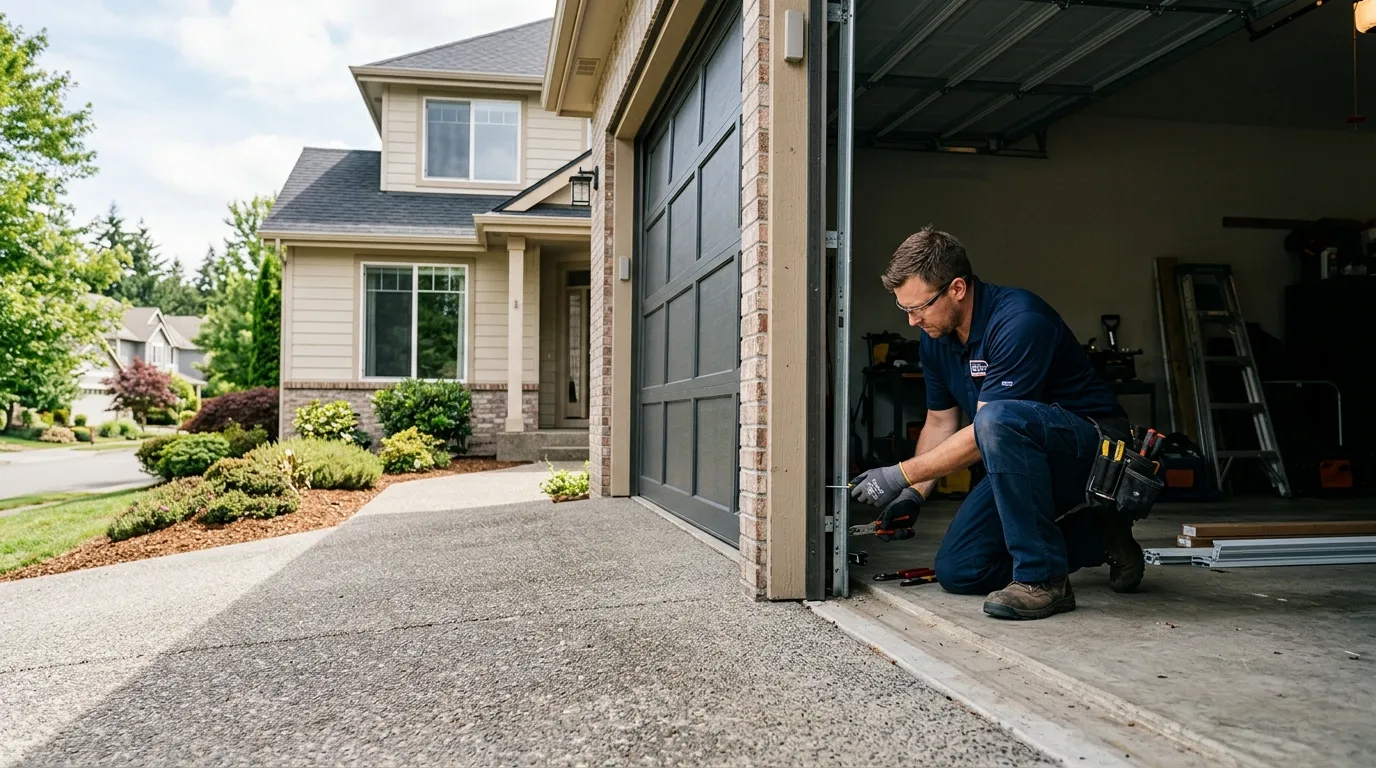
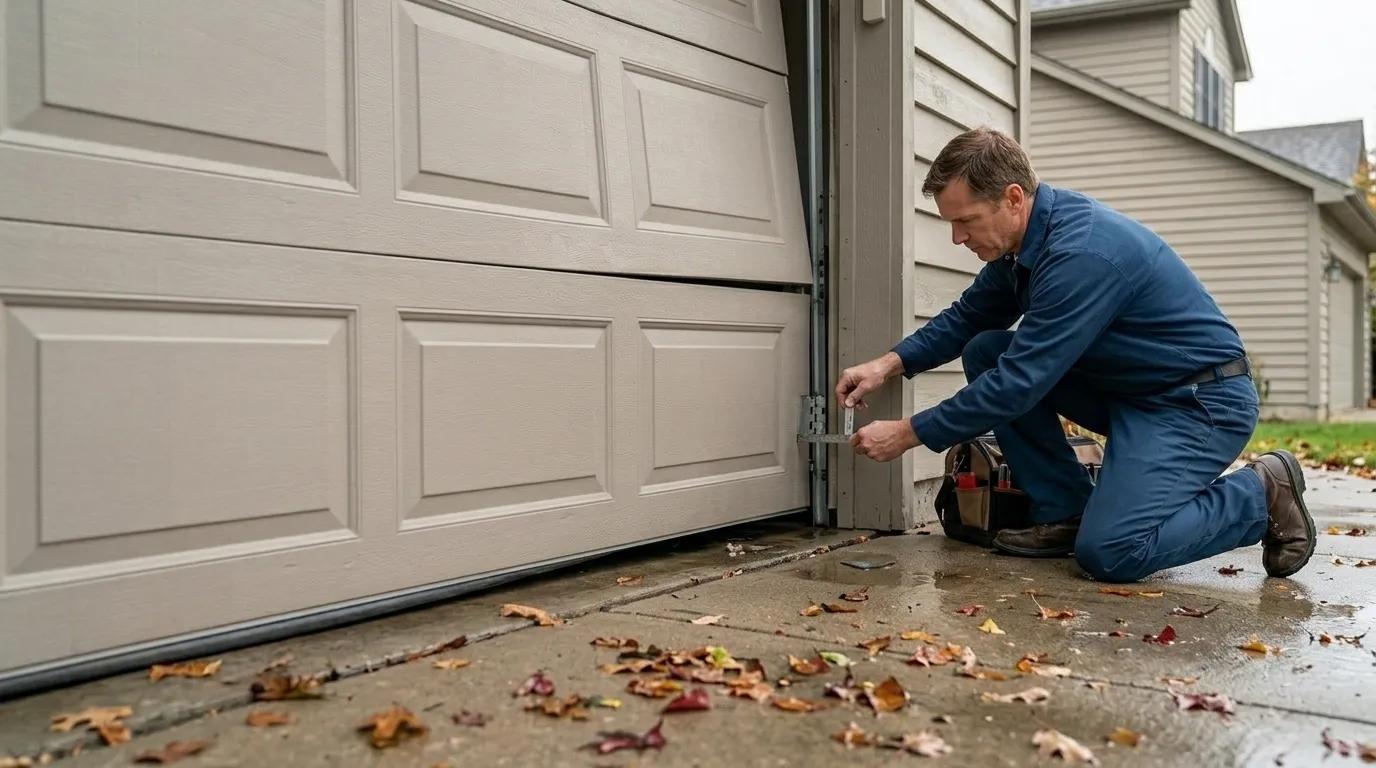
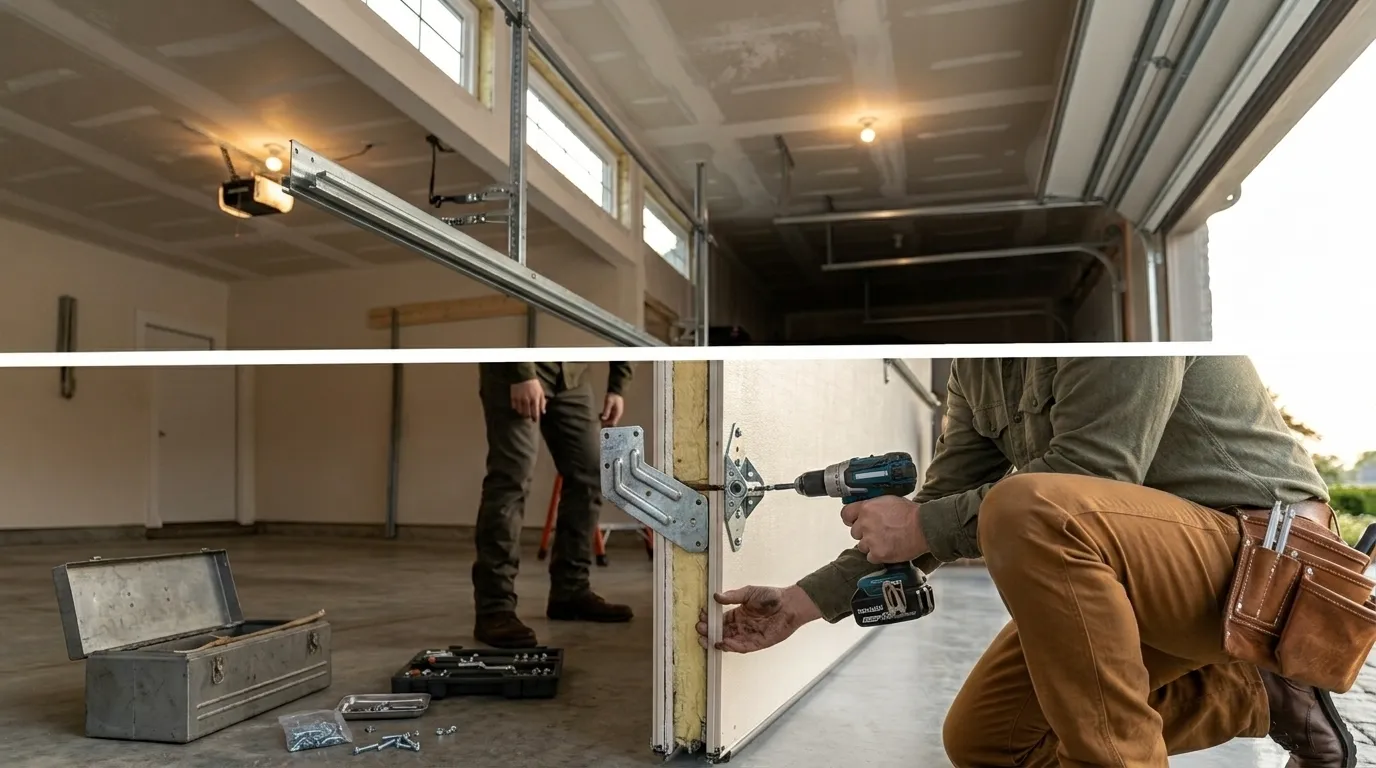
The mistake we see most in Birmingham isn't a broken spring - it's a door that was never sized right to begin with. A lot of these garages went up around 1960, when a single-car bay meant something narrower and shorter than what a modern door and opener assume. Someone replaces the door decades later, drops in a stock 16-footer or a standard 7-foot panel, and it fits - barely. The track binds on cold mornings, the header bracket sits half an inch from where it should, and the opener strains against a door that's fighting its own frame.
Birmingham sits inside a housing band built between 1938 and 2002, with the median right around 1960 - so this isn't a one-off house, it's the norm for whole blocks. Original openings from that era were framed for the doors of the day, not for the taller cars and insulated panel doors people want now. Add a severe cold climate on top of that, and a door that's slightly out of square doesn't just look wrong - it lets a draft straight into the garage all winter. Getting the opening measured and squared before a new door goes in matters more here than it does in a subdivision built in the 1990s with standardized framing.
The DIY Question
You can hang a pre-hung garage door kit yourself if you've done framing work before and the opening is square. Most of the openings we run into in Birmingham aren't, not after sixty-plus years of settling, so the honest answer is: measure twice before you buy anything, and if the jamb isn't plumb within a quarter inch, don't force a factory door frame to make up the difference.
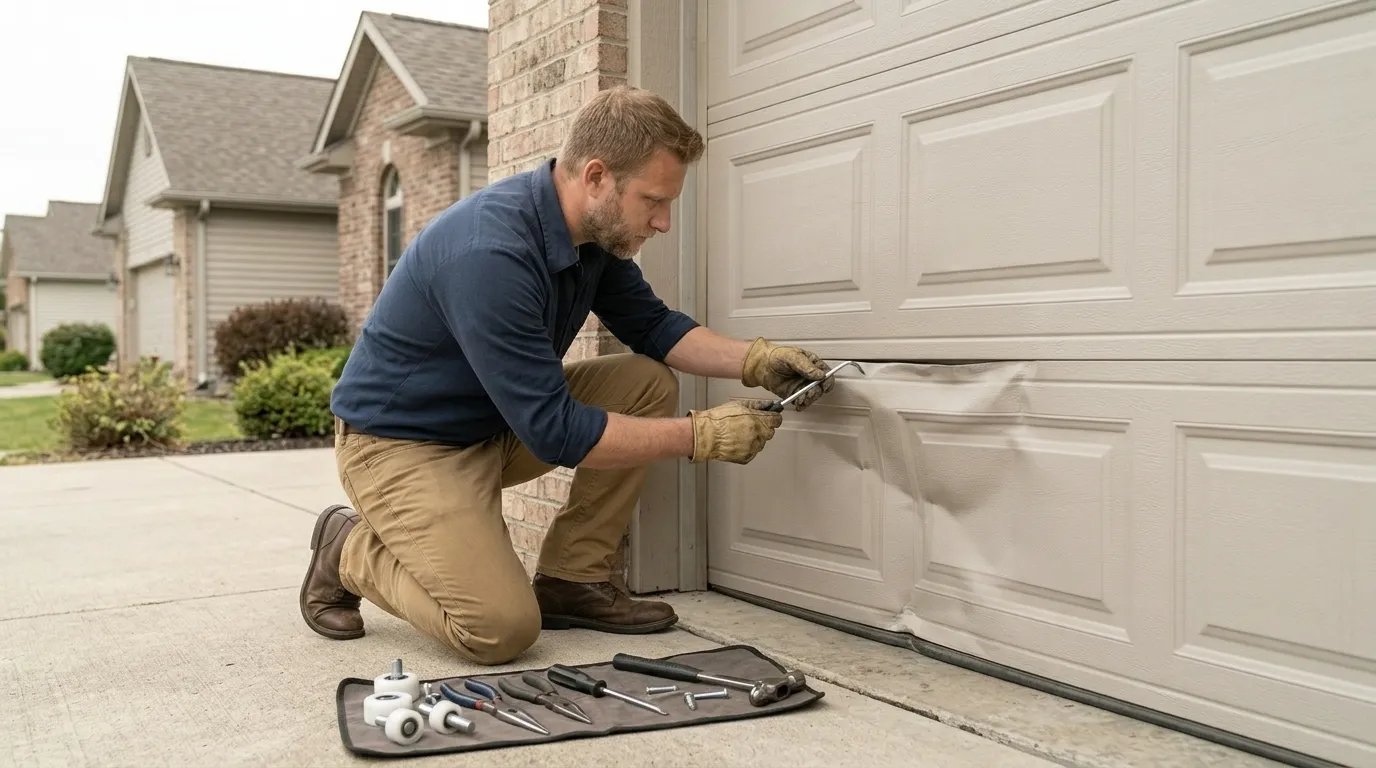
Where DIY gets people in trouble is the spring system, not the door panel. A double door on a house this age carries enough spring tension to break a hand if the winding bar slips, and torque specs for a new door aren't the same as whatever was on the old one. We're not going to tell you every install needs a crew - a lot of single-panel garden shed doors don't. A house-attached double door on original framing does.
What You Pay
We don't publish a flat number because the framing condition on a 1960-era opening swings the job more than the door itself does. A clean swap costs less than one where we're also correcting a header or re-squaring a jamb that's shifted over sixty years of frost heave.
Worth saying plainly: Birmingham's median household income sits well above the wider service area, and we get asked for higher-end insulated and custom-panel doors here more than for the builder-grade options. That's a material cost, not a labor one - the install time is the same whether the door is basic steel or a wood-composite panel with a higher R-value.
What Is on the Truck
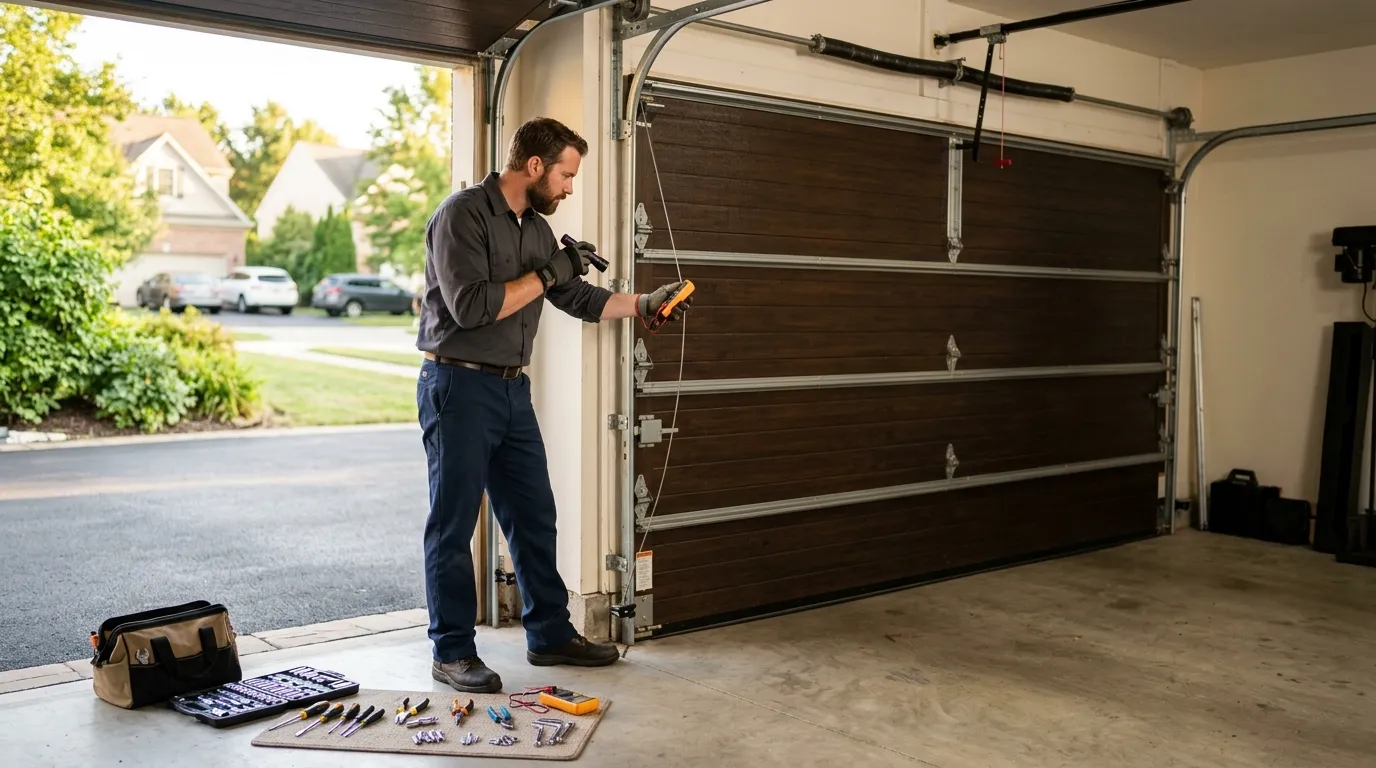
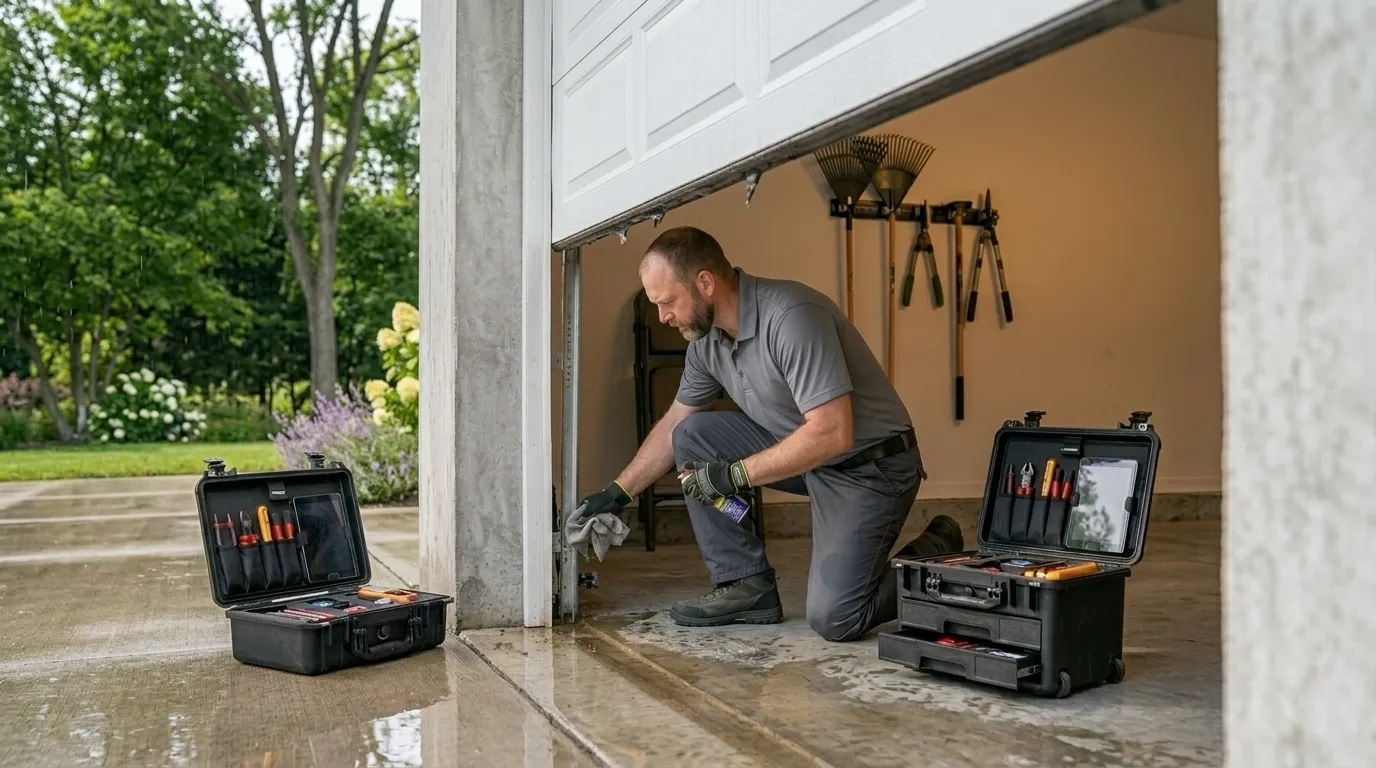
For a Birmingham install we bring extra jamb shims and squaring hardware as standard, because original framing from the 1960 era rarely comes in dead plumb. We also carry heavier weatherstrip kits suited to a severe cold climate - the thin bulb seal that ships with a lot of stock doors doesn't hold up here.
What we don't carry on the truck: custom millwork doors built to spec. If a homeowner wants a nonstandard size or a specialty wood-look panel, that's a special order with its own lead time, and we'll tell you that up front rather than promise same-week installation on something we don't stock.