Why This Fails Locally
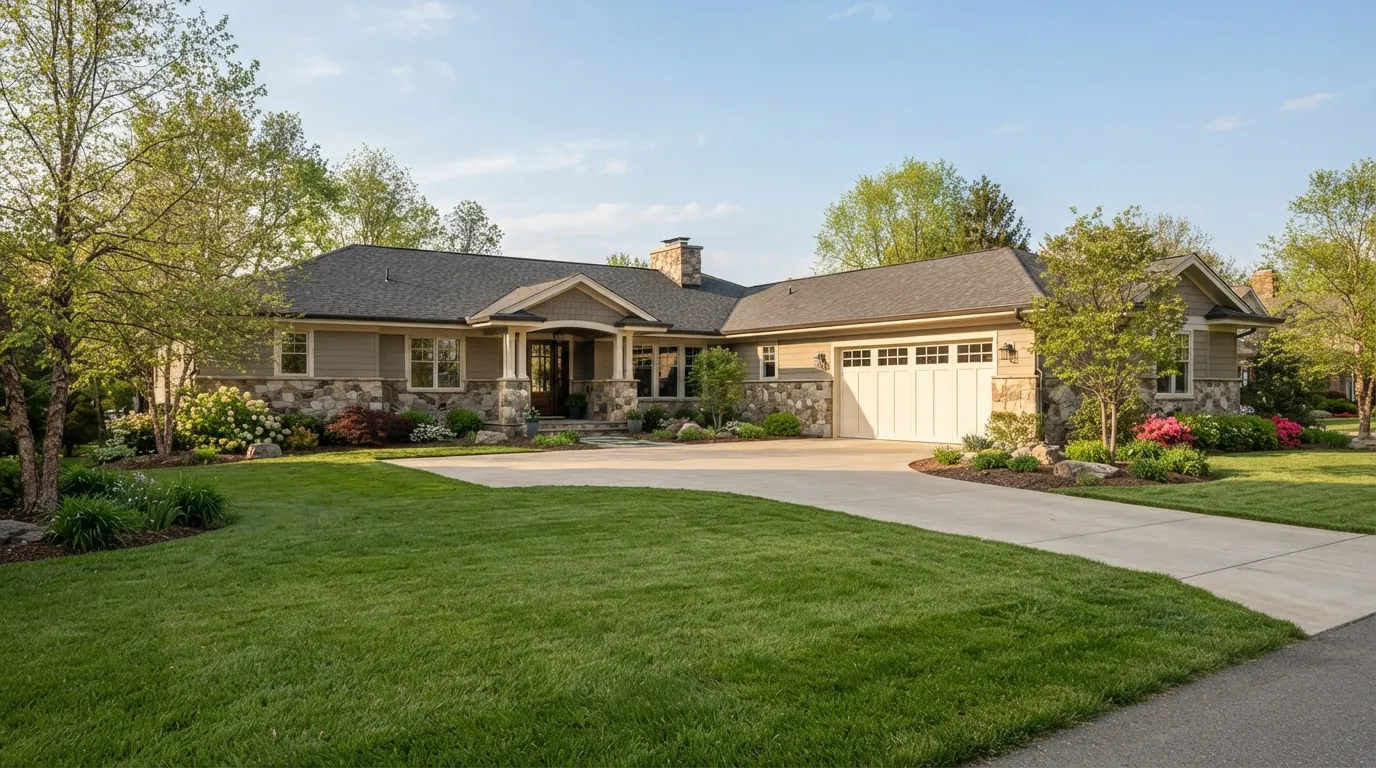
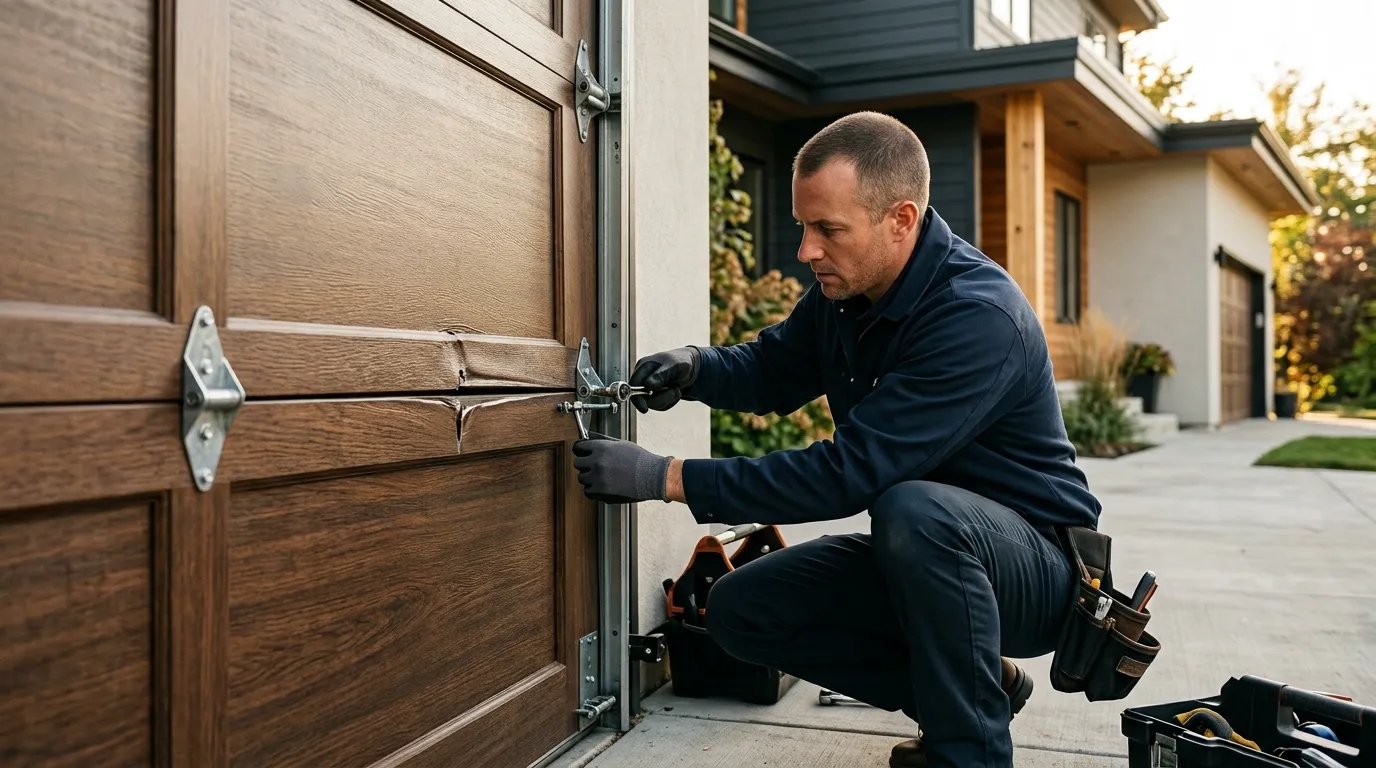
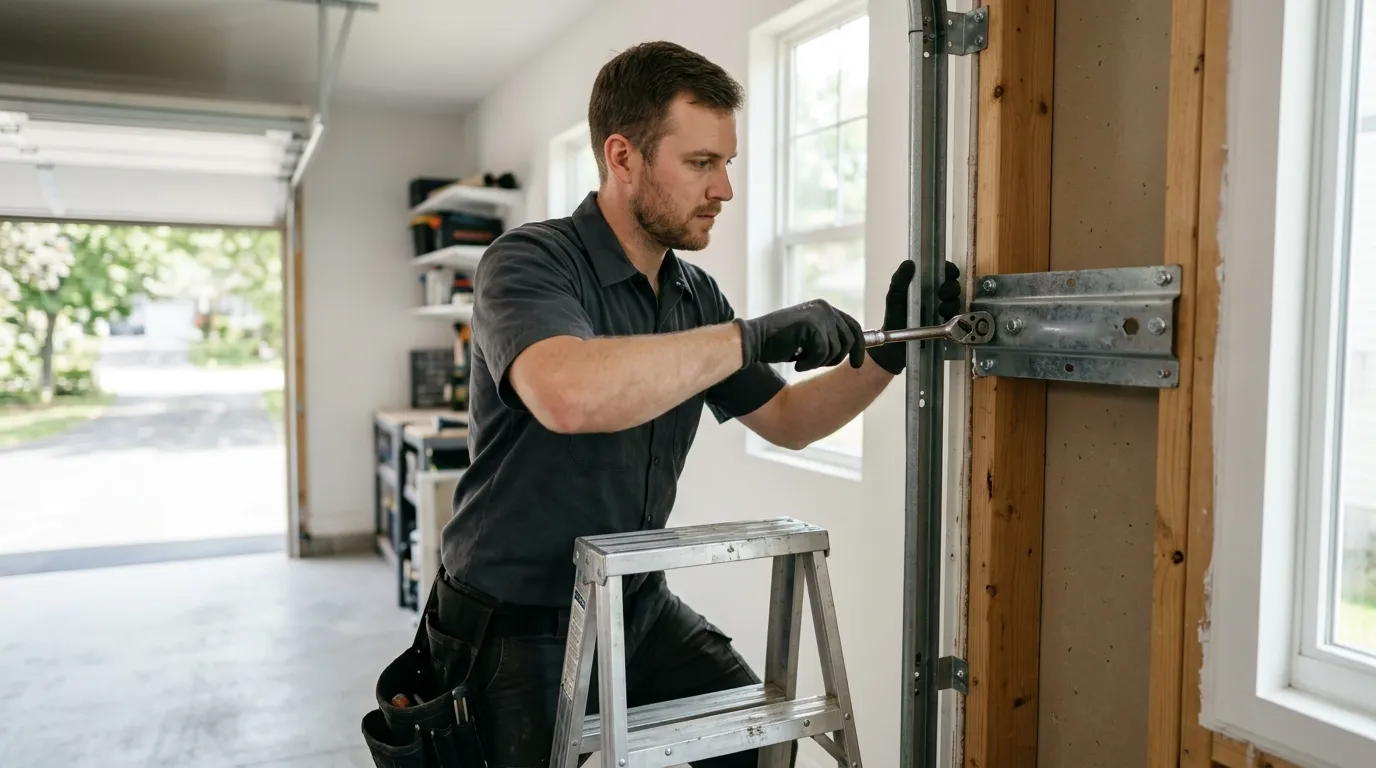
Birmingham's housing stock centers on 1960, which means most garages here still run the steel track and roller-bracket hardware that was standard for that build year. That hardware was fine when it went in. Sixty-plus years later, the brackets that hold the track to the framing have worked loose a fraction at a time, the track itself has picked up small bends from decades of expansion and contraction, and the rollers riding in it are often the original steel ones nobody swapped out. A door doesn't need a dramatic event to jump the track under those conditions. A slightly bent rail, a bracket with two of its four screws still biting, or a roller that's worn oval will let a panel walk sideways on a cold morning and bind or drop. This is a hardware-age problem more than a use problem, and it shows up as "off track" long before it shows up as anything else. The climate band this area sits in is classified cold and severe, and repeated freeze-thaw cycling is exactly what loosens fasteners in wood framing over time, which is a big part of why this fault pattern is common in a neighborhood built when Birmingham was.
The DIY Question
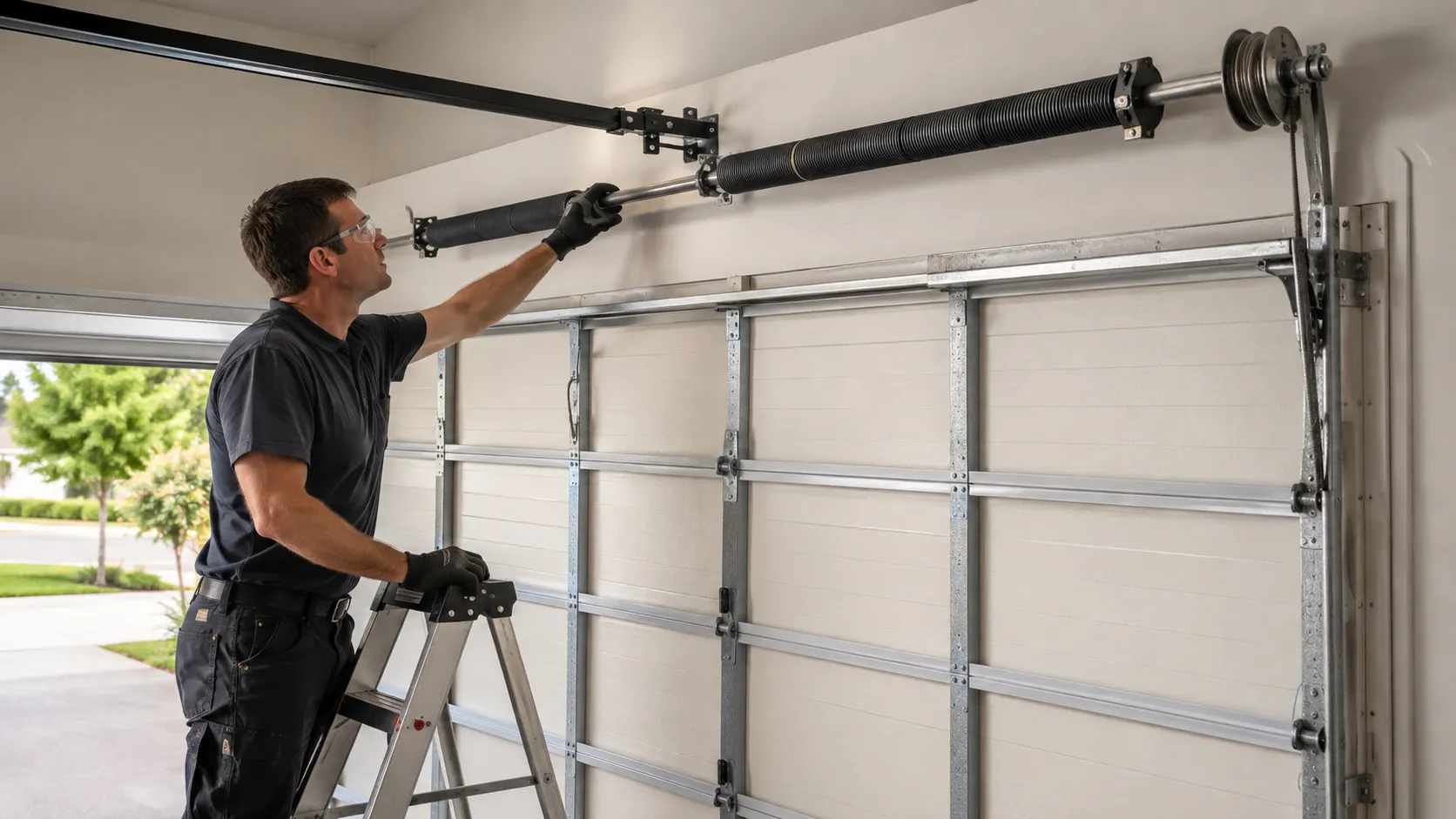
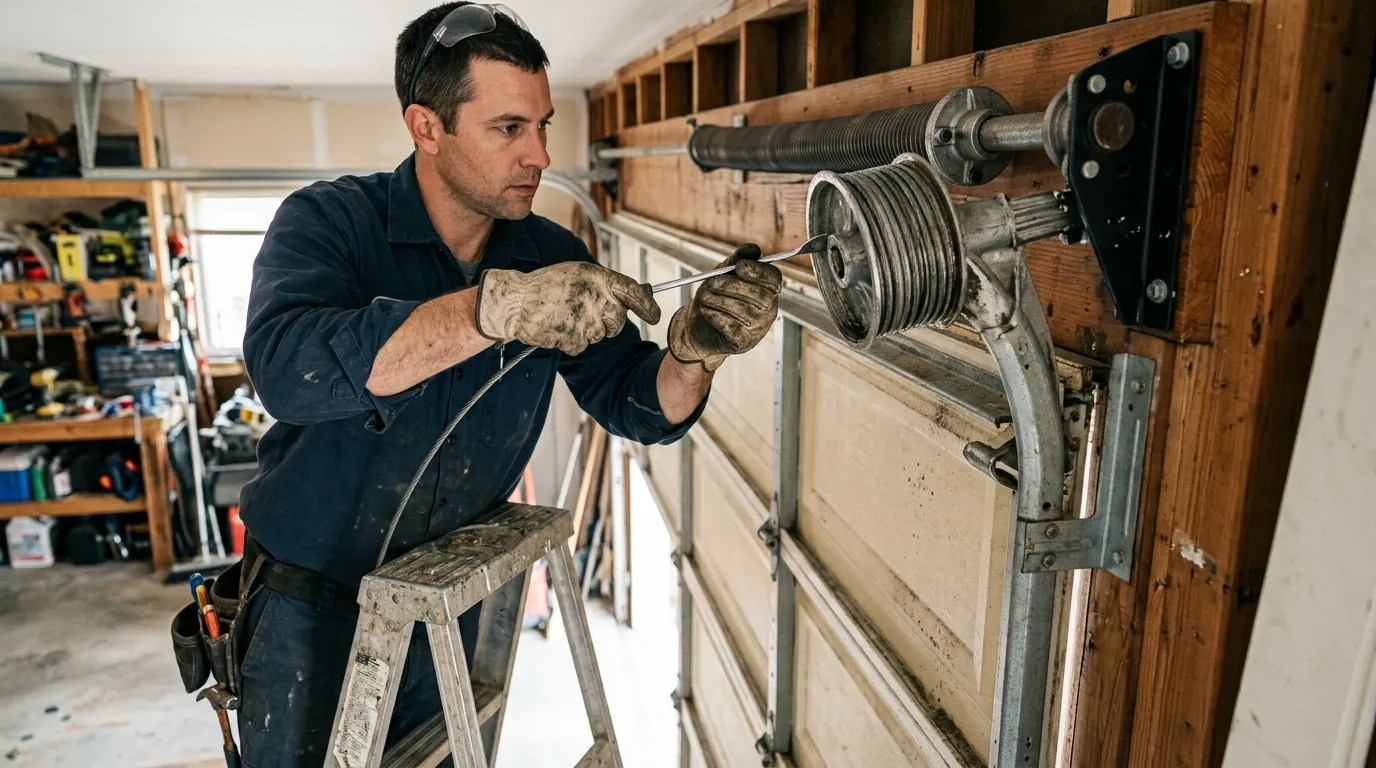
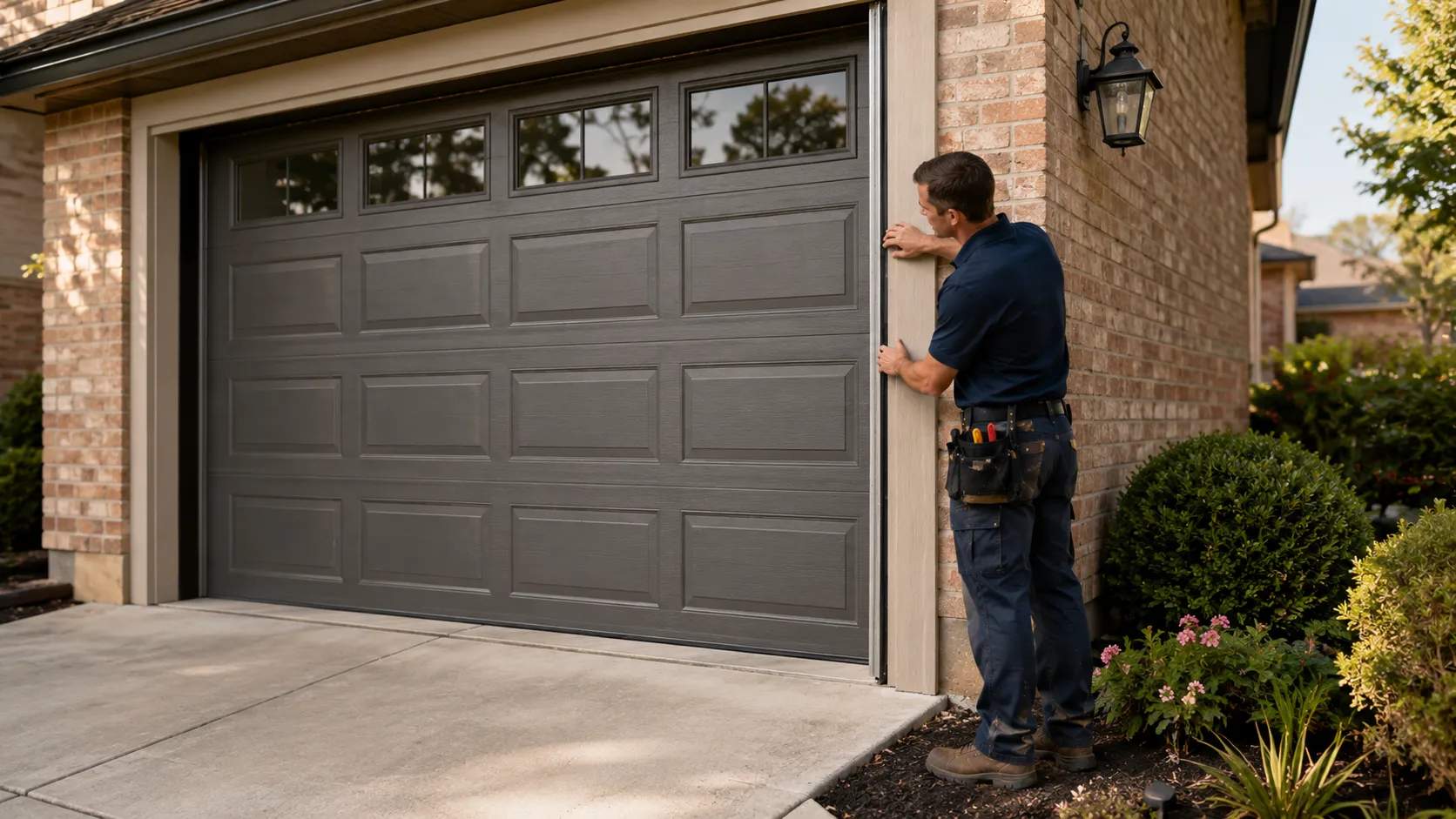
You can put a door back on track yourself if the track itself is straight, the brackets are tight, and nothing is bent. Some of the time, that's true. But on 1960s-era track hardware, the more common situation is a bracket that's pulled partway out of the jamb or a rail with a kink low enough that the roller catches every time you force the door back in. Muscling a panel back onto bent track usually just re-derails it the next time the door cycles, and if a cable or spring is under tension while you're working near the track, that's not a job to improvise. If the door came off because a spring failed rather than because of loose hardware, that's a different repair and not a DIY one at all. The honest line: check the obvious stuff yourself, but if the track shows visible bending or the door has come off more than once, it's worth a truck coming out rather than repeating the fix.
What You Pay
We don't have a set price to quote here without seeing the door, and it would be wrong to give you a number that isn't grounded. What we can tell you is what drives the cost: whether it's a bracket-and-realignment job or a track-section replacement, whether rollers need to come out with it, and whether the panel itself took any damage while it was running off its rail. Birmingham's median household income runs well above the wider service area's, and in practice that shows up less in what people pay for the repair itself and more in what they choose to do next - homeowners here more often ask for a full hardware upgrade (nylon rollers, new track, fresh brackets) instead of a patch, since they're planning to be in the house a while and don't want to redo the same fix in three years.
What Is on the Truck
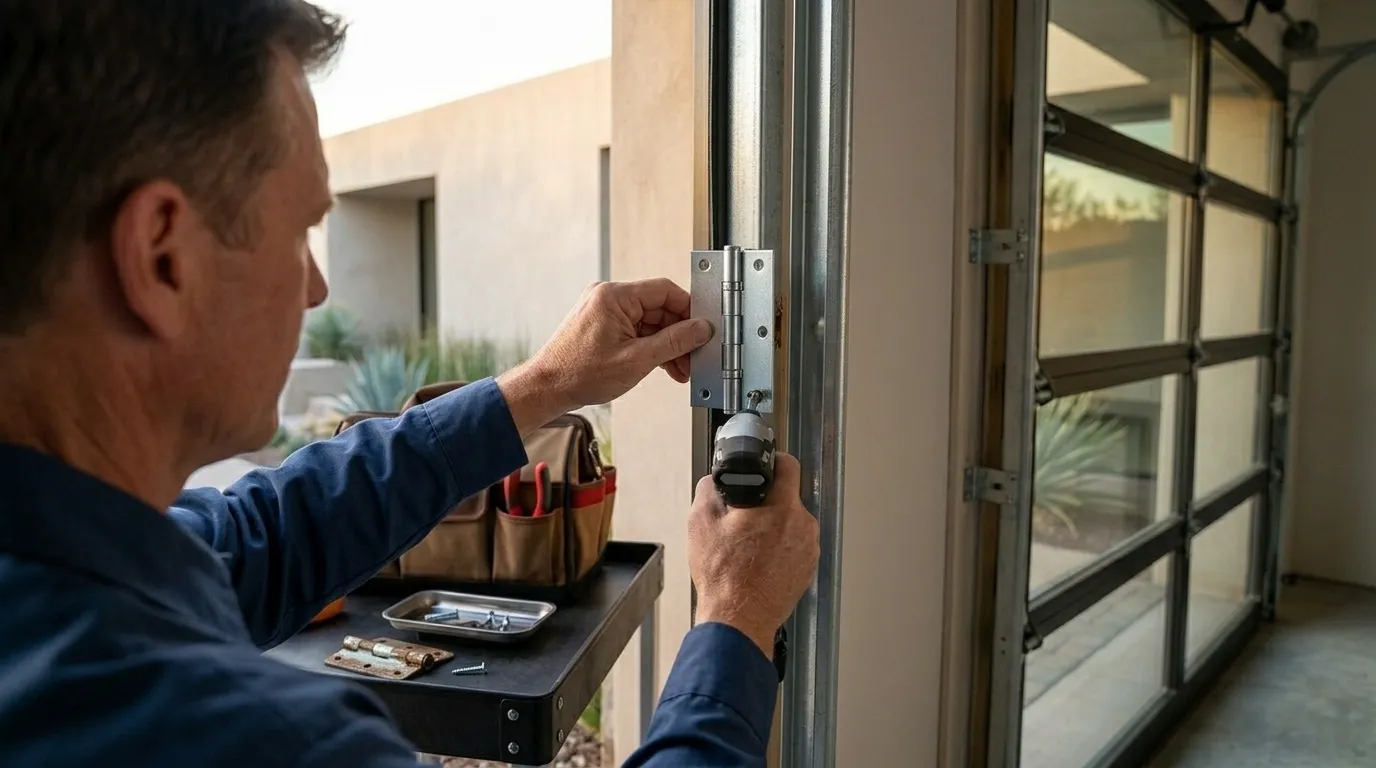
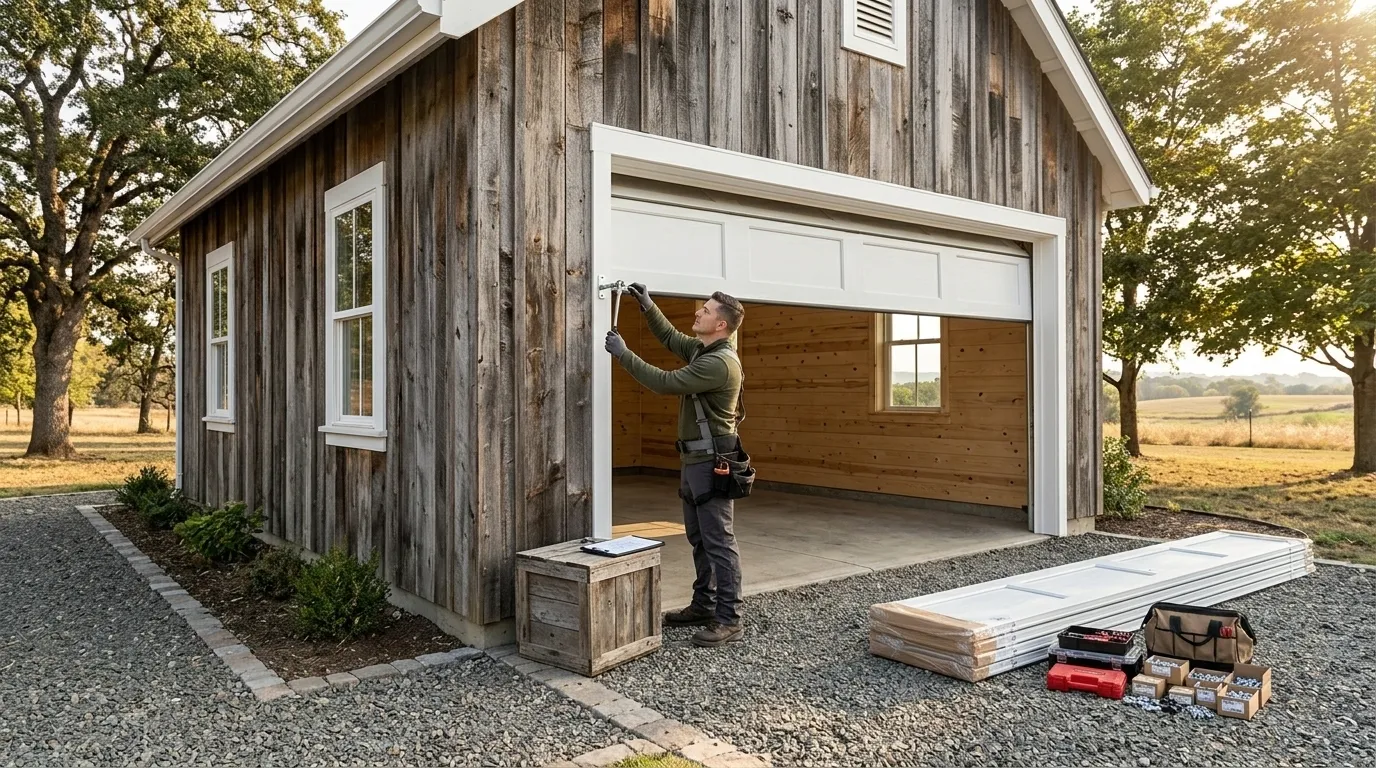
For an off-track call, the truck carries replacement track sections in the common residential widths, roller-bracket hardware, both steel and nylon rollers, and the lag bolts and jamb brackets that 1960s-era framing usually needs re-set rather than reused. It also carries spring and cable stock, because a door that's off track sometimes got there from a cable failure rather than a hardware failure, and there's no point diagnosing one and finding the other once the panel is off. What's not standard stock is a full replacement door or a specialty low-headroom kit - those aren't something we carry pre-built on the truck, so if the track damage is bad enough that the door itself needs replacing, that becomes a second visit once the right door is in.