What Is on the Truck
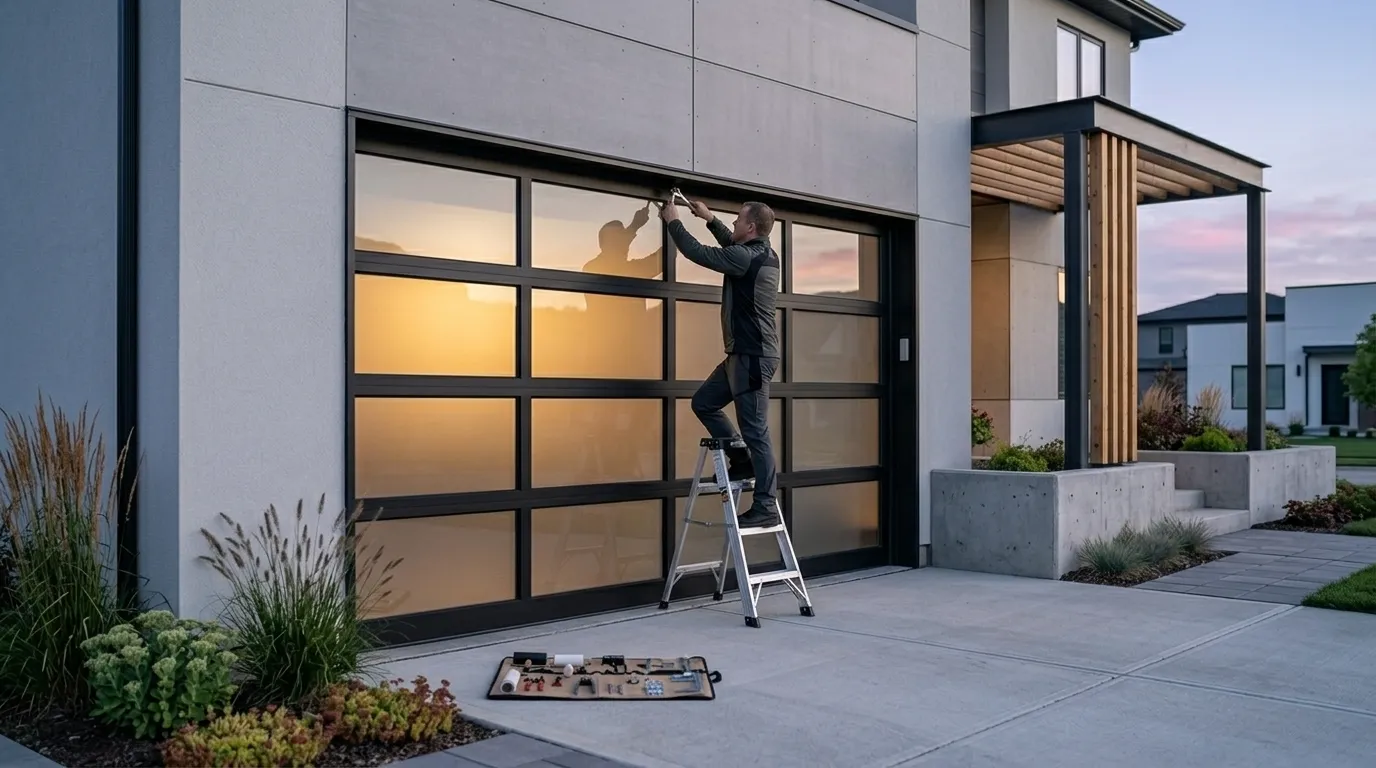
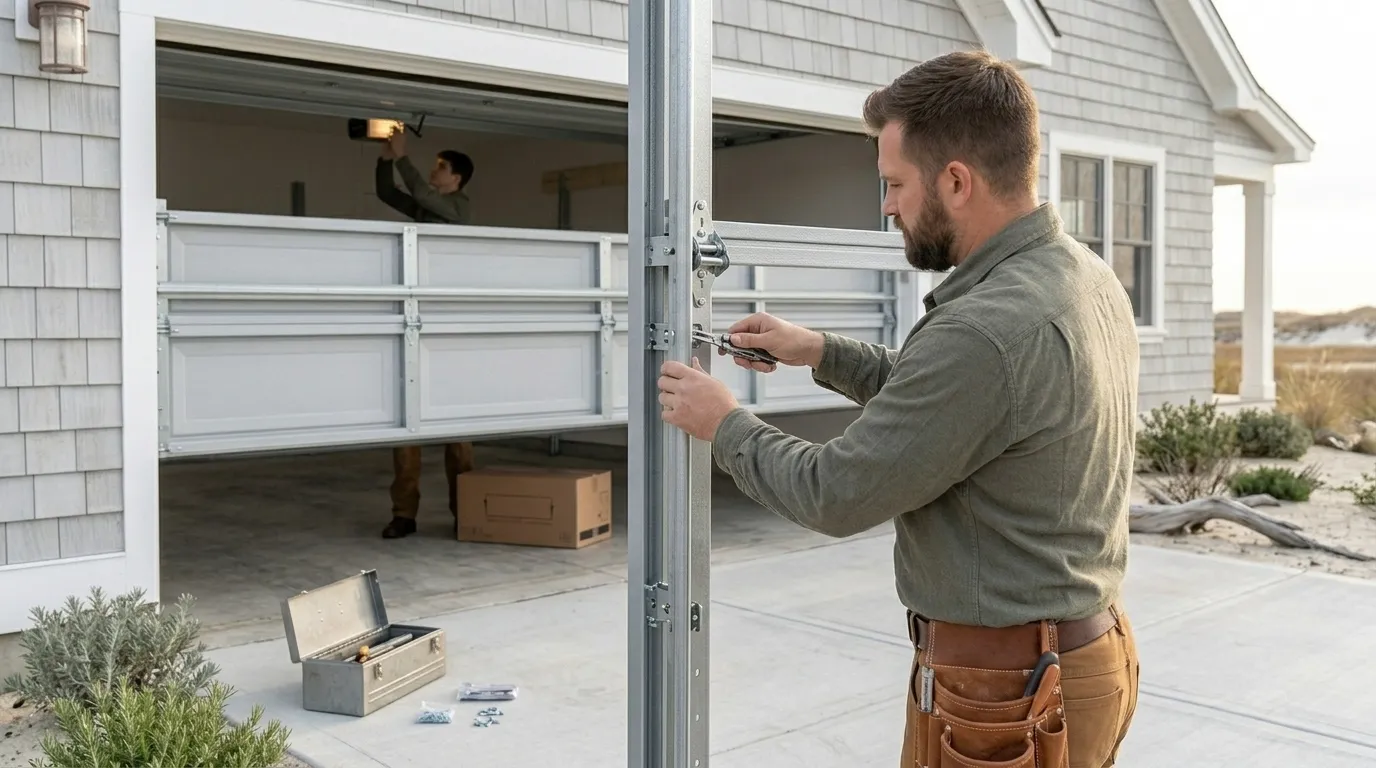
Most commercial buildings in Rochester went up around 1982, a good two decades newer than the 1960 median you'll find across the rest of the service area we cover from Rochester Hills. That gap matters more than it sounds. Buildings from this era were built to different door specs from the start - torsion spring setups on steel tracks, not the older exposed extension springs bolted to the header that you still find on 1960s strip retail elsewhere. So the truck coming out here carries torsion spring cable and torsion shaft hardware sized for standard commercial steel doors, plus the steel roller and track stock those doors actually use. We don't load up on the older extension-spring parts or wood-jamb hardware that a 1960s building needs, because that's not what's on the wall in Rochester. If your building turns out to be an outlier - older construction, non-standard opening - we adjust on site, but we plan the stock around what's typical here, not around the wider service area's mix.
We also carry commercial-grade openers matched to steel sectional doors, since that's the standard install for this building stock, rather than the residential-grade units sometimes found jammed into older commercial openings.
What the Repair Takes
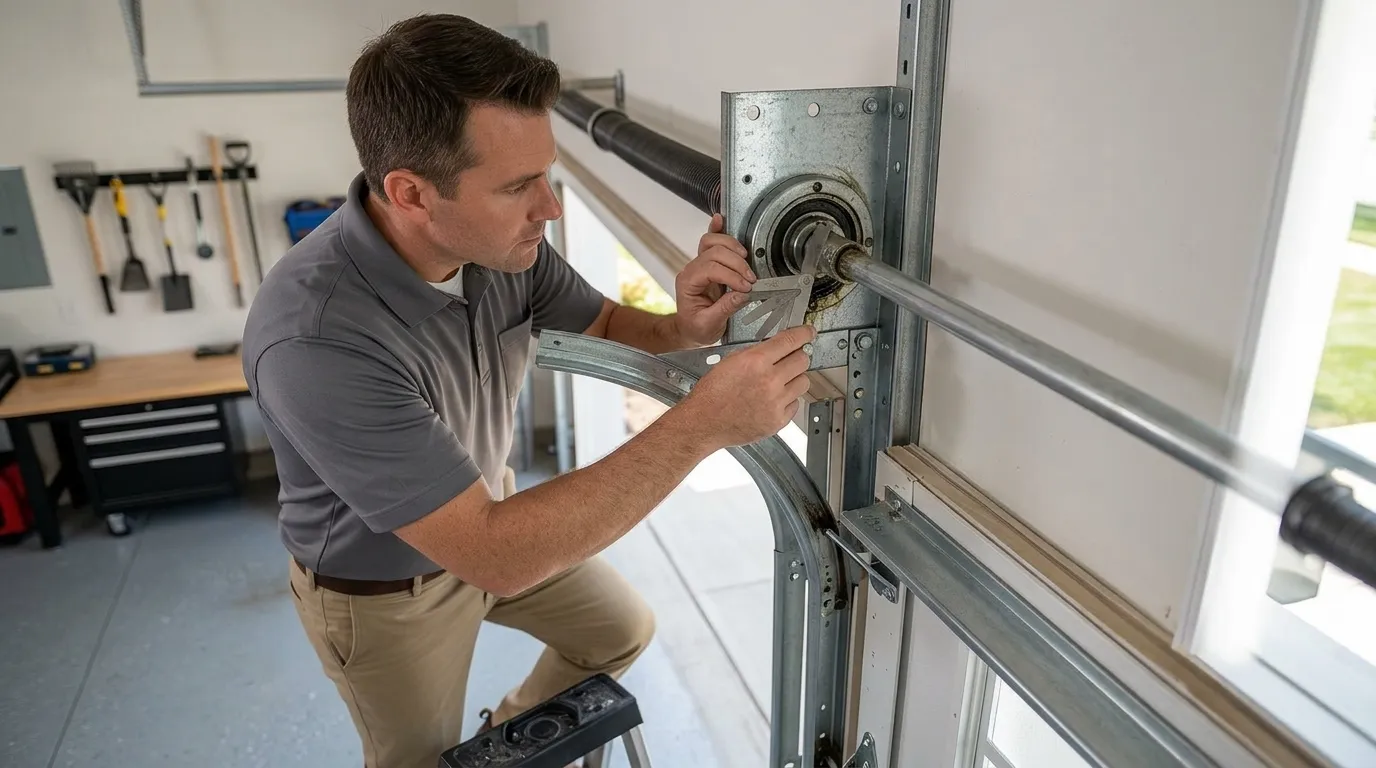
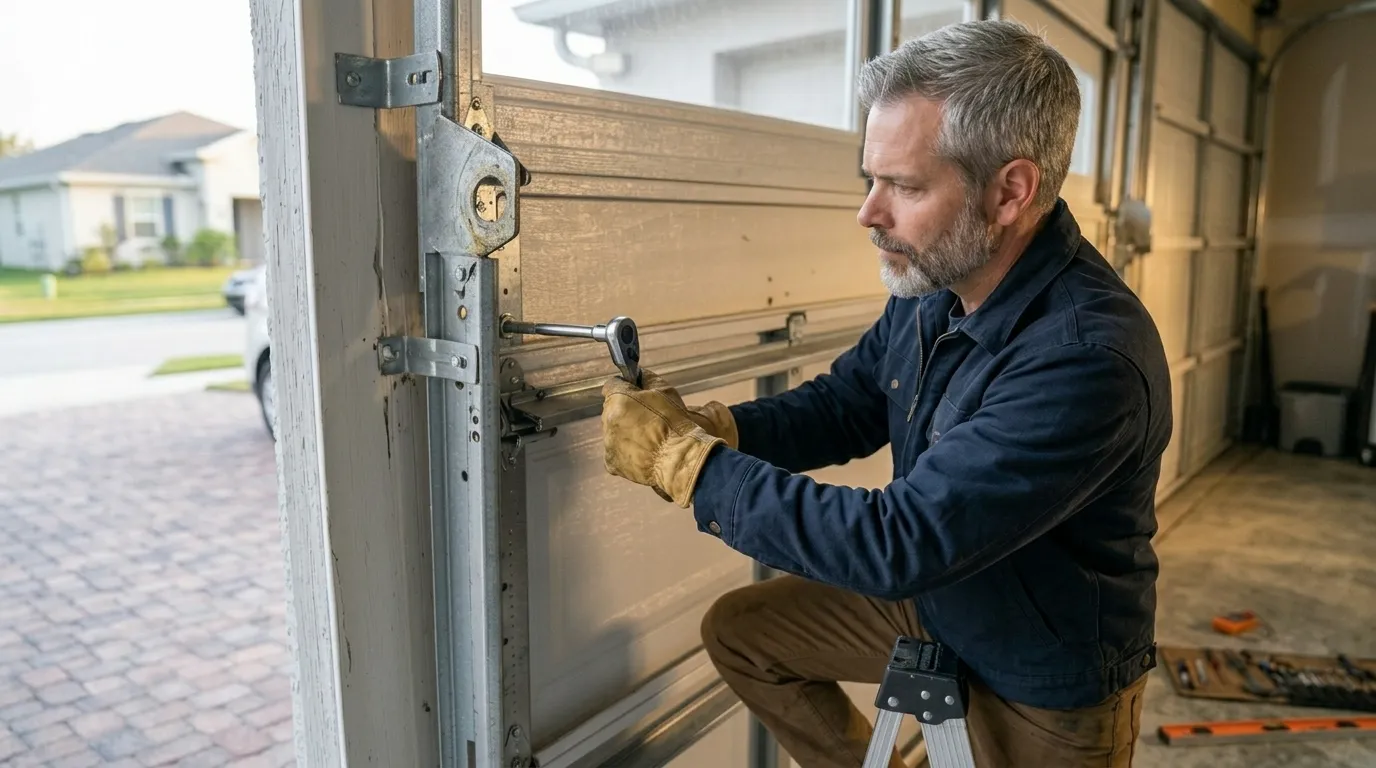
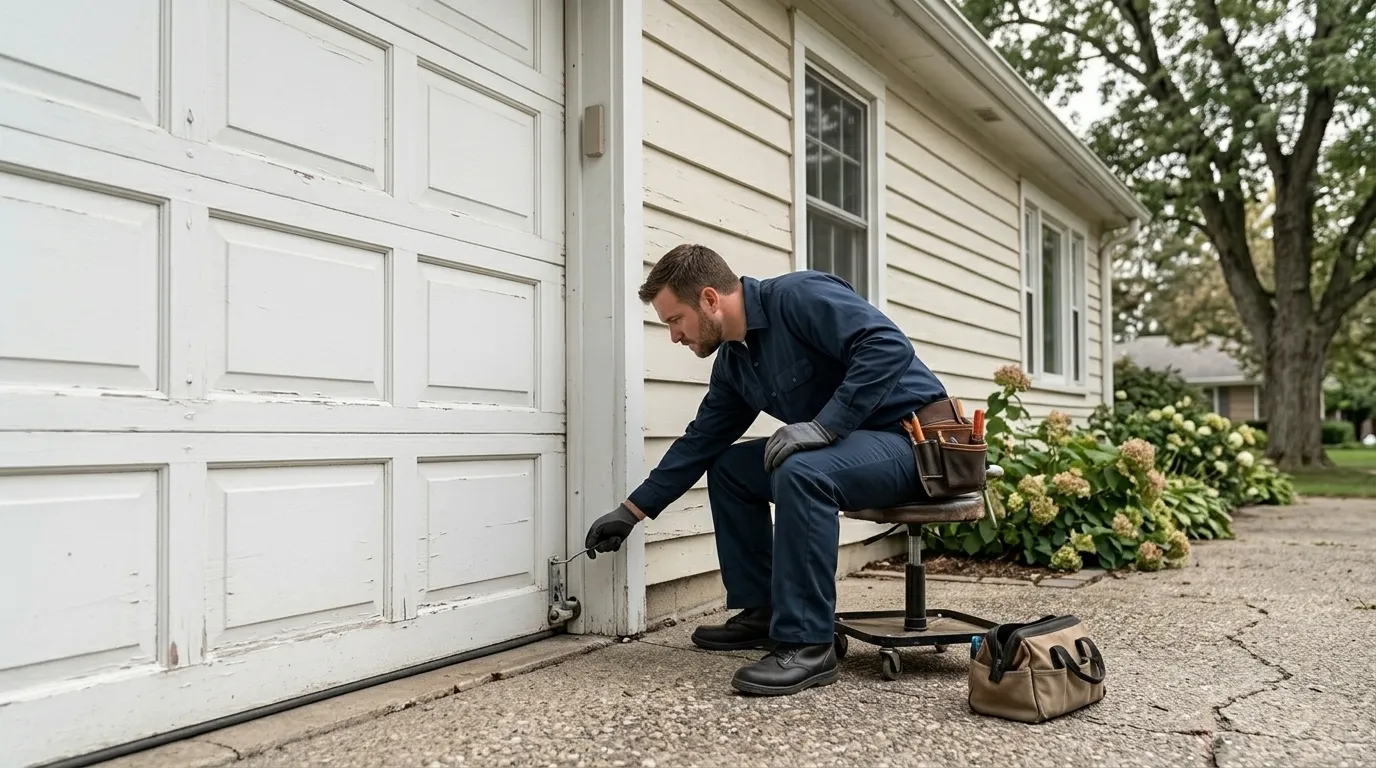
A torsion spring job on a standard commercial steel door here takes clamping down the shaft, unwinding the old spring under control, and setting a matched replacement - routine work when the hardware is the era-standard setup this building stock uses. Track and roller work is usually a swap of worn steel rollers and a track realignment, not a full frame rebuild, because 1982-era commercial framing doesn't carry the same rot and settling issues you get in older wood-jamb construction elsewhere in the area.
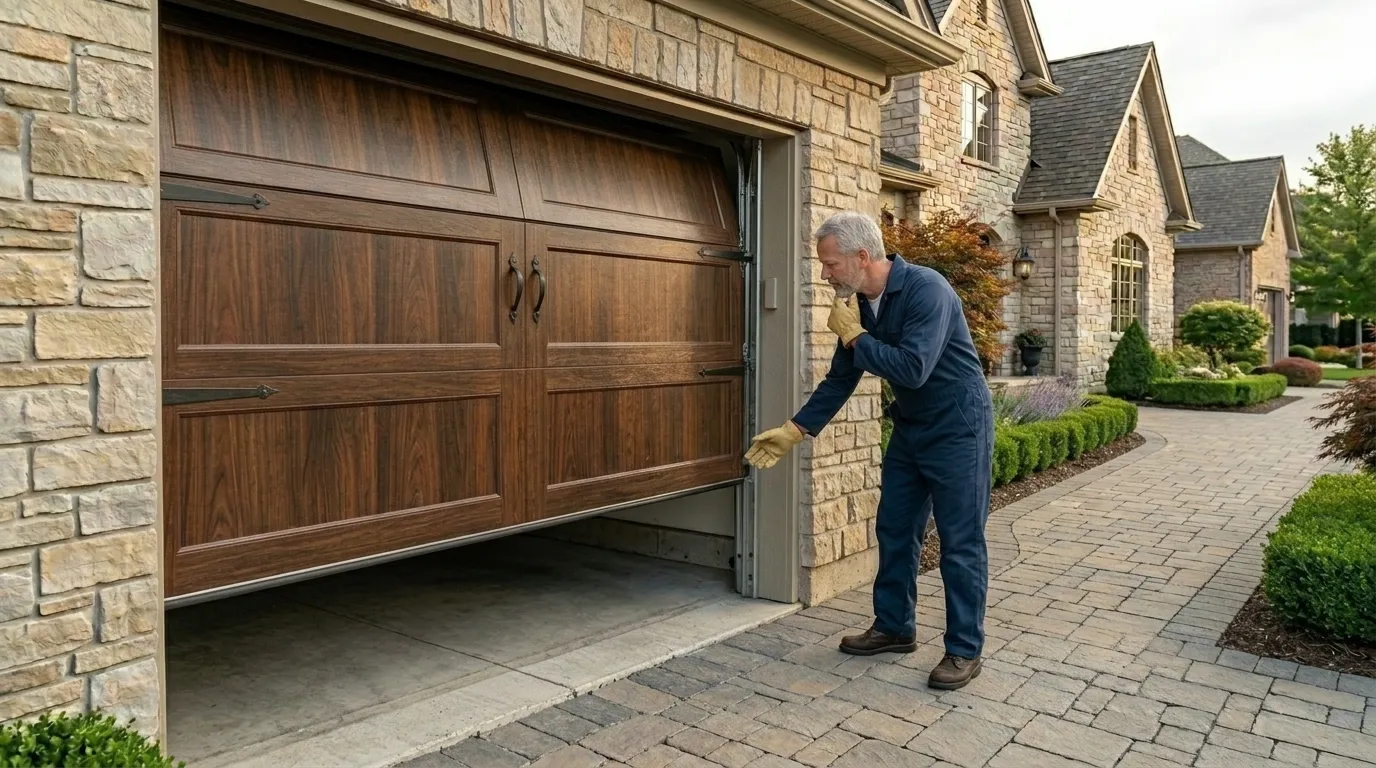
Where it gets longer is opener work. Buildings this age often still run their original commercial opener, or a first replacement from the 1990s or 2000s, and those units use control boards and drive mechanisms that current openers don't stock as direct swaps. That's the one honest limitation on this job: if your opener is original to the building, we may need to order a control board rather than pull one off the truck, and that adds a day or two, not an hour.
Where This Job Goes Sideways
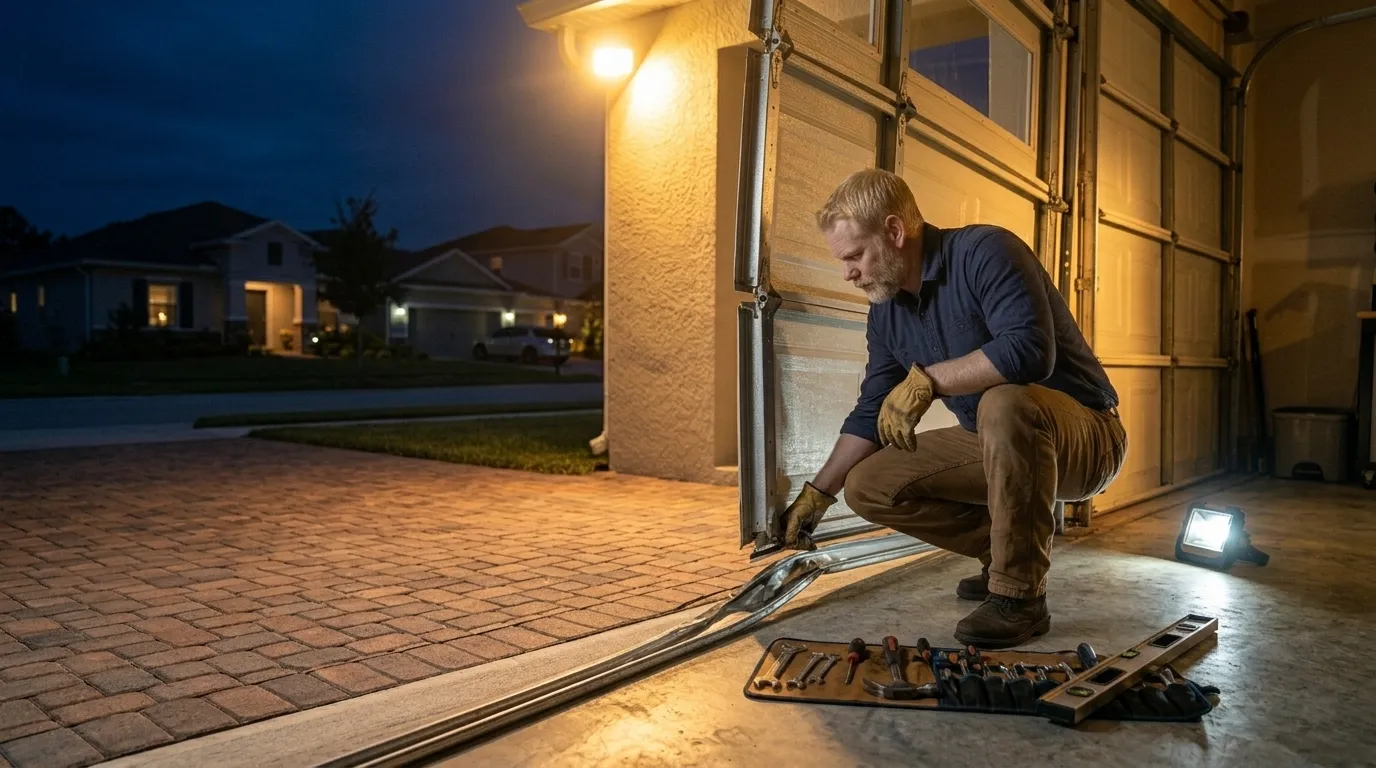
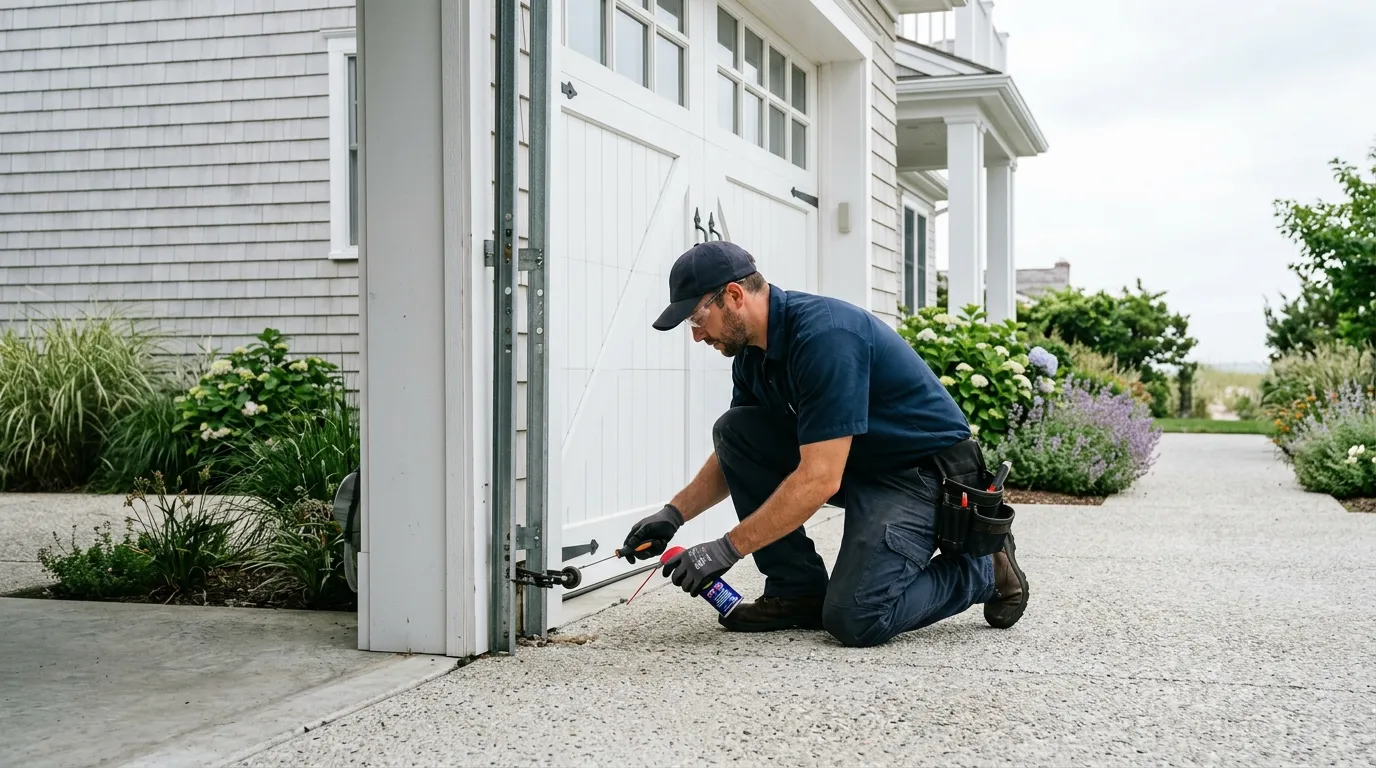
The failure pattern in Rochester's commercial buildings isn't rot or frame settling - the building stock is too recent for that to be the common cause. What we see instead is wear: nylon rollers worn through on track that's outlived two or three openers, torsion springs that have simply cycled out after decades on a daily-use commercial door, and cable fraying at the drum from years of use rather than from a badly set door.
The job goes sideways when a worn roller gets ignored long enough that it chews the track edge, or when a spring is left to fail rather than swapped on schedule, and the door drops off track mid-cycle during business hours. On a commercial door that's cycling daily, that's a stopped operation, not just an inconvenience. The other way it goes sideways: the opener control board is original to the building and no longer made, which turns what should be a same-visit repair into a parts-order wait - rare, but it happens on buildings that haven't touched their opener since it went in.
What You Pay
We don't have a published price list to quote here, and we're not going to invent one. What we can tell you is what drives the number: torsion spring and roller work on the standard steel commercial door common to this building stock is priced by the job, not by the hour, and it's a smaller job than a full opener swap. If your opener is original to the building and needs a board ordered rather than pulled off the truck, that adds a parts cost on top of labor. Rochester's median household income runs well above the area-wide figure, which doesn't change what we charge - it just means this is a market where deferred maintenance on a commercial door tends to get fixed rather than left to fail outright. Ask for a number on your specific door and opener when we're on site; we're not going to guess at a figure over the phone that turns out wrong once we see the hardware.