What Is on the Truck
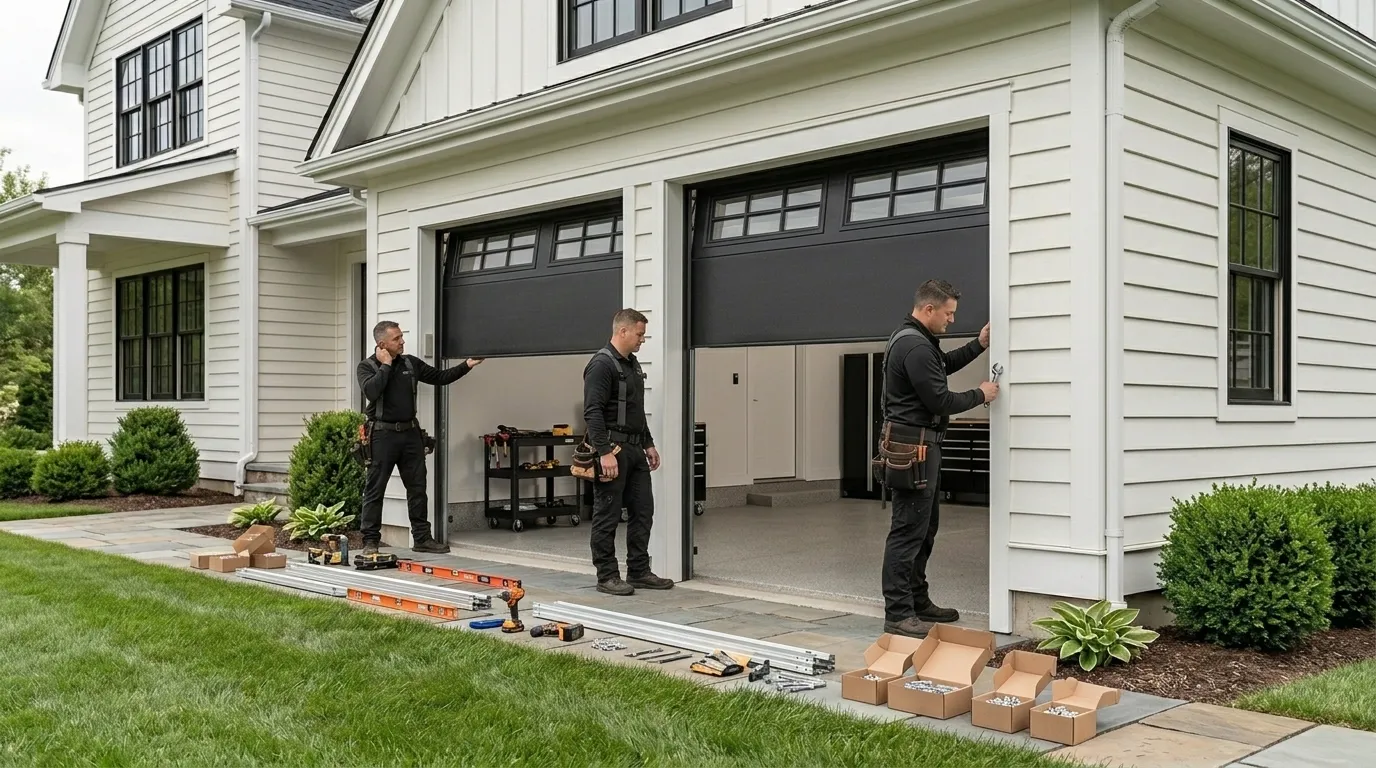
Rochester sits about 3 miles from our shop in Rochester Hills, and the houses here skew newer than a lot of what we cover elsewhere in the service area. Median year built here runs around 1982, well past the 1960 median for the broader territory (which spans building from 1938 through 2002 across 42 named areas). That difference matters more for openers than it does for doors themselves, because opener technology moved fast between 1975 and 2000 - chain and belt drives with circuit boards replaced the older mechanical relay units. On the truck for Rochester calls: logic board assemblies for chain-drive units from that era, drive gears and sprockets (the plastic gear is almost always the first thing to strip), trolley carriages, travel modules, and replacement safety sensor pairs. We also carry capacitors for older motor units, since a weak start capacitor is a common cause of a motor that hums but won't lift.
What the Repair Takes
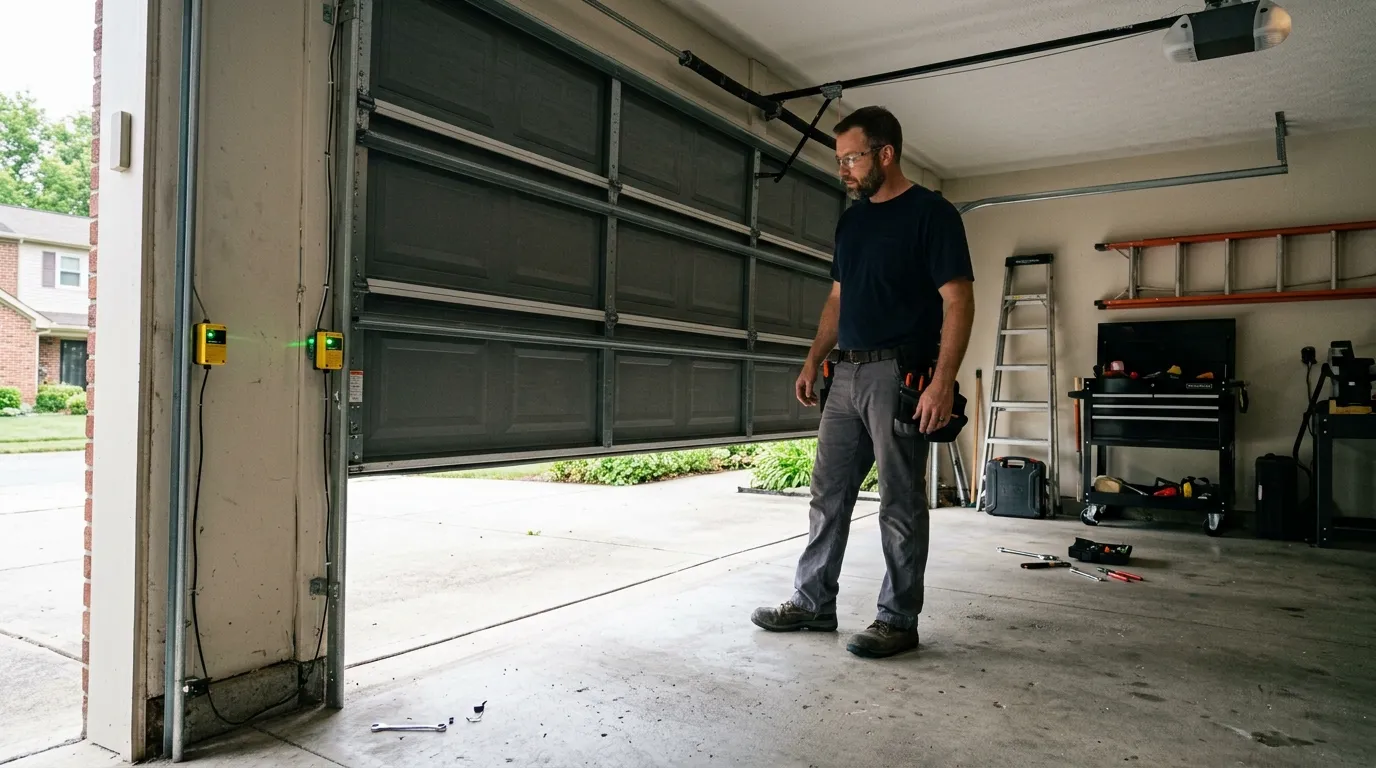
First step is figuring out whether the problem is the opener itself or something pretending to be an opener problem - a broken spring or an out-of-track door will make an opener strain or reverse even when the unit is fine. Once we've ruled that out, we test the logic board, the wall control, the safety sensors, and the drive mechanism separately. On a chain or belt-drive unit typical of Rochester's 1980s-to-2000s stock, the most common finds are a stripped drive gear, a failed circuit board, or sensors knocked out of alignment. We repair what can be repaired and replace only the failed component - we don't sell a full unit swap when a $40 gear solves it, and we'll say so plainly if that's the case.
Where This Job Goes Sideways
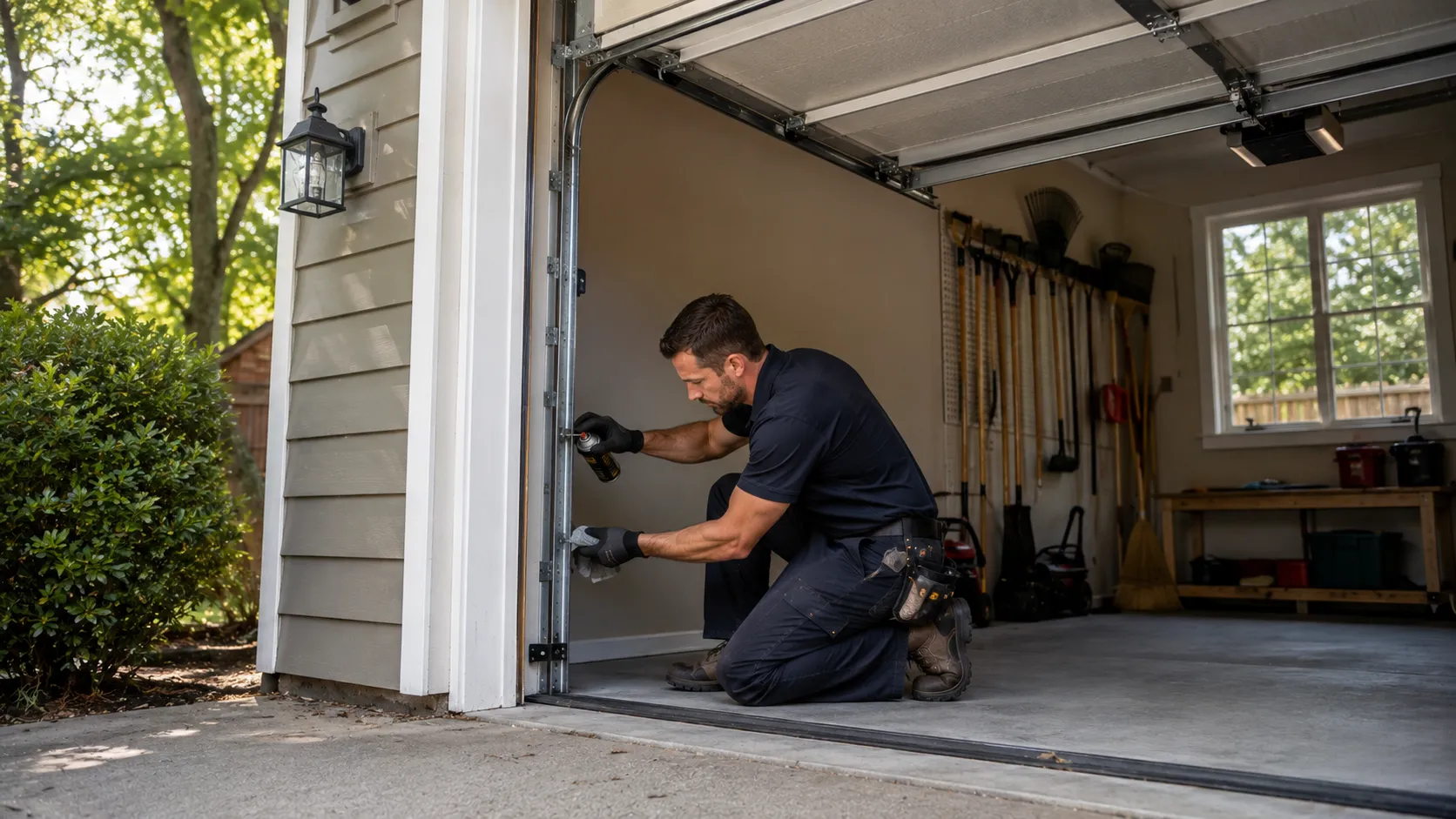
The failure we see most in Rochester's housing stock is a logic board that's aged out - these units are now 25 to 45 years old in a lot of cases, and boards from that generation weren't built for a 40-year service life. A close second is the drive gear, a small plastic part that wears out from ordinary use and gets blamed for problems it didn't cause. Where it goes sideways is when someone tries to fix a gear or board issue without checking the spring and track first - an opener straining against a bad spring will burn out a new motor just as fast as an old one. We check the whole system, not just the box on the ceiling, before we quote anything.
What You Pay
We don't post a flat number for opener repair because the range depends entirely on what's actually failed - a sensor realignment costs nothing like a logic board replacement on an older unit. What we can say is that Rochester's median household income runs higher than the broader service area figure, and in practice that means more owners here choose a same-day repair over letting a marginal opener limp along, since the cost of doing it right the first time is easier to absorb. We'll give you the actual number for your unit before we start work, not after.