What Is on the Truck
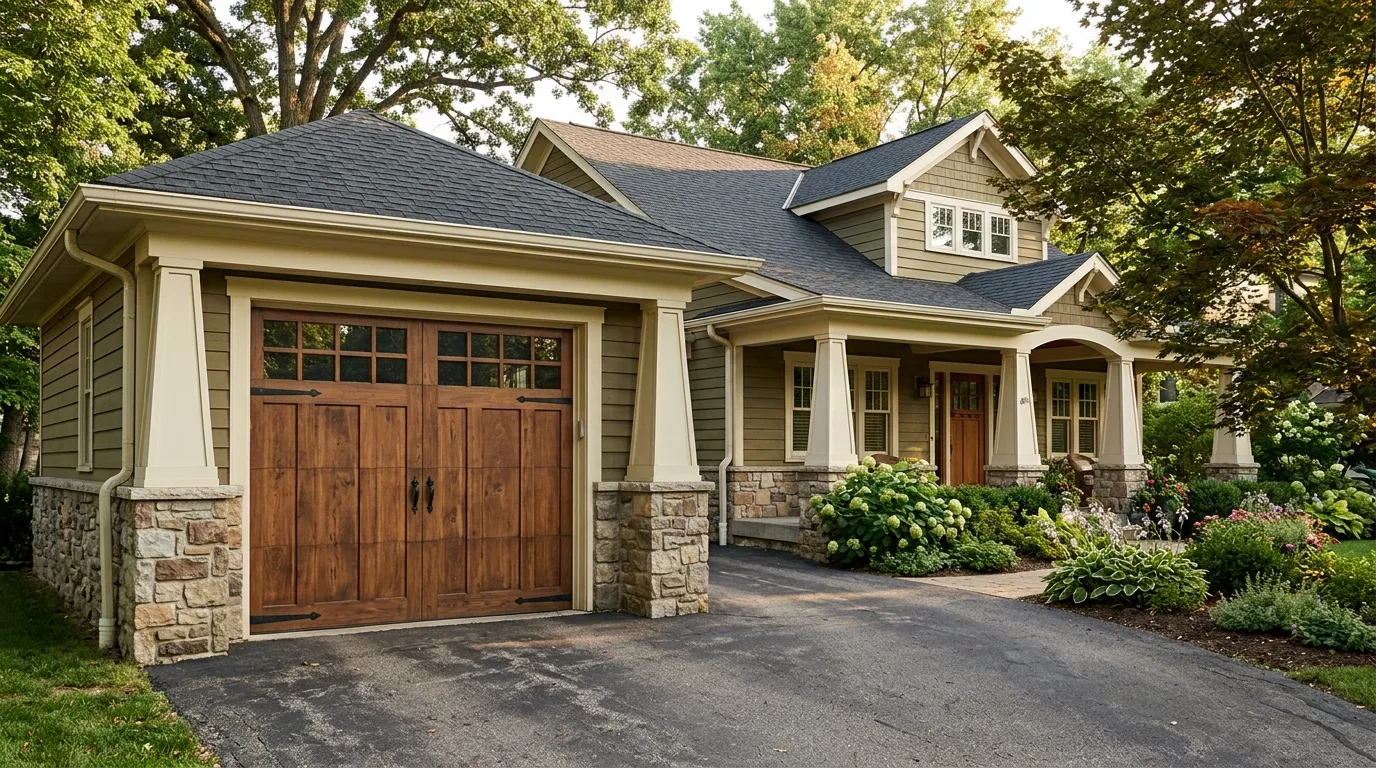
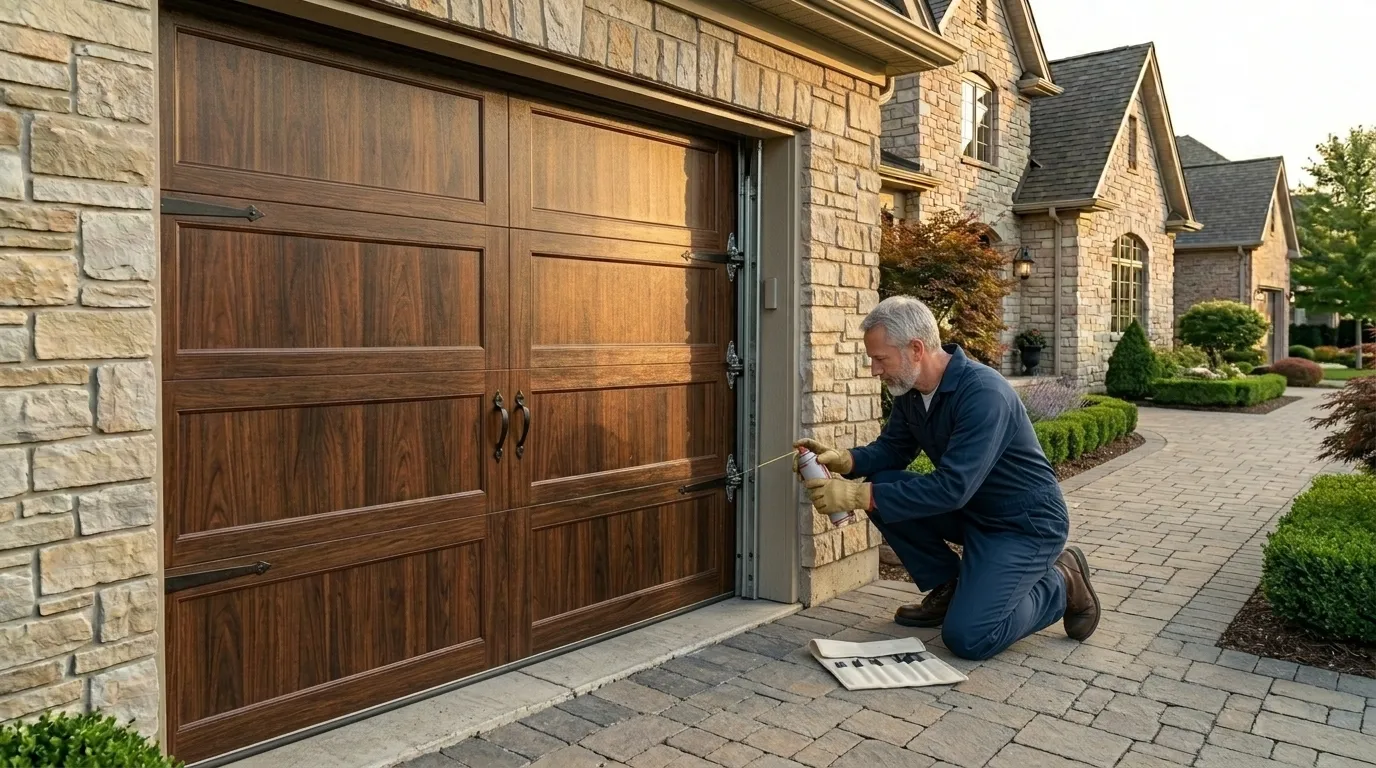
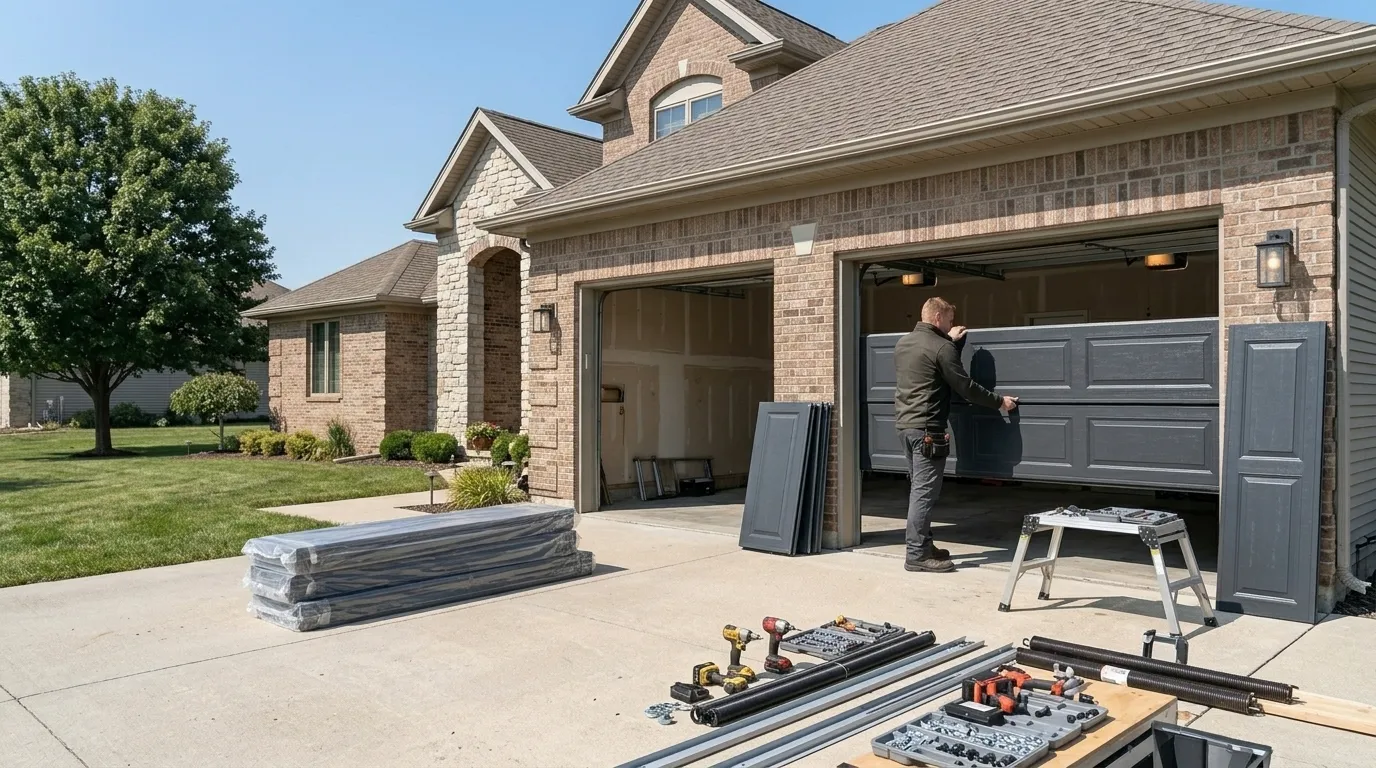
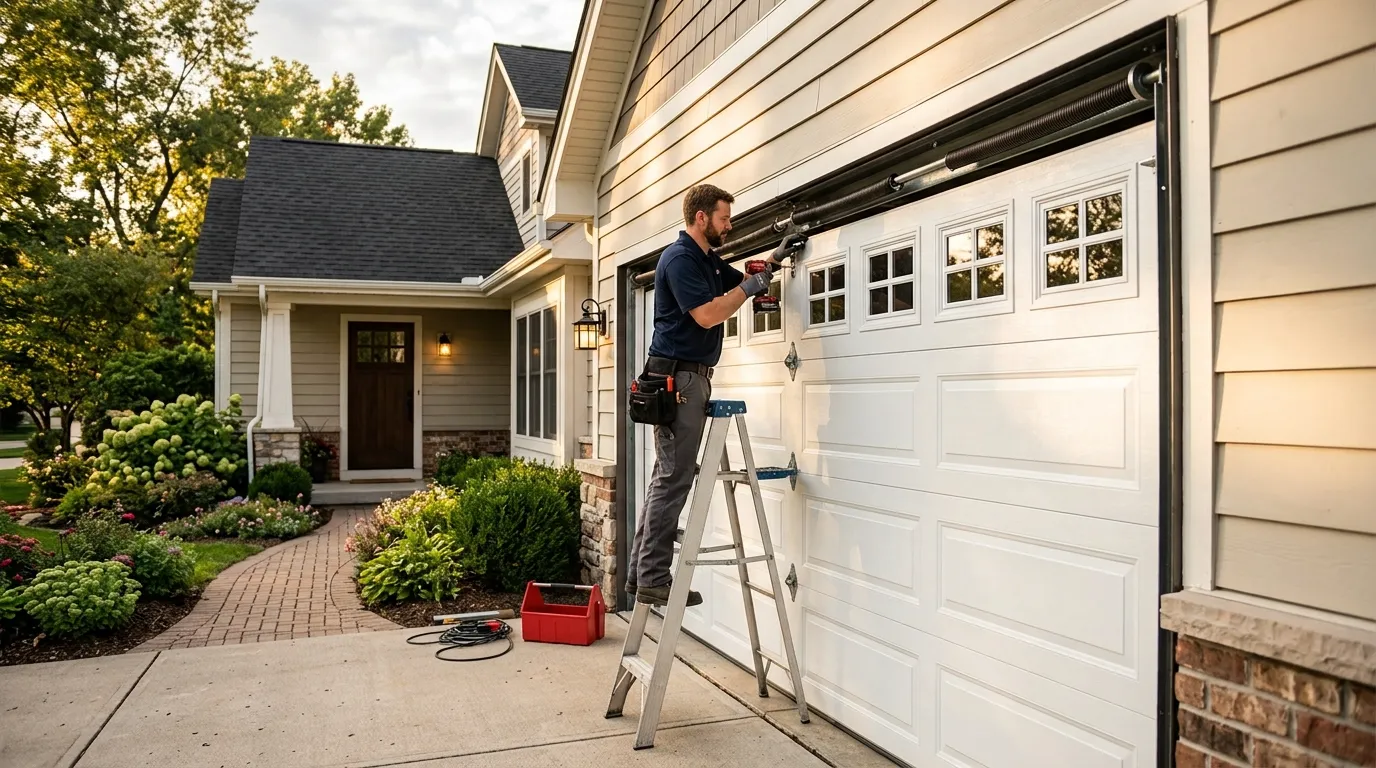
The drive from Rochester Hills to Rochester is three miles, which matters more than it sounds. A truck stocked for a 1960s neighborhood carries different spring wire gauge and different track hardware than one built for what's actually on the ground here. Rochester's housing stock centers on a median build year of 1982, a good two decades newer than much of the surrounding service area, so the doors we open here tend to be steel sectional panels on standard torsion springs rather than the older wood or one-piece doors you'll find in the 1960s-built pockets closer to the center of the service area. We bring torsion springs in the common sizes for that era, standard-lift cable, and the roller and hinge hardware that matches doors from that build window. What we don't load heavy for is the oddball stuff, extension-spring setups on low headroom, or doors old enough that the track spacing is nonstandard. That gear exists elsewhere in the territory. If a job turns out to need it, we say so on the phone rather than showing up short.The short drive also means less guessing on arrival. Three miles is close enough that we're not building in slack for traffic assumptions across town; the truck that leaves is close to the truck that arrives.
What the Repair Takes
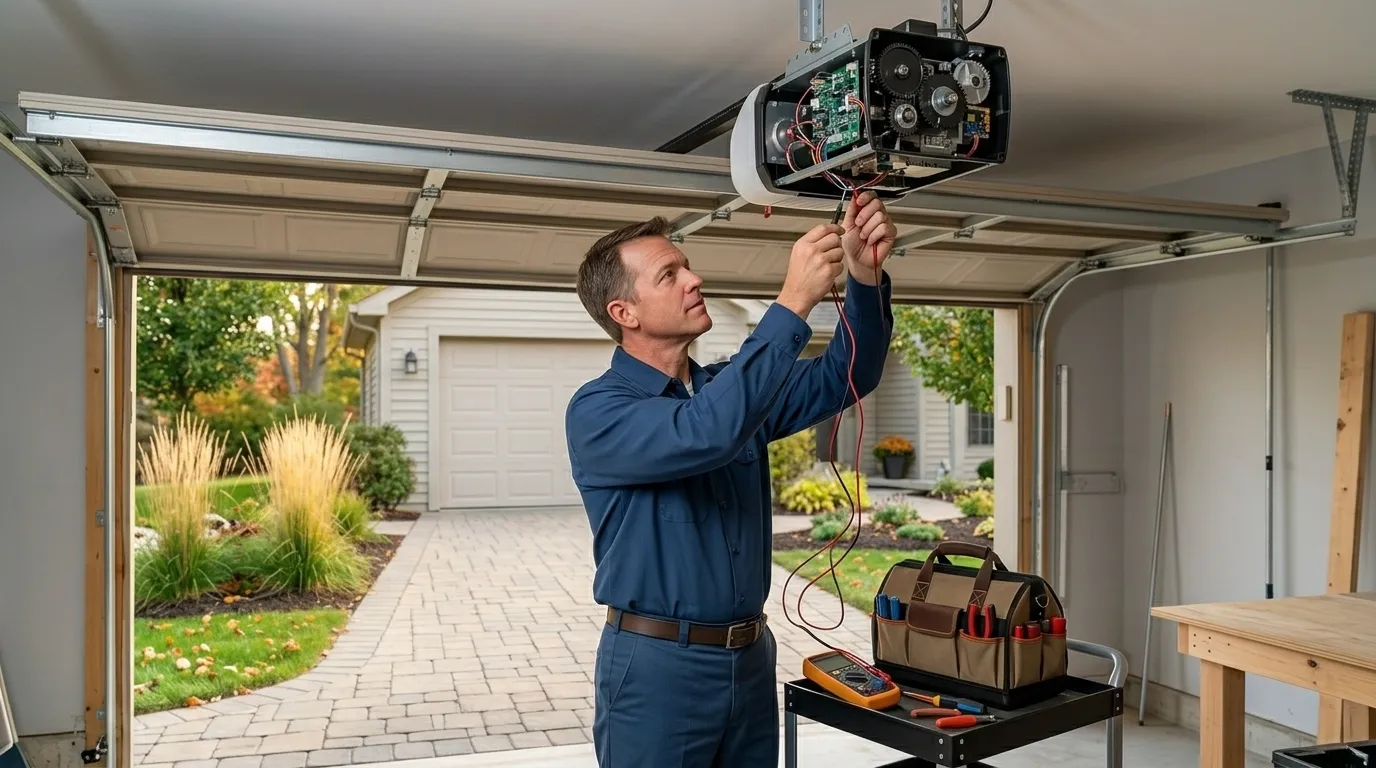
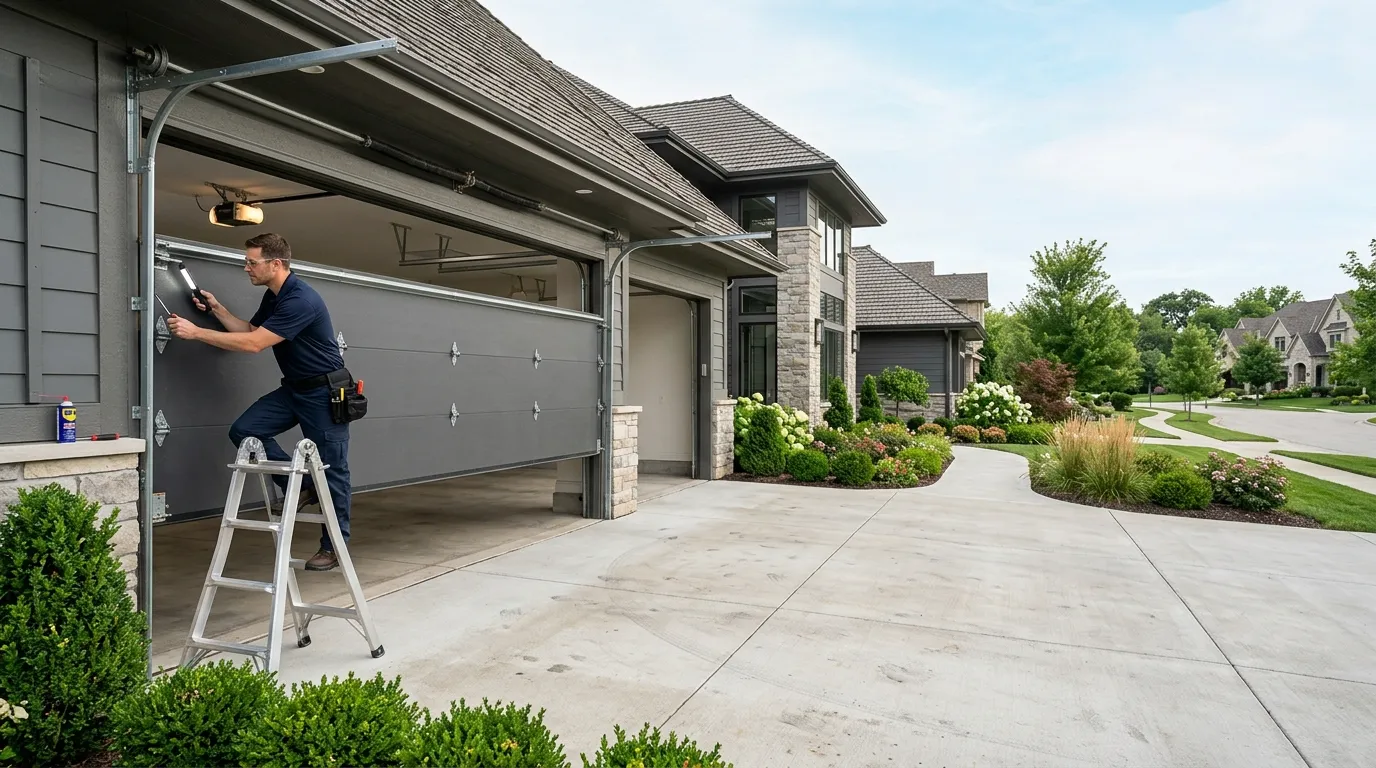
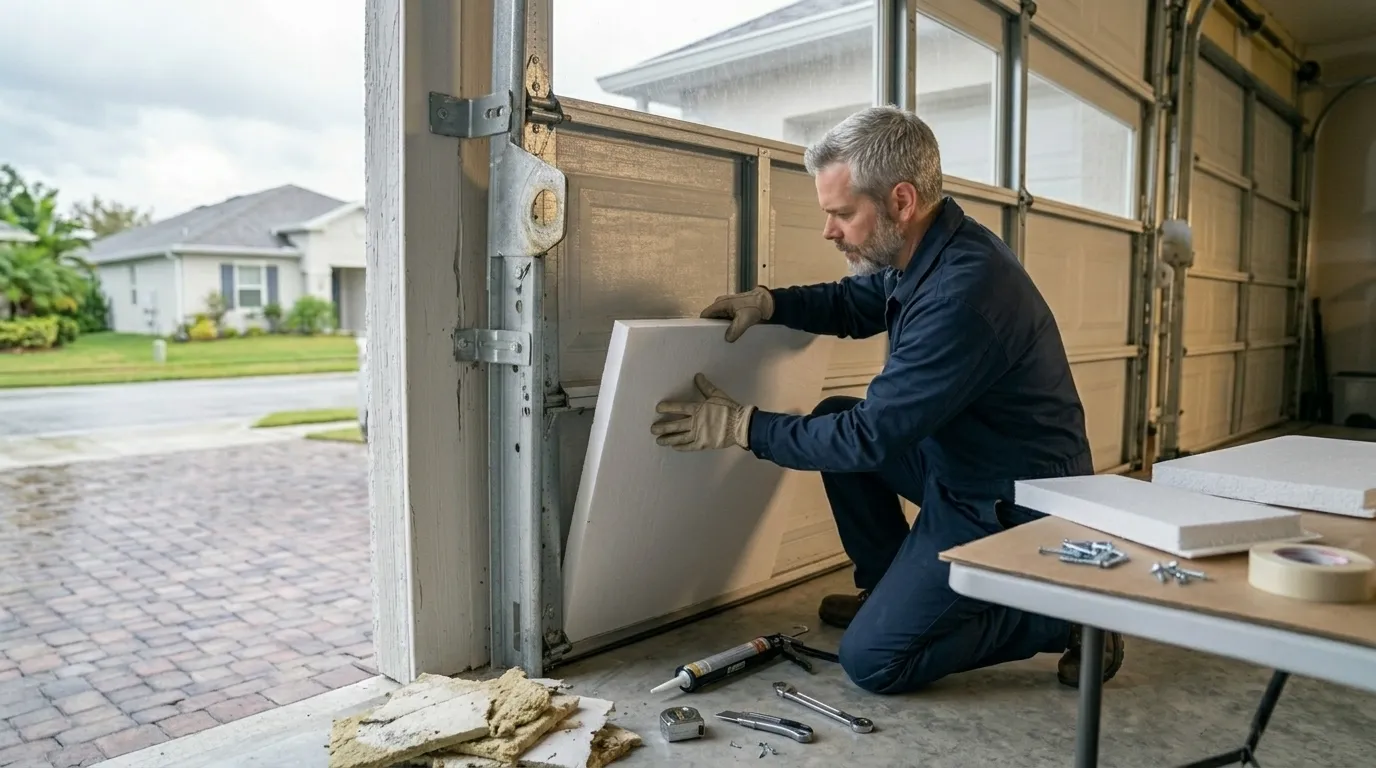
Most emergency calls here break down to one of three things: a broken torsion spring on a double door, a cable that's jumped the drum, or an opener that's stopped talking to the wall switch. Because the housing stock is newer, the springs are usually standard torsion, wound to fit a door and header height that hasn't changed much since it went up. That's good news for the repair; it means the part on the truck usually fits without a special order. Where it gets slower is anything involving the opener's logic board or a track that's been bent by someone trying to force a stuck door. Those calls take longer because we're diagnosing before we're fixing, not just swapping a part. We'll tell you upfront which kind of call it looks like once we're on site and the door is off the opener. If it's a spring or cable, that's a same-visit fix in the normal case. If it's electronics, sometimes the part has to be ordered, and we're honest about that rather than promising a fix we can't do that day.
Where This Job Goes Sideways
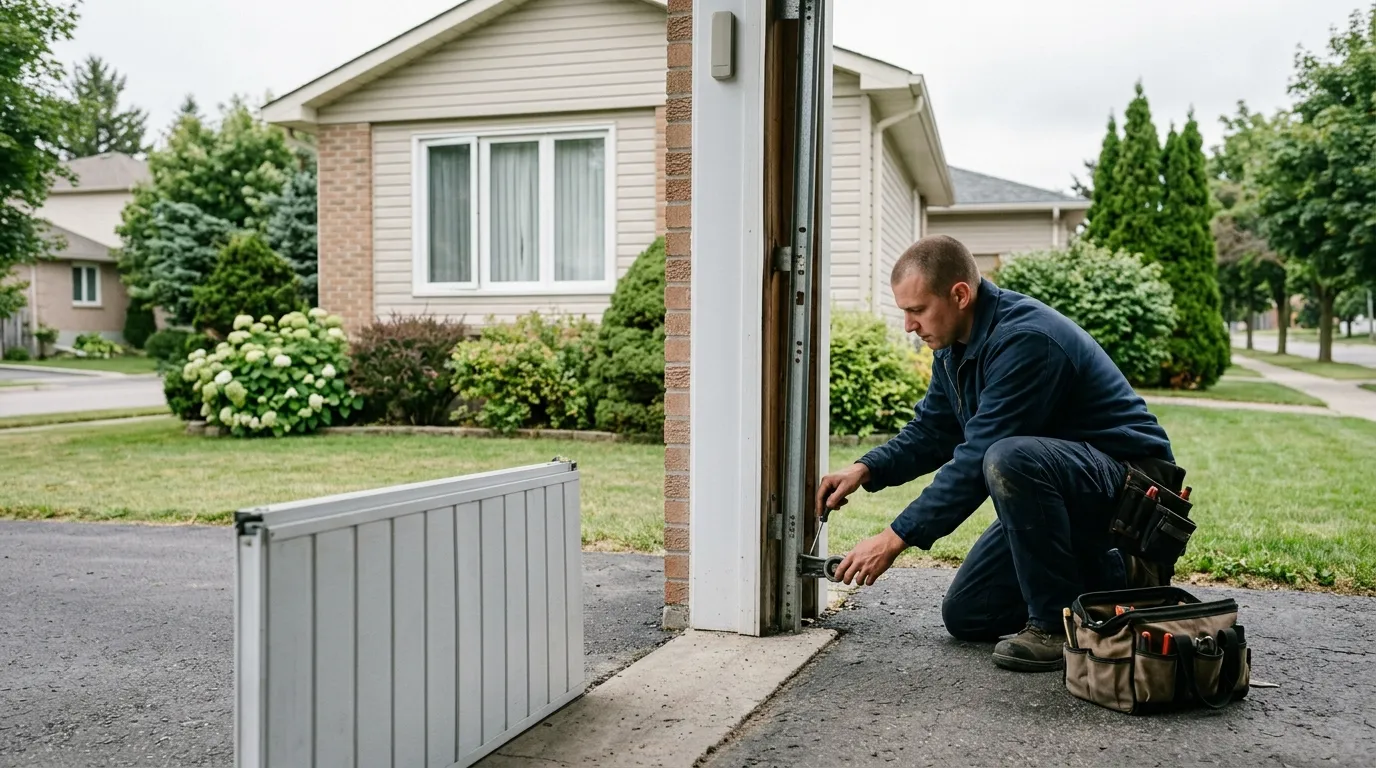
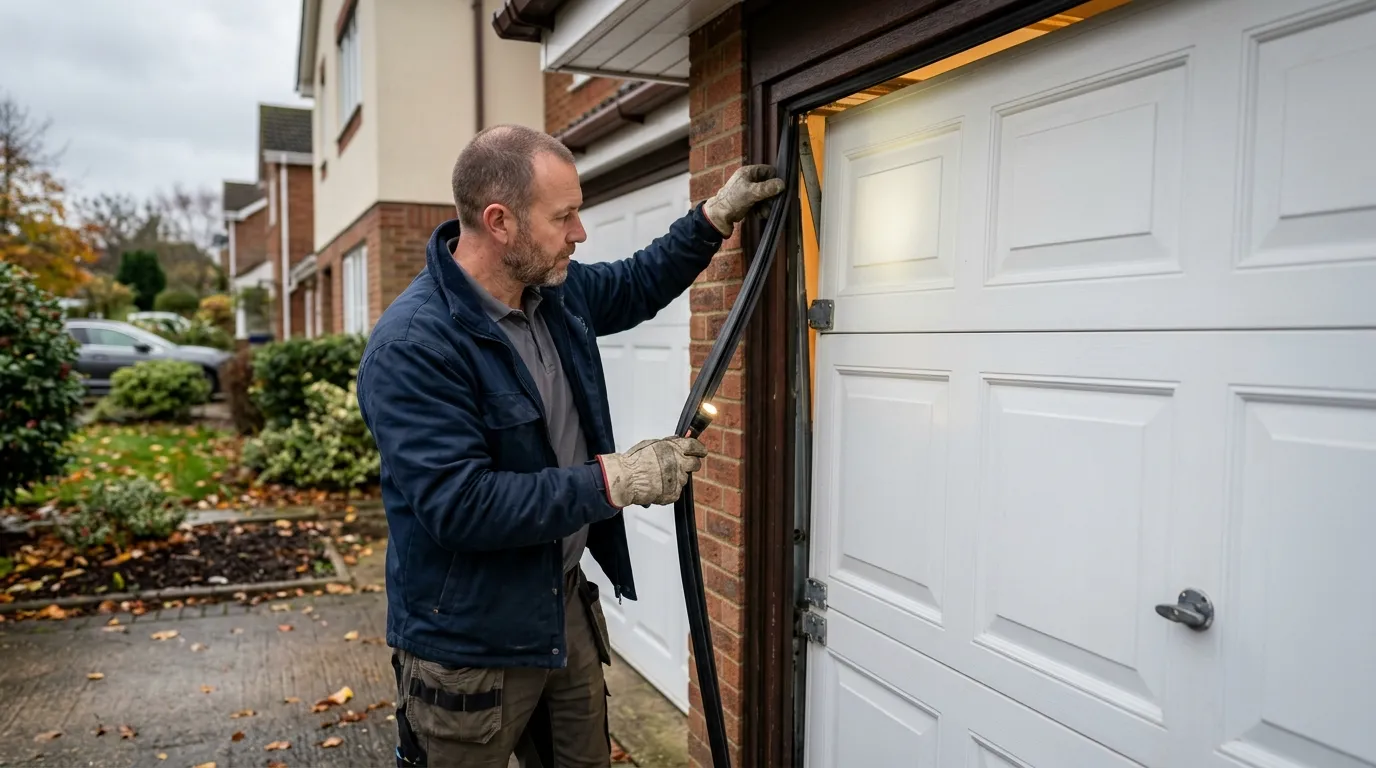
The failure mode we see most in newer-stock neighborhoods like this one isn't age, it's a homeowner or handyman having already tried to force the door before calling. A bent track or a spring that's been partially wound down by hand turns a twenty-minute spring swap into a longer job, because now we're straightening hardware before we're replacing the part that actually broke. The other place it goes sideways is openers: a board that's failed intermittently can look fixed for a day or two after a reset, then fail again. We won't tell you it's solved just because it worked once on the driveway. With roughly 5,570 households in town, this isn't a high call-volume stop compared to the bigger cities nearby, so we're not rushing a diagnosis to get to the next job. That's worth saying plainly, because rushing a call is exactly how a bent track gets missed.
What You Pay
We don't have a posted price to give you here, and we'd rather say that than make one up. What we can say is that median household income here runs $104,920, well above the $84,862 median across the wider service area, which tends to show up less in what people pay for a repair and more in what they choose: a full opener replacement instead of a patch job, or a matched pair of springs instead of just the one that broke. Cost depends on the part, not the town, and we quote it once we've seen the door. If a repair isn't worth it, meaning the door or opener is old enough or damaged enough that a fix would just delay a bigger failure, we'll say that instead of running up a bill on a door that should be replaced.