How It Shows Up
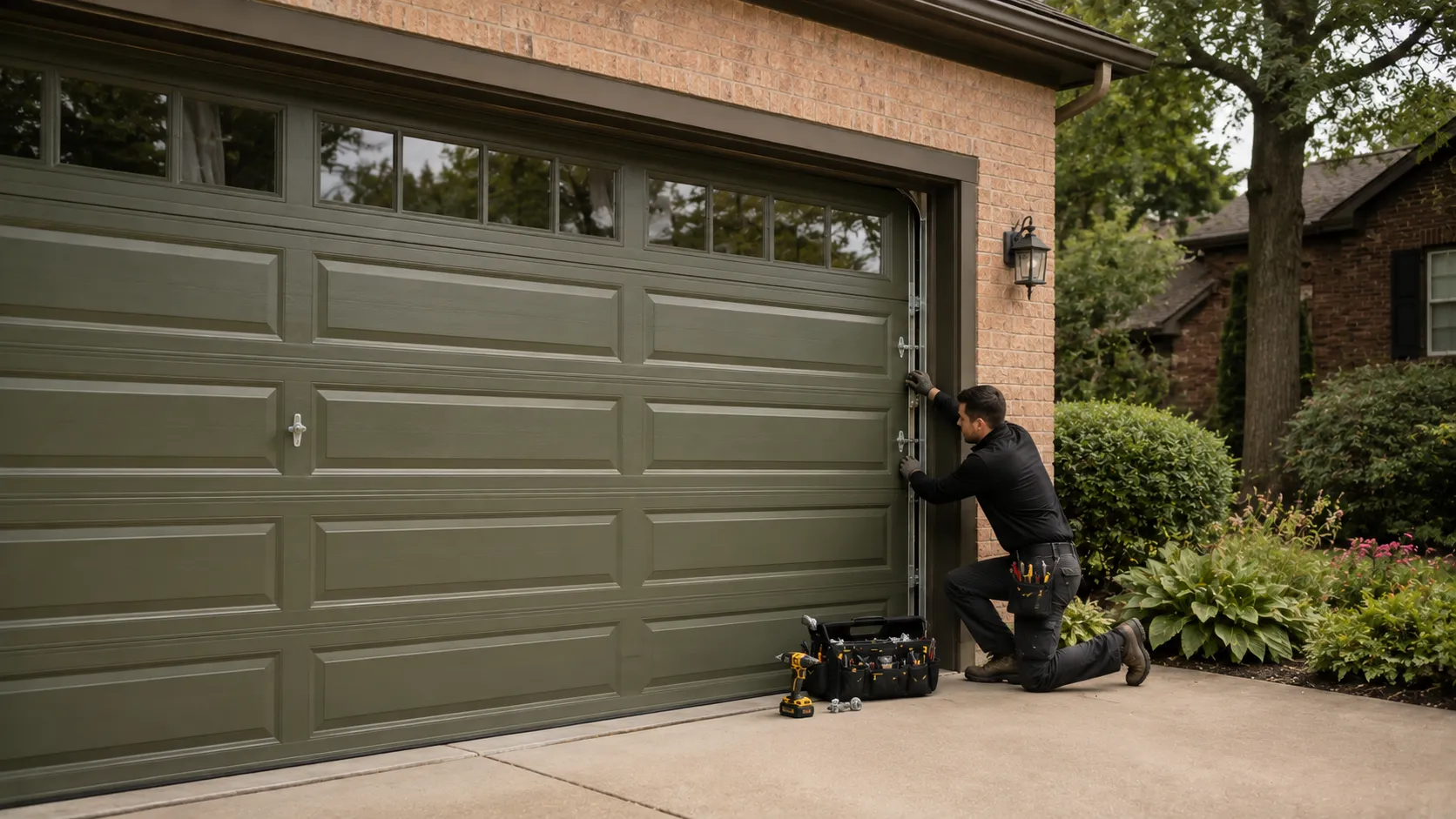
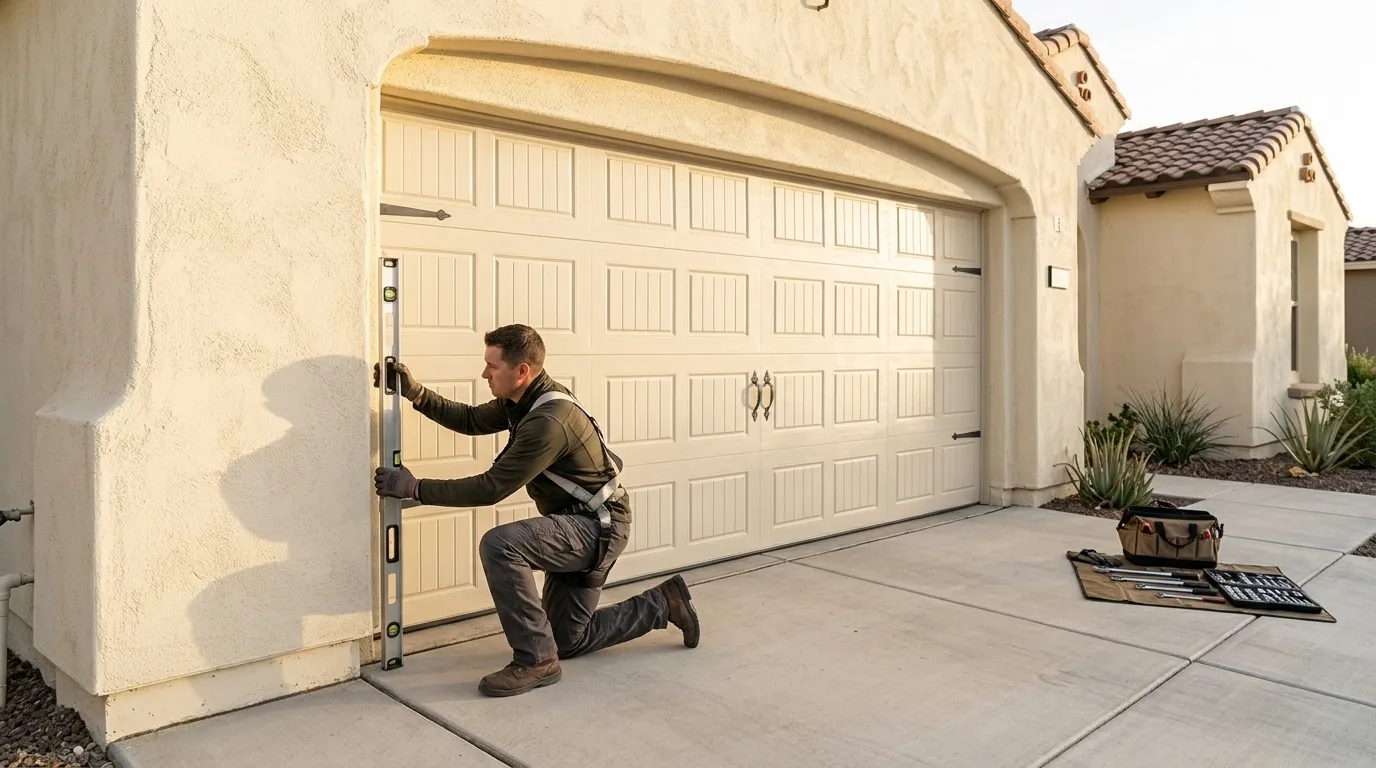
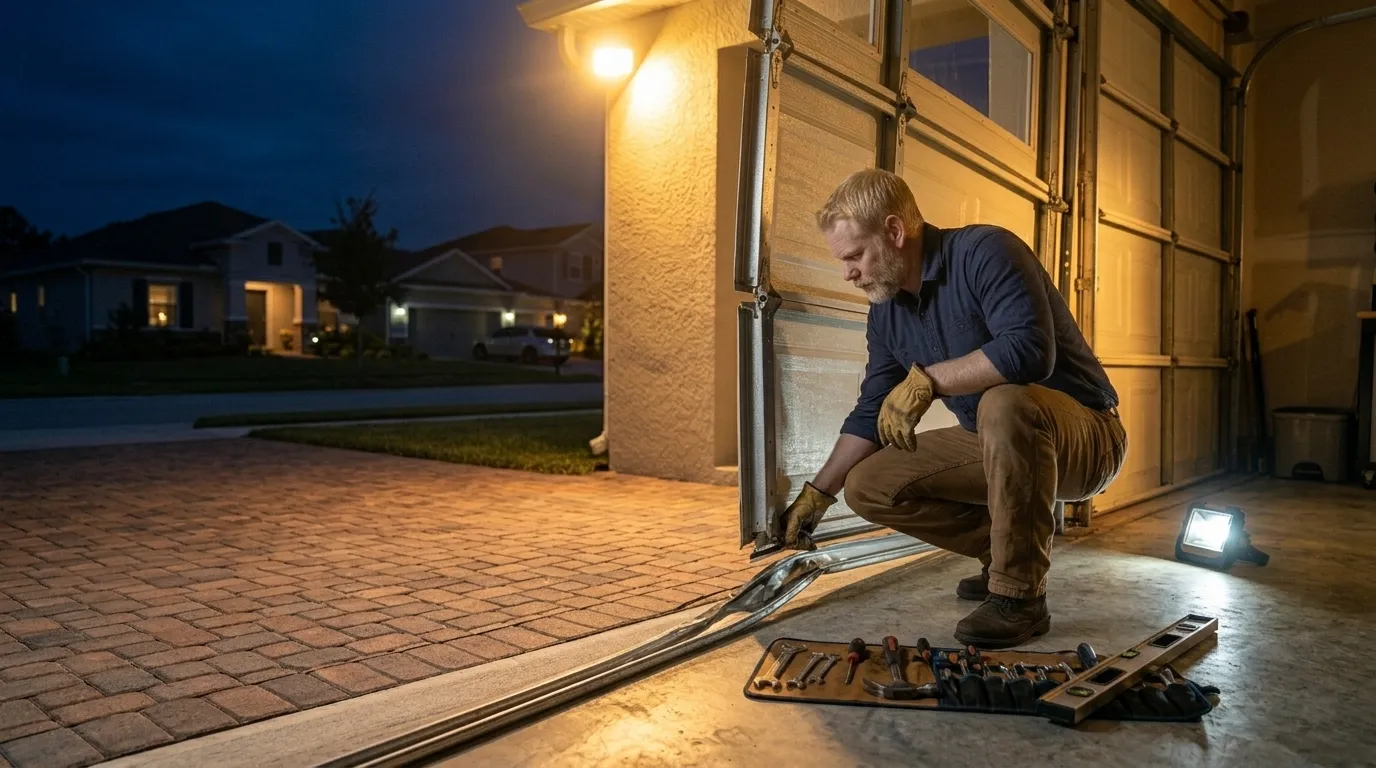
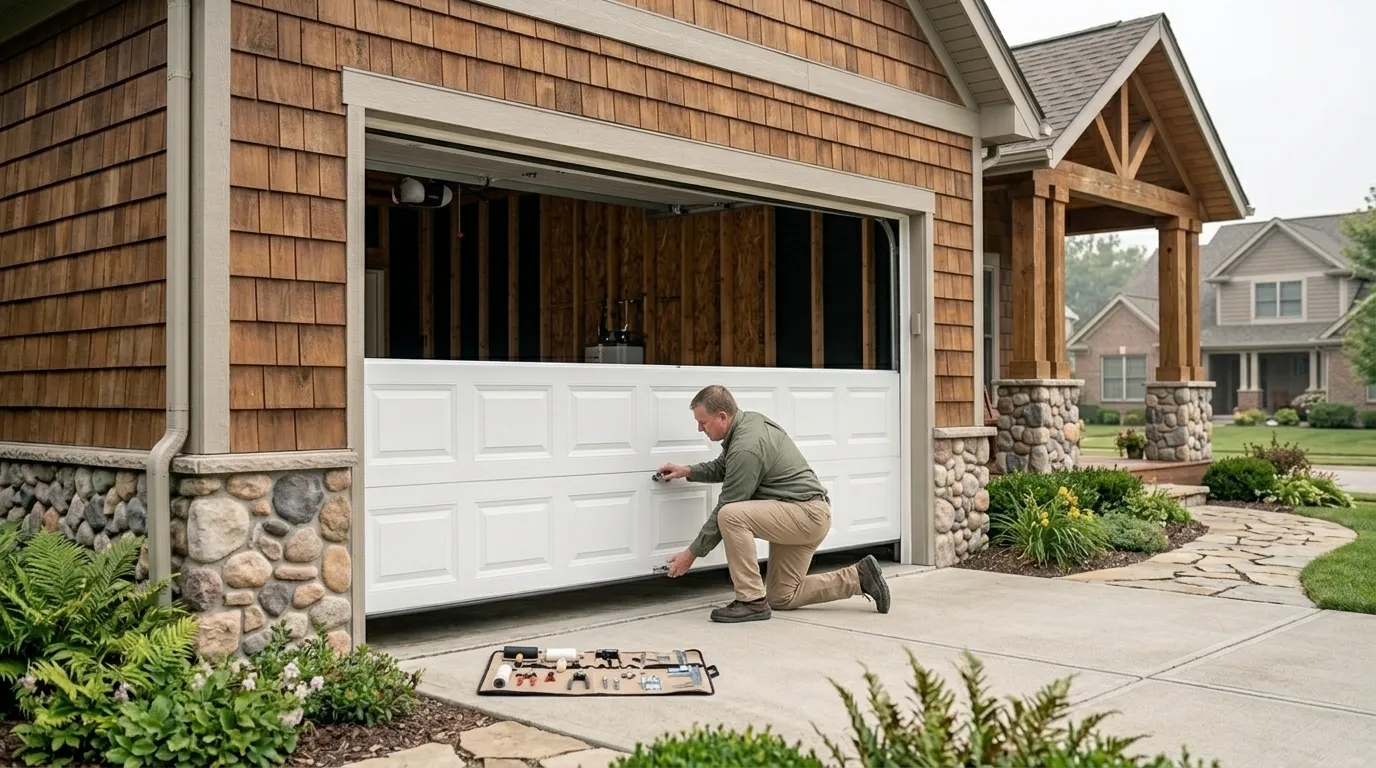
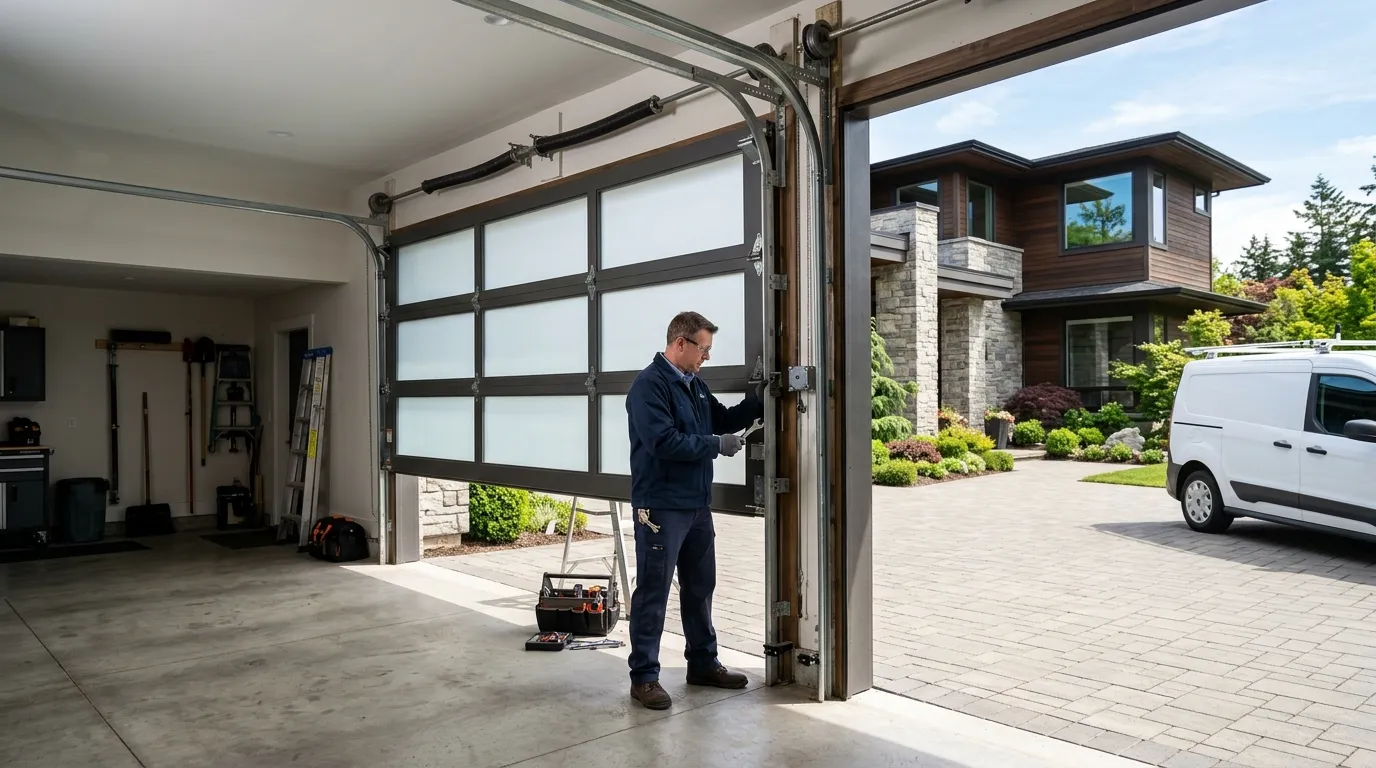
Most of the commercial doors we get called out to in Auburn Hills are steel sectional units on galvanized track, put up around a median build year of 1990 - three decades newer than the 1960 median across the wider Rochester Hills service area. That gap matters. A door from a 1990-era build is wider and heavier than the old wood-panel doors on pre-1970 stock, usually sized for a light industrial bay or a service dock rather than a single-car garage. The failure you see first is almost always the track hardware, not the panel itself: rollers worn flat from daily open-close cycles, or a torsion spring that's simply reached the end of its rated cycle count. On a door this size, a spring failure doesn't just stick the door - it can drop a slab of steel that weighs more than most people expect. We don't diagnose that over the phone. We look at the hardware in person before we say what it needs.
Where This Job Goes Sideways
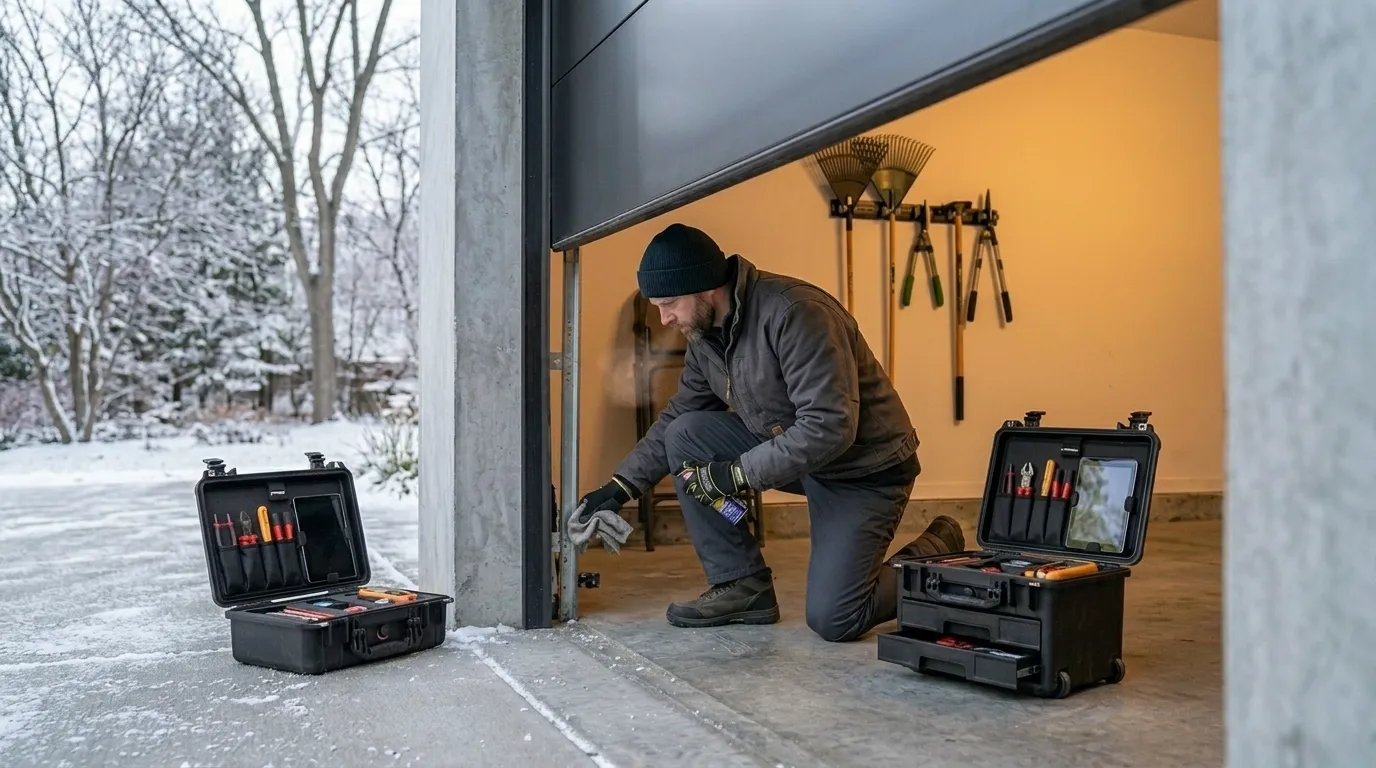
The mistake we see most on Auburn Hills commercial calls is a business owner replacing a broken cable or a bent track section without checking whether the opener itself is rated for the door's cycle count. A 1990s-era commercial door pushed hard, five or six open-close cycles a day, wears an underpowered opener out faster than the door. Swap the cable and leave the opener alone, and you're back out here in six months for the same call. The other place it goes sideways is insulation. Michigan's winters sit in the cold-severe band, and a lot of the steel doors from that construction period were installed without insulated panels - fine for a warehouse, rough on a space where staff work near the bay. We flag that when we see it, but we don't push a replacement someone doesn't need.
Why This Fails Locally
At $78,727, the median household income in Auburn Hills runs below the $84,862 average across the roughly 233,489 households this company covers, and that shows up in how long a business waits before calling - a repair gets put off until the door won't close, not when it first starts grinding. Combine that with a building stock that's newer than the area norm (median year built 1990 versus a 1960 median area-wide) and you get a specific pattern: doors that are mechanically sound but running on original 30-year-old hardware nobody's serviced since install. That's not a housing-stock problem the way it is in an older suburb full of one-piece doors on side-mount torsion - it's a maintenance-deferral problem on newer equipment that was built to last longer than it's been checked.
What the Repair Takes
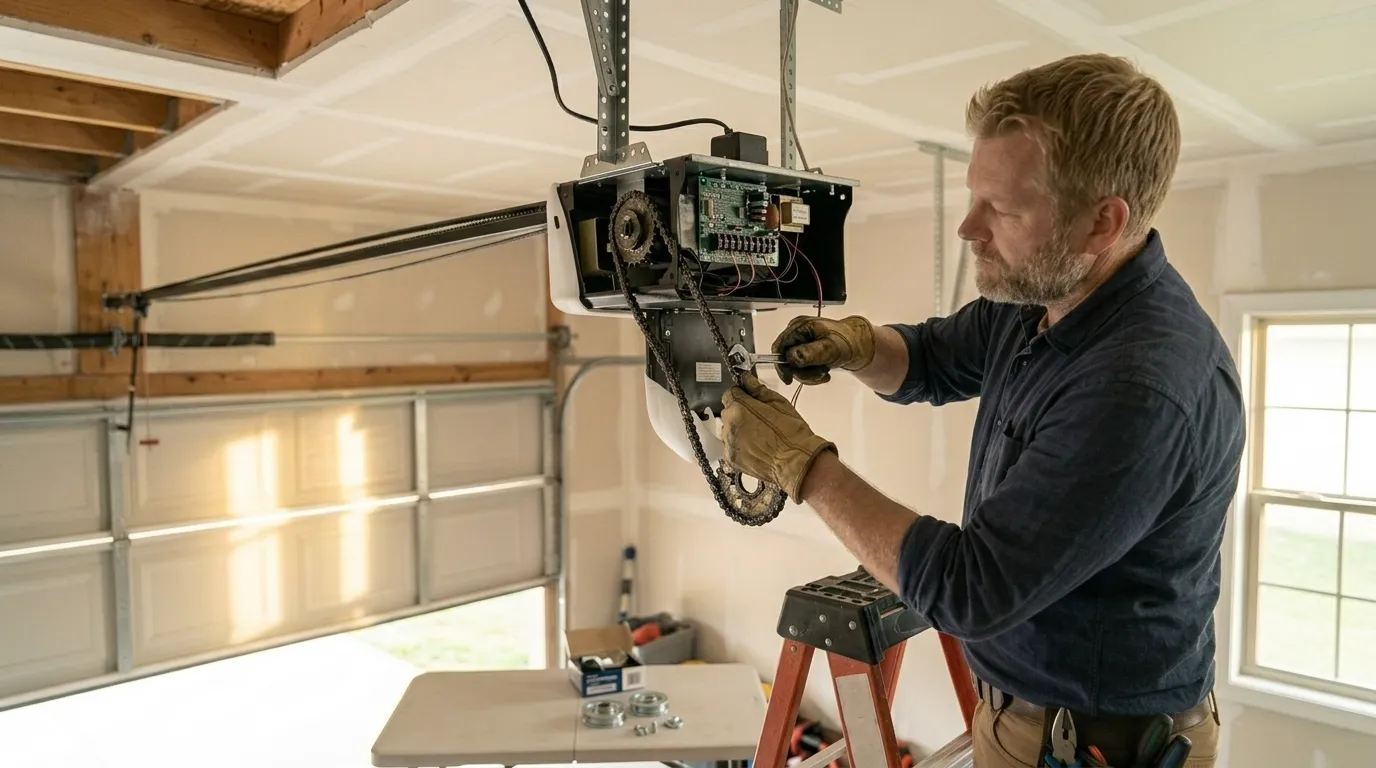
We come from Rochester Hills, four miles out, so there's no local depot or standing crew in Auburn Hills - every job is a dispatched truck, not a drop-in. For a commercial sectional door of this era, the repair usually means pulling the spring assembly, checking roller and hinge wear across the full panel run, and testing the opener's cycle behavior under load rather than just at idle. If the opener's the original 1990s unit, parts can take longer to source than a same-week job, and we'll say so up front rather than promise a date we can't hold. Replacement makes more sense than repair once the track is bent past true or the panel steel has rusted through at the bottom section - patching either one just moves the next call closer.