How It Shows Up
The call we get most from Auburn Hills isn't a door stuck shut, it's a door that groans, hesitates, or reverses halfway up. That's the opener, not the door itself, and it tracks with the age of the house. A lot of Auburn Hills went up around 1990, which puts a huge share of original openers at thirty-plus years old - well past the point where the drive gear, capacitor, or logic board holds up under daily use.
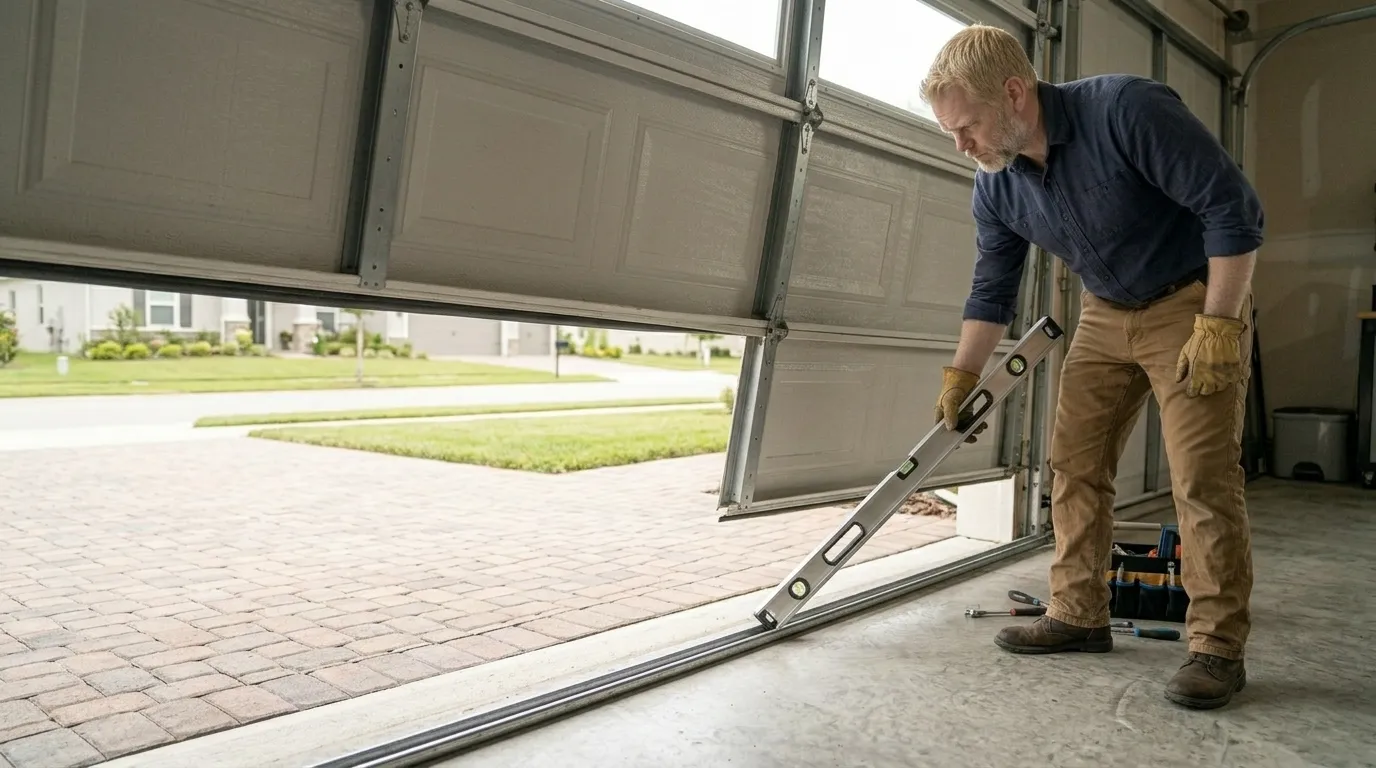
Because the housing here clusters tighter around that 1990 build date than a lot of the surrounding area, we see the same failure pattern over and over: chain-drive openers from that era losing their travel limits, and the steel sectional doors that came standard then starting to bow at the bottom panel where the extension springs pull unevenly. It's not random wear. It's a generation of the same door and the same opener hitting the end of its service life at close to the same time, on close to the same street pattern.
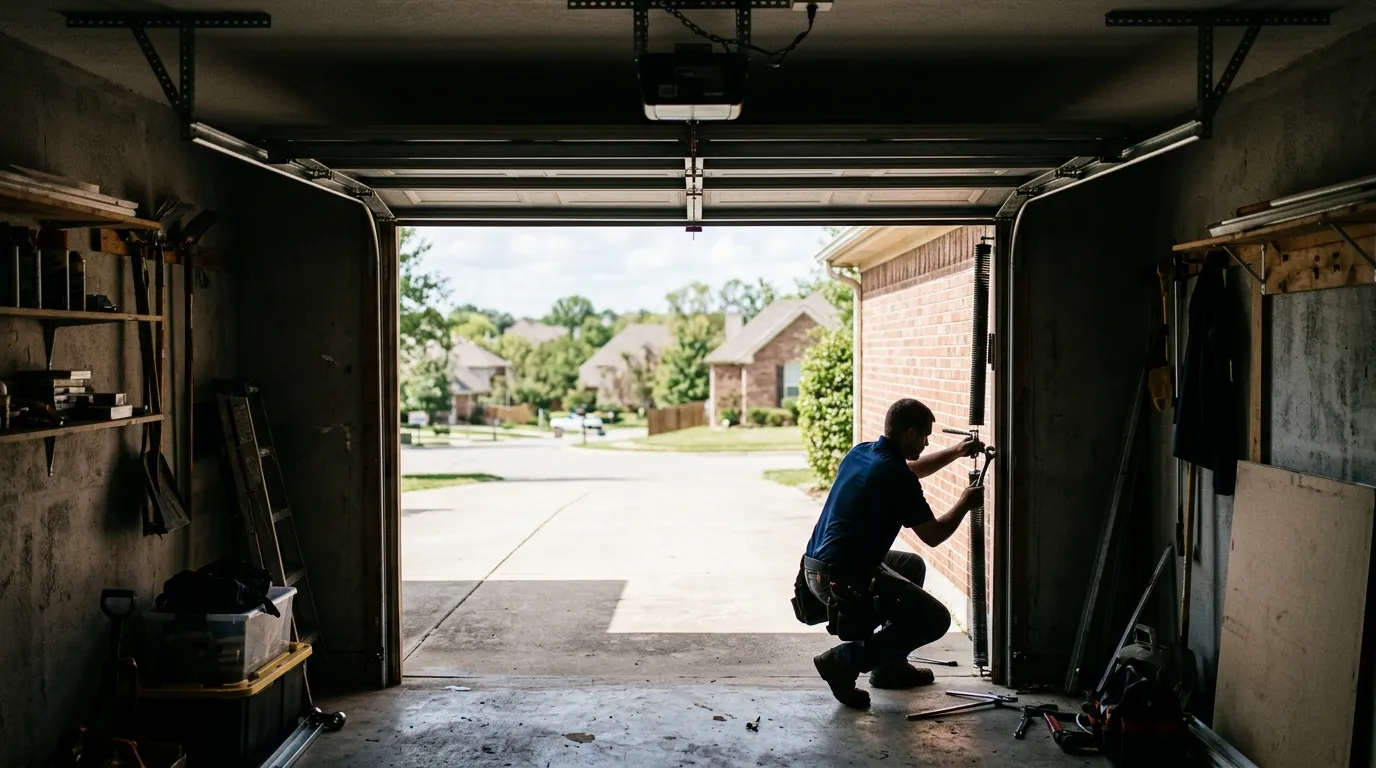
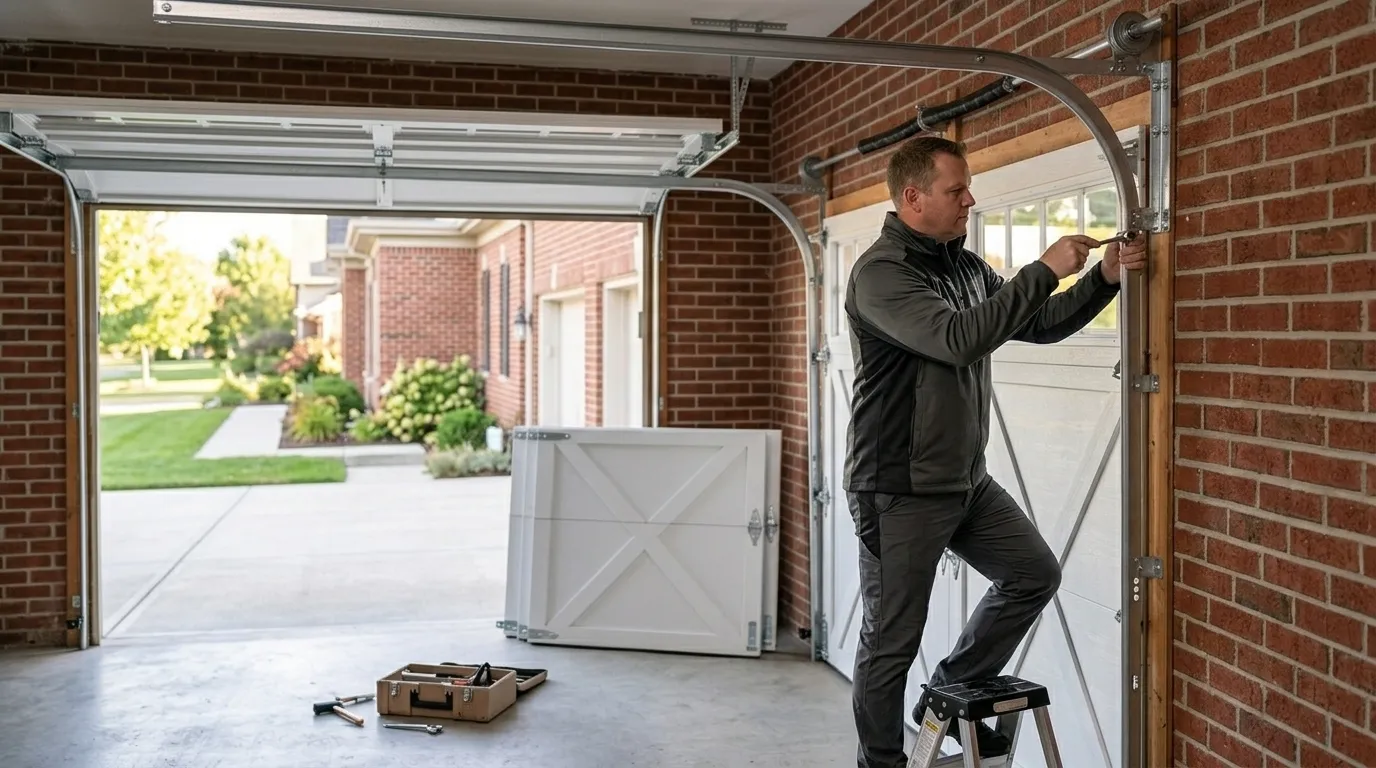
Springs on these doors are usually extension-style, mounted along the horizontal track rather than over the header, which is a different repair than the torsion setups common on older stock elsewhere in the area.
Where This Job Goes Sideways
The mistake we see most in this age of house is a partial fix. Someone replaces the opener because it stopped responding to the remote, but leaves the original extension springs in place because the door still closes. Six months later the new opener is straining against springs that lost half their tension a decade ago, and it burns out again - this time for a reason that had nothing to do with the opener itself.
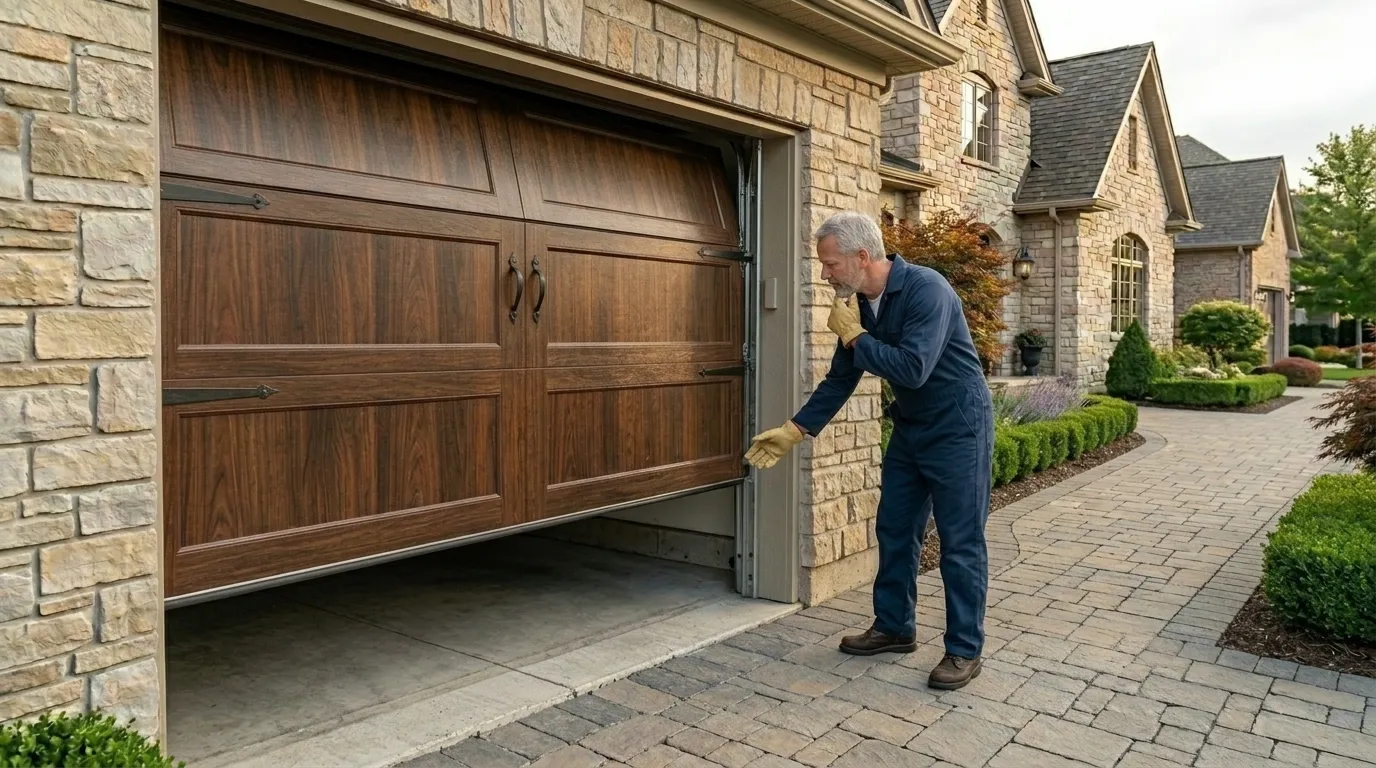
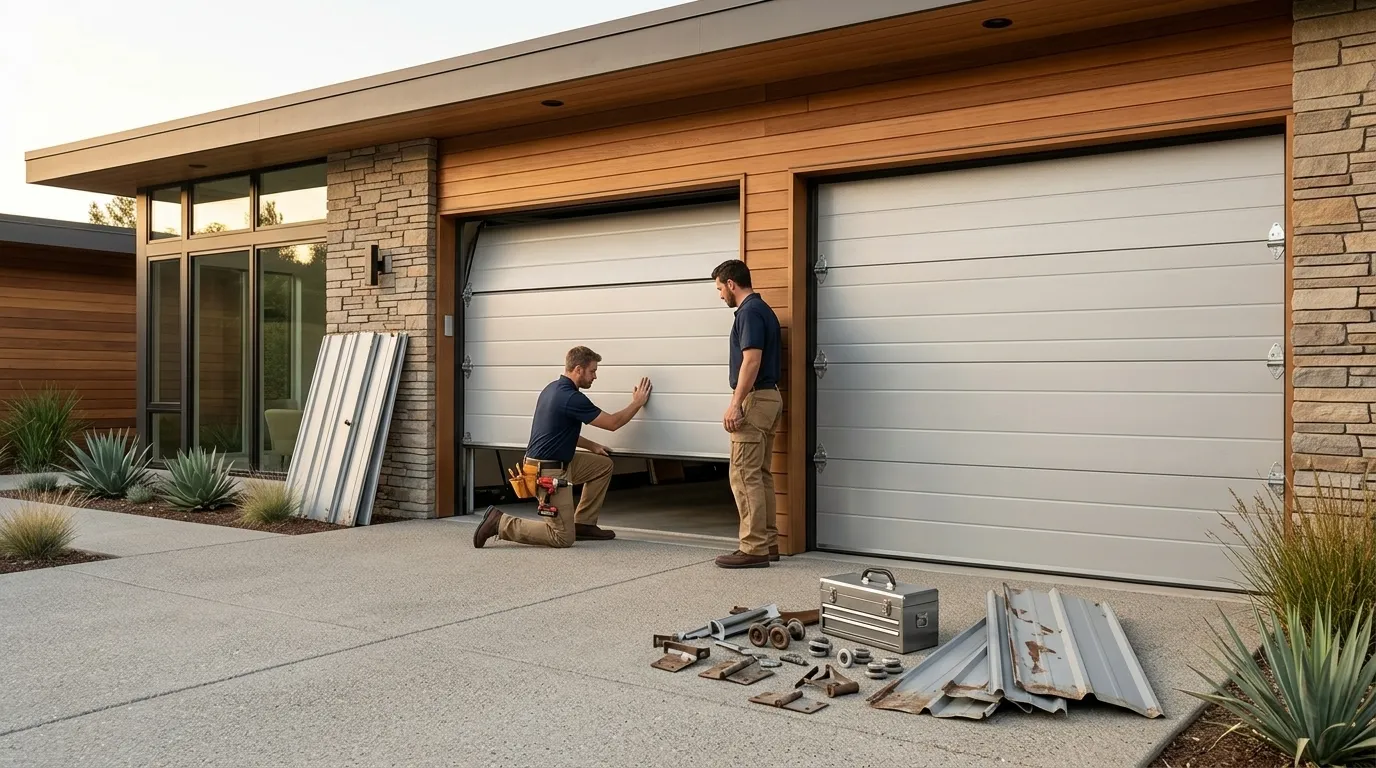
The other sideways turn is panel mismatch. A door damaged in one section gets a single replacement panel ordered online without checking gauge or profile against the rest of a door built around 1990. It bolts on, looks fine for a season, then the seams start working loose because the new steel doesn't flex the same way as the thirty-year-old panels next to it.
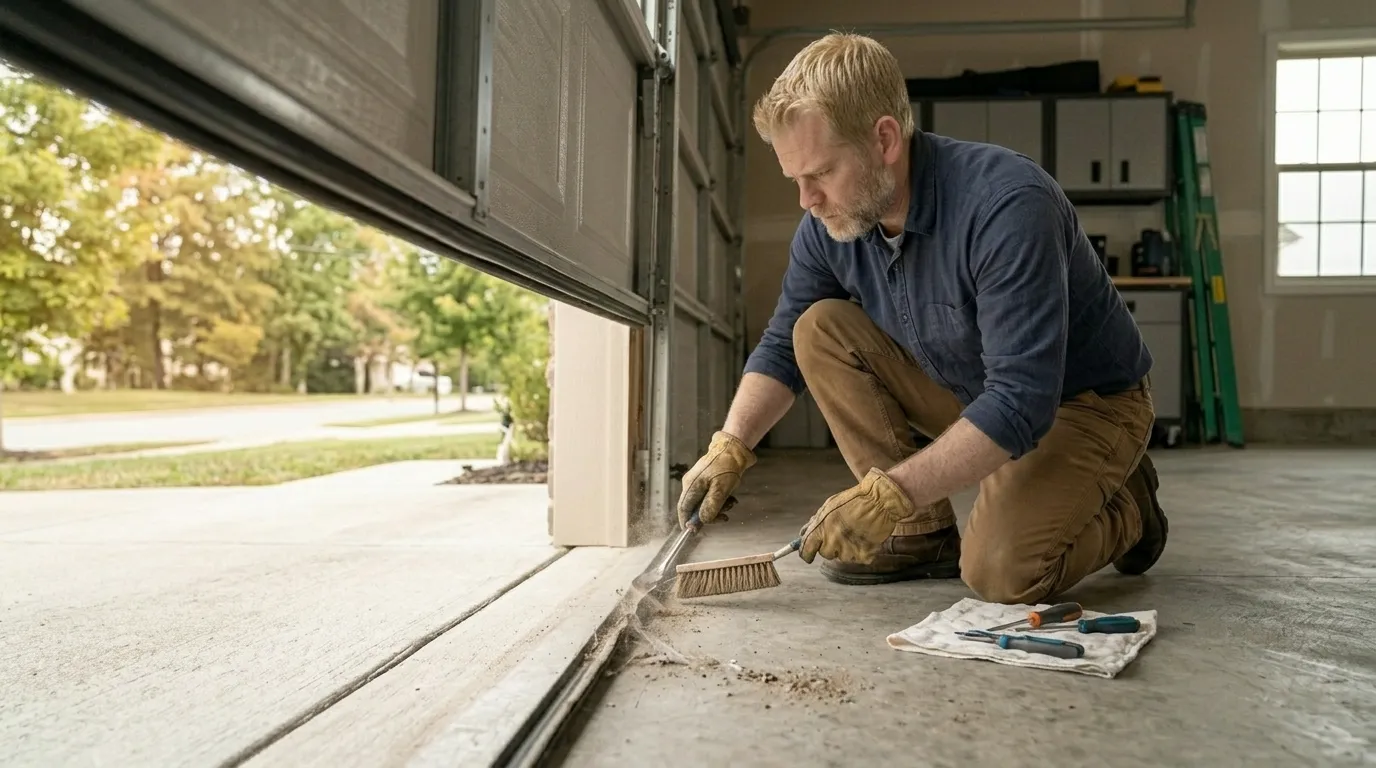
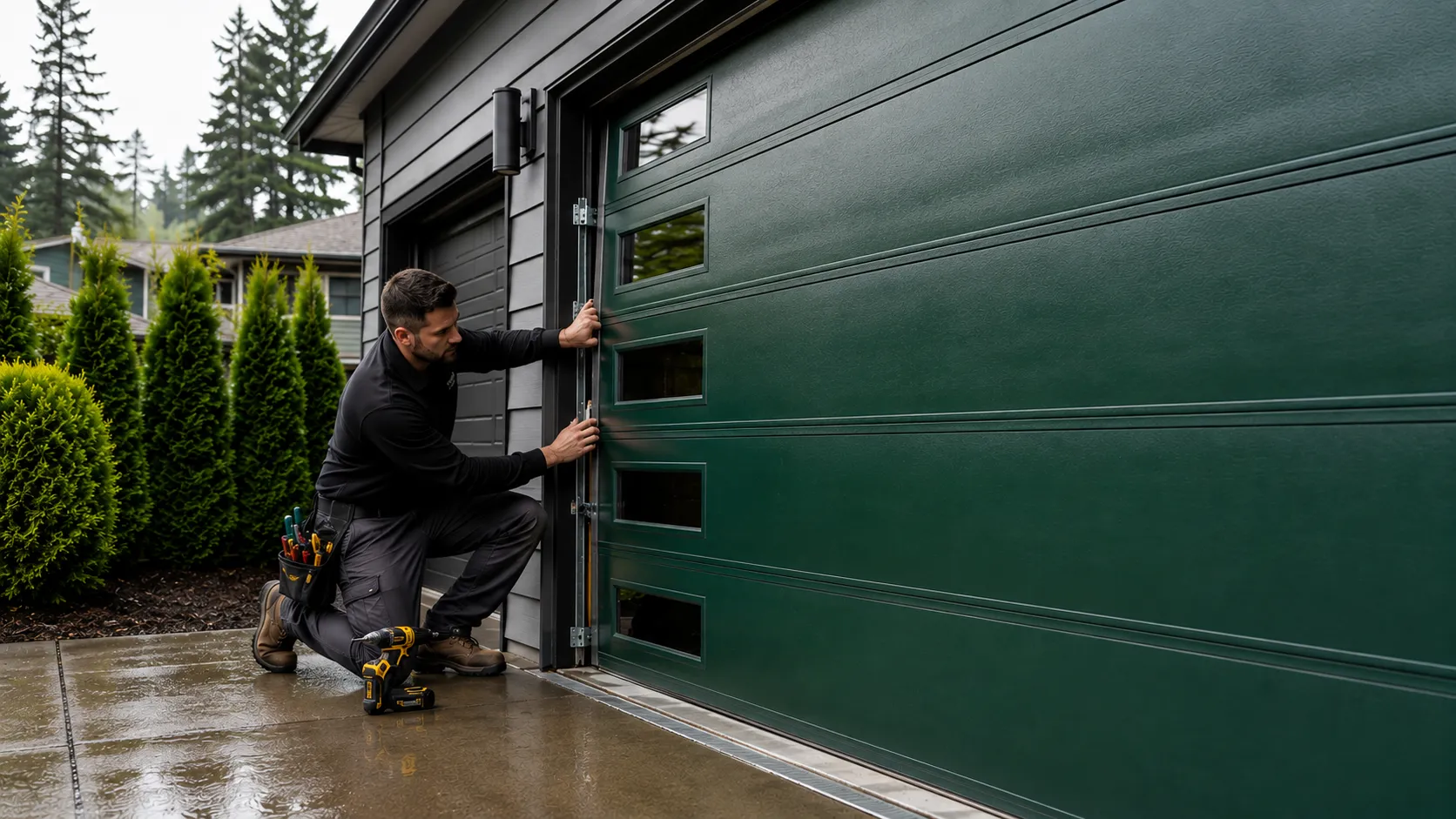
We also see this in houses where the garage sits on the north or west face - with a Cold-severe climate on this side of the state, ice buildup at the bottom seal is constant through winter, and a door that's already out of adjustment from tired springs will bind against that ice instead of breaking it, which is when the track bends.
Why This Fails Locally
Auburn Hills sits about 4 miles from our shop in Rochester Hills, and the households here - roughly 11,223 of them - sit on the newer end of the build spectrum for this part of the state, where the wider service area's housing runs from 1938 through 2002 with a median around 1960. That difference matters: doors and openers here are a full generation newer than what we find in the older pockets nearby, which means the failure isn't rot or ancient torsion hardware, it's electronics and springs hitting end-of-life together.
Median household income here runs around $78,727, a bit under the $84,862 median across the broader service area, which is part of why we see more repair calls than full-replacement jobs in Auburn Hills - people fix the opener or the spring set rather than swap the whole door. That's not a bad instinct. A 1990s steel door with a fresh spring set and a new opener motor still has real years left in it.
What the Repair Takes
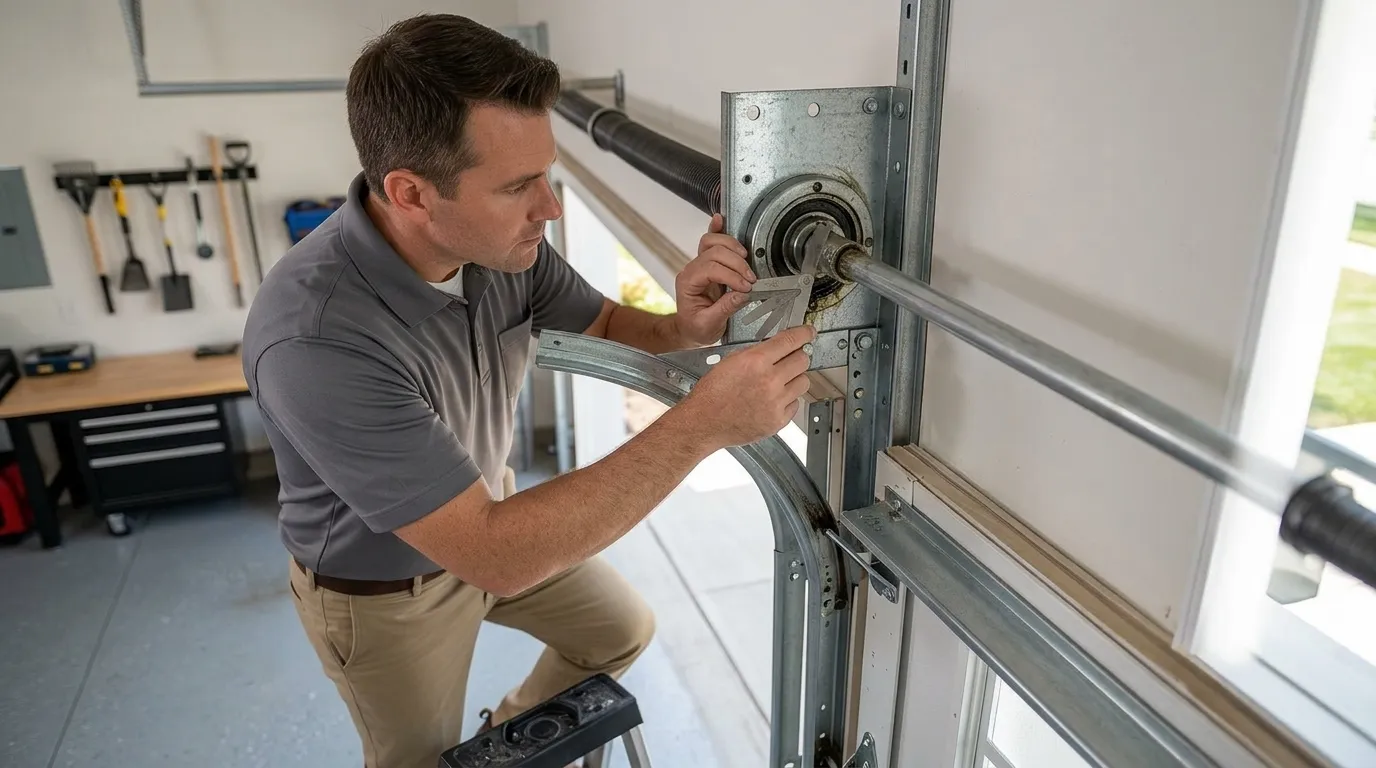
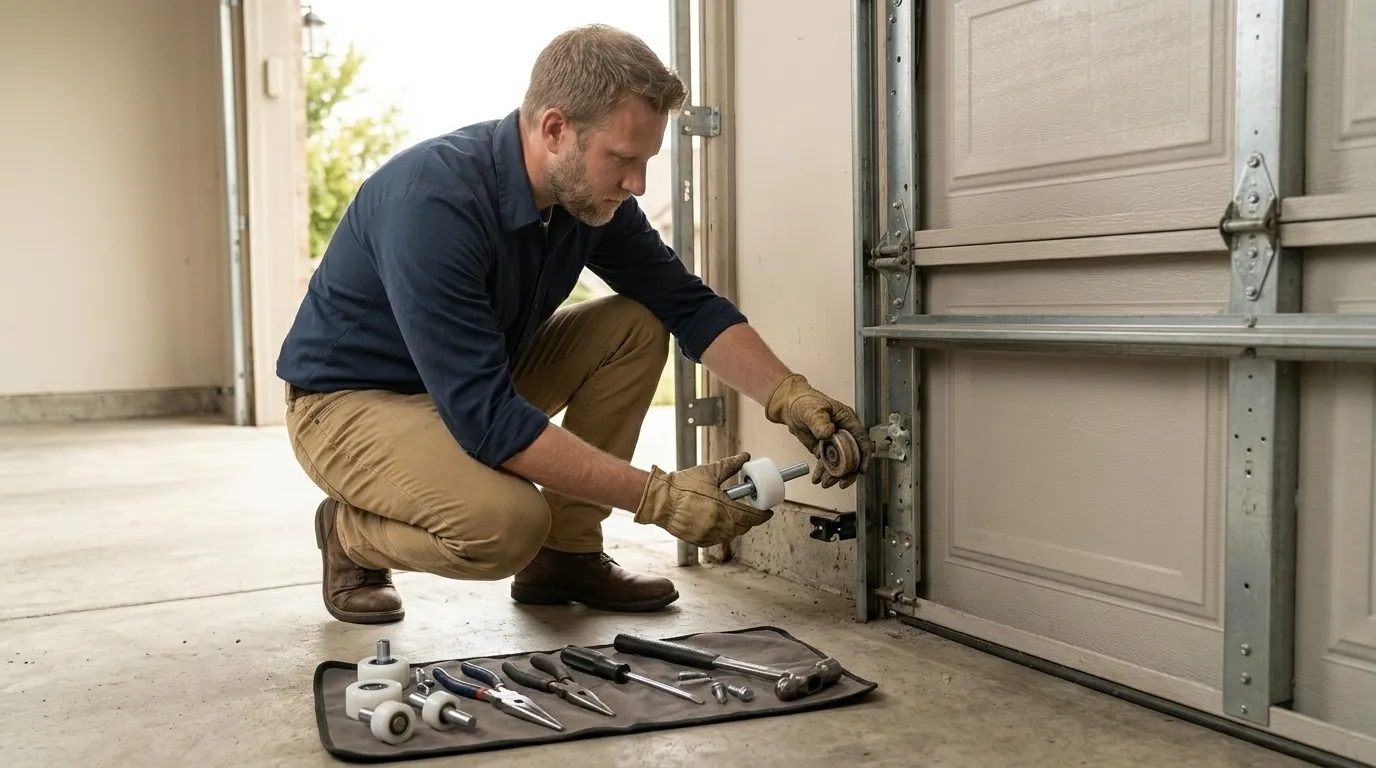
For an extension-spring door from this era, the job is usually a same-day spring set replacement, track alignment, and a check on the bottom seal before winter sets the ice pattern for the season. If the opener's the original unit, we test the drive gear and capacitor before we recommend replacing anything - sometimes it's a ten-dollar part, not a new motor.
One limit worth saying plainly: we travel to Auburn Hills from Rochester Hills, about 4 miles out, so we're not a walk-in shop on your block. We carry common spring sizes and opener parts on the truck, but a specific discontinued part for an older motor housing can mean a short wait while we source it. We'll tell you that on the phone, not after we've opened up your garage.