How It Shows Up
Most of the houses we get called to in Auburn Hills were built around 1990, which puts this town a full generation newer than a lot of the surrounding stock. That matters more than people think. A door and opener installed when a house was built in 1990 is now pushing 30-plus years on its original torsion springs, its original track brackets, and often its original chain-drive opener. Nobody in that house has ever replaced any of it, because nothing forced them to yet - it just got slower, louder, and heavier to lift by hand until one day it didn't lift at all.
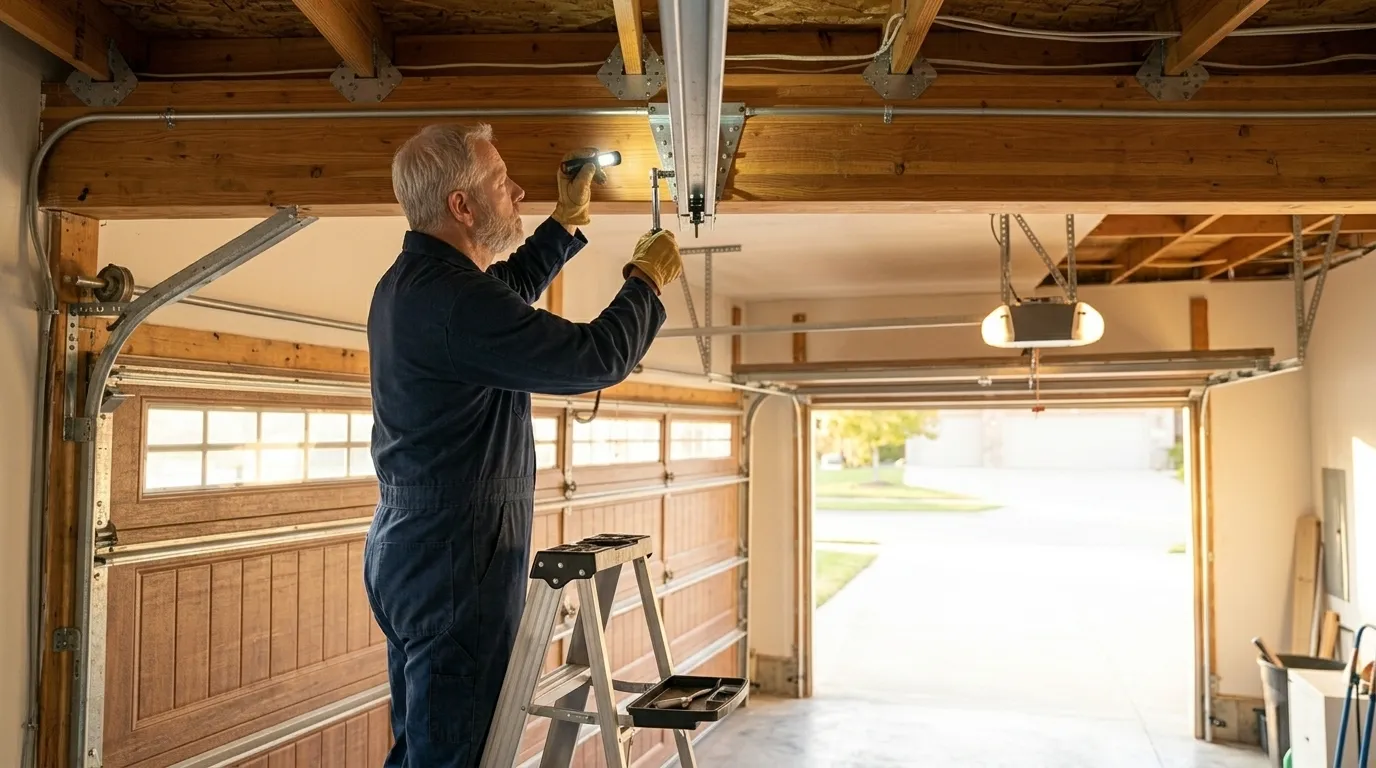
We see this pattern a lot here: the door itself looks fine, the panels aren't dented, the paint's holding up, but the guts of the system are original-build parts nearing the end of their service life all at once. That's different from an older neighborhood where springs and openers have usually been swapped once or twice already by different owners. In Auburn Hills, you're often the first person to touch this hardware since the house was framed.
Where This Job Goes Sideways
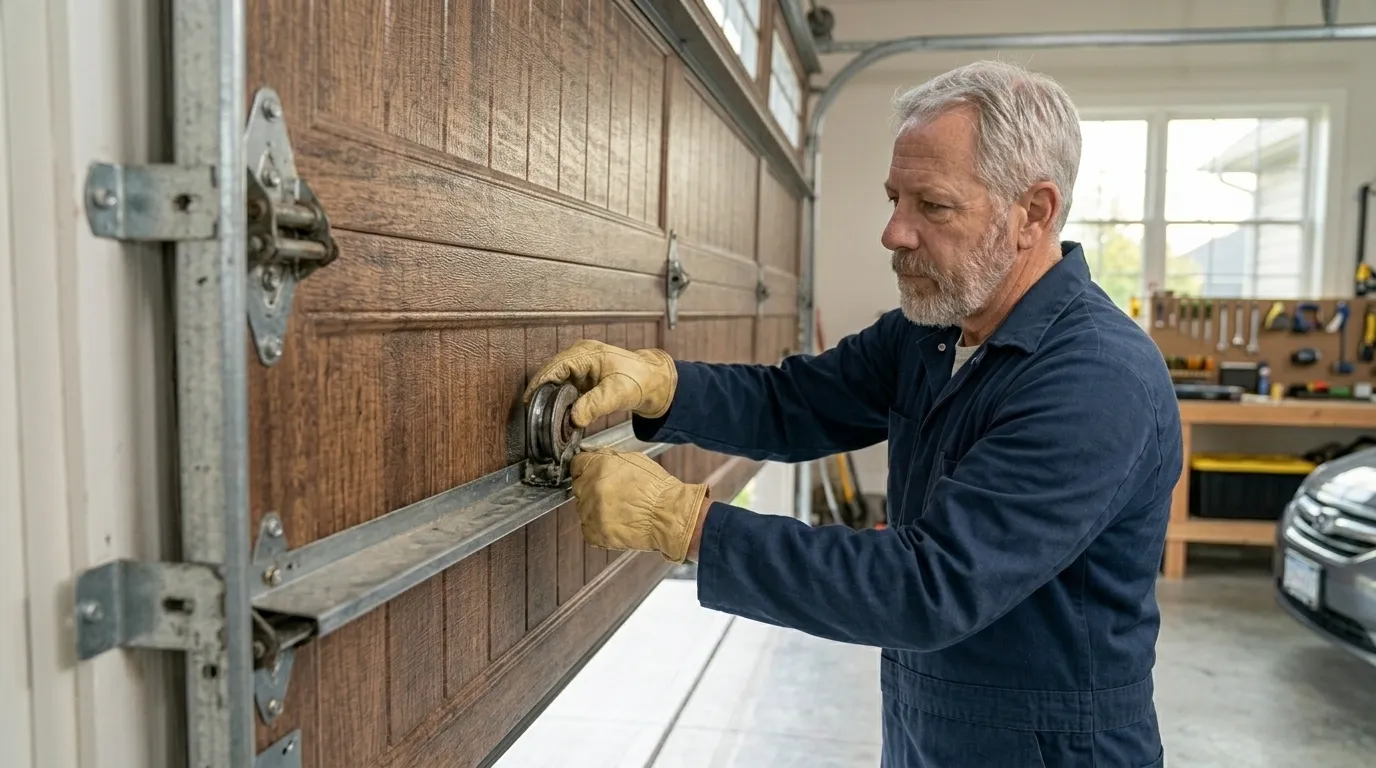
The mistake we run into most is treating this as a simple swap - same size door, same opener bracket, done in an afternoon. On a 1990-era build the header framing and track spacing were done to a code and a set of assumptions that are three decades old. Drop in a heavier insulated door without checking the spring wind and the opener rail, and you've got an opener straining against a load it was never rated for, or a door that binds on the same original jamb hardware nobody thought to inspect.
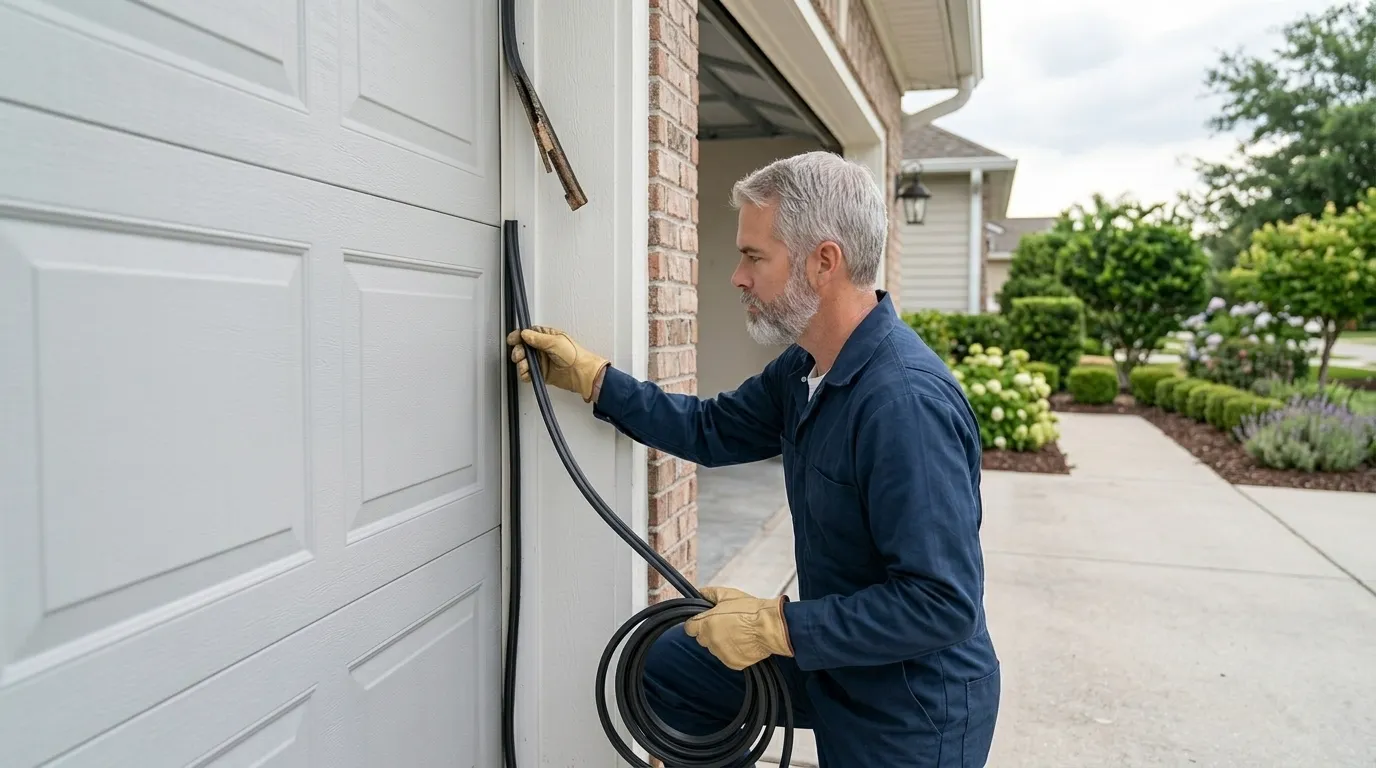
Cold matters here too. This area sits in a severe cold climate band, and a new door with a bad bottom seal or an under-sized spring set will show it the first hard freeze - stiff lift, ice-cracked seals, a track that won't glide until the garage warms up. We size the spring and weatherstripping for winter load, not for a mild-day test lift in the driveway.
Why This Fails Locally
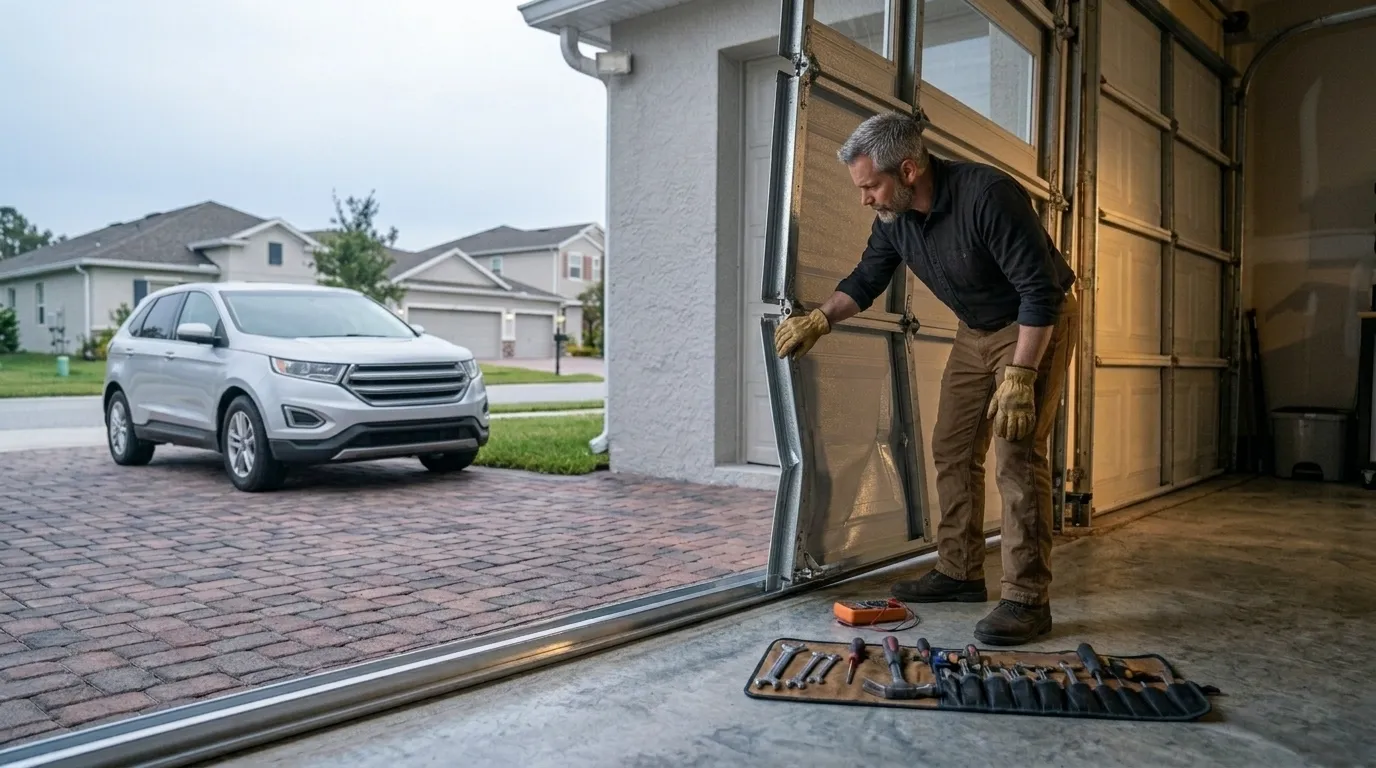
An install that ignores the build-year hardware underneath it fails in a specific way here: the new door goes in fine, runs fine for a season, then starts binding or the opener starts straining once winter hits and the old track brackets - still original to 1990 - can't hold true anymore. Auburn Hills sits about 4 miles from our shop in Rochester Hills, close enough that we're not guessing at the housing pattern; we're out here often enough to know that original-hardware failure, not door failure, is what actually brings people back to call a second time.
Across the wider area we cover, household income runs higher on average than Auburn Hills' own median of roughly $78,727, and that gap shows up in what people are willing to spend up front versus what they end up paying to fix a rushed job later. We'd rather size the spring and track right the first time.
What the Repair Takes
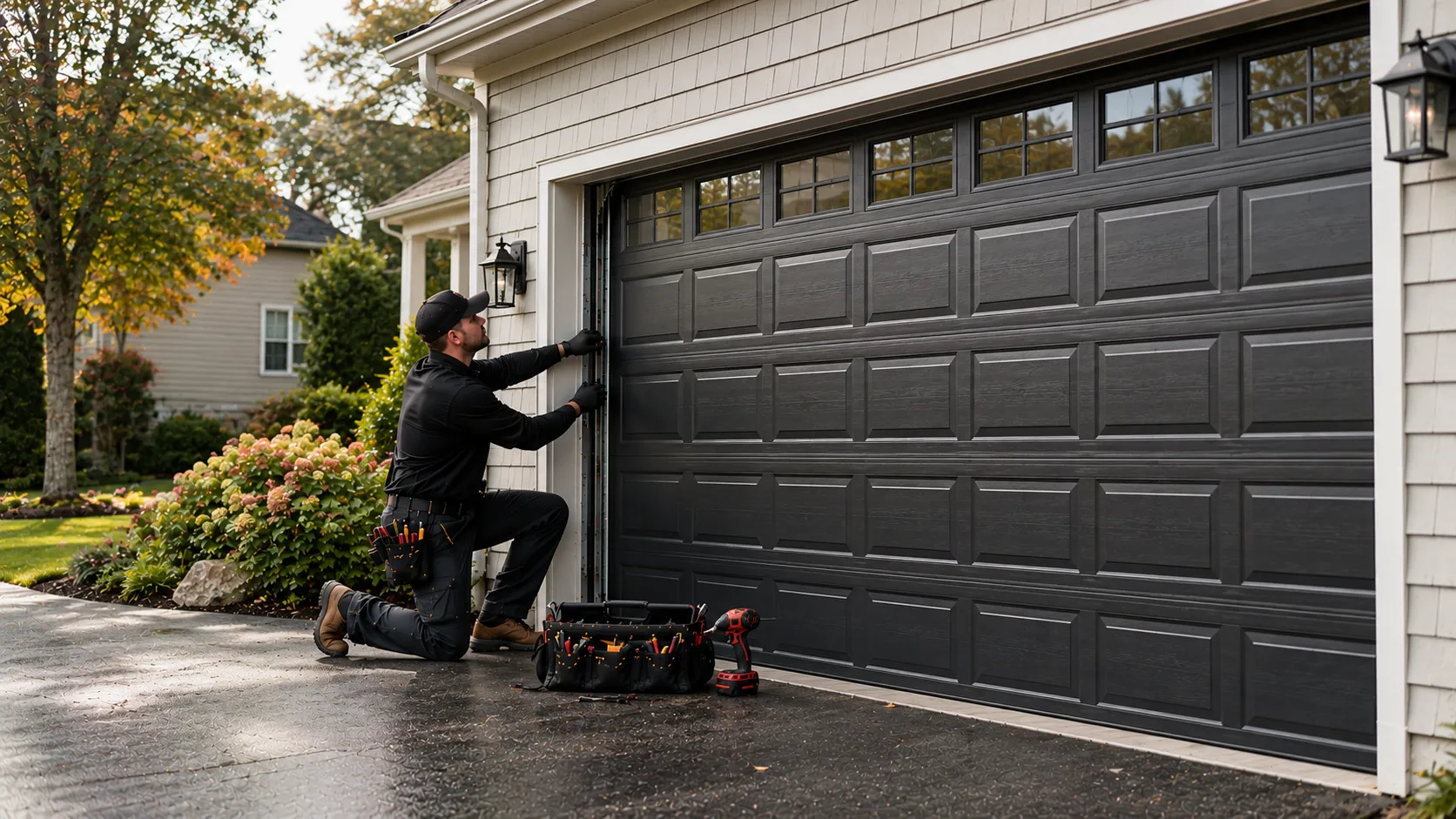
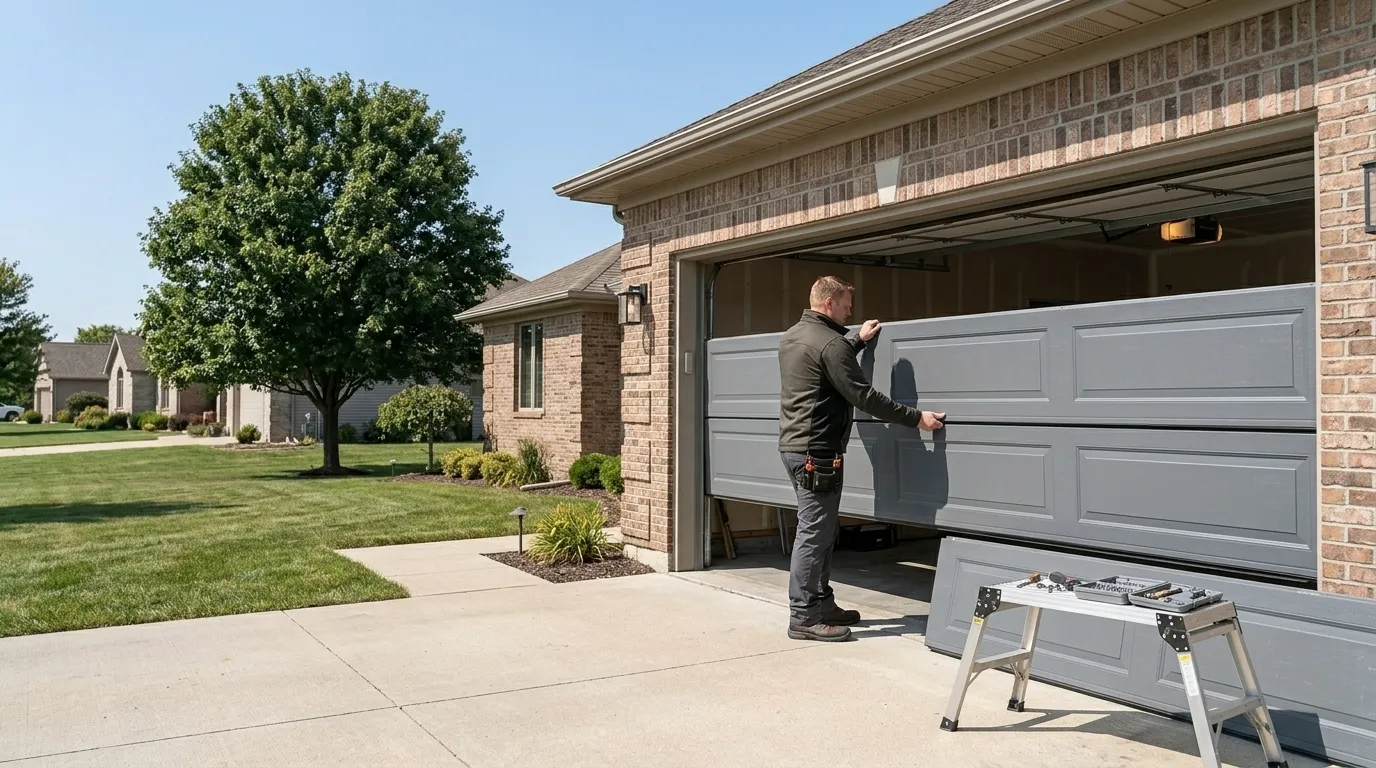
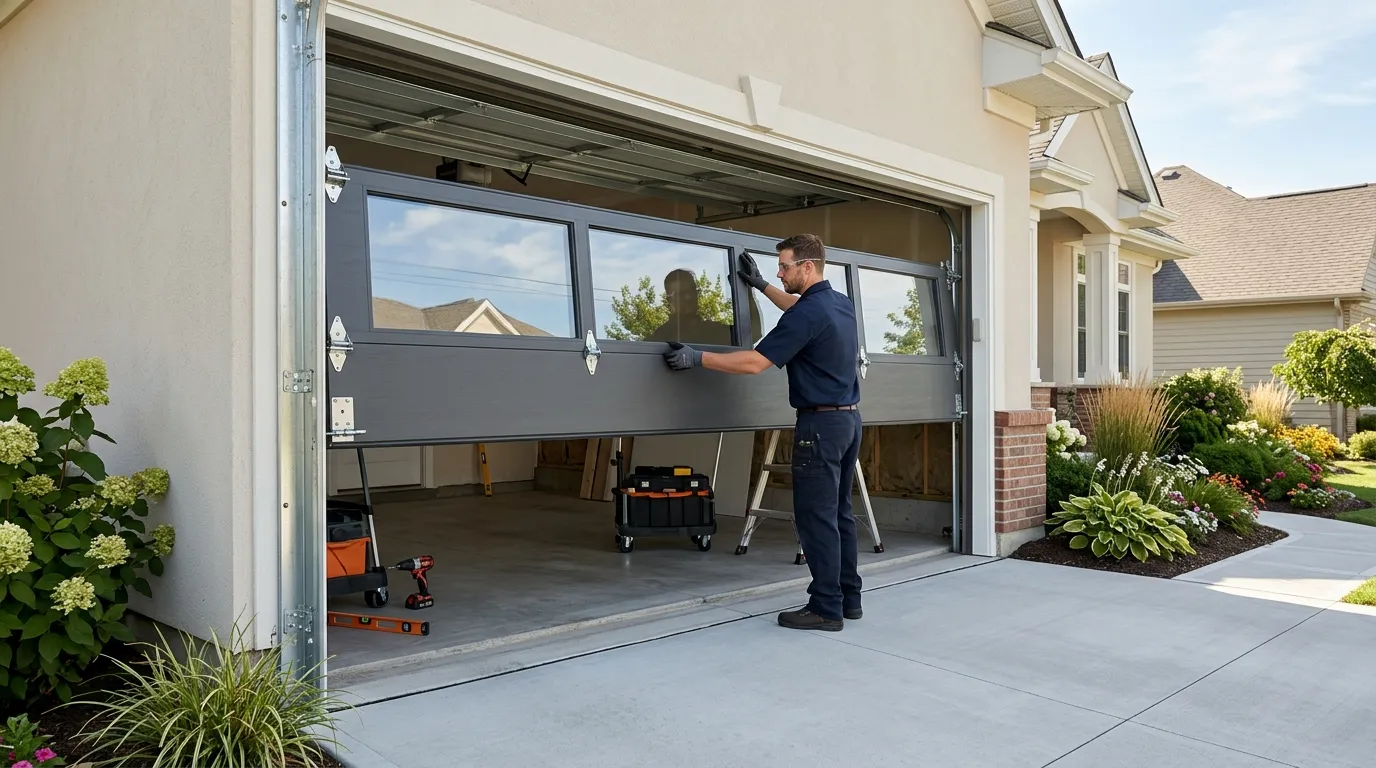
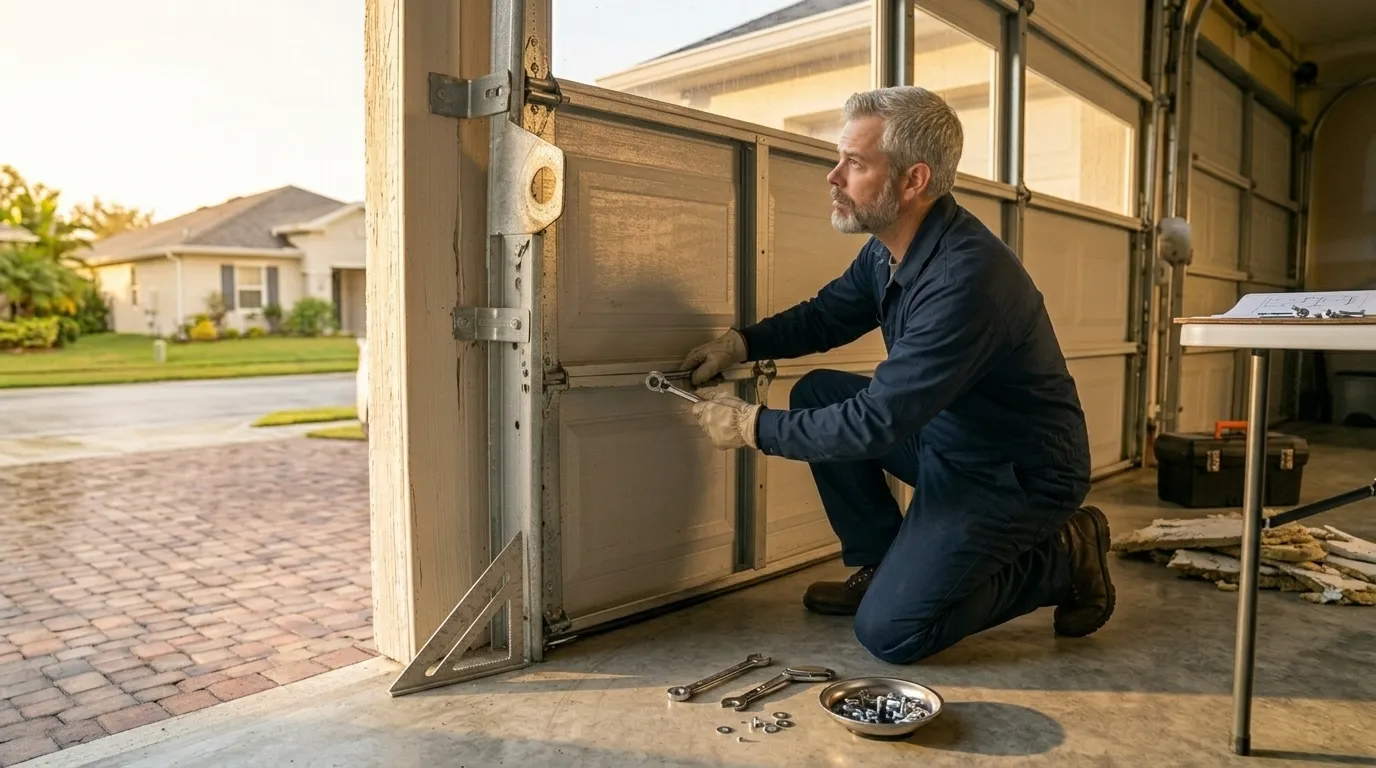
For a straight install on a house with original 1990 hardware, expect us to pull the old spring set, opener, and track together rather than piecing in a new door on old brackets. That's the part that takes the time - not hanging the panels, but verifying the header, resetting spring wind for the new door's actual weight, and confirming the opener's rated for it. Given the cold band this area sits in, we also check seal fit before we call it done, since a gap that's invisible in October is a frozen jam by January.
We come from Rochester Hills, about 4 miles out, so there's a short drive built into scheduling - nothing dramatic, just worth knowing when you're picking a install window. See more on service coverage near Auburn Hills or the full installation service out of Rochester Hills.