24/7 Emergency Service Open 7 days · 7am–8pm Serving Rochester Hills, MI & nearby
(947) 251-5993
Rochester Hills, MI

What Replacing a Garage Door Actually Involves Here

Rochester Hills homes date mostly from the 1960s and 70s. See what that housing stock and the region's cold winters mean for choosing a replacement garage door.

What Replacing a Garage Door Actually Involves Here

Checking It Yourself

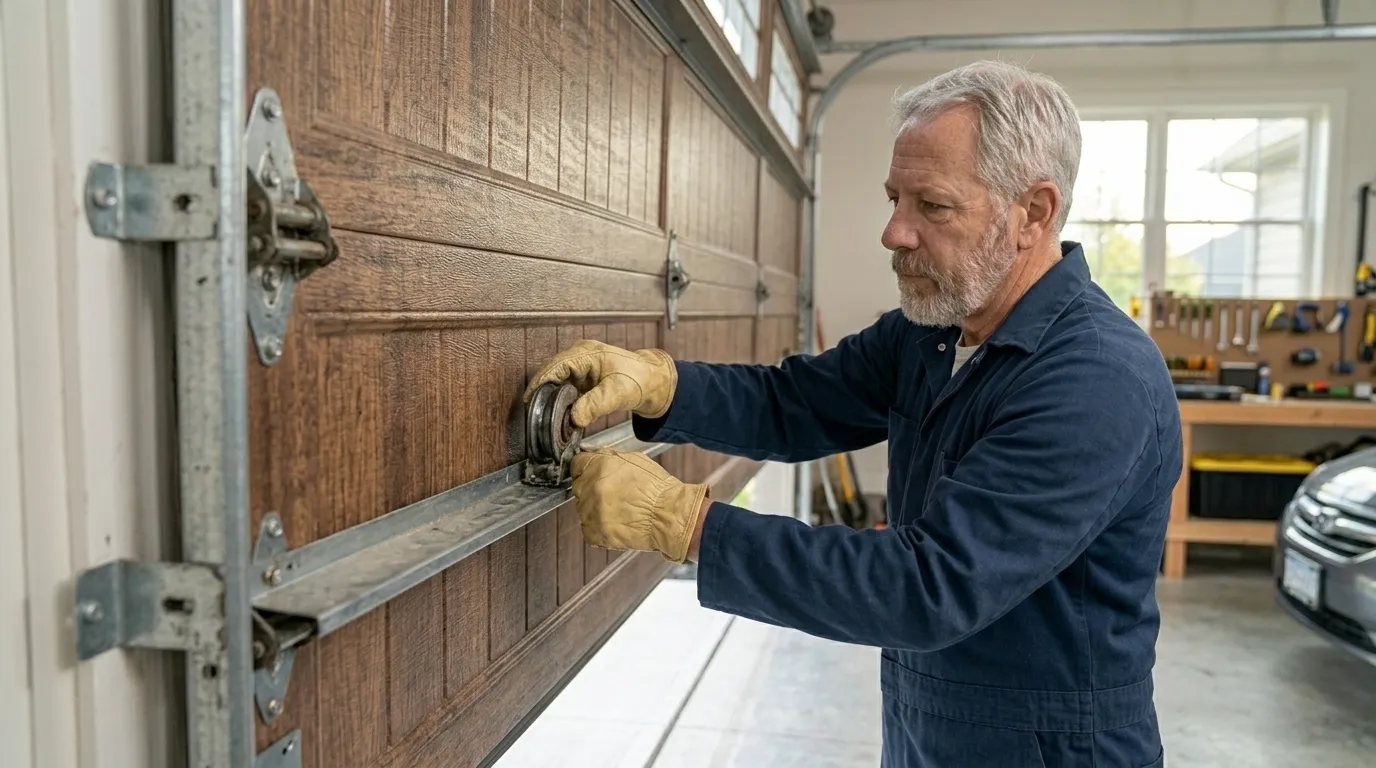
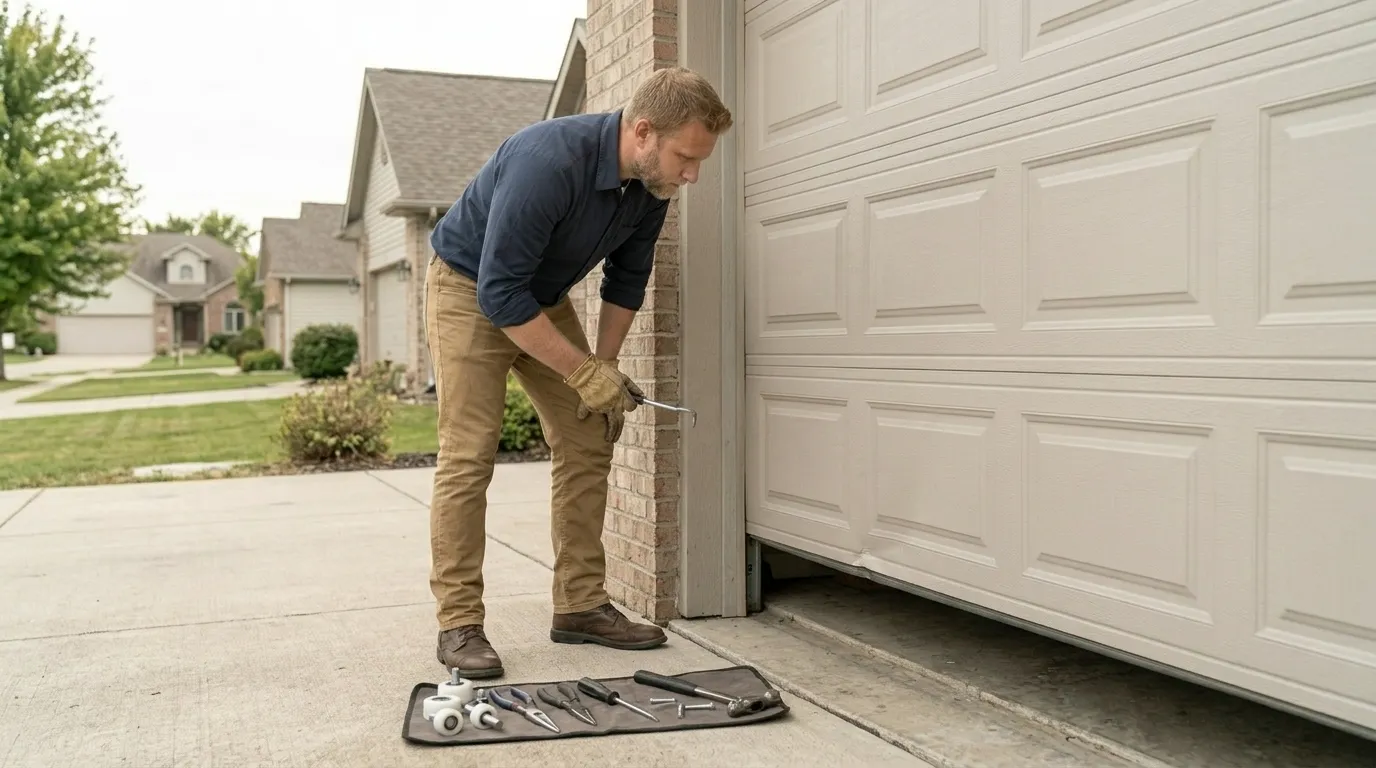
Most houses in this part of Oakland County went up between 1938 and 2002, with the bulk of that stock dating to the 1960s and 70s. That matters when you're standing in front of your own garage deciding whether to replace or repair. Pull the door halfway and let go - if it drops instead of holding, the spring is shot, not the panel. Look at the track brackets: on houses from that era they're often bolted straight to framing that's shifted a little over sixty-plus years, so a track that looks bent may just be a bracket that's worked loose. Check the bottom panel for rust bloom or soft spots where water sat against steel through repeated freeze-thaw cycles - that's a panel problem, not a hardware one, and it usually means the whole section needs replacing even if the rest of the door is fine. If the door is original to a house built in the 1960s, the section sizes and track spacing may not match anything sold off the shelf today, which changes the replace-versus-repair math before you even call anyone.

One honest limitation: we can't tell you from a phone description whether a 1960s door is repairable or not. Some of that hardware is worth restoring, some isn't, and the only honest answer comes from someone standing in front of it.

What You Pay

We don't publish a flat number here because the housing stock across this area runs from 1938 to 2002, and what a door costs depends heavily on which decade your garage was built in. A door sized for a house built in the 1960s or 70s - the bulk of homes in the 42 named areas this region covers - often needs a non-standard width or a track retrofit, which adds labor a newer opening wouldn't. Insulation level matters too: this region sits in a severe cold climate band, and an uninsulated steel door built for an older opening will cost more to bring up to a comfortable standard than a door already spec'd for insulation.

What we can tell you without a number is what drives the spread: panel material, R-value, opener compatibility with older wiring, and whether the existing track can be reused or needs full replacement. Homes near Rochester, Auburn Hills, and the rest of this corridor share enough of that same 1960s-70s housing profile that the same cost drivers show up again and again. Ask for a written breakdown of panel, hardware, and labor separately rather than one lump figure, so you can see exactly what's driving the total.

What Is Going On

When a door in this area fails, age of the housing stock is usually part of the story. A house built in 1960 - the median year for this region - has had roughly sixty-plus years of spring cycles, track wear, and hardware fatigue on original or first-generation replacement equipment. Torsion springs are rated in cycles, not years, and a door original to a 1960s build has likely gone through several times its rated life already, even if it still looks fine sitting still.

The other piece is what's underneath the visible parts. Houses from the 1938-2002 range were framed to different standards decade by decade, and garages from the earlier end of that span sometimes have headers or jamb framing that wasn't sized for a heavier insulated door. That's not a defect, it's just what the building code called for at the time. It means a straightforward-looking swap can turn into a framing conversation once the old door comes down and you can see what the opening actually looks like. We won't know until the old door's off the track - that's the honest limit of a phone or photo estimate.

What Local Conditions Do

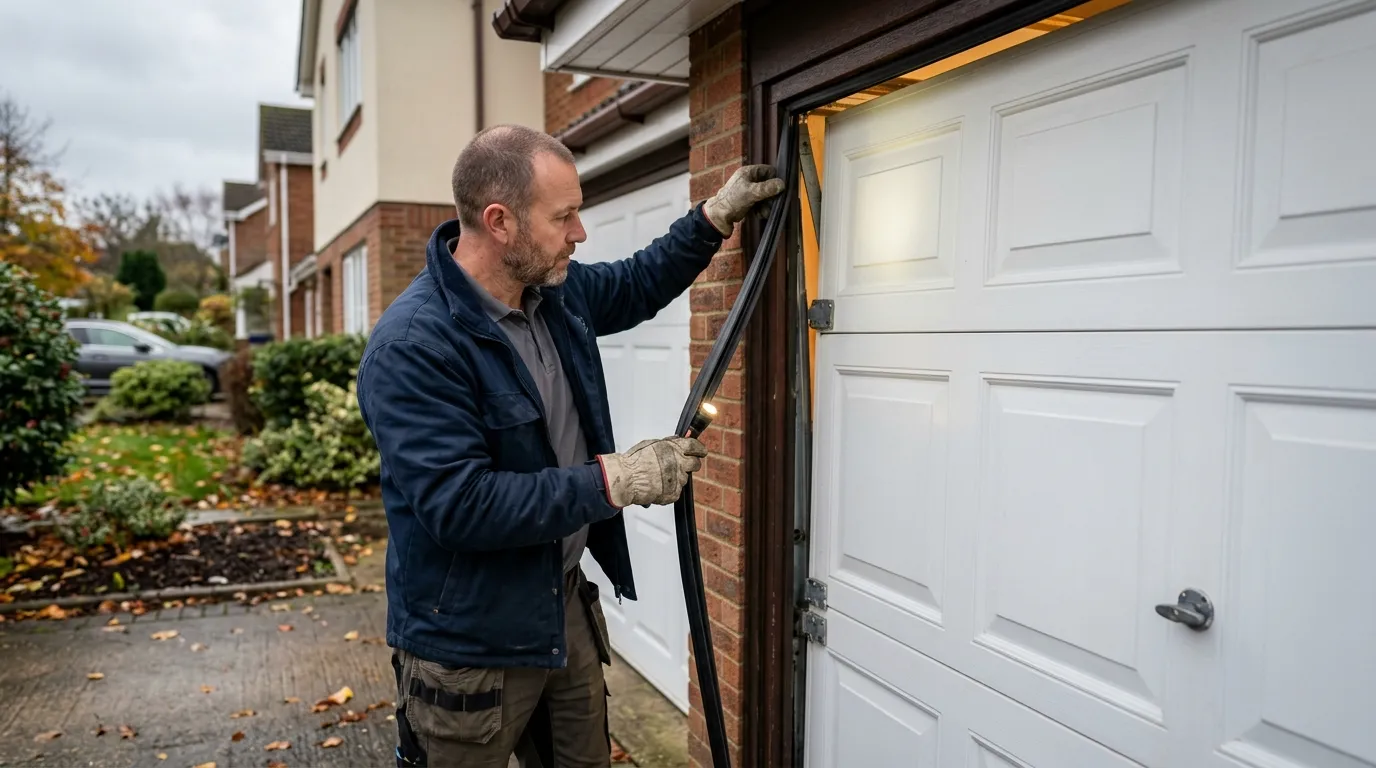
This region sits in a cold climate band classified as severe, and that has a direct effect on garage doors, not just on comfort. Steel panels contract in deep cold and expand again in spring, and on a door that's been cycling through that for decades - again, common on 1960s-70s stock - the seams and hardware mounts loosen faster than they would in a milder climate. Weatherstripping that's original to an older door usually can't keep pace with that swing anymore, which is why cold air at the bottom seal is one of the most common complaints we hear from owners of older houses in this area.

Condensation is the other piece. An uninsulated or under-insulated door in a severe cold band will sweat on the inside face when the garage warms up faster than the door does, and that moisture is what drives the rust bloom you'll find on older steel panels near the bottom corners. A replacement door spec'd with the insulation this climate actually calls for solves both problems at once - the draft and the rust - rather than treating them as separate repairs.
How it works

From “it’s stuck” to “it’s fixed”

01
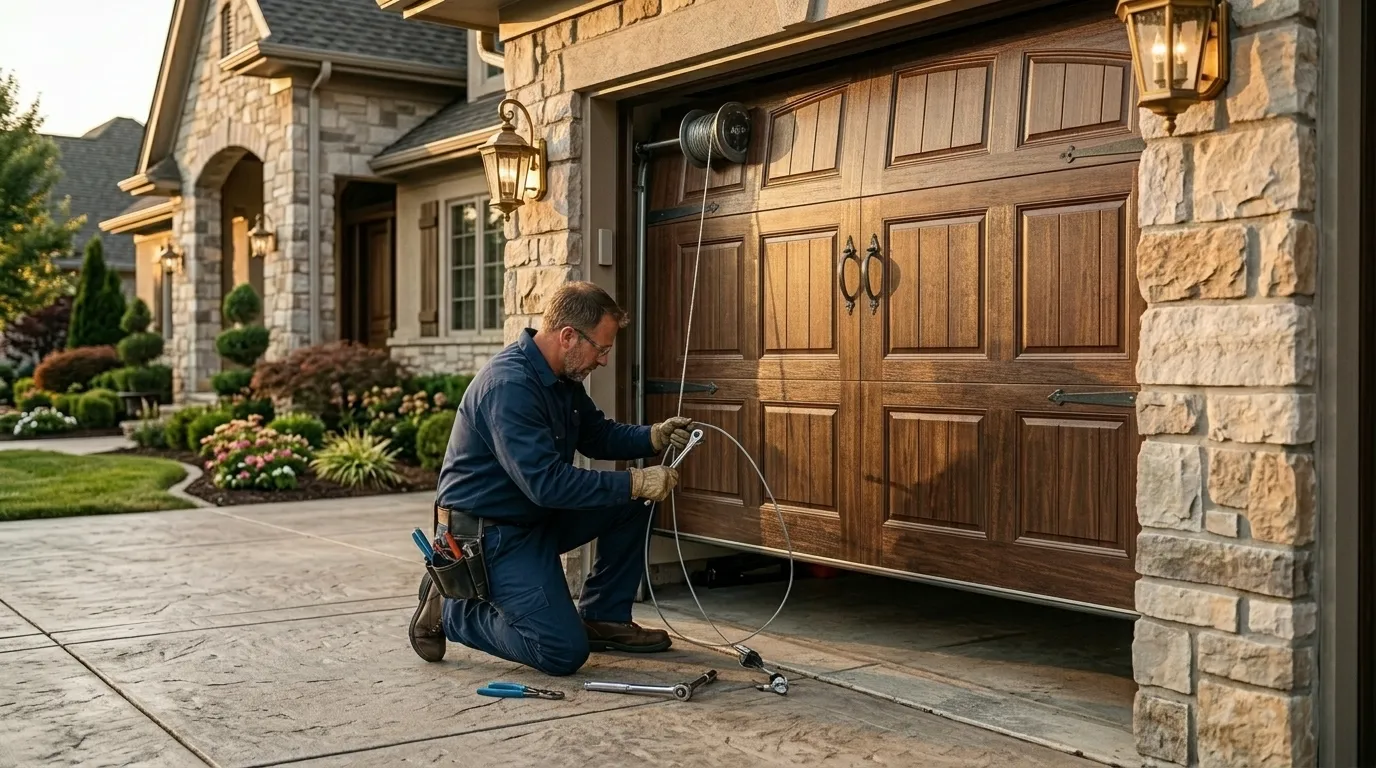
Tell us what’s wrong - Rochester Hills garage door service

Tell us what’s wrong

Describe the symptom - won’t open, loud bang, opener runs but the door won’t move.

02
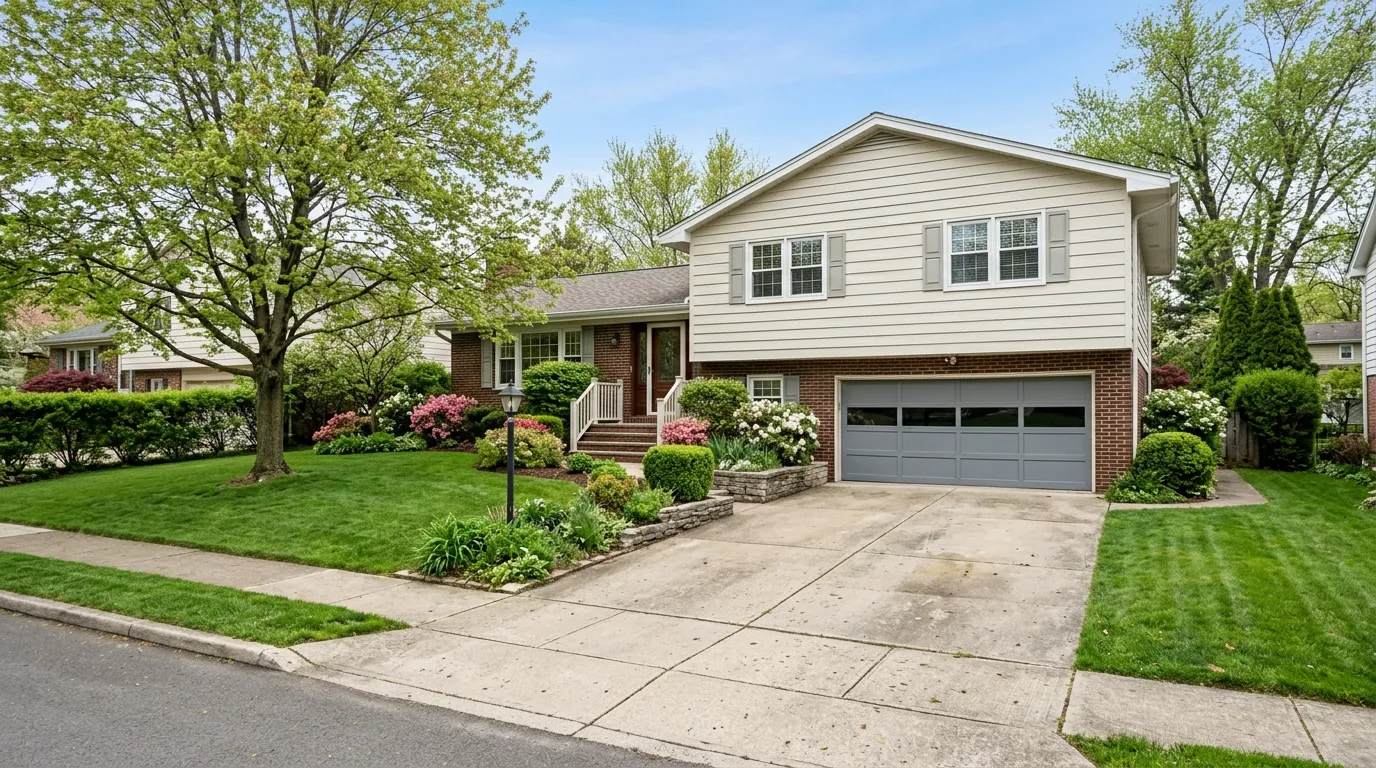
On-site diagnosis - Rochester Hills garage door service

On-site diagnosis

A technician tests the door under power and by hand and finds what actually failed.

03
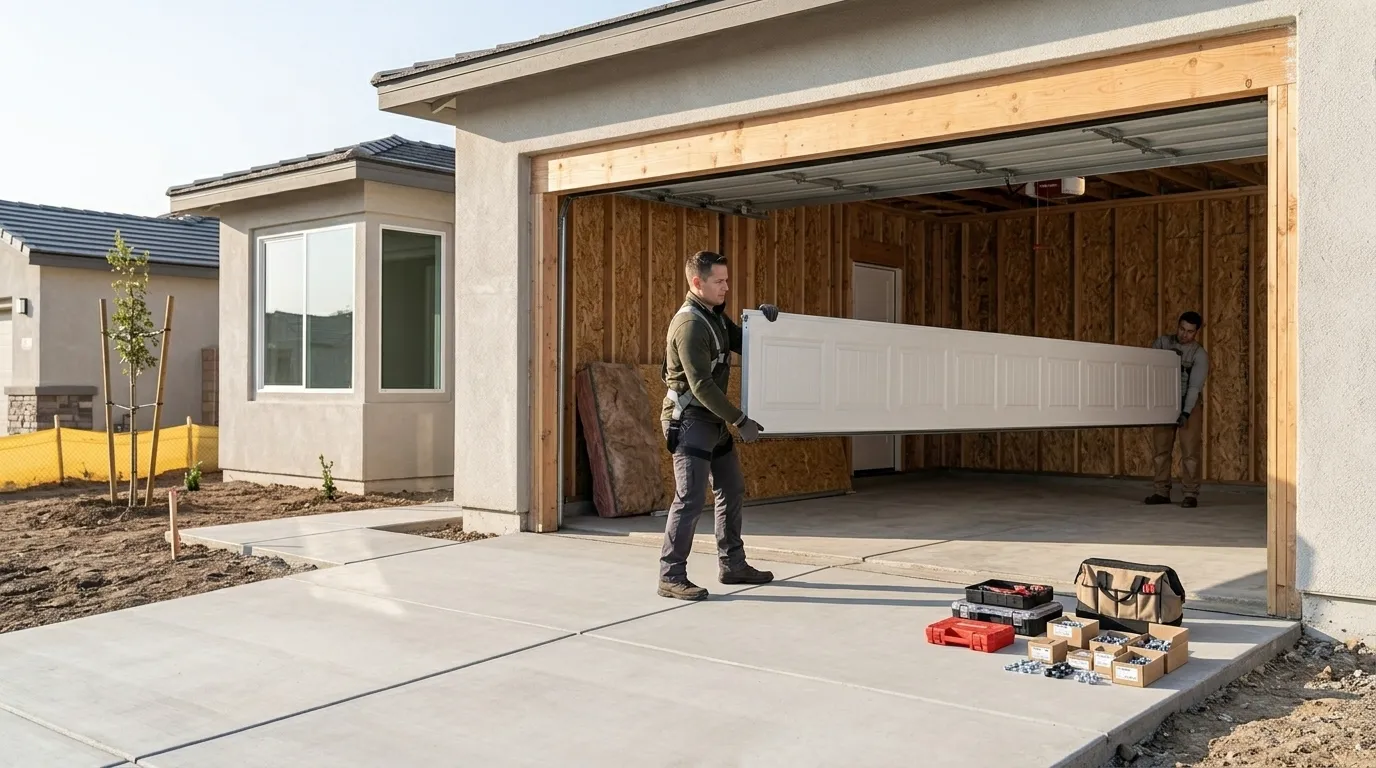
Clear, up-front plan - Rochester Hills garage door service

Clear, up-front plan

You get the fix that’s needed and what drives the cost - before any work starts.

04
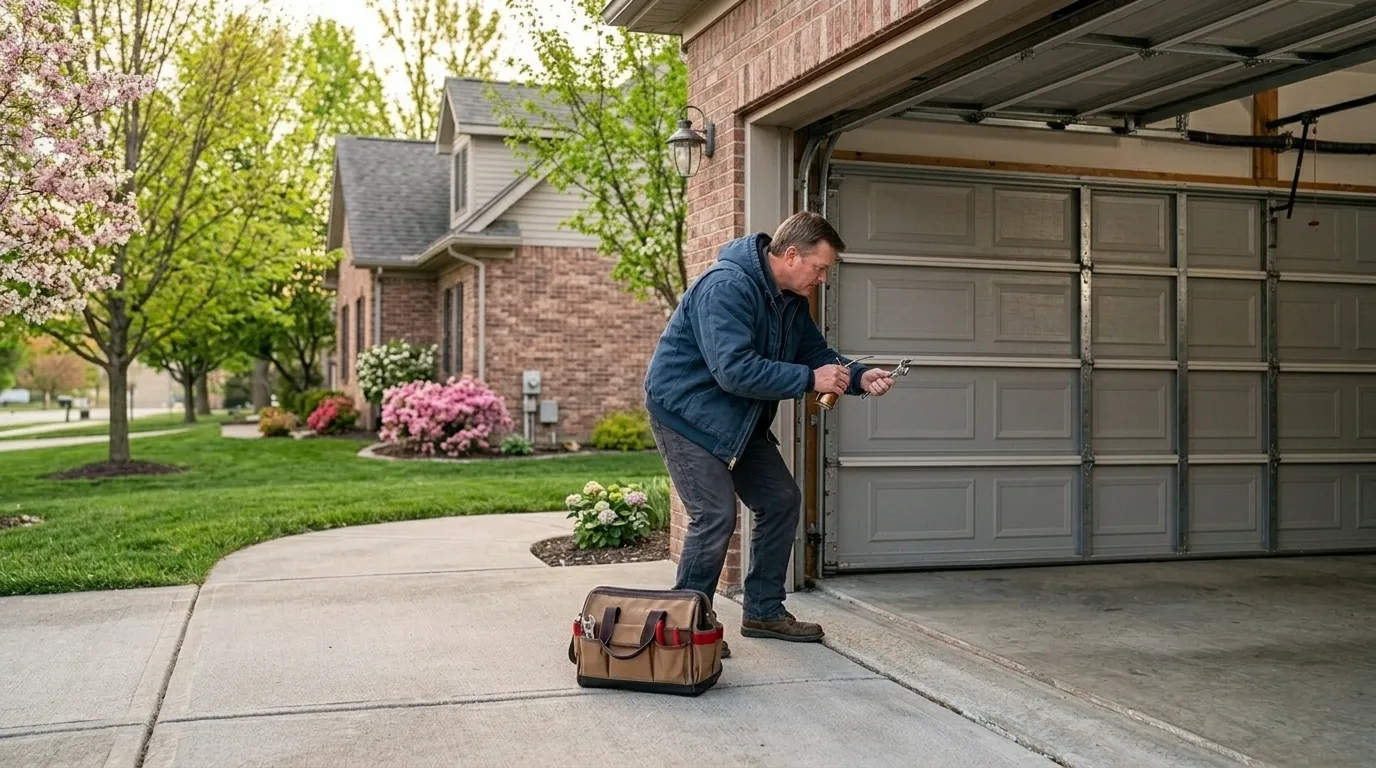
Repaired & tested - Rochester Hills garage door service

Repaired & tested

The repair is done, the door is set true and tested, and the work area left clean.

Serving Rochester Hills, MI - tell us what your door’s doing and we’ll take it from there.

How we work

What to expect

A straight, honest approach on every Rochester Hills job - diagnosis first, the right parts, and clean work.

01

Diagnosis first

Every visit starts by finding what actually failed - not a pre-written parts list.

02

The right part for the door

Springs and openers matched to the door’s weight and age, so the fix holds up.

03

Straight answers

When a repair makes more sense than a replacement - or the reverse - you hear it plainly.

04

Clean, careful work

Tension released safely, hardware set true, the door tested under power before we leave.

Questions

Frequently asked

Straight answers about garage door repair in Rochester Hills. Still unsure? Ask us directly.

Is it worth repairing an original 1960s door instead of replacing it?

Sometimes, but not often. If the panels are original to a house built around 1960, the steel has usually gone through decades of freeze-thaw cycling in this climate, and rust or warping tends to show up in more than one spot. Springs that old have also outlived their rated cycle count. Once you're past one repair, replacement usually costs less over time than chasing individual failures.

Why don't standard-size doors always fit older Rochester Hills garages?

Homes built in the 1960s and 70s, which make up most of the housing stock here, weren't always framed to today's standard opening widths. A replacement door sized for current standard openings can need track or jamb adjustment to fit an older frame. That's usually caught during measurement, before the order goes in.

Does the cold winters here change what door I should buy?

Yes. This area sits in a severe cold climate band, and an uninsulated steel door performs noticeably worse here than in a milder region - more condensation, more seal failure, more seam stress from temperature swings. If your current door is original to an older house, upgrading insulation level at replacement time addresses problems the old door was never built to handle.

Ready to get your garage door sorted?

Tell us what it’s doing and where you are in Rochester Hills - we’ll take it from there.

Request a QuoteCall