Checking It Yourself
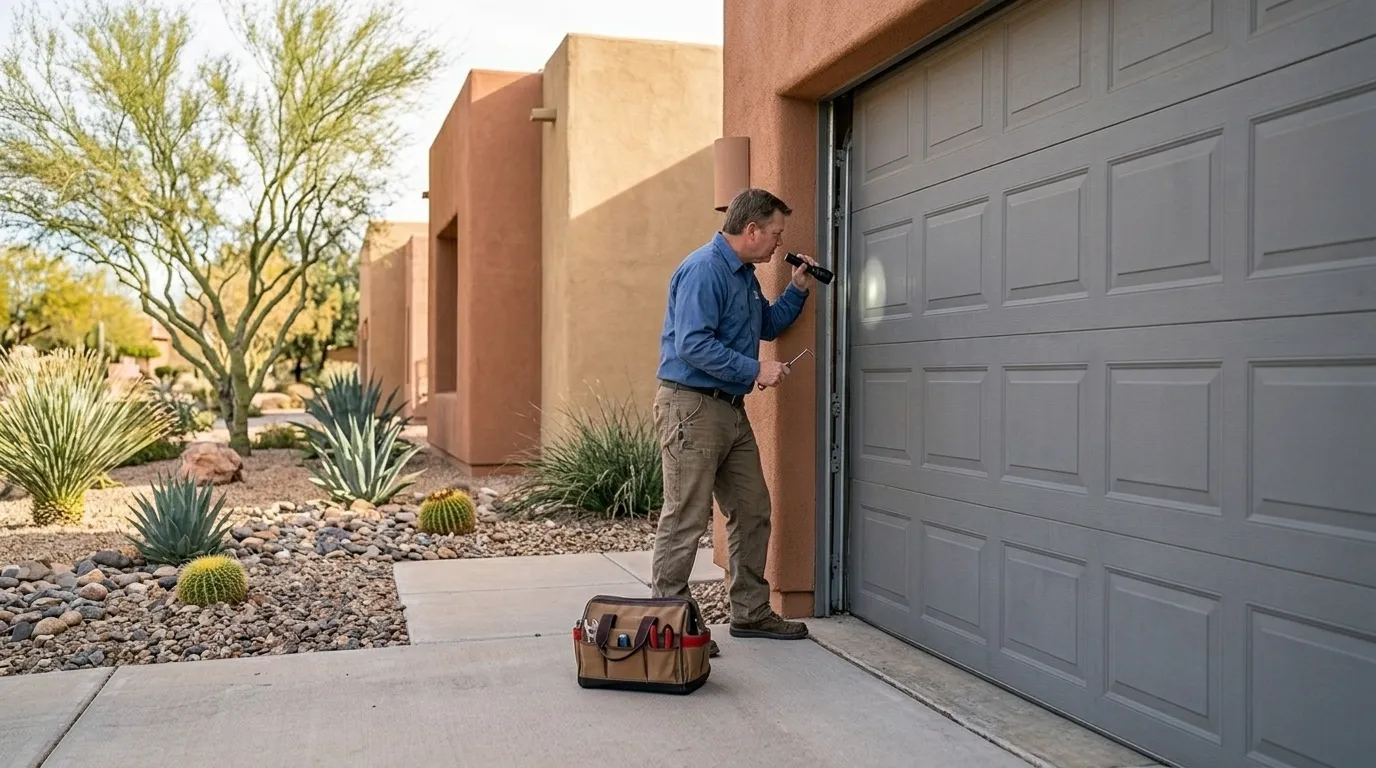
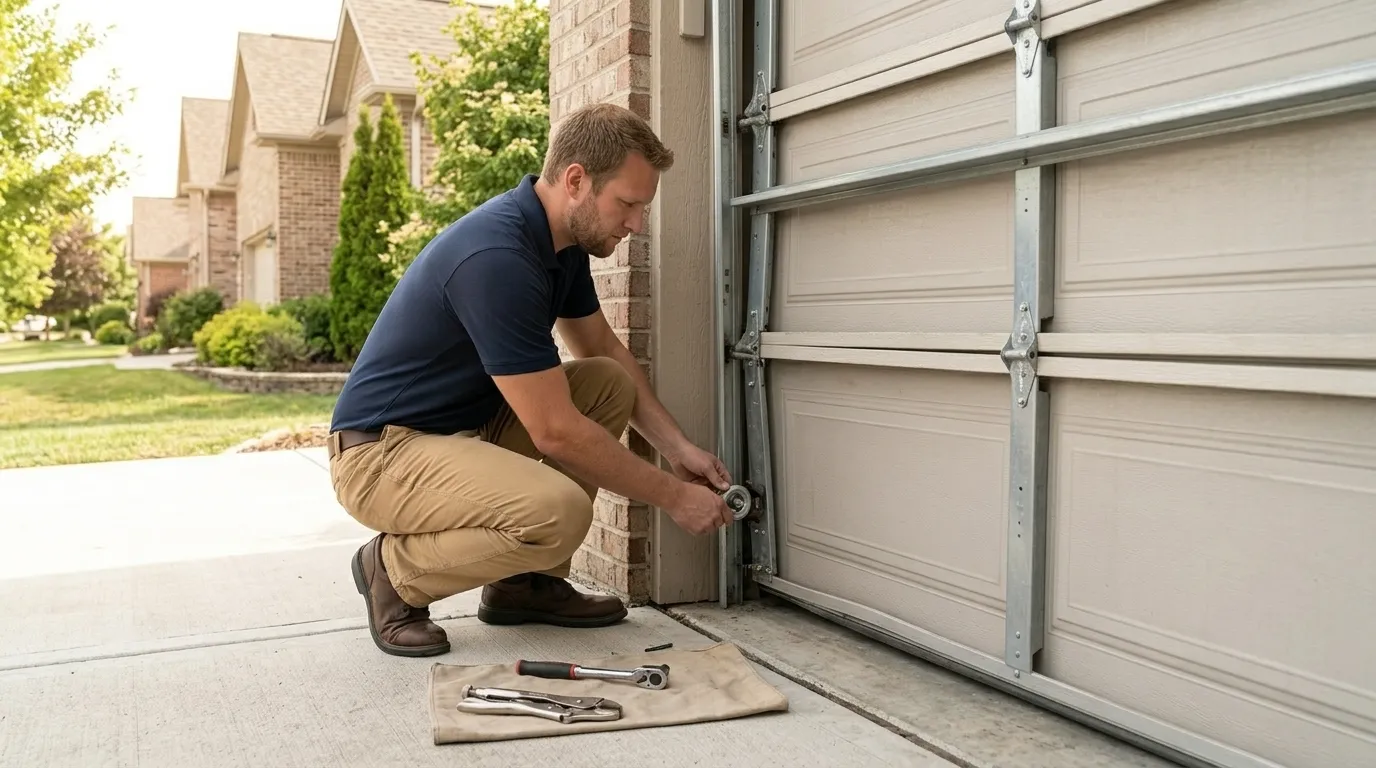
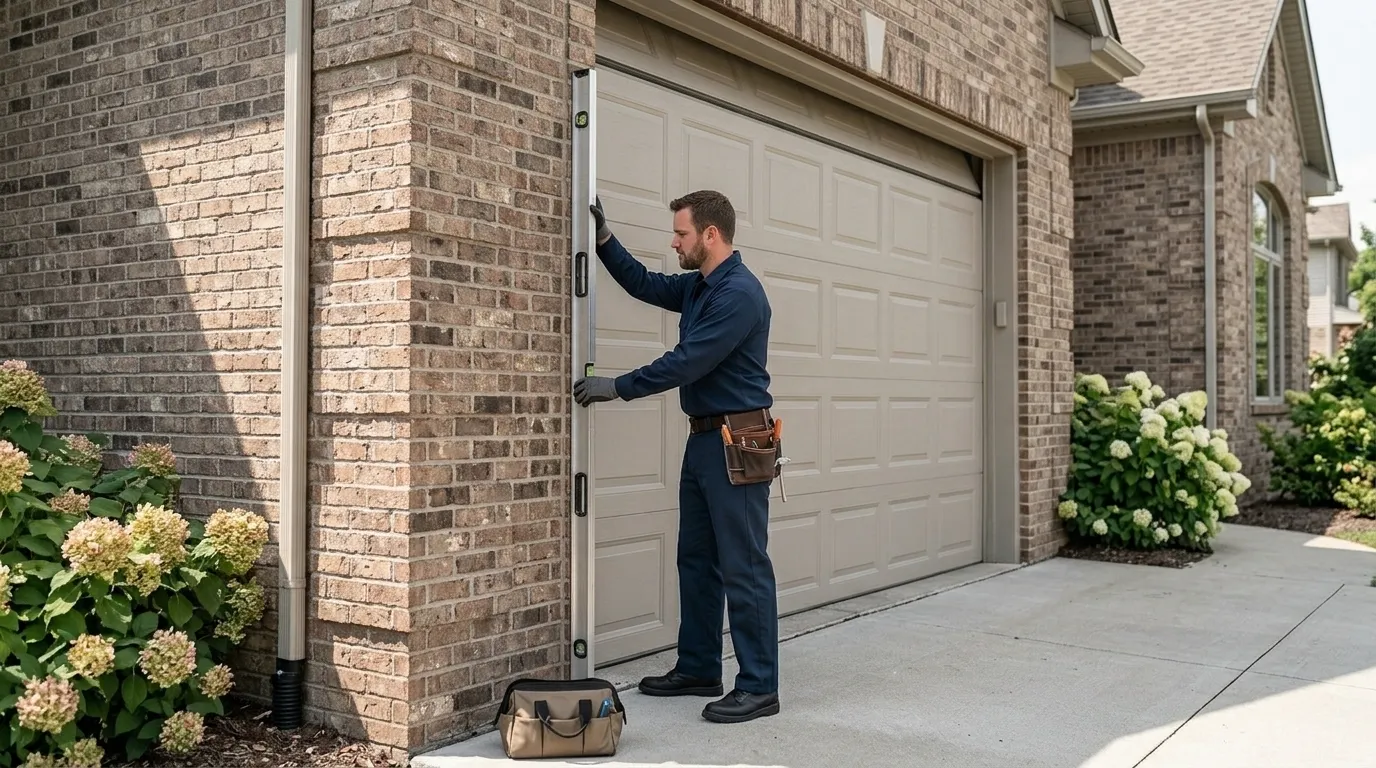
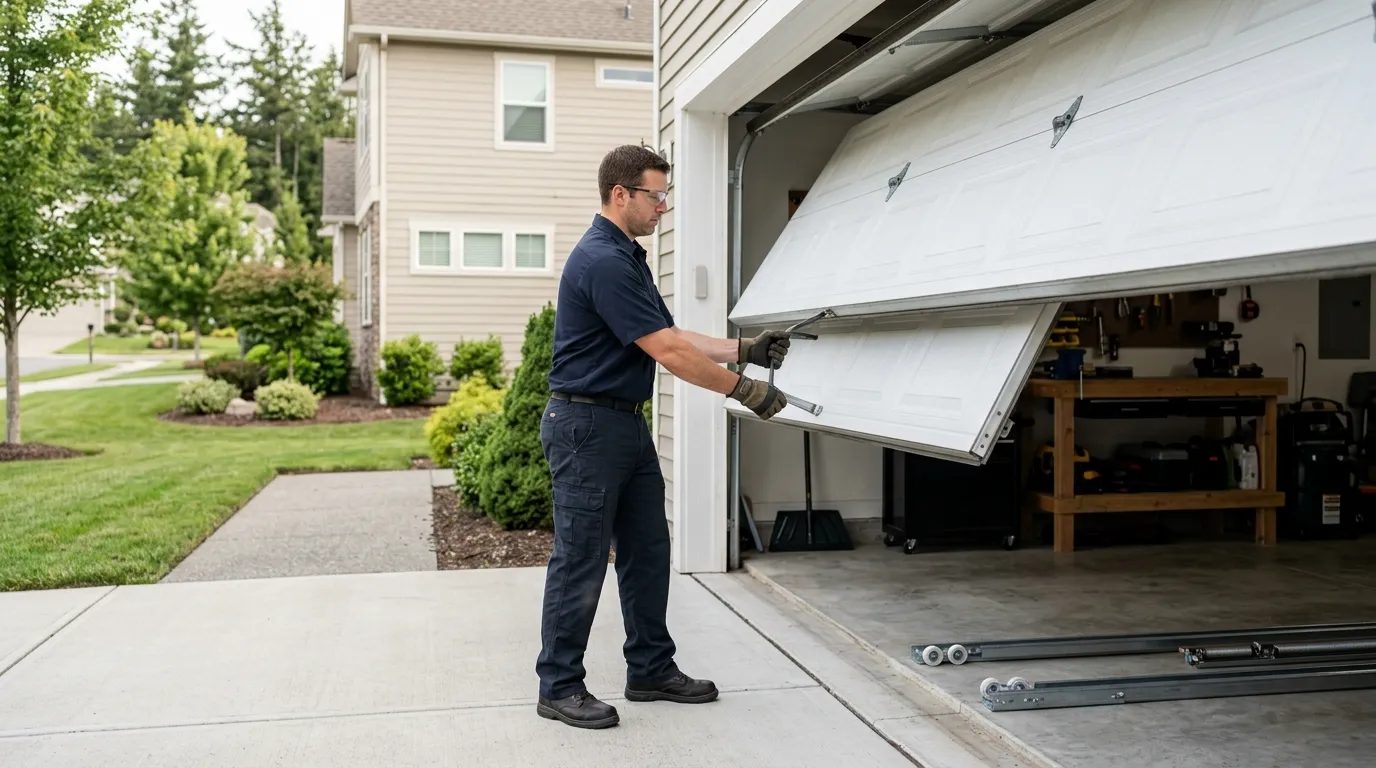
Start at the bottom seal. On houses built through the 1960s and 70s across this stretch of Oakland County, that seal is usually the original style track-mount astragal, and thirty-plus winters of freeze and thaw crack the rubber into a hard, flat strip that no longer follows the concrete. Run a flashlight along the bottom edge from inside with the door shut at night. Daylight coming through is your answer. Check the side seals too, called weatherstrip or side seal depending on who installed it - on older jambs it's often just nailed-on vinyl that's shrunk and pulled loose at the corners. Feel for cold air on your hand held an inch from the seam, not your face, since moving air is easier to feel than see. The top seal against the header gets ignored because you can't see it without a ladder, but it's usually the worst offender on doors from the 1960-1970 build era because the header trim itself has settled over the decades. If the door is a two-piece panel design from that era, check where the panels meet - that horizontal seam is a common draught path that a bottom seal alone won't fix. Note what you find before you call anyone; it changes whether this is a seal swap or something bigger.
What You Pay
I don't have current parts and labor pricing to quote here, so I won't guess at a number for a seal replacement or a full weatherstrip kit. What I can tell you is how to think about the job. A straight bottom-seal swap on a standard door is quick work. Once you're replacing side seal, top seal, and dealing with a header that's shifted out of square - which is common on housing from the 1938-2002 stretch this area was built in - the job runs longer because the track and jamb often need shimming to get a new seal to sit flat. If a seal keeps failing every year or two even though it's installed correctly, that's usually telling you the header or slab has movement, and no amount of new rubber fixes that on its own.
What Local Conditions Do
This area sits in a cold-severe climate band, which means the seal on your door isn't decorative - it's doing real work most of the year. Sustained freezing temperatures shrink rubber seals faster than moderate climates do, and repeated freeze-thaw cycles are what crack a seal instead of just wearing it smooth. That cracking lets cold air track directly along the slab and up the panel seams, which is worse than a uniform gap because it concentrates the draught right where anyone standing near the door will feel it. Median household income across the service area sits at $84,862, and a lot of the housing stock built in that 1960s window has an attached garage that shares a wall with living space - so a bad seal here isn't just a garage problem, it's a heating bill problem in the room next to it. I'd rather tell you to fix a $20 seal in October than have you find out about it in January.