How to Book
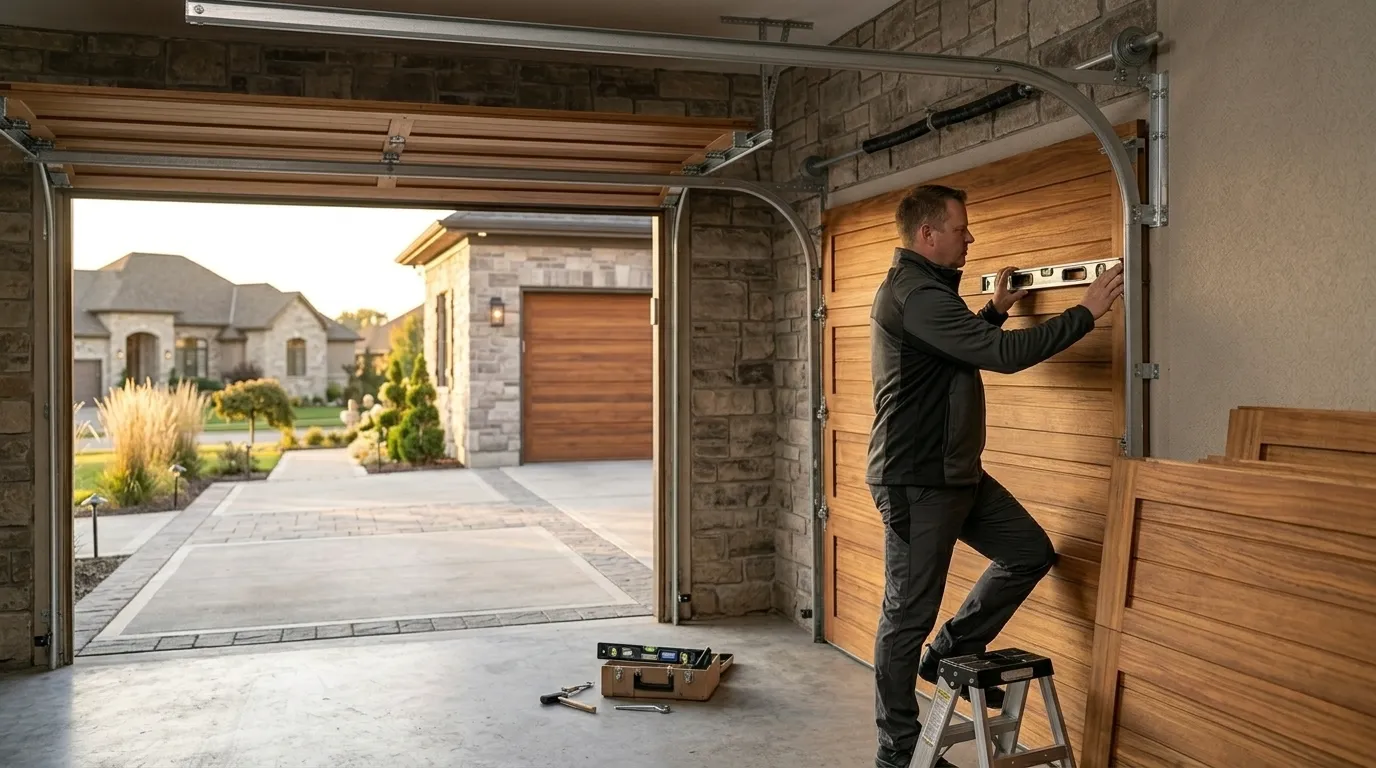
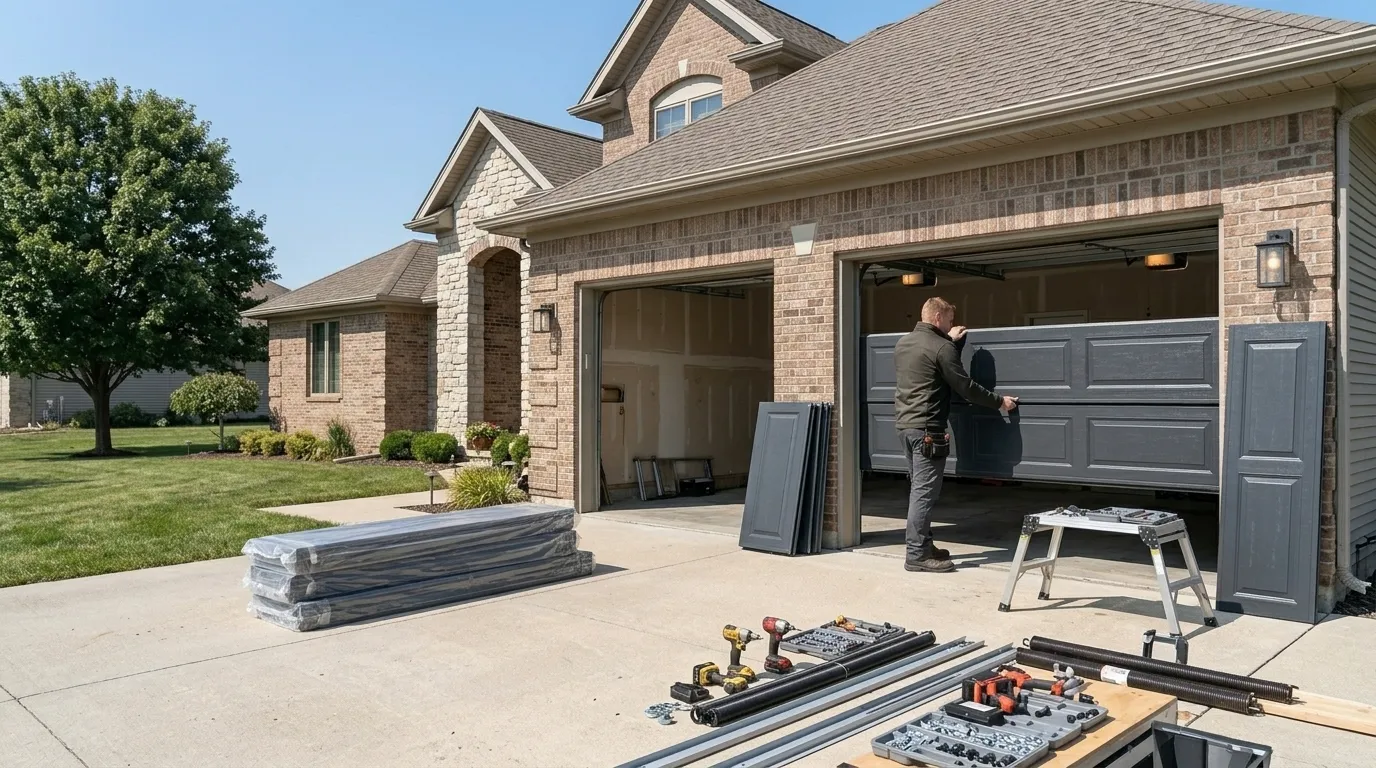
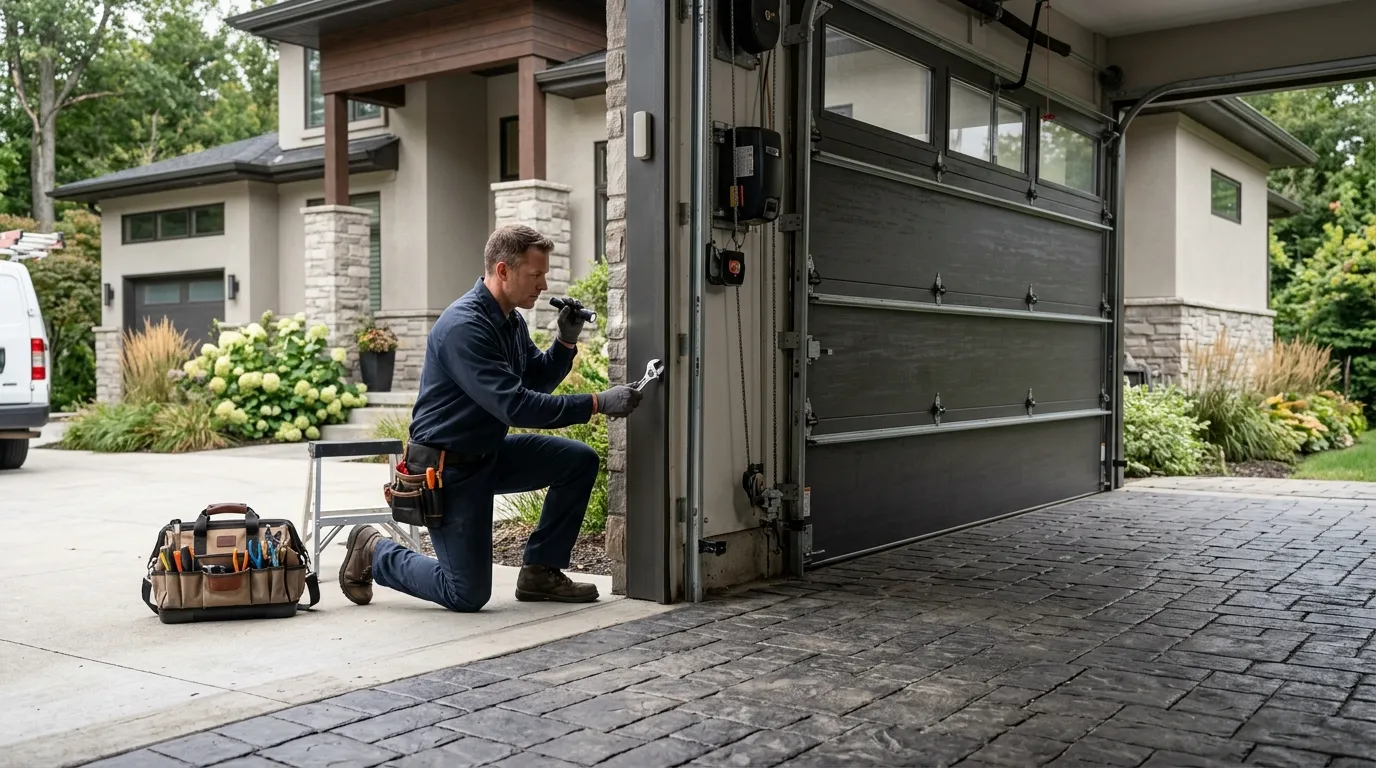
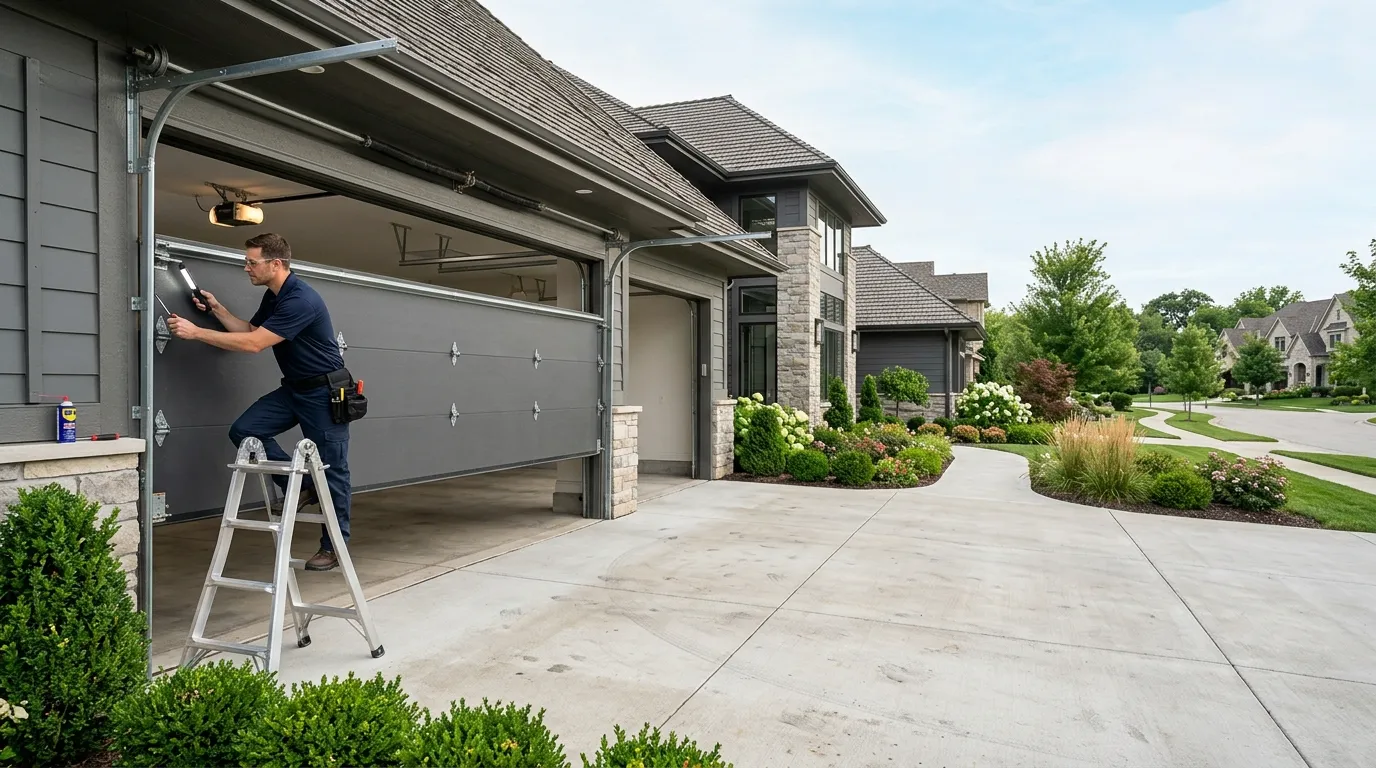
Call or use the contact link on this page and tell us what the door is doing - won't open, opens partway then stops, or the spring already let go and you heard the bang. We ask for the door's approximate age, because a lot of Rochester Hills houses still carry the torsion setup they were built with back in the 1960s or 70s, and that changes what we bring on the truck. If you know the brand stamped on the motor head, that helps too, but most callers don't and that's fine - we can usually tell once we're standing in front of it. We book the visit, not a vague window; you'll get a time and we show up in it. If the door is a safety issue right now - it's off the track, a cable is loose and whipping, or someone's leaned a car into it trying to force it - say so when you call and we move it up.
One limit worth saying up front: if a part is obsolete enough that nobody local stocks it, which does happen on doors from the low end of the 1938-2002 build range, we'll tell you that on site rather than stringing out a repair that should be a replacement instead.
Why This Fails Locally
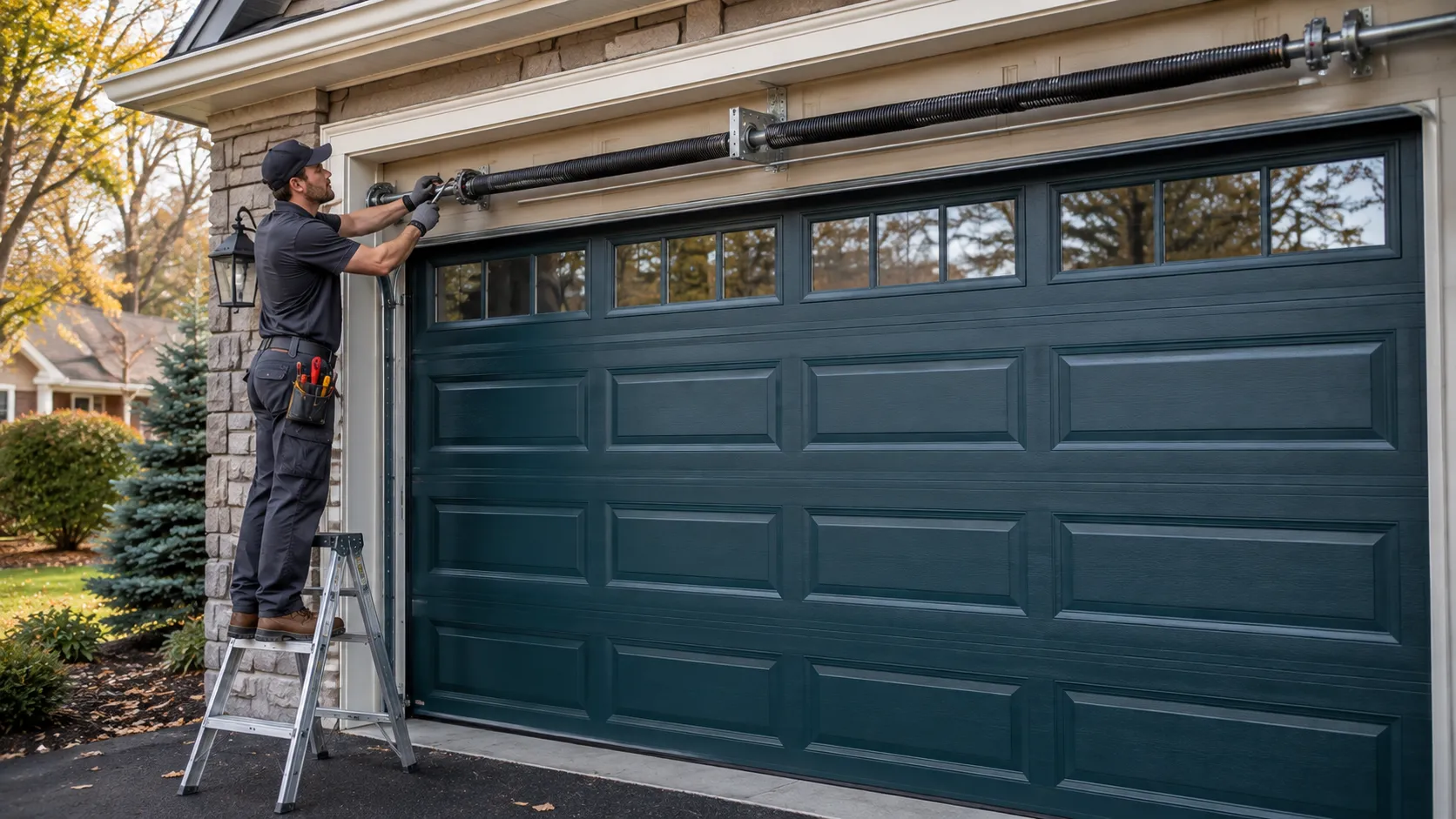
The housing stock through Rochester Hills and the 42 named areas around it runs mostly 1960s and 70s construction, with the wider range spanning 1938 to 2002 and a median build year around 1960. That means a lot of the doors on the road are original one-piece or early sectional units on torsion springs sized for a lighter door than the steel-and-insulation replacements homeowners sometimes bolt on later without upgrading the spring to match. Undersized torsion springs cycling for decades is a slow-motion failure, and it's the single most common call we get out here.
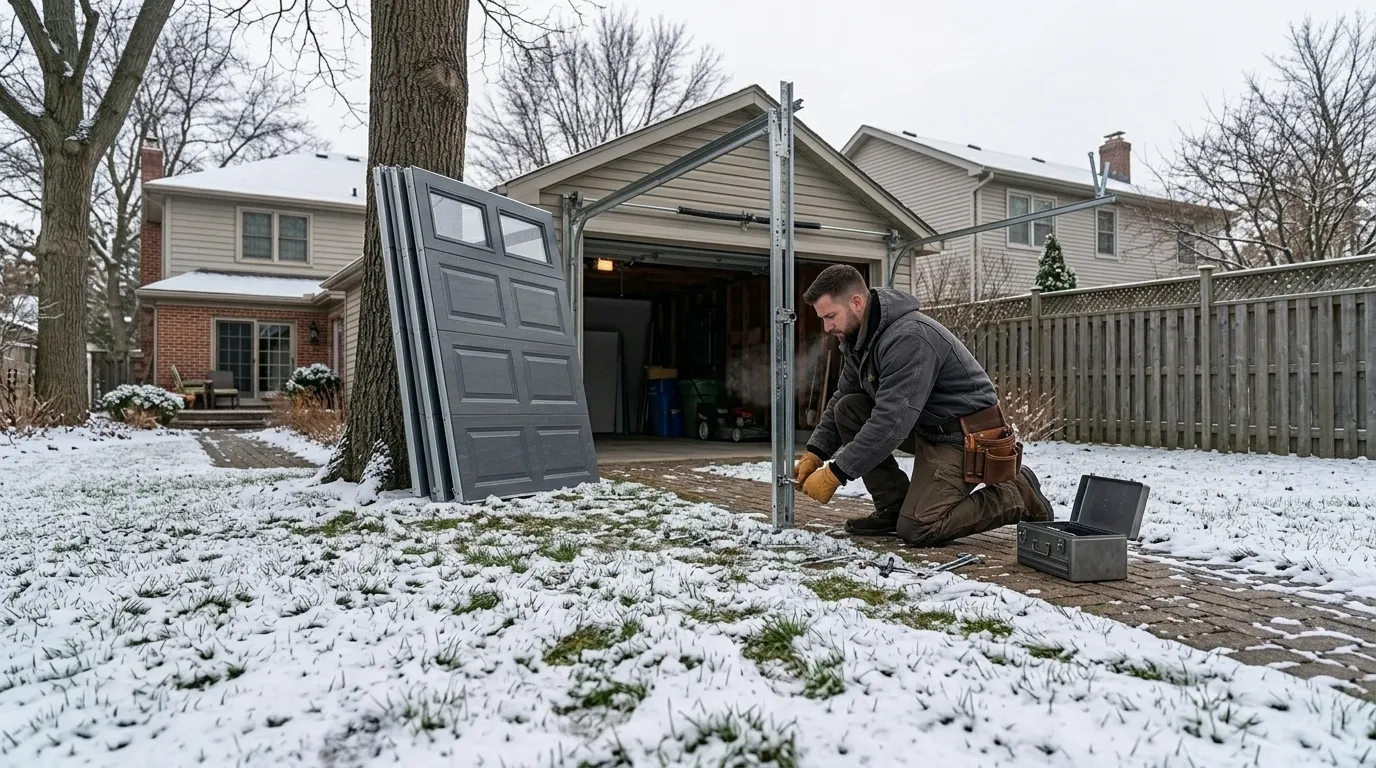
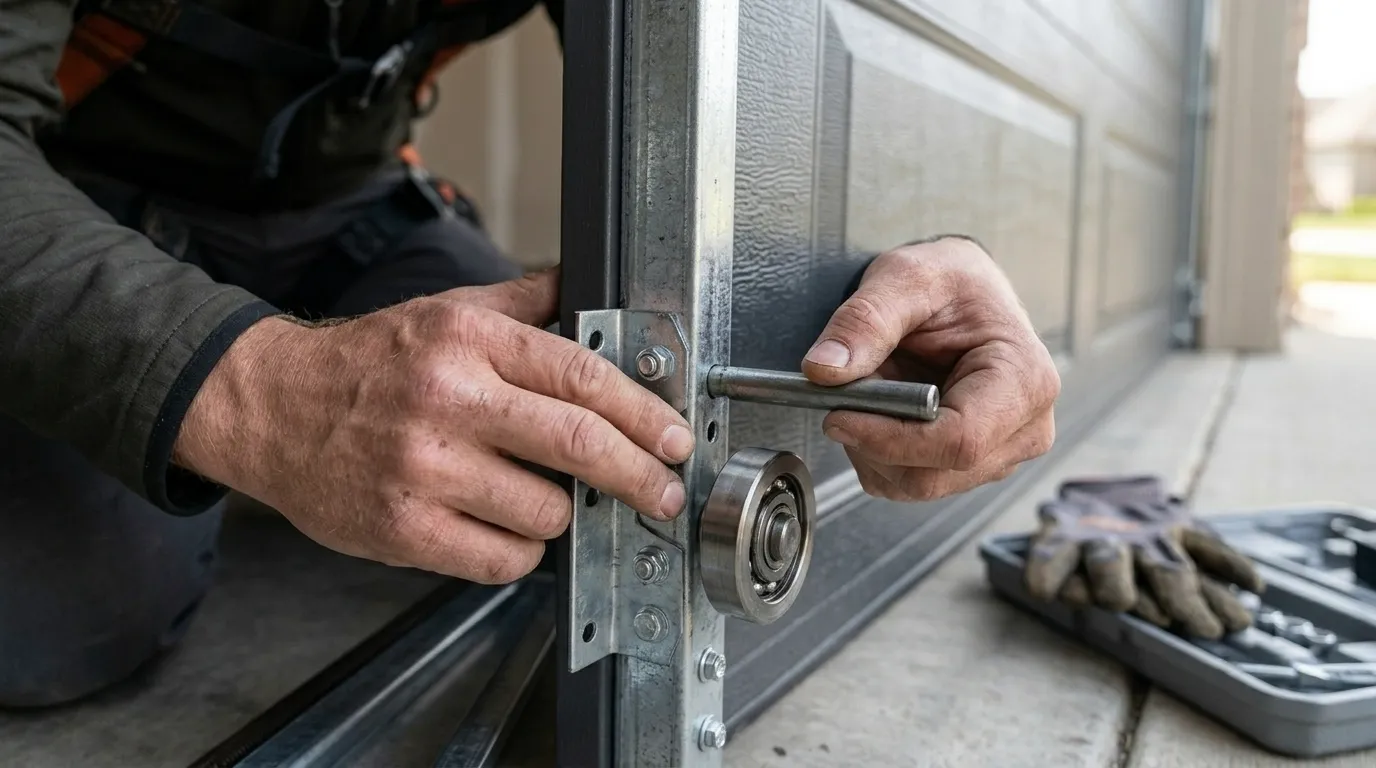
Add the climate band, which sits in severe cold territory, and you get a second failure mode stacked on the first: steel springs and cables lose flex in deep cold, so a spring that's been marginal for years finally snaps on the coldest morning of the stretch, not on a mild one. Rollers and hinges on 1960s-era track also weren't built with the sealed bearings you'd get today, so cold makes them bind before they break. None of that is a Rochester Hills quirk exactly - it's what happens when a specific building era meets a specific climate, and this town has both.
The DIY Question
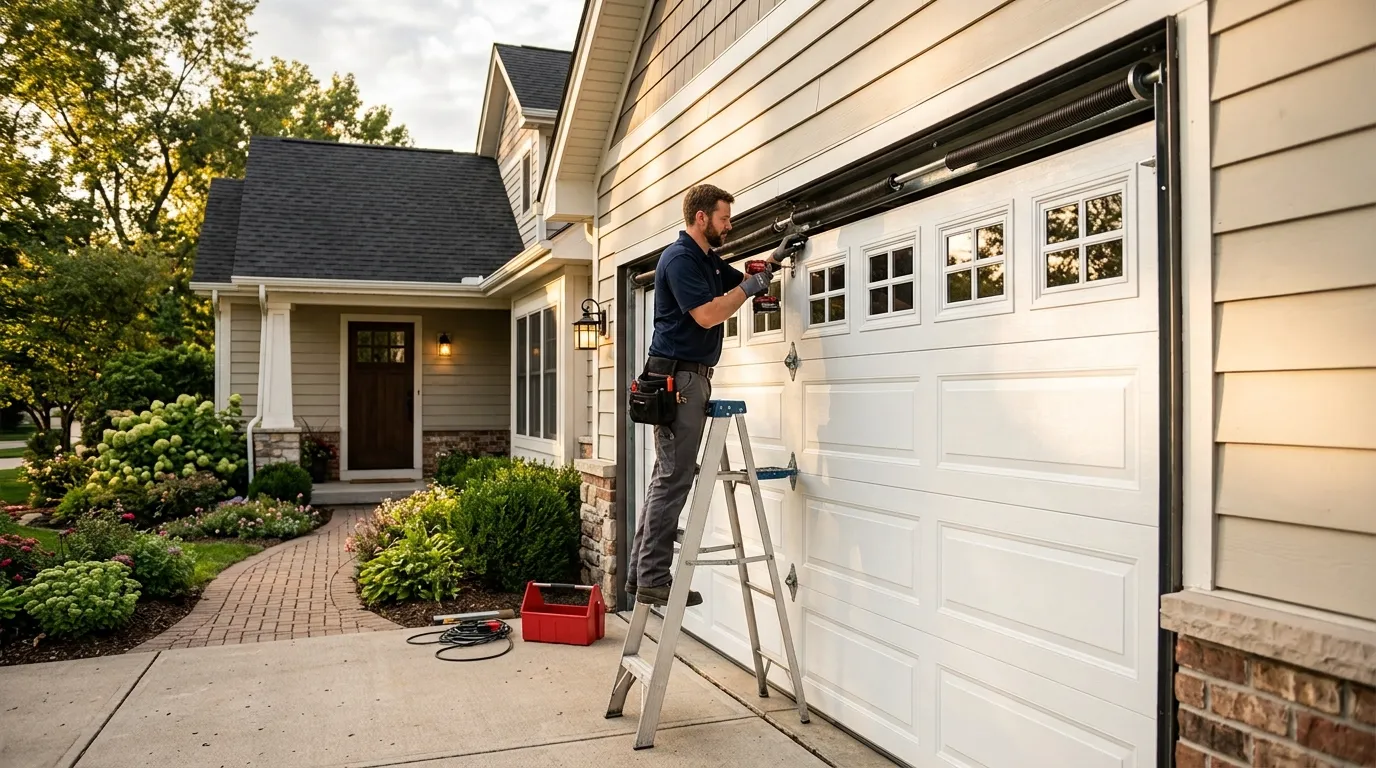
Don't touch a wound torsion spring yourself - it's under enough stored tension to break a bone, and that's true whether the door is from 1962 or last year. That part isn't a DIY job, full stop.
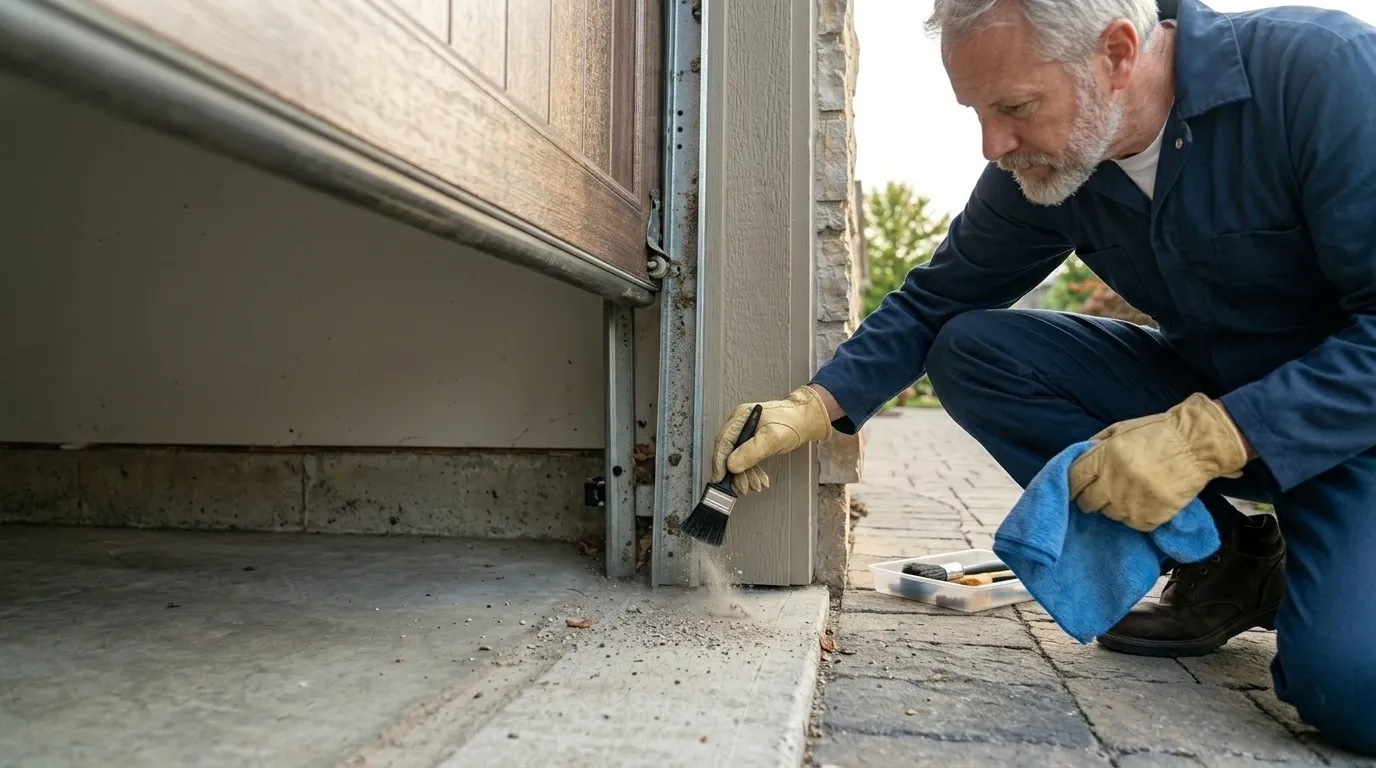
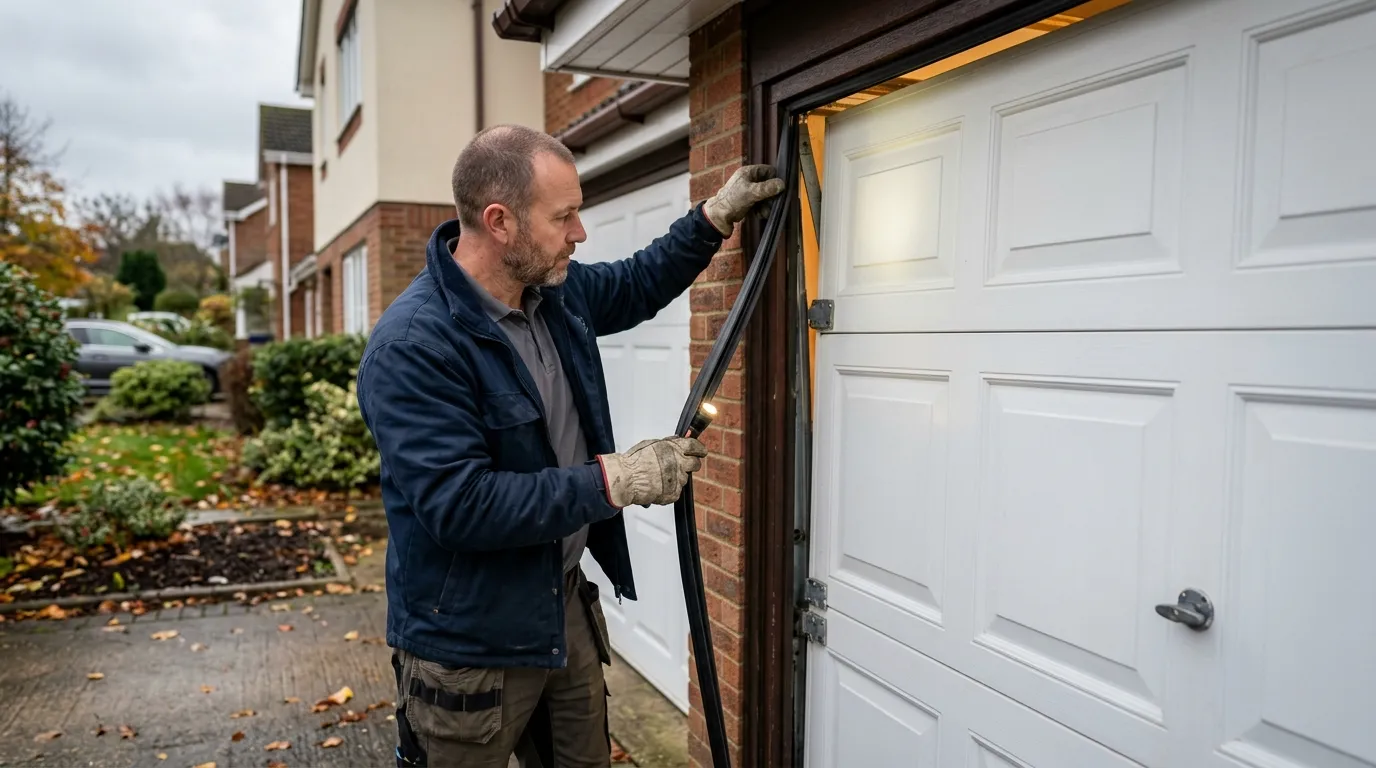
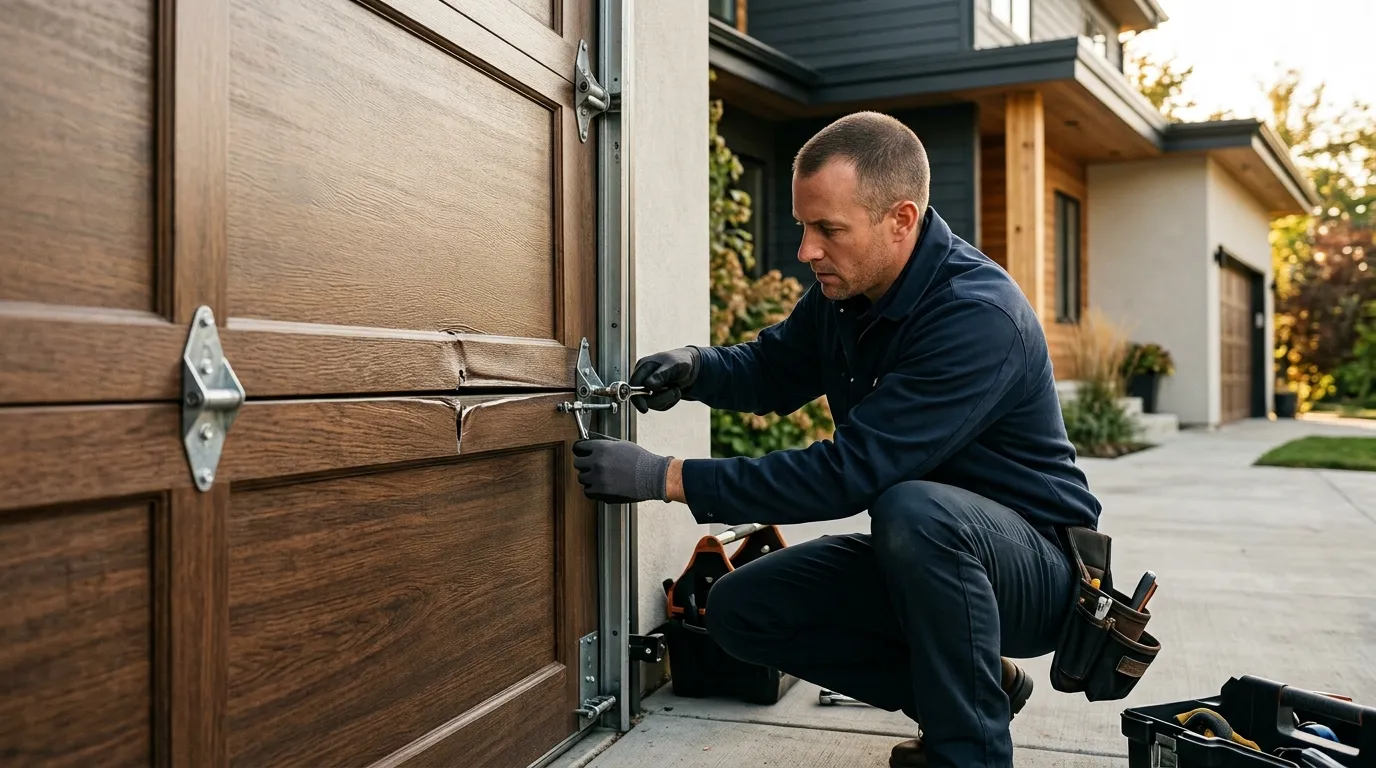
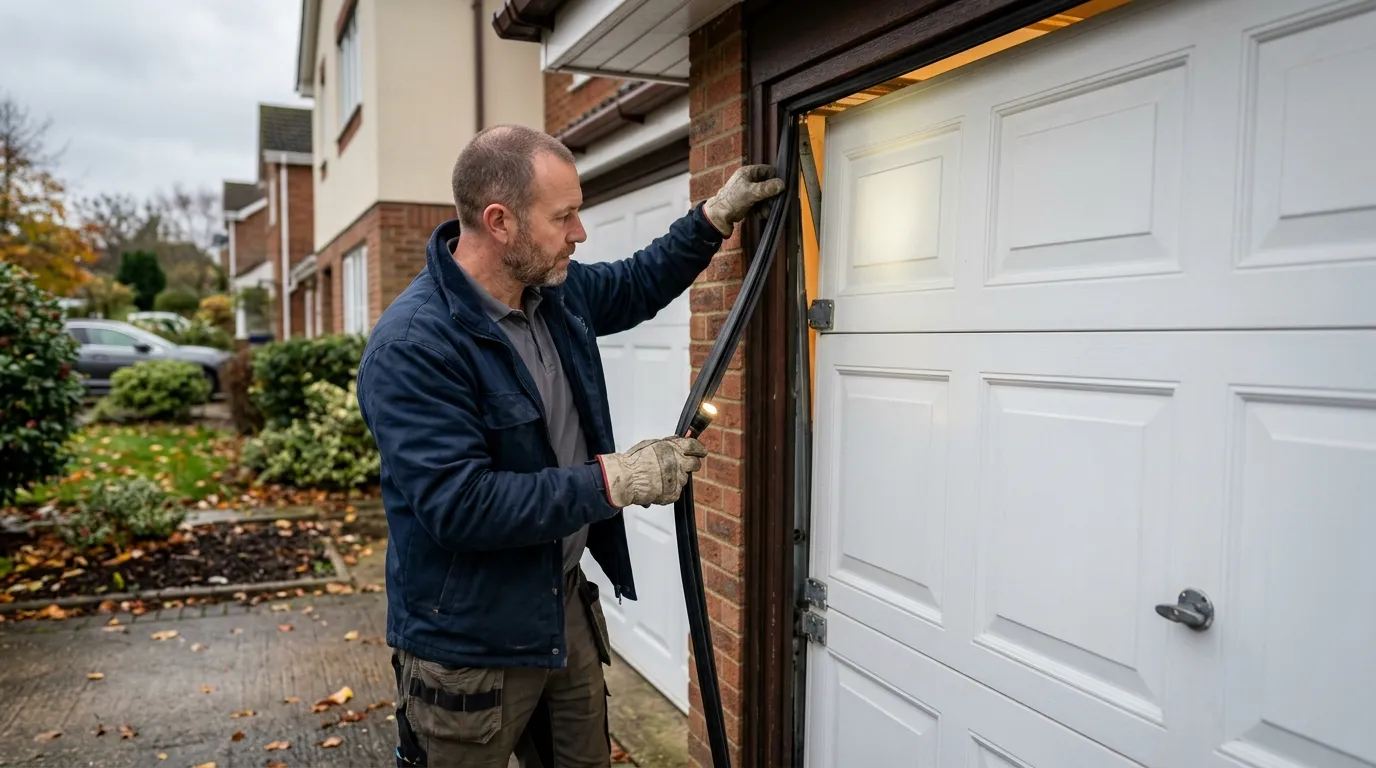
What you can reasonably check yourself: the track for visible bends or gaps, whether the rollers are cracked or missing pieces, and whether the door is binding at one specific spot every time (points to alignment) versus everywhere (points to spring or cable). If the opener runs but the door doesn't move, that's worth a look at the drive belt or chain before you call - sometimes it's just slipped off a gear, no truck needed.
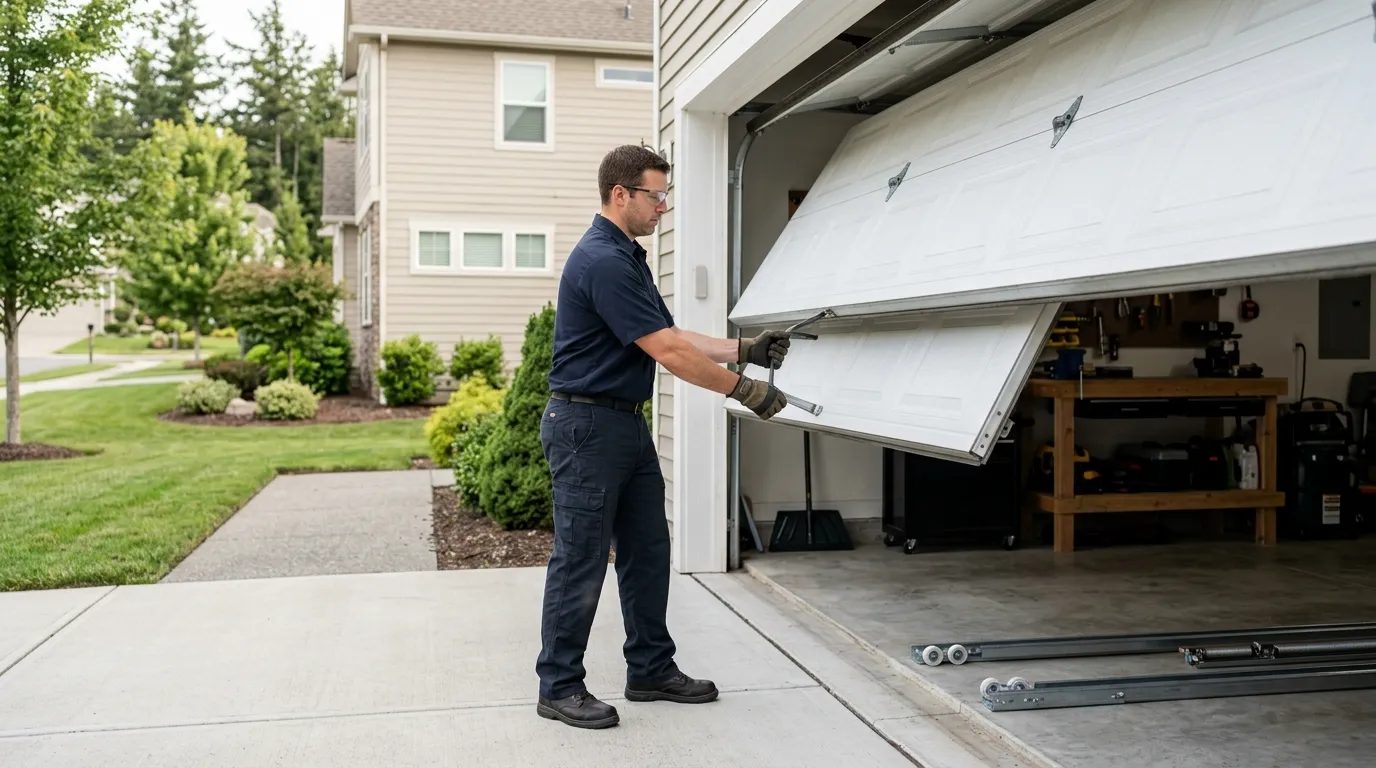
Where we'd tell you to stop and call: any snapped or visibly stretched spring, a frayed cable, or a door that's come off its track. On a lot of the older doors in this area, once you're past the original hardware's service life, the honest answer is that patching one worn part just shifts the failure to the next one a season later - at some point replacement is the cheaper fix, and we'll say so instead of running the meter on repeat repairs.