Checking It Yourself
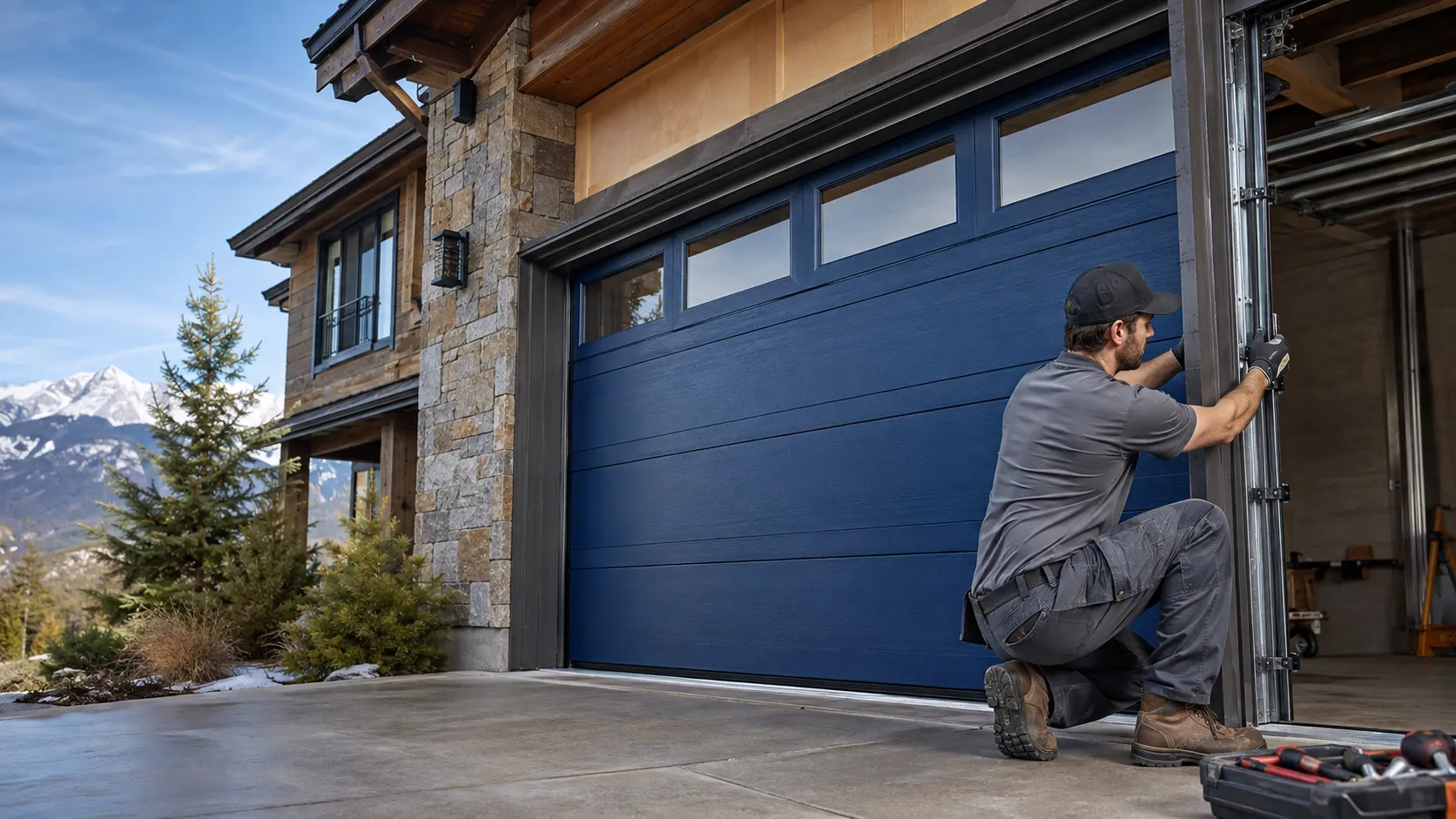
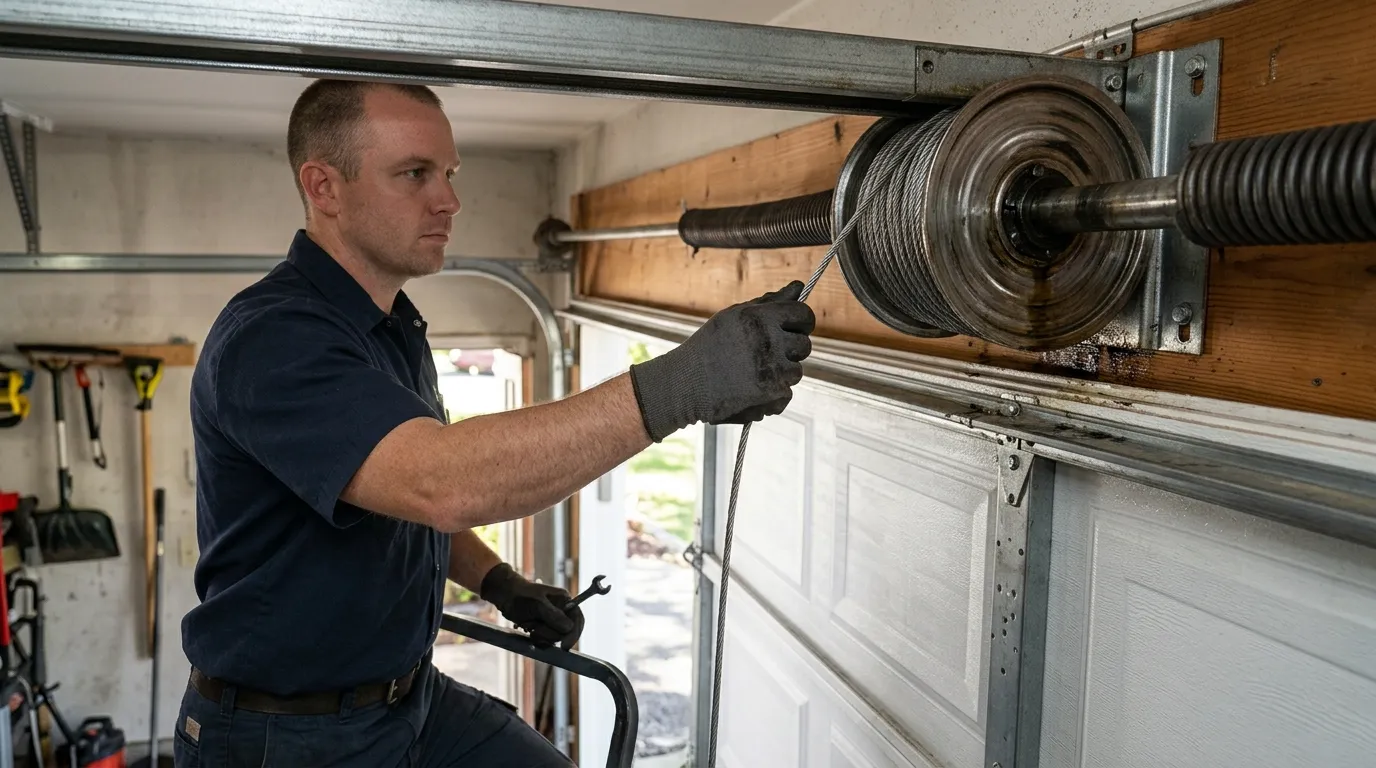
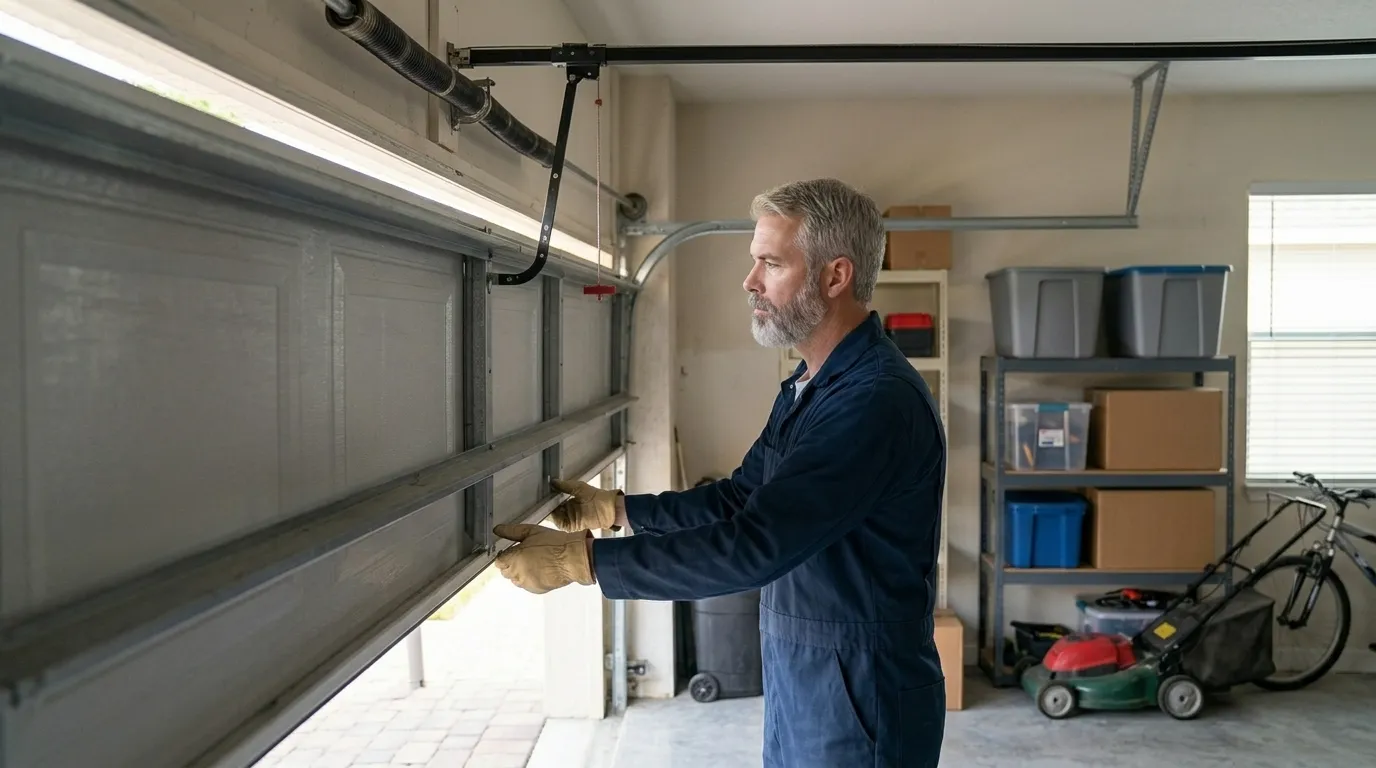
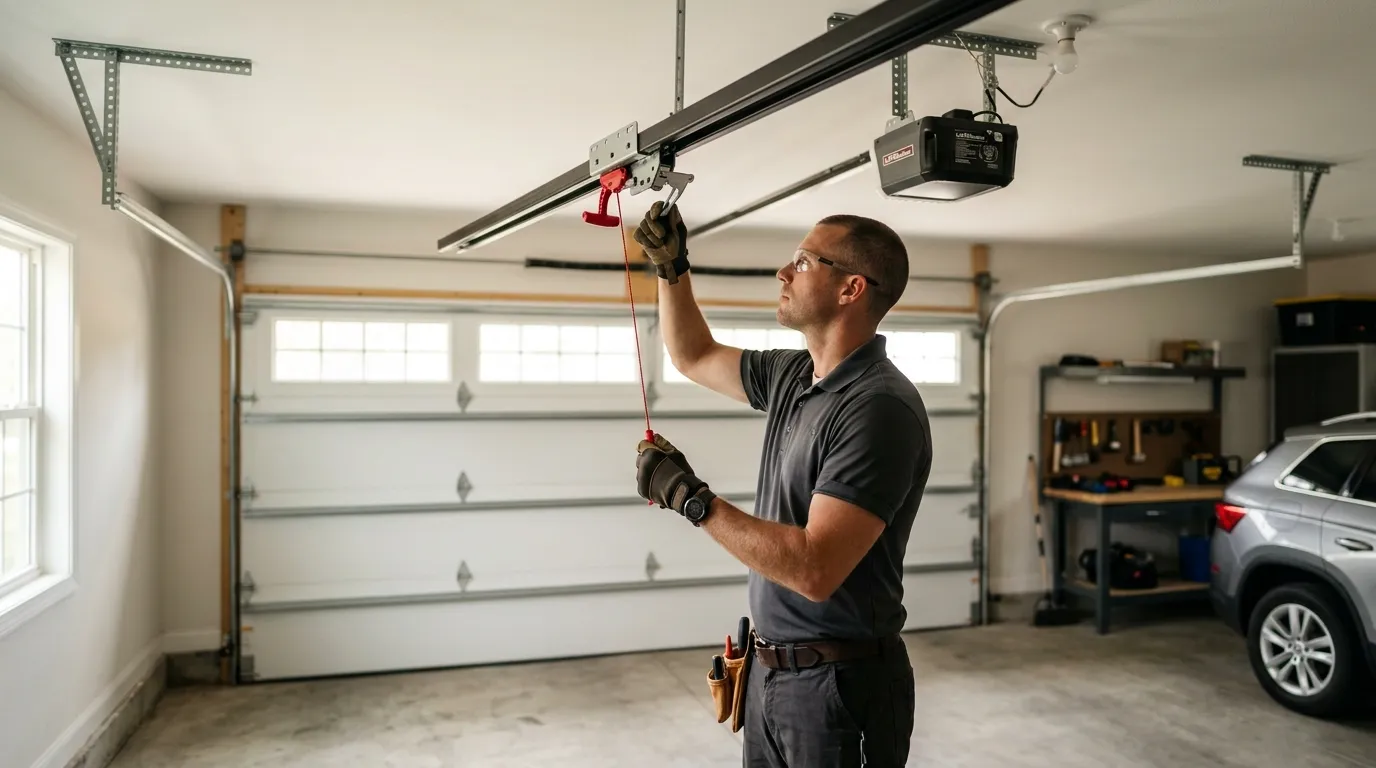
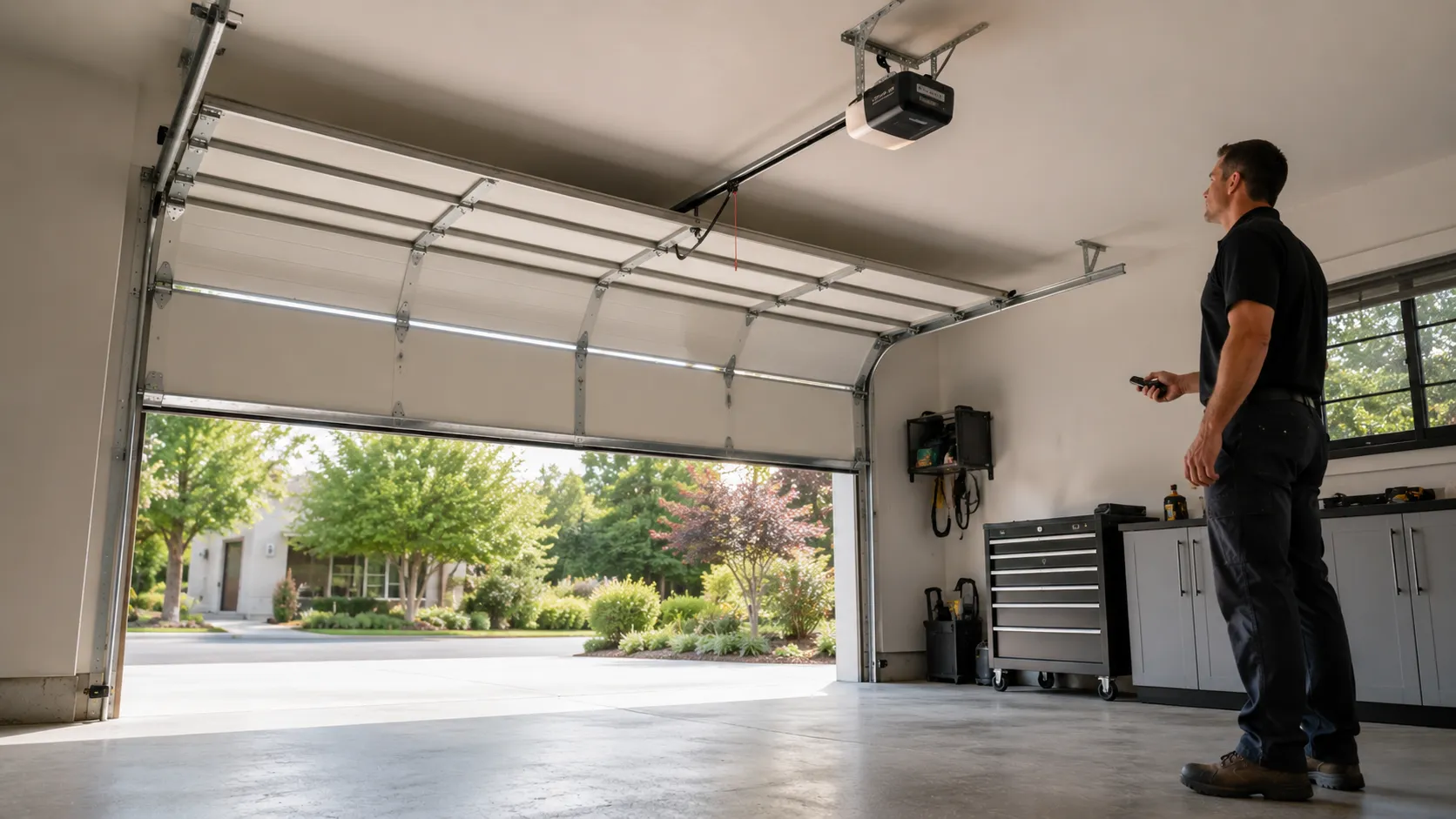
Before you call anyone, look at the opener head unit itself. If it's a model without a battery backup, a power cut just stops it cold - no light, no motor, nothing. Pull the red emergency release cord (it hangs from a track near the opener) and try lifting the door by hand. If it lifts smoothly and stays up on its own, the opener is the only problem. If it's heavy, drags, or drops, you've likely got a spring or cable issue hiding behind the opener failure, and that's not a DIY fix.
A lot of Rochester Hills houses were built well before battery-backup openers were standard equipment - housing stock here runs from 1938 up through 2002, with a median build year around 1960. That means plenty of original or first-replacement openers on the wall with no backup at all. Check your unit's label for a manufacture date; if it's more than 12-15 years old, backup capability is worth asking about even outside of an outage.
One honest note: if the manual release cord has been painted over, seized, or someone rigged a zip tie around it years ago (common on older setups), don't force it. A stuck release under spring tension is a call, not a project.
What You Pay
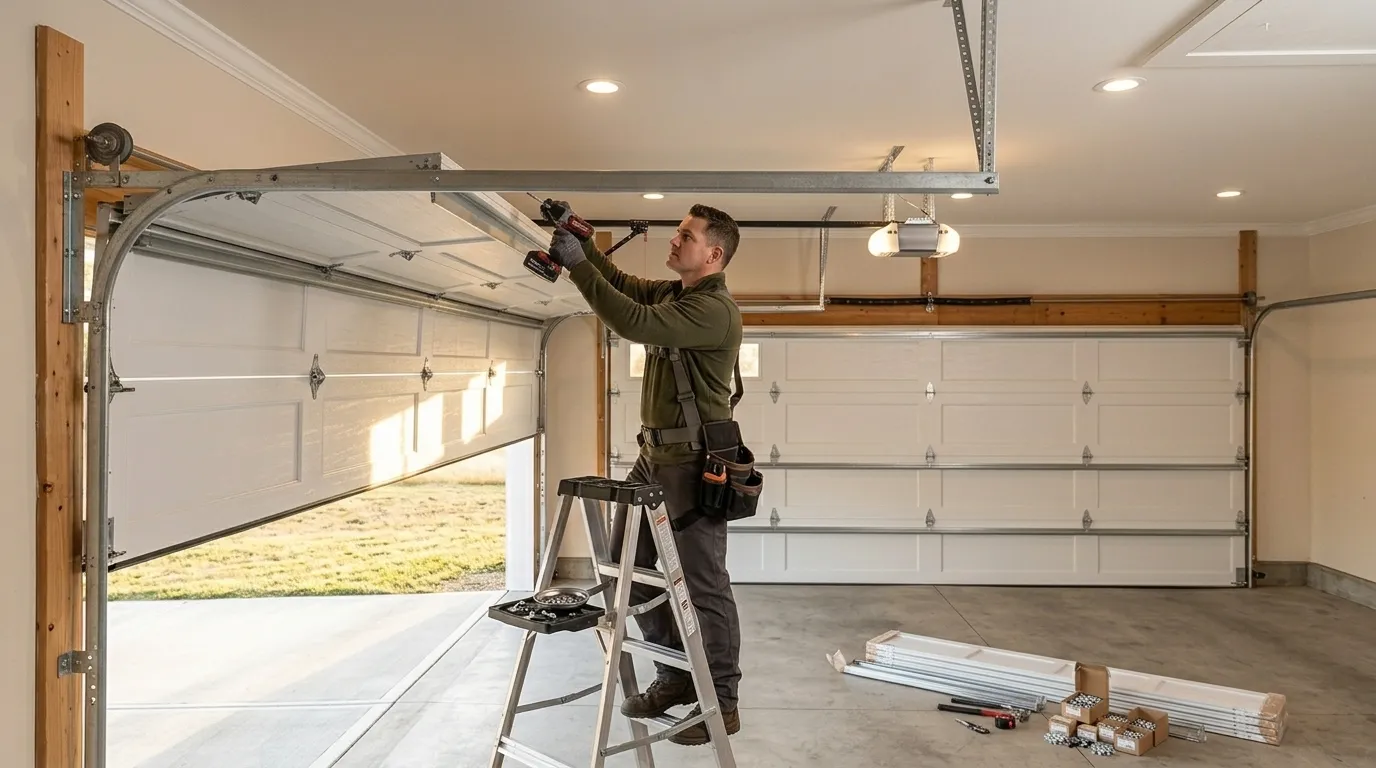
We don't have a rate sheet to quote here, so we won't make one up. What we can tell you is what drives the cost difference: swapping an opener is a different job than adding battery backup to an existing one, and both are different from a spring repair that just happens to coincide with an outage. If your door won't move and the power just came back, get the opener diagnosed on its own before you approve any spring work - the two failures get bundled in people's minds because they show up together, but they're priced separately because they're separate jobs.
The honest limitation: if your opener is old enough that parts are discontinued, repair may cost more than replacement once you add up labor and a part nobody stocks anymore. We'll tell you straight when that's the case instead of chasing a part order that takes weeks.
What Local Conditions Do
Rochester Hills sits in a climate band classed as cold and severe, which means winter weather here brings the kind of ice and wind loading on power lines that causes outages in the first place - not a rare event, a seasonal one. Combine that with a service area covering 42 named communities stretching from Rochester and Auburn Hills a few miles out to Romeo and Eastpointe further afield, and you've got a wide mix of grid age and opener age both doing their part.
The practical effect: cold makes garage doors heavier to lift by hand (grease thickens, seals stiffen), right at the moment a power cut takes the opener out of the equation. That's the double hit - dead opener, stiffer door - that shows up most in January and February calls, not August ones.