What We Will Not Take On
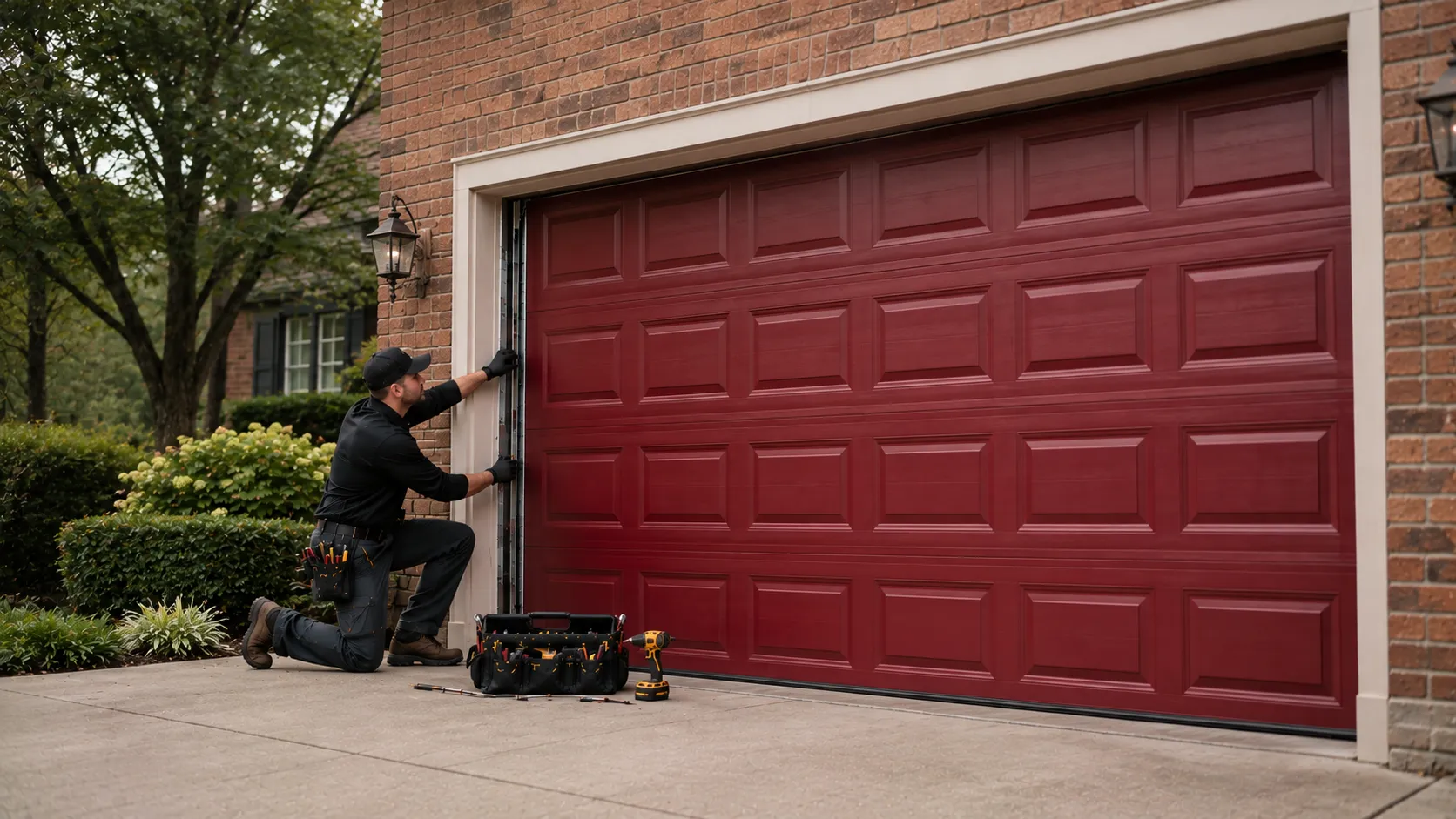
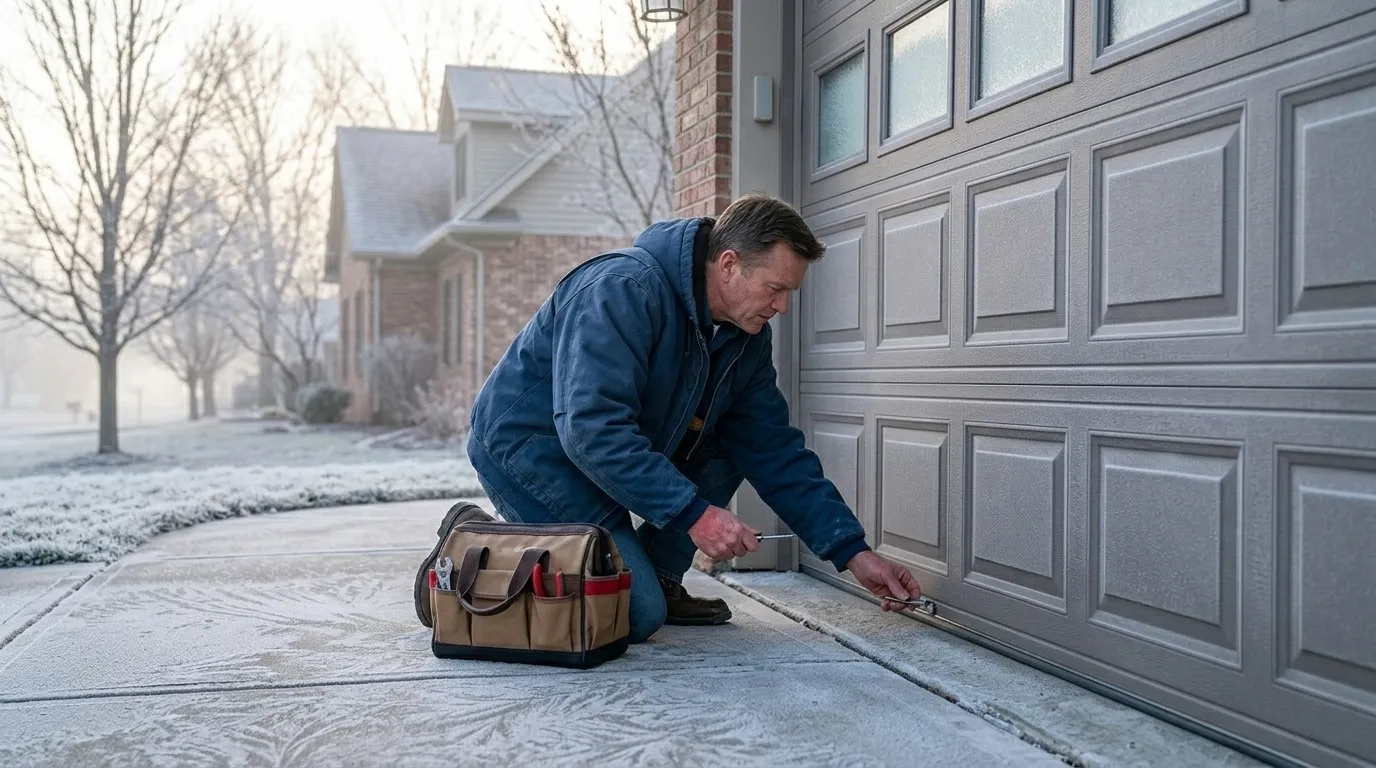
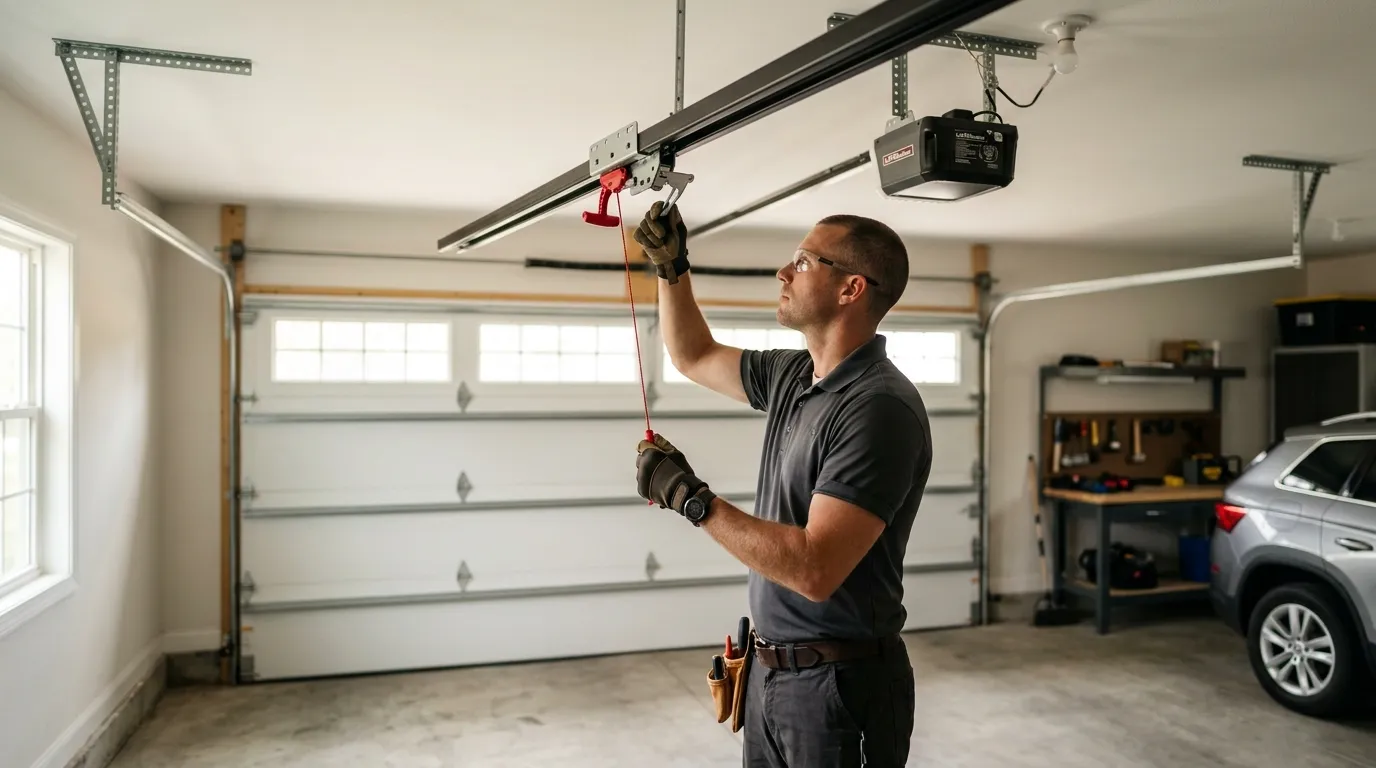
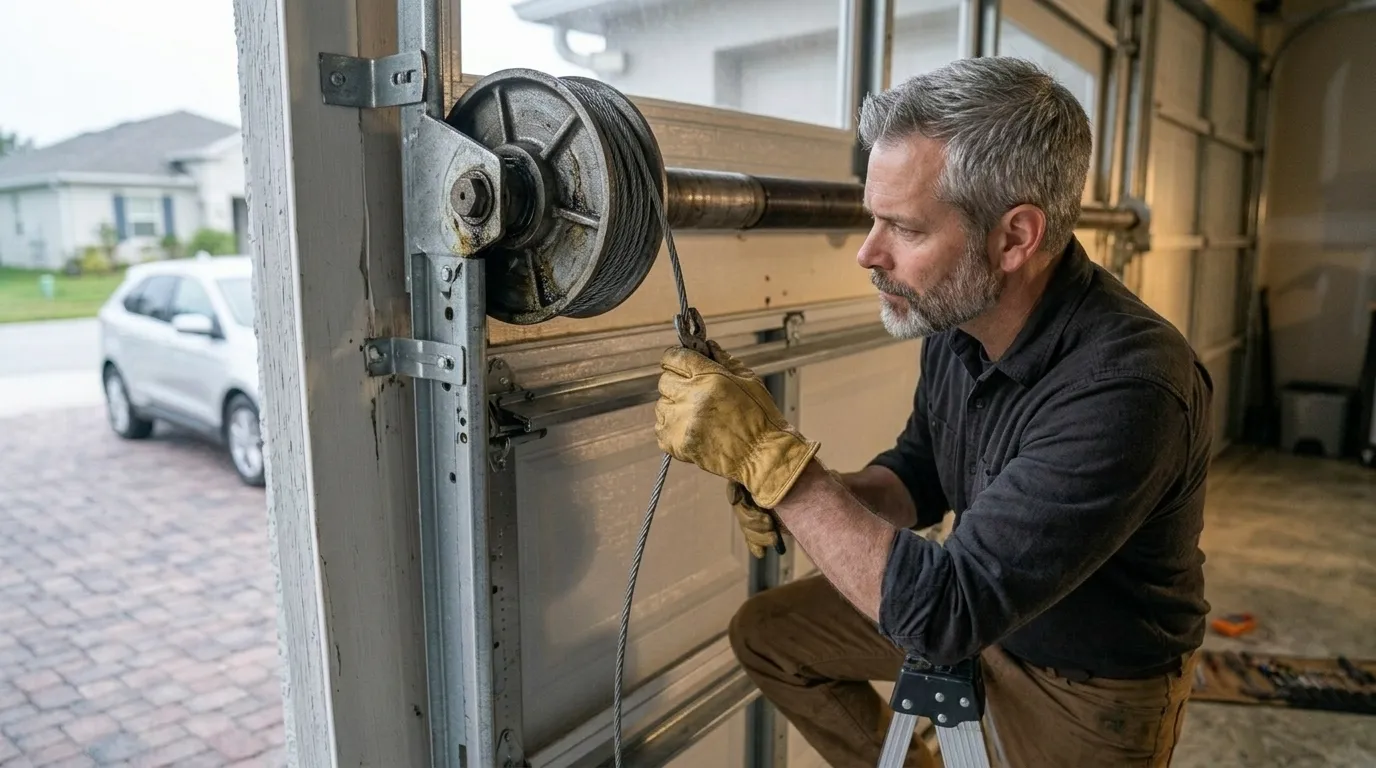
We drive out from Rochester Hills to reach Eastpointe, which is about 17 miles away, so this isn't a same-hour walk-in shop. We don't take on jobs where the opener or door hardware is so old that replacement parts no longer exist anywhere - at that point we'll tell you straight that a full door swap costs less over time than chasing discontinued brackets. We also won't quote a repair over the phone sight unseen if the symptom could be a bent track or a cracked panel; those need eyes on the door, not guesses. If a job needs a permit pull or structural framing work beyond the door opening itself, that's outside what we do - we handle the door, the opener, and the hardware that runs them, not the wall around them. And if you're calling about a door that's already off its tracks and someone's trying to force it, stop, unplug the opener, and wait for a tech. Springs and cables under tension are the most common injury cause in this trade, and we'd rather lose the drive time than have you get hurt before we get there.
This Area's Housing
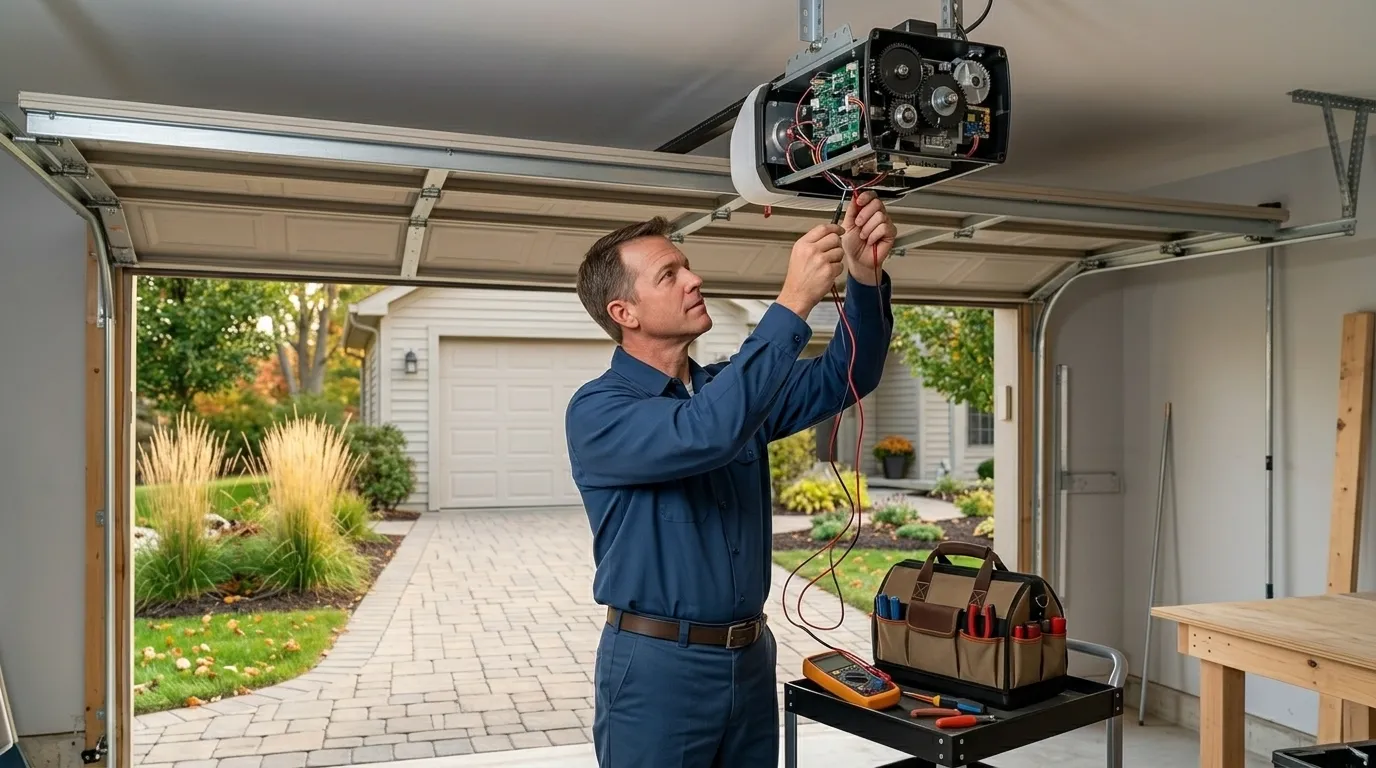
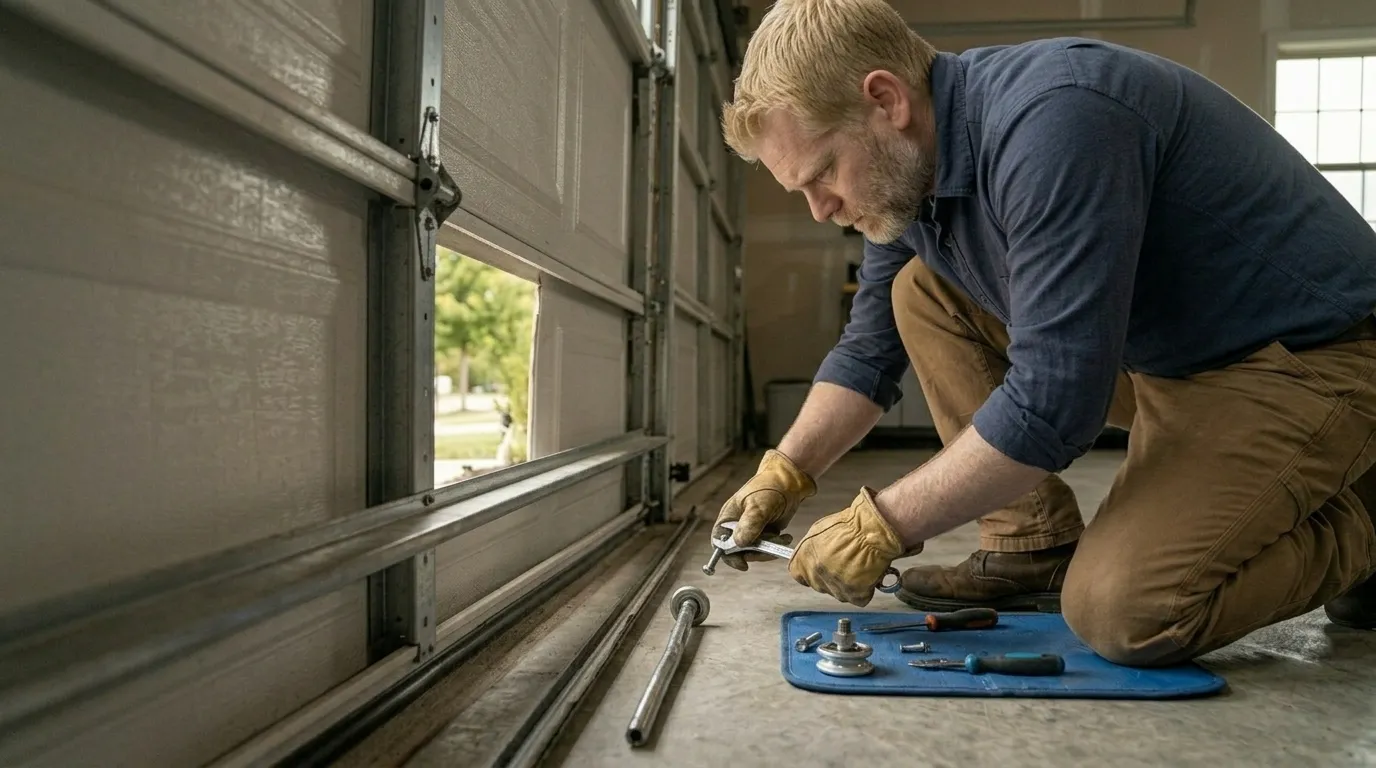
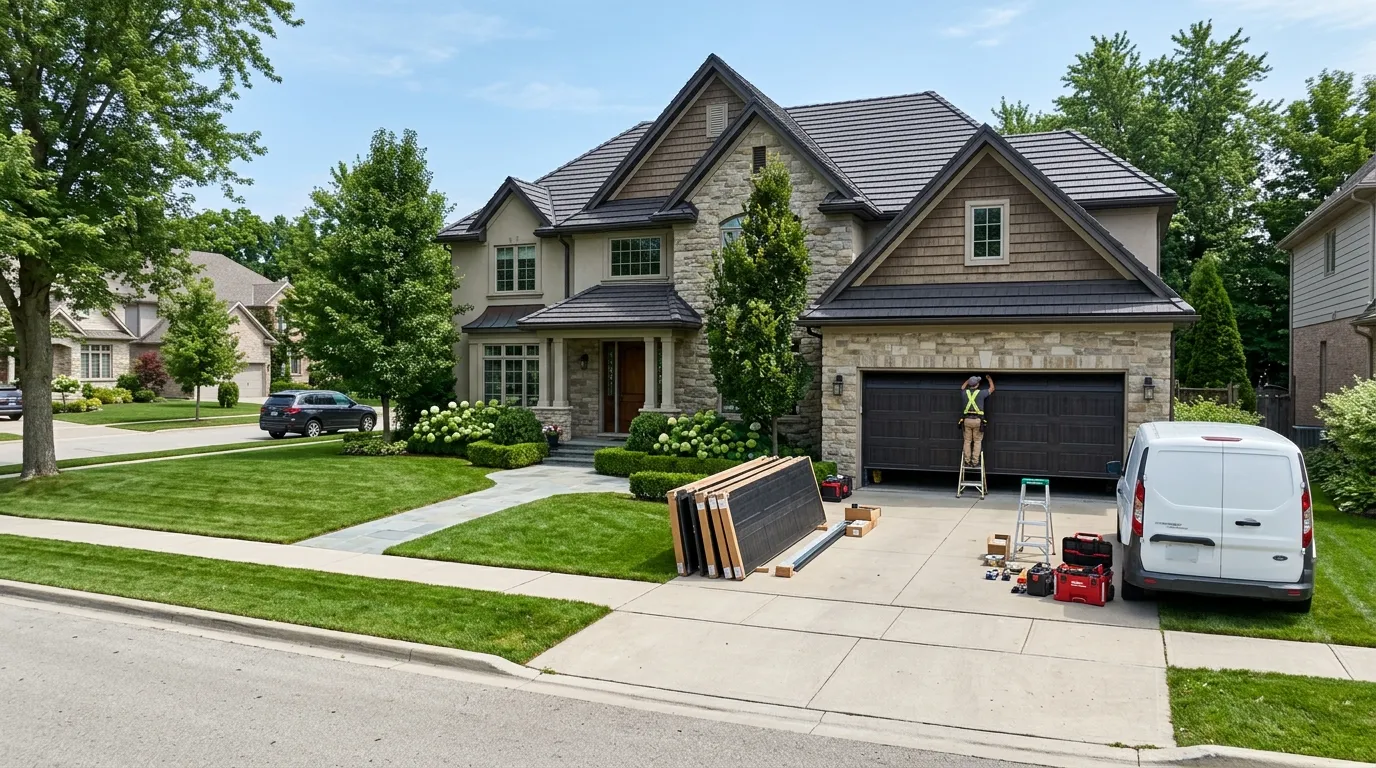
Eastpointe's housing runs older than a lot of what we see closer to Rochester Hills - the median build year here lands around 1954, ahead of the broader service area's 1960 median from the regional housing data. That six-year gap matters more than it sounds: it's the difference between a house built with a two-car garage designed for a lighter door and simpler hardware, versus the wider, heavier double doors that became standard by the 1960s and after. With roughly 13,400 households in Eastpointe and a median income of $58,196, well below the wider service area's $84,862, we see a lot of owners choosing torsion spring replacement and opener repair over full door swaps, because the framing and header on these older openings often can't take a wider door without carpentry work first. It's a practical calculation as much as a financial one - the bones of the house were built for what's already there.
Old Streets and New Ones
Eastpointe sits at the edge of a service area we cover from Rochester Hills, out past closer stops like Roseville and Center Line on the way. The town's layout reflects its build era - older platted blocks with garages set close to the alley or the back of the lot, a pattern common to towns built up mid-century rather than in the wider sprawl that came later around Rochester Hills itself. We don't know every street here, and we won't pretend to; what we do know is the hardware that generation of construction produced, and that's what we bring the truck for. If your door's original to a mid-1950s build, chances are decent it's due for spring replacement regardless of what else is wrong with it - metal fatigues on its own timeline, not on the timeline of whatever else is failing.