What We Will Not Take On
We don't keep a crew or a truck stationed in Bloomfield Hills. We run out of Rochester Hills, about 7 miles away, and that drive is part of how we schedule the day, not an inconvenience we hide. If you need someone standing at your door in twenty minutes, we're not that company for this area.
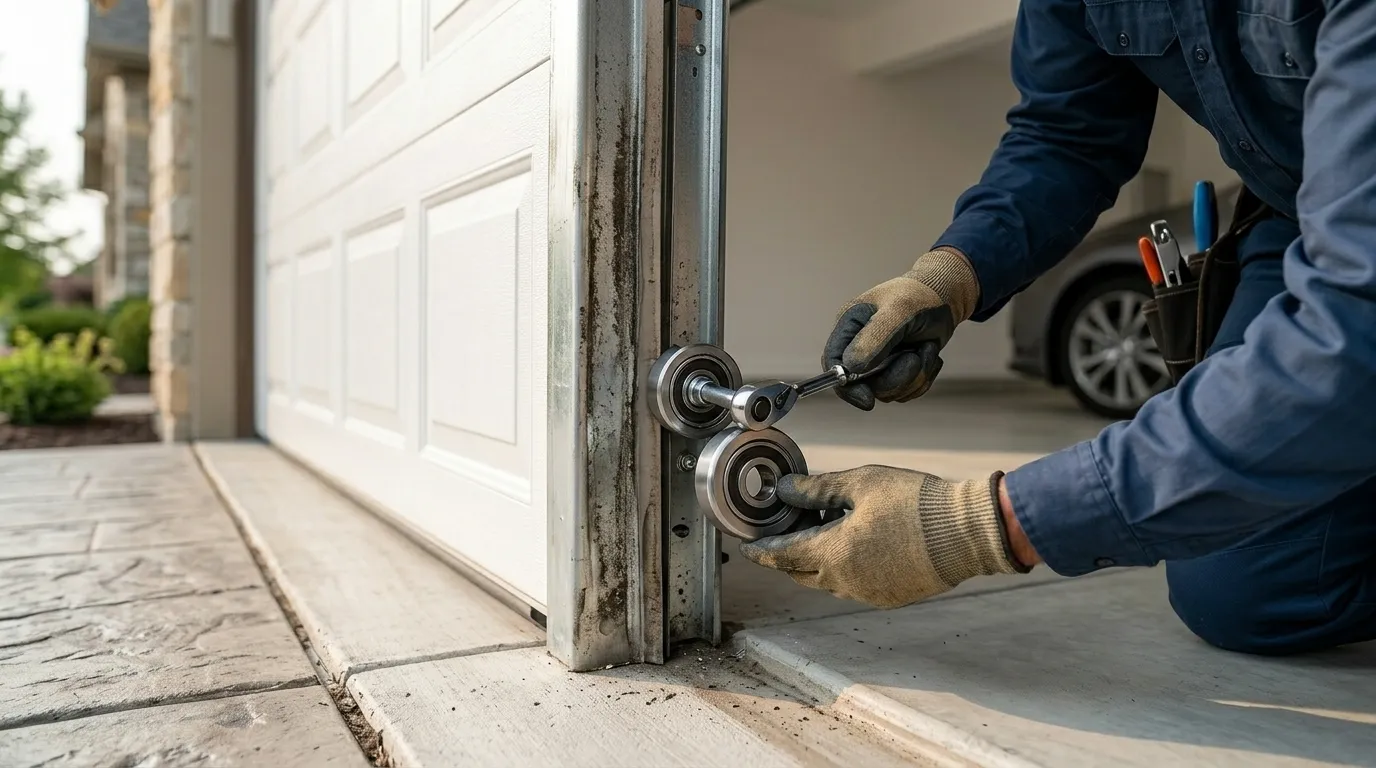
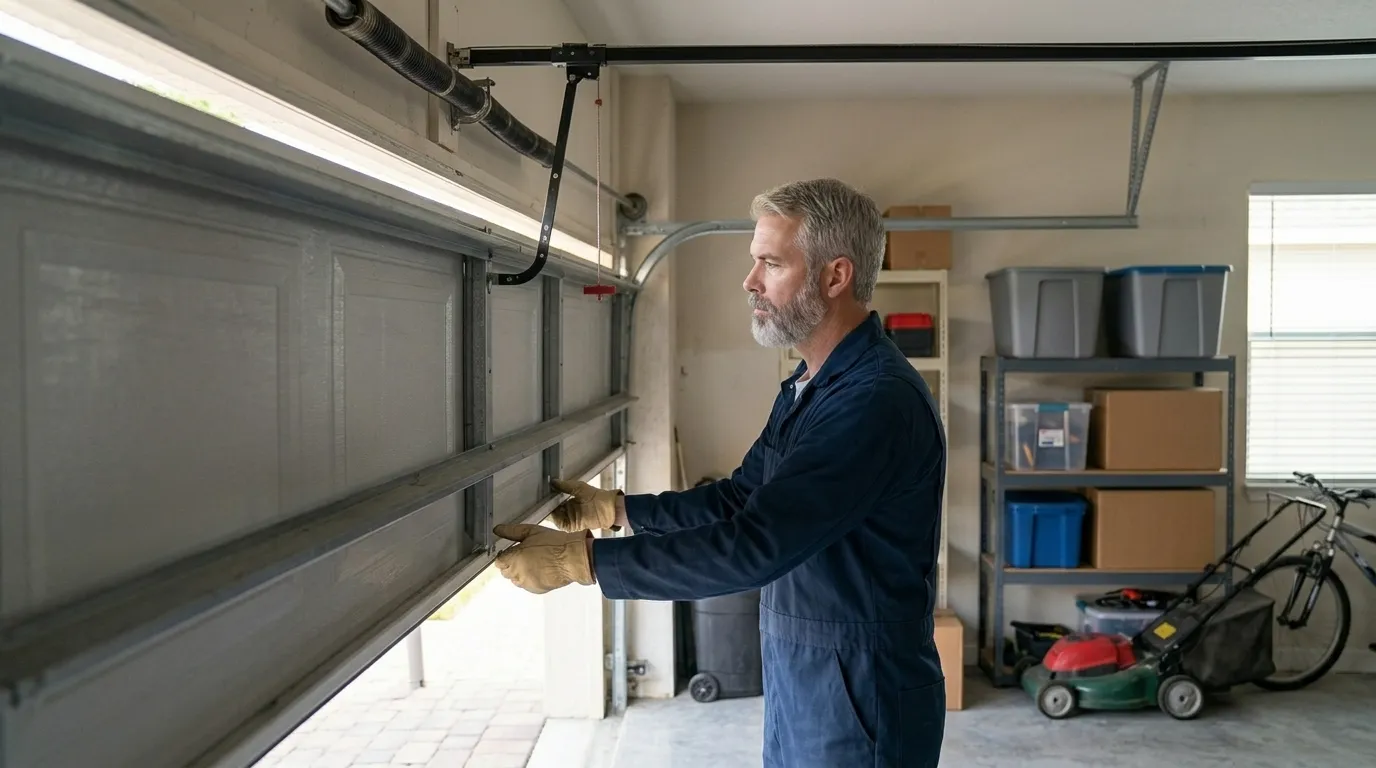
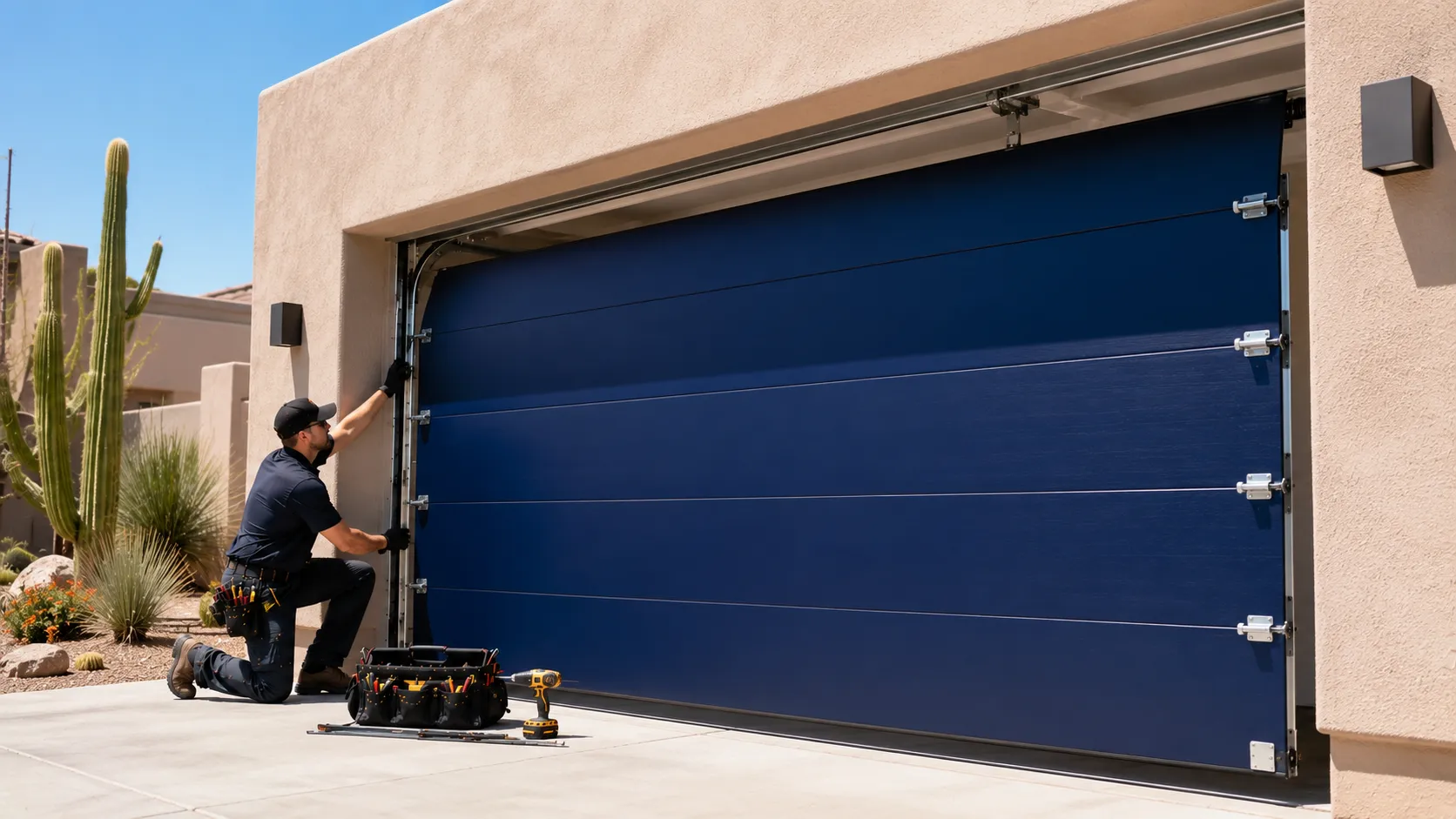
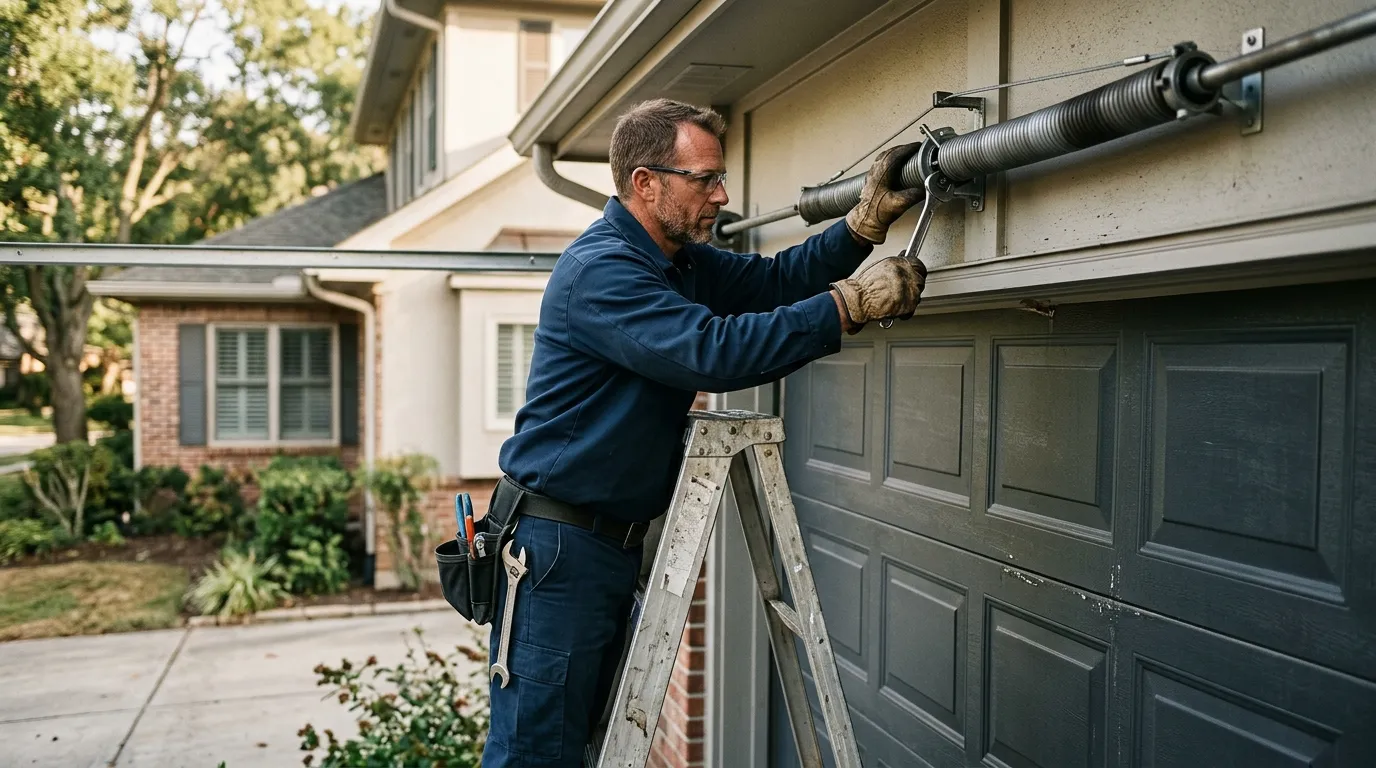
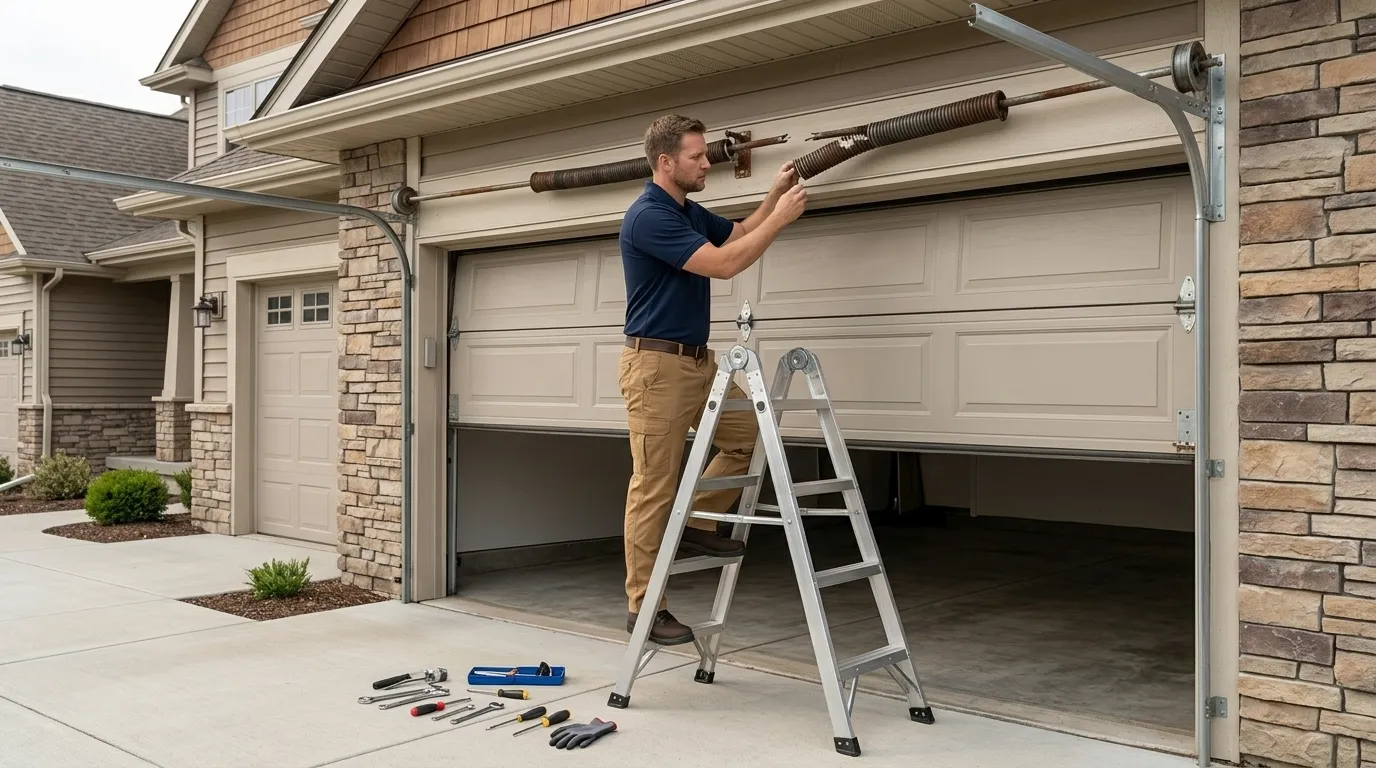
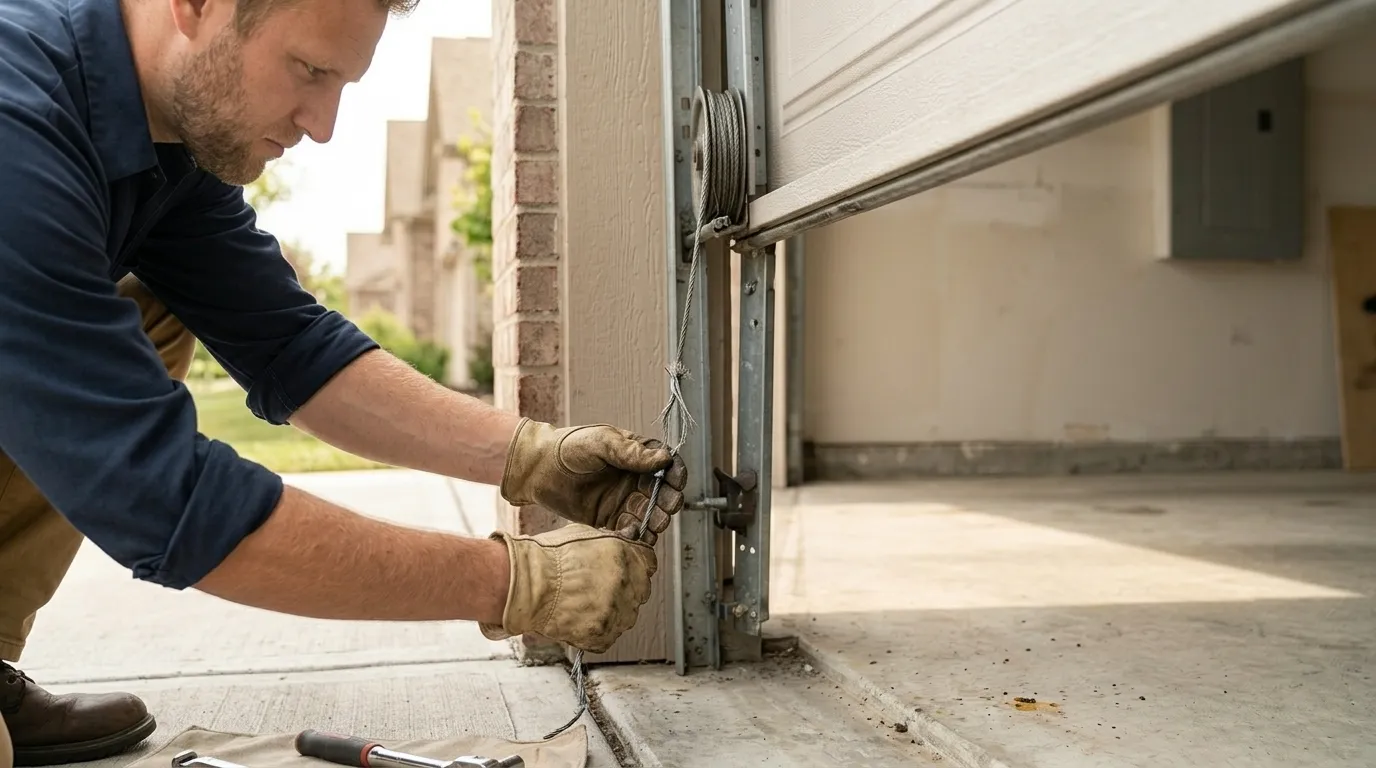
We also won't tell you a door is fine when it isn't, or talk you into a repair on a door that's cheaper to replace outright. If a torsion spring has gone and the drums are pitted and the track is bent from a car backing into it, patching one piece and leaving the rest is a waste of your money and our time. We'll say so.
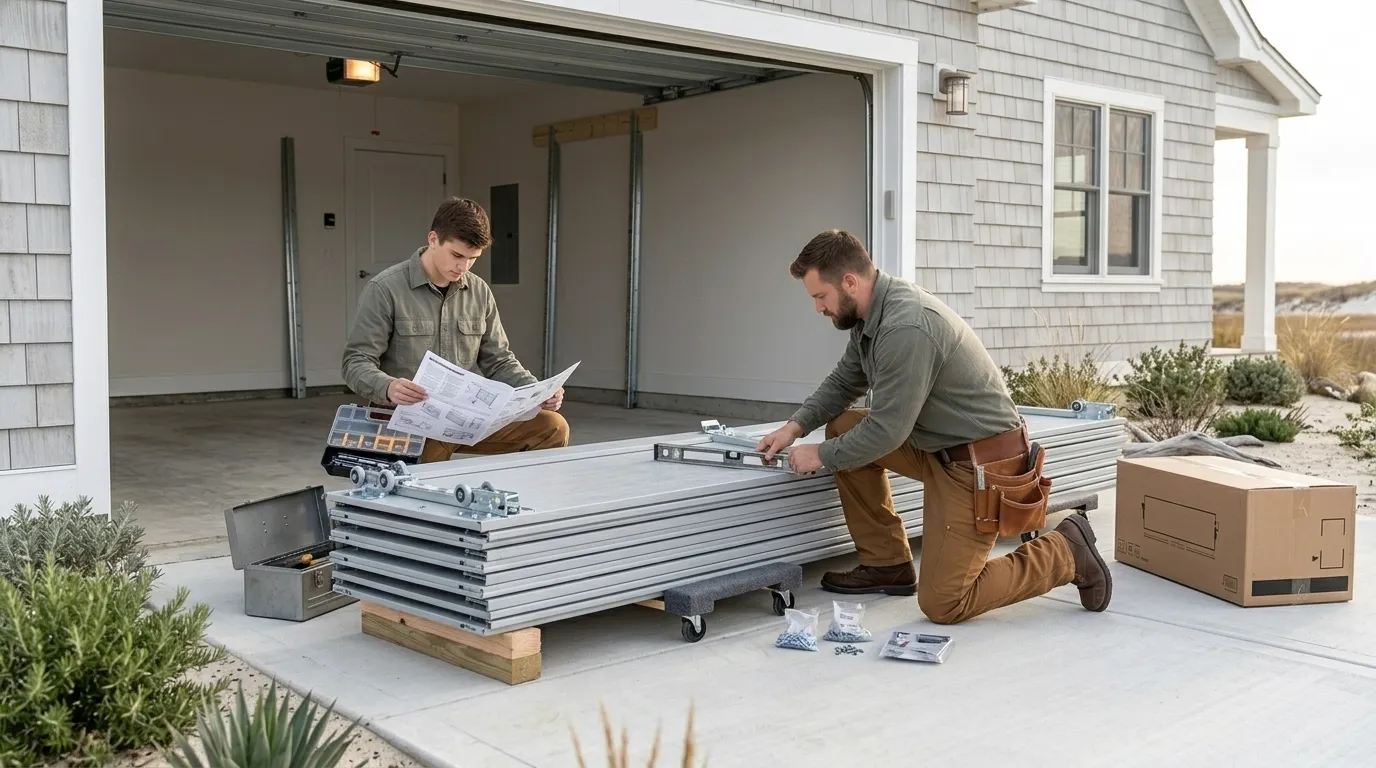
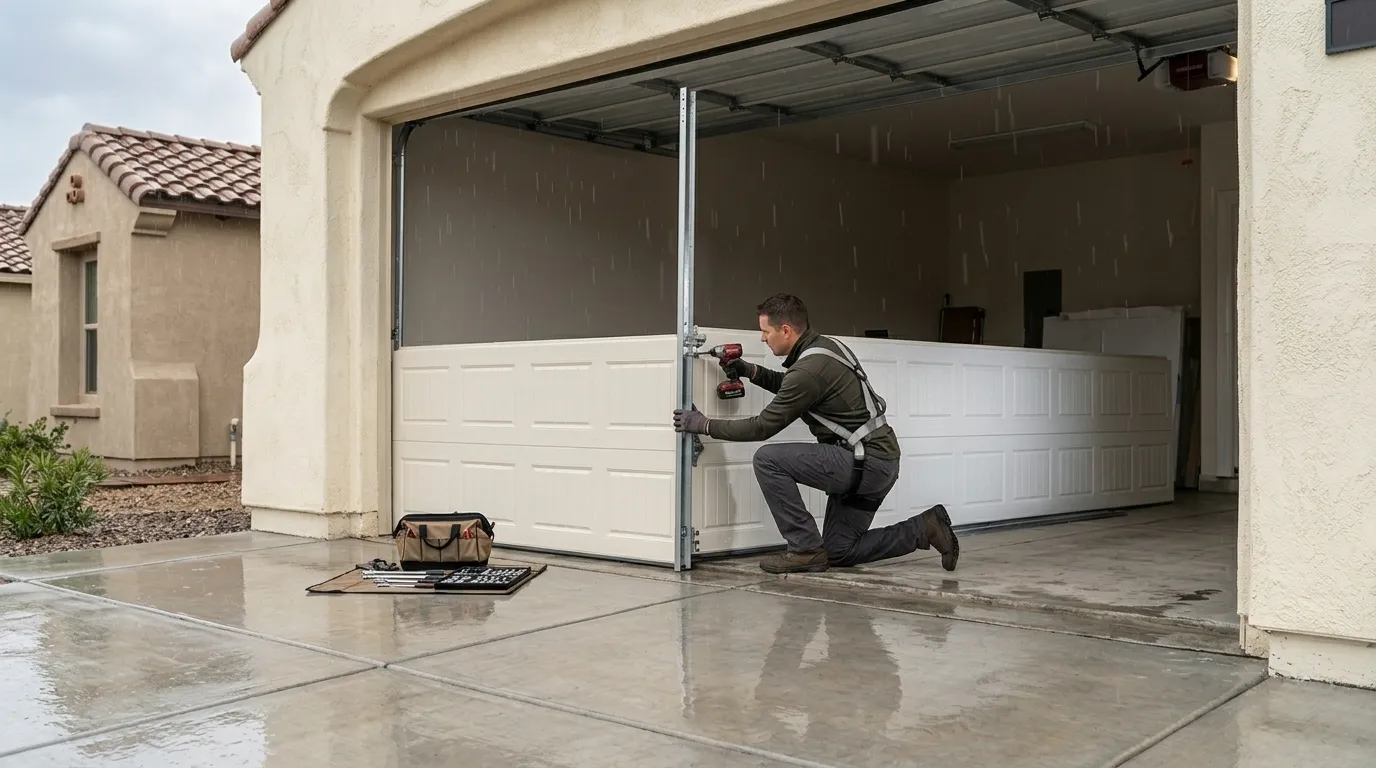
We don't work on doors we can't get parts for in a reasonable window, and we won't guess at a fix over the phone without seeing the door. Some jobs also just aren't garage door jobs - a door that won't close because the framing has settled is a carpentry problem first.
This Area's Housing
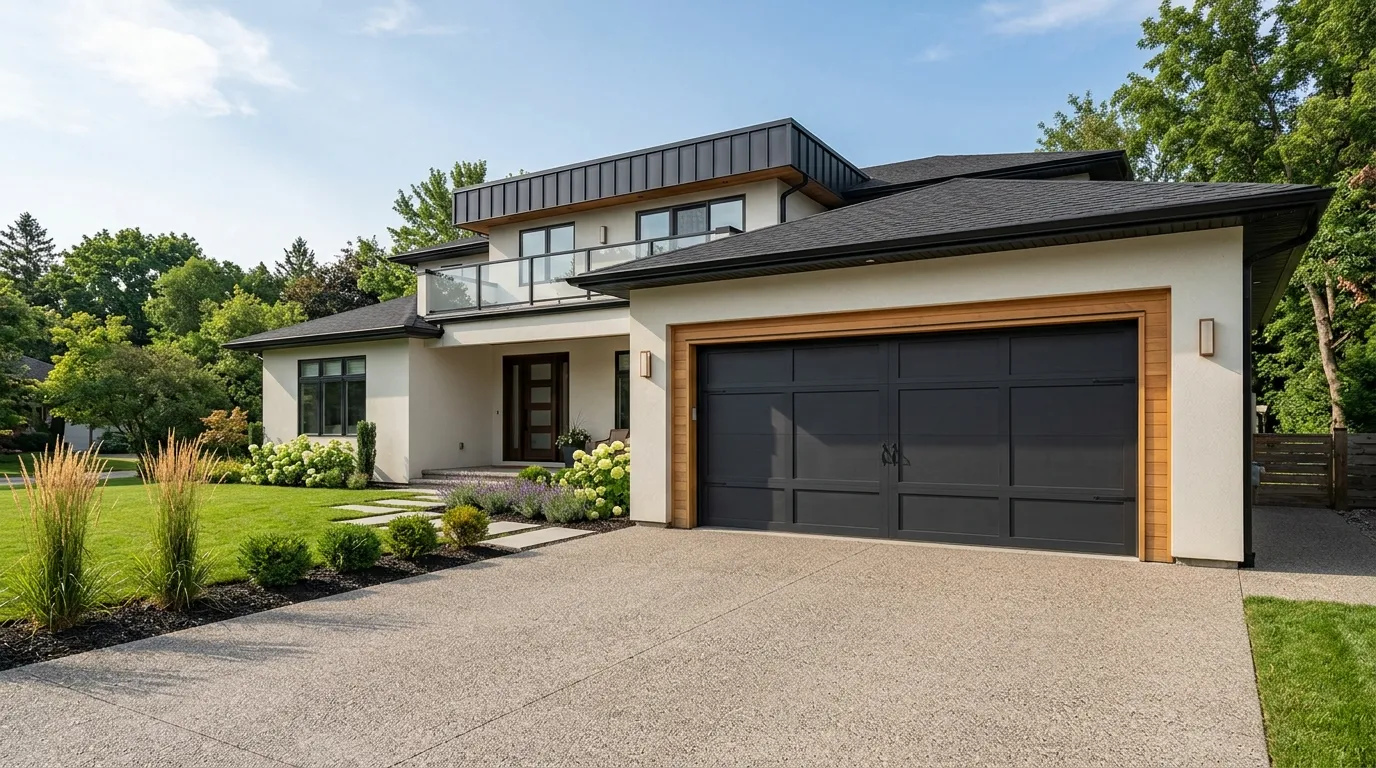
Houses in Bloomfield Hills run newer than the typical stock across our wider service area. Where the broader region spans homes built between 1938 and 2002 with a median around 1960, the homes here center closer to 1975 - a full building generation later. That fifteen-year gap matters more than it sounds like it should.
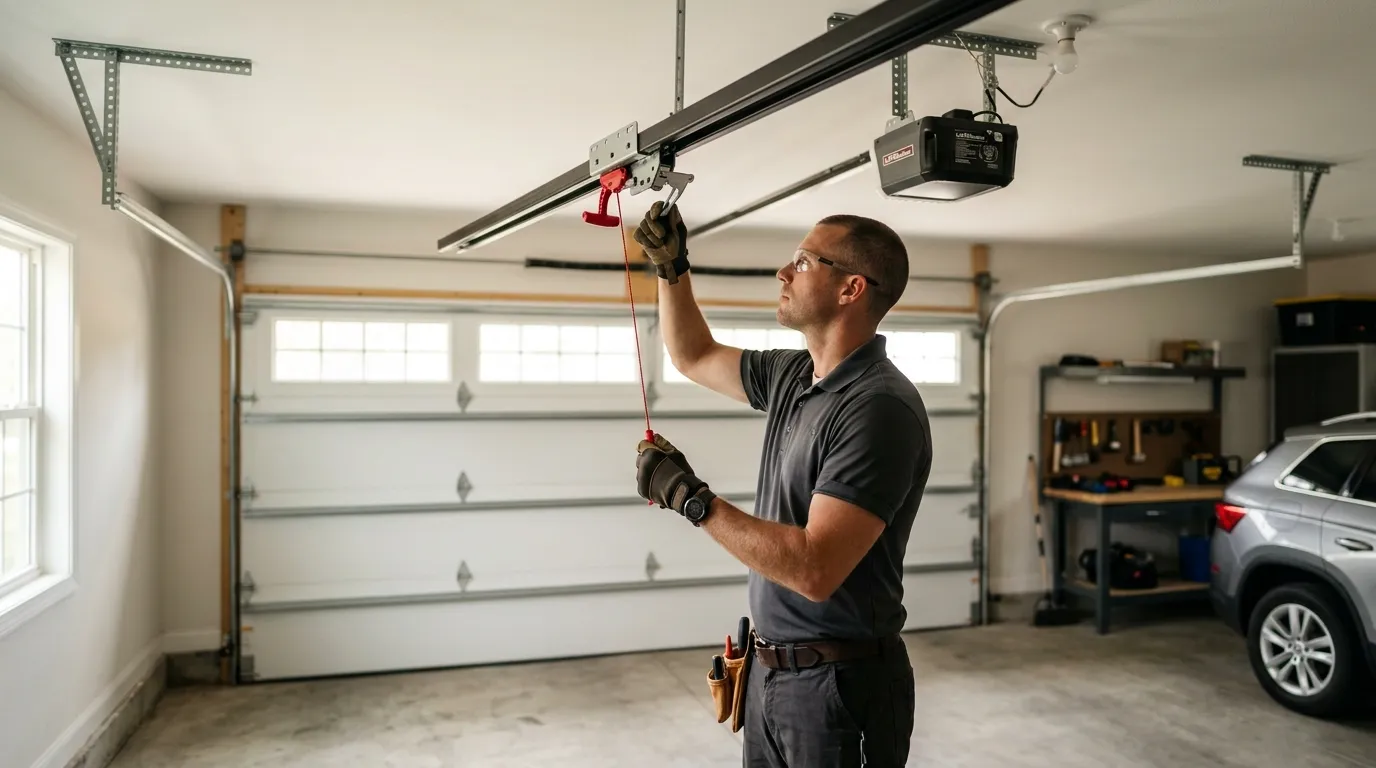
With roughly 1,557 households in the area and a median income around $200,318, well above the broader service area's $84,862, the doors and openers we see here tend toward the higher end of what was available at the time they were installed - heavier sectional doors, insulated panels more often than not, and openers that were mid-range-to-good rather than the cheapest unit on the shelf. That doesn't mean they're maintenance-free. It means when something fails, it's usually a component wearing out on schedule rather than a door that was undersized for the opening from day one.
Old Streets and New Ones
Bloomfield Hills isn't one uniform build era even at 1975 median - some pockets went up earlier and some later, and the door hardware tracks with that. On the older end of the range you'll still find the two-inch track and heavier torsion setups that need parts matched carefully. On the newer end, closer to the turn of the century, doors are more likely to have factory-insulated steel panels and openers built to modern reversal codes already.
We come out from Rochester Hills for both ends of that range, and the first thing we ask on the phone is roughly when the house was built, because it tells us more about what's likely wrong than the symptom does. A door that won't stay down on an older-track house is a different job than the same symptom on a newer insulated door.
We don't have a list of specific streets or subdivisions to point to here - what we go on is the housing-age data and what we find when we're standing in front of the door.