Checking It Yourself
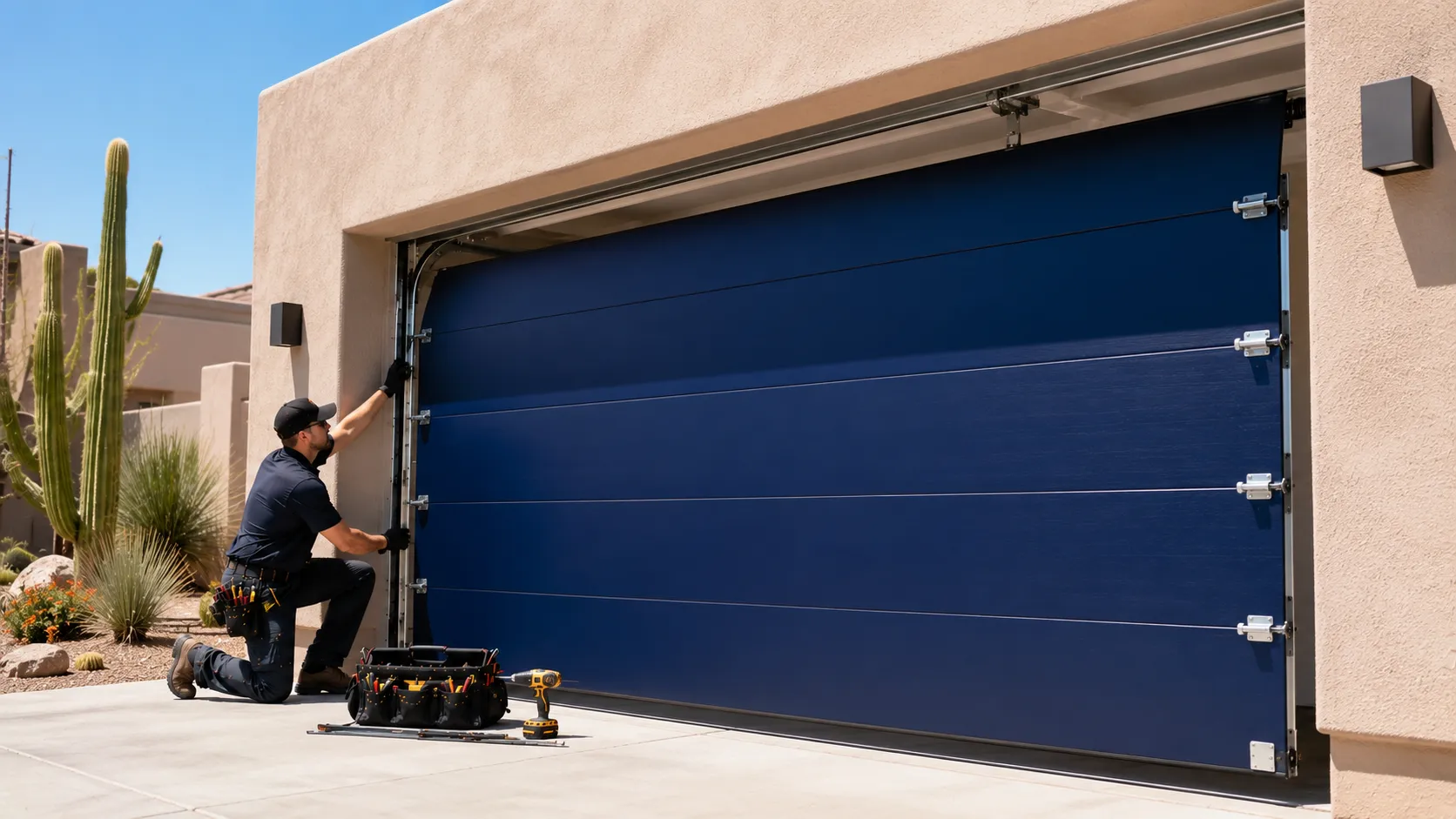
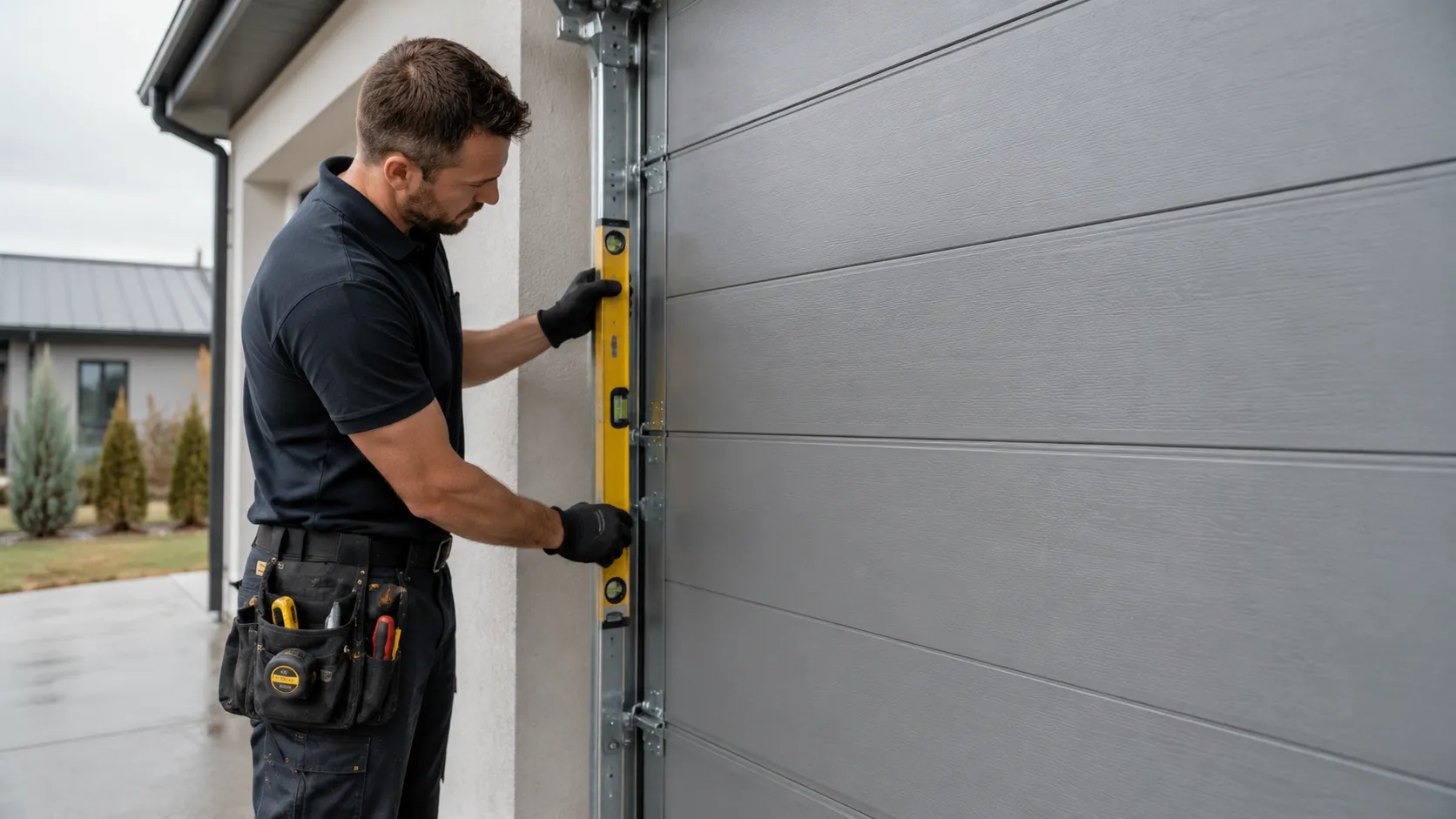
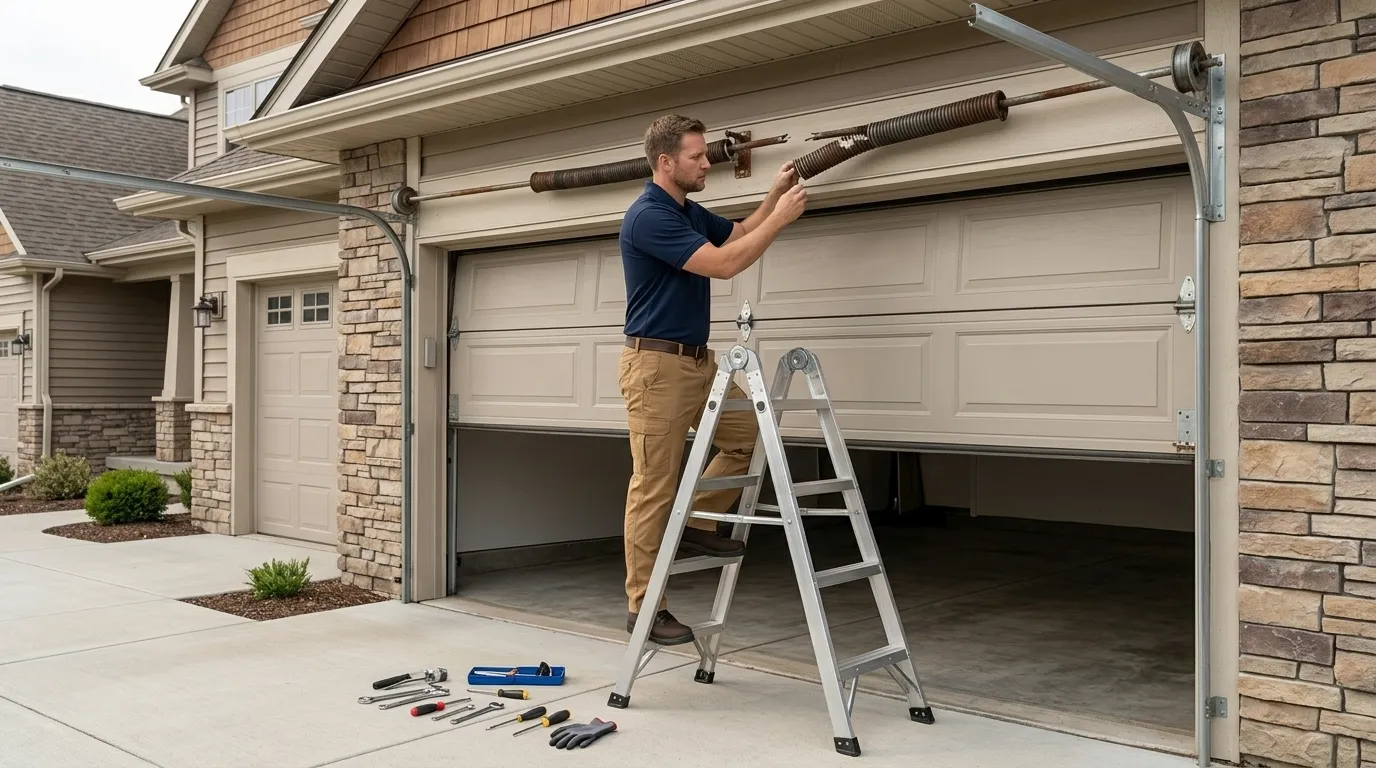
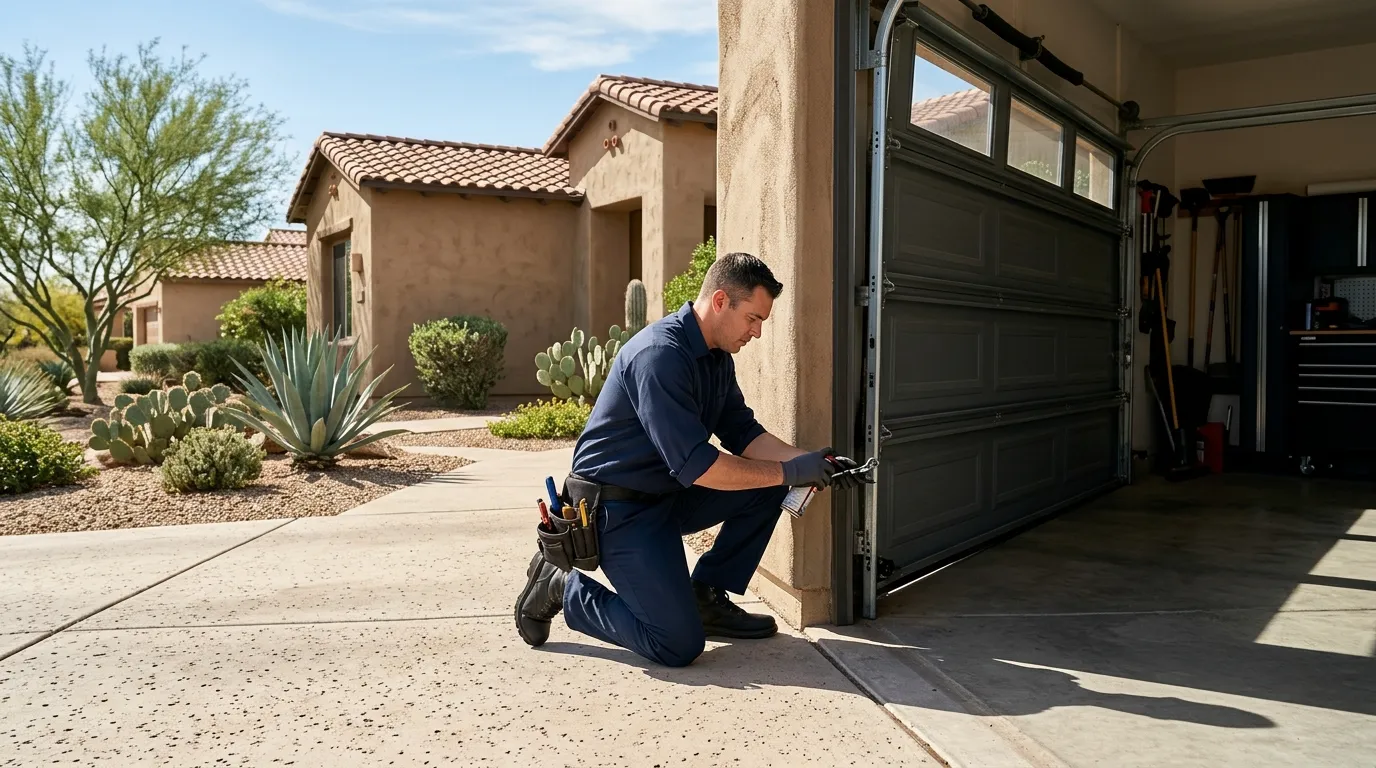
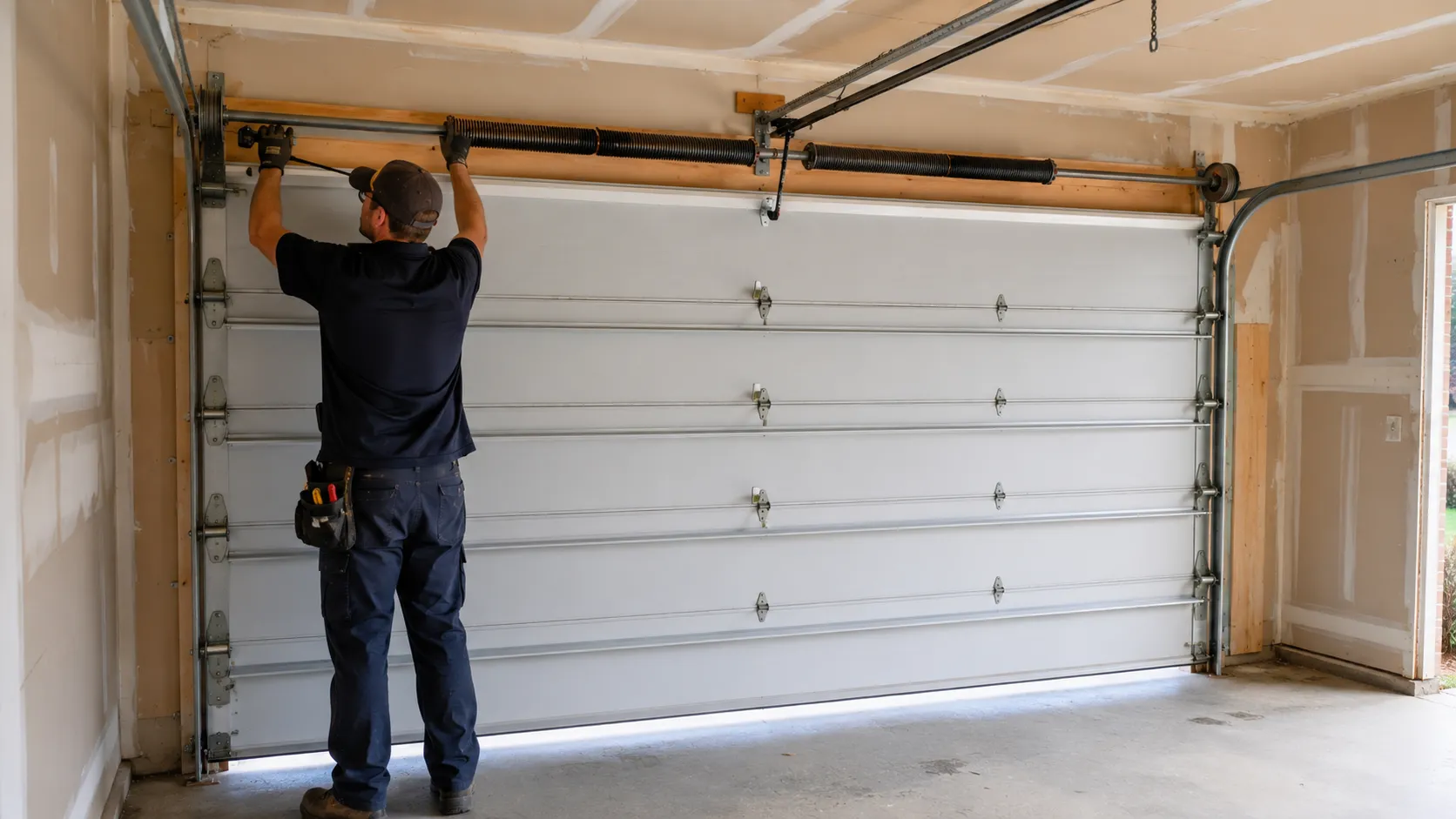
Before you call anyone, look at three things. First, the springs above the door - on a lot of Rochester Hills houses built in the 1960s and 70s, that's a single torsion spring on a center bracket, and if it's sagging or gapped in the coils, that's your problem right there. Second, run a hand along the track where it bolts to the framing. Homes from this era, especially the ones going back to the late 1930s through the 60s that make up a good chunk of the local stock, often still have the original galvanized track, and after sixty-plus winters that metal pits and the rollers start binding instead of rolling. Third, check the bottom seal. If it's cracked or flattened, cold air is getting under the door and that changes how the whole system moves in winter.
What you're looking for is whether the door is fighting itself - one side dropping, a grinding sound on one track, a spring that looks stretched compared to its mate. That's usually enough to tell a technician where to start before a truck even shows up.
What You Pay
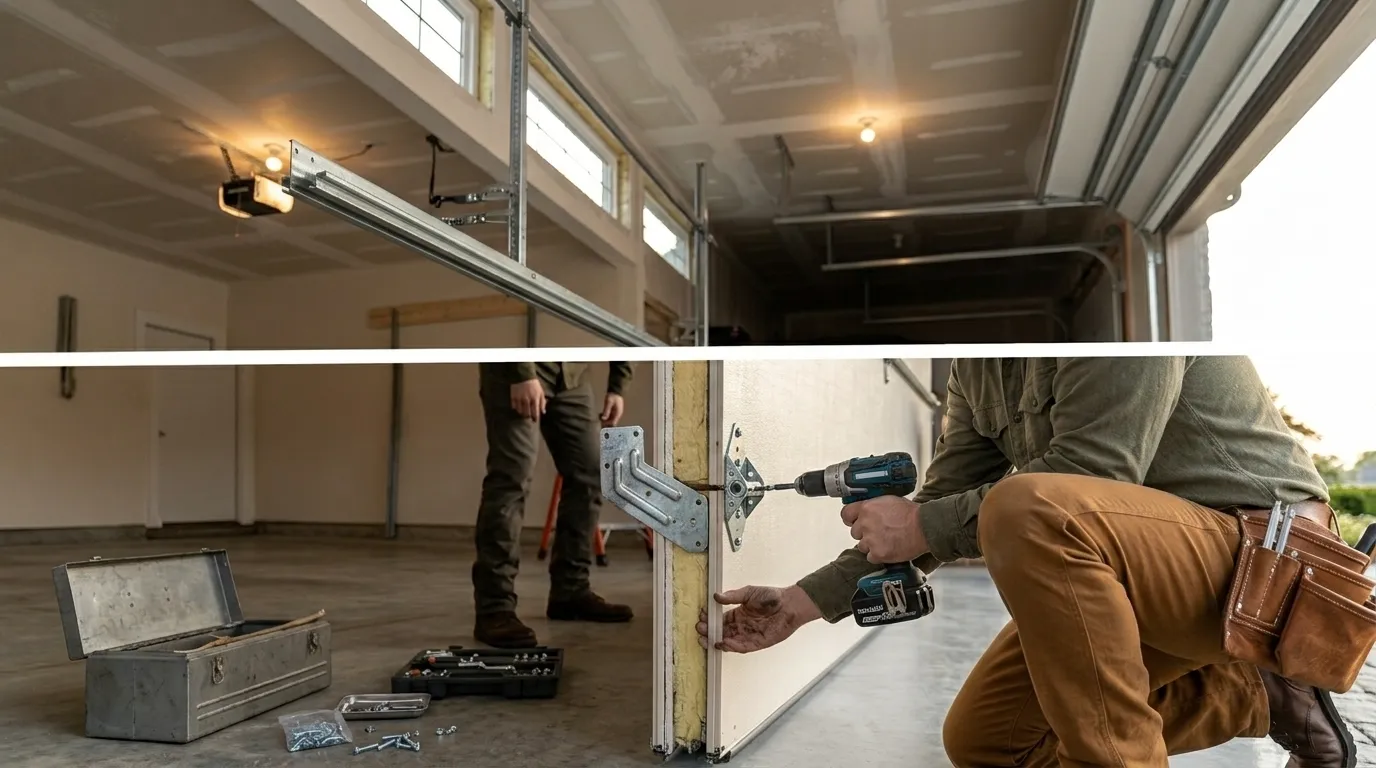
We don't have a set number to hand you here, and we're not going to guess one. What we can tell you is what drives the cost on a house like the ones common in this area: whether the spring size and drum still match what's on the door, whether the track is original 1960s-era stock that needs a full replacement instead of a patch, and how much of the opener hardware is original to a house built decades before current openers existed. A door from the 1938-2002 build range on this side of town can need a mix of old and new parts on the same repair, and that mix is what changes the bill from job to job, not a flat rate we can quote sight unseen.
One honest limitation: if the track or spring anchor point is bent or rusted through, patching it usually costs more over time than replacing that section outright. We'll tell you when that's the case instead of billing you twice.
What Local Conditions Do
This area sits in a severe cold climate band, and that matters more for garage doors than most people expect. Steel contracts in the cold, which tightens tolerances on track alignment that was already loose from age - so a door that rolls fine in July can bind or jump the track in January on the exact same hardware. Grease that's fine in summer thickens up and slows rollers and hinges right when the spring is under the most load to lift a cold, heavier door. Freeze-thaw cycling also works on the slab itself, and a small amount of heave under the door frame is enough to throw off the seal and the track's plumb line on a house with original 1960s framing.
We check hinge lubrication and track plumb differently in winter calls here than we would on a mild-climate service area, because the cold isn't a background condition - it's actively changing how the hardware behaves.