What We Will Not Take On
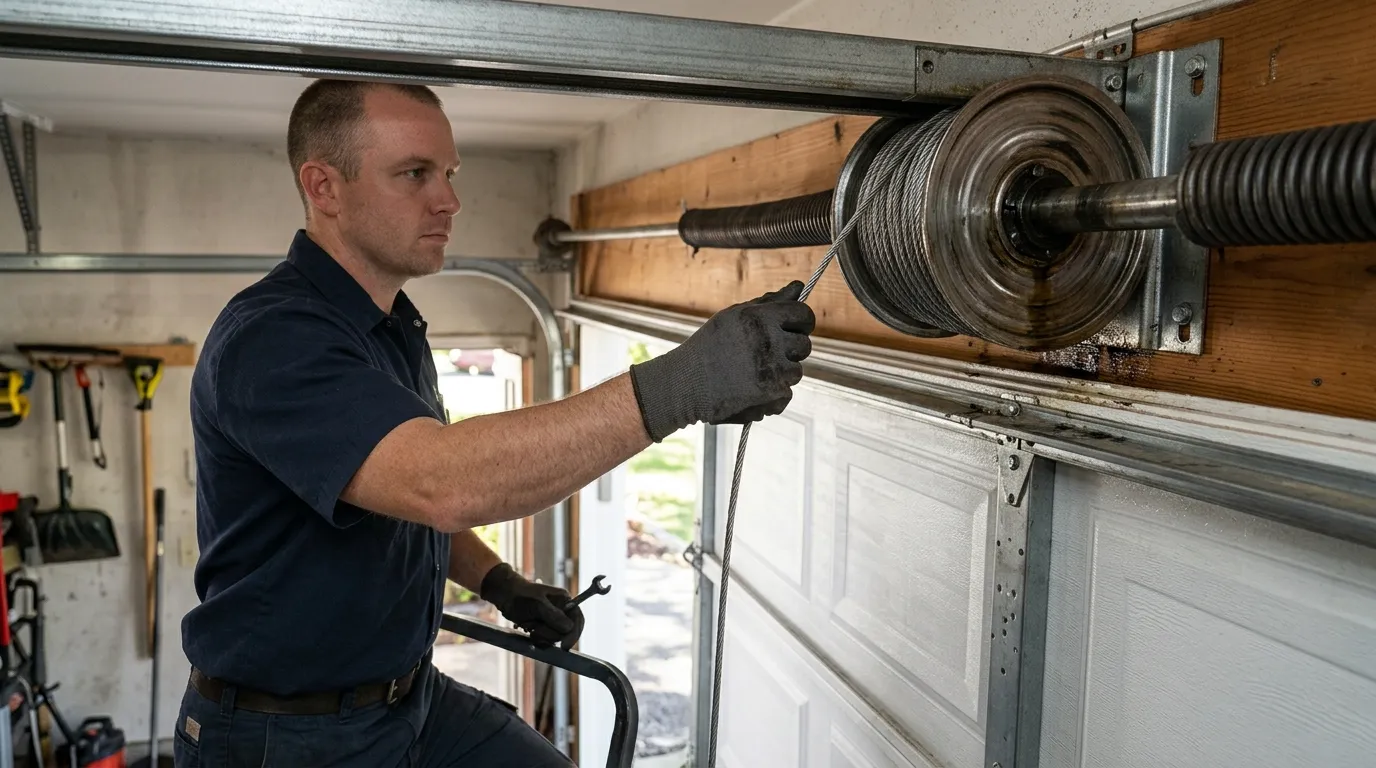
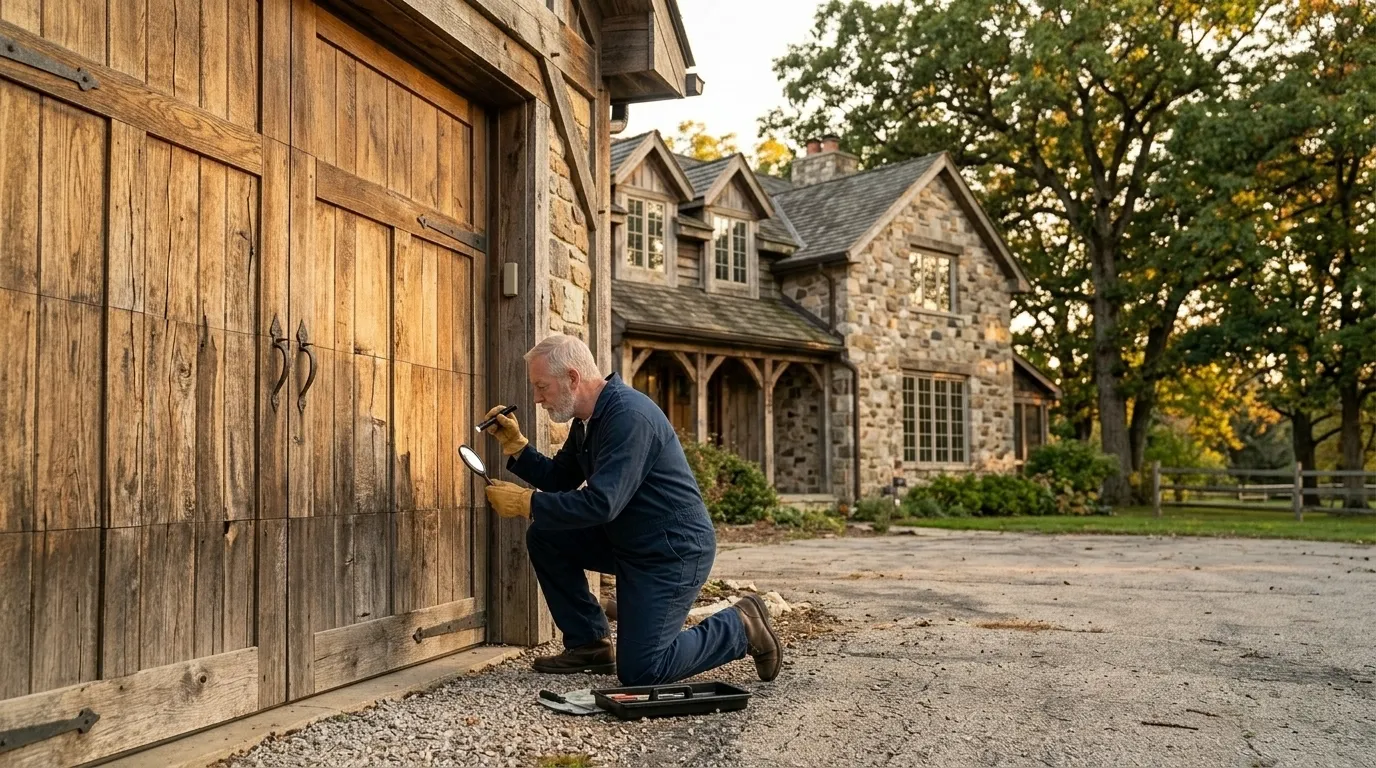
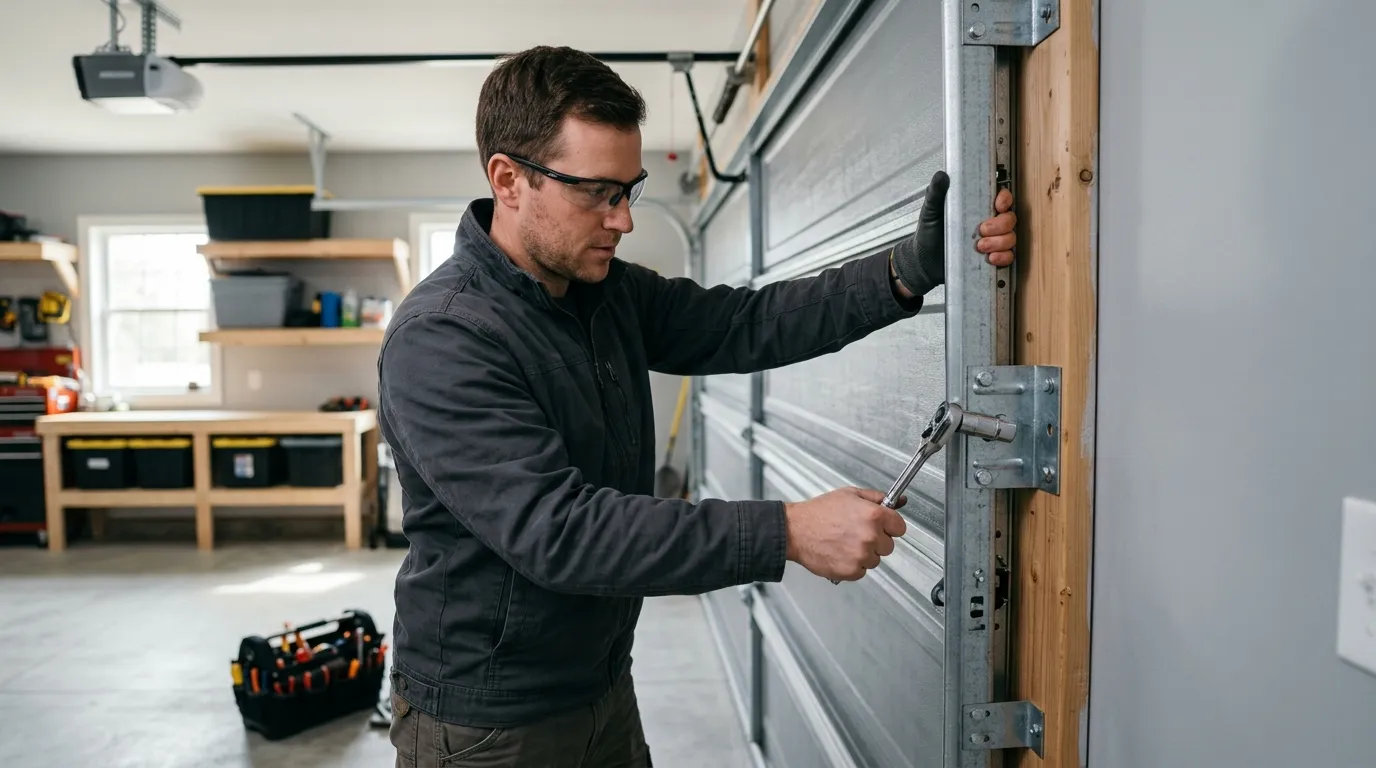
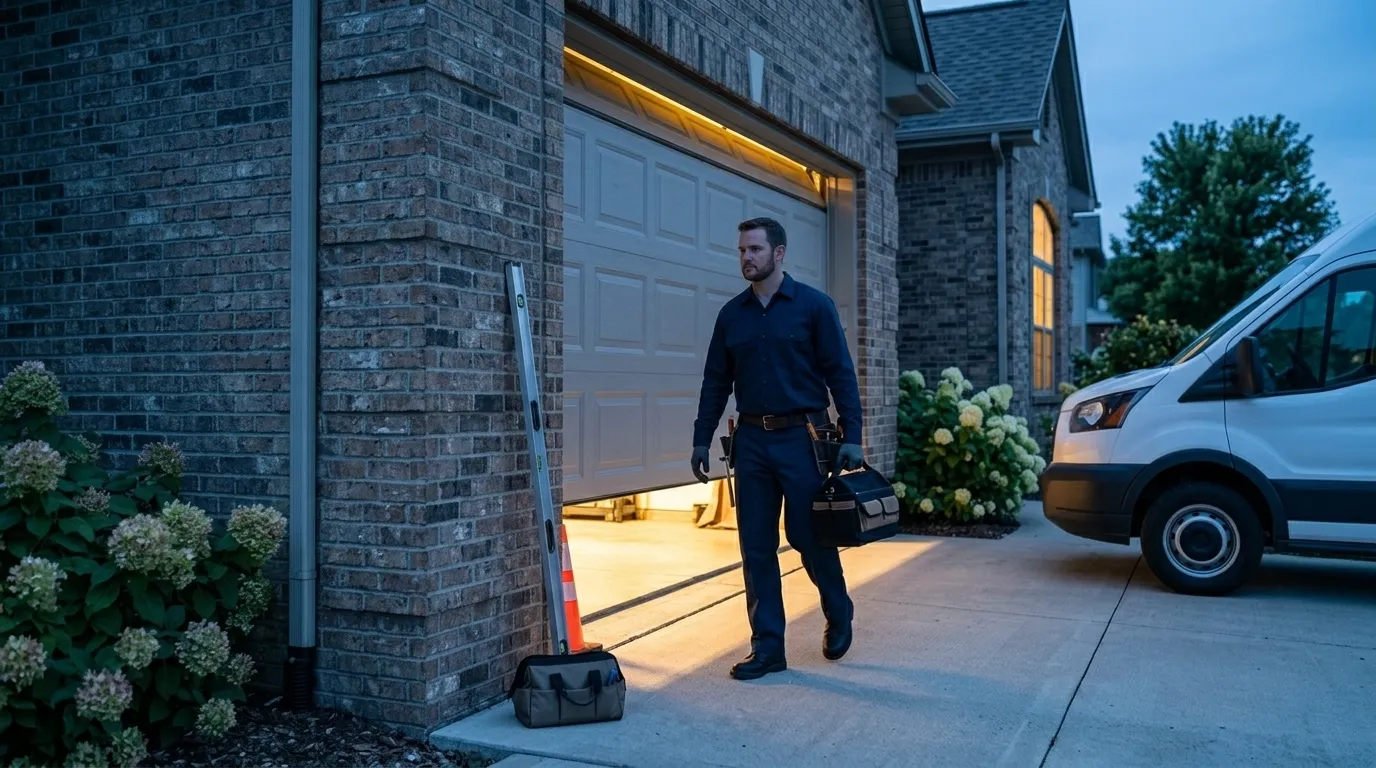
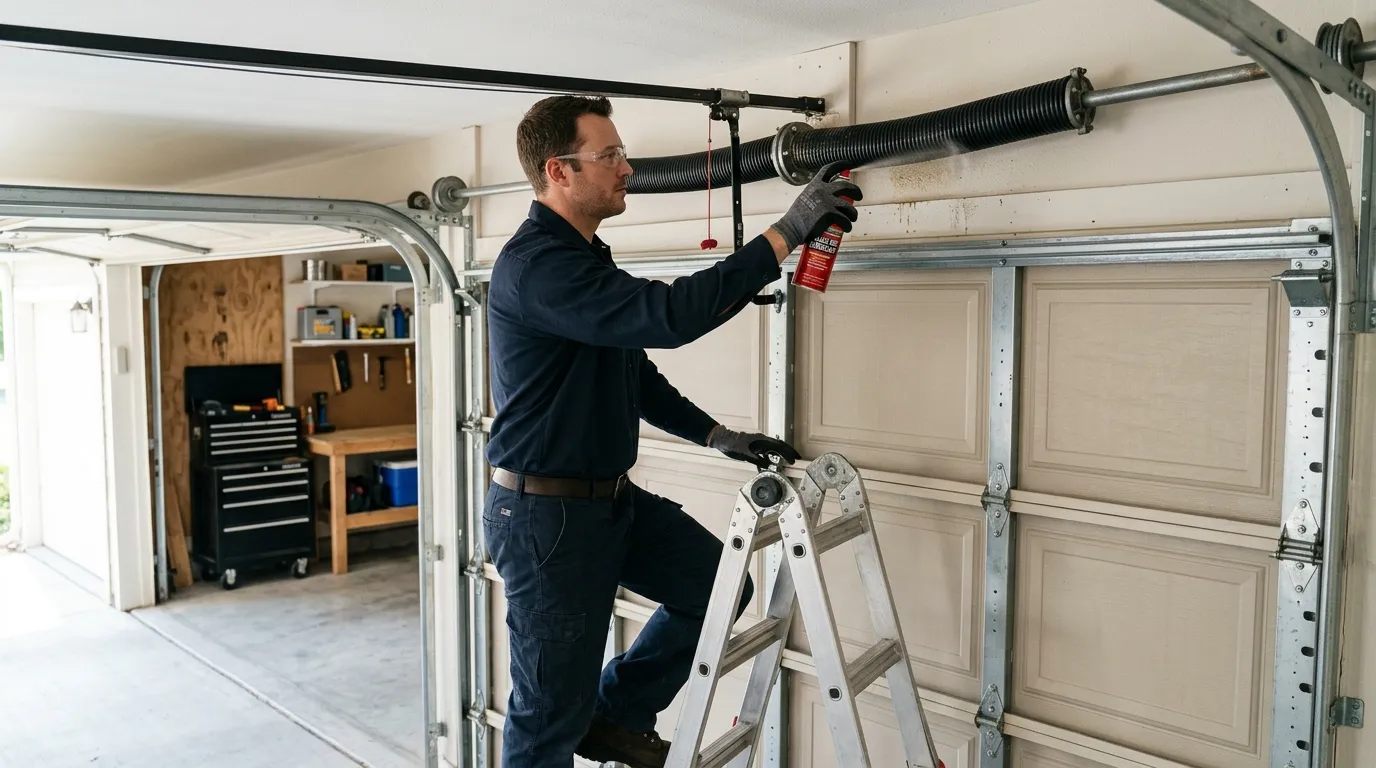
We're honest about the drive. Center Line sits about 14 miles from our shop in Rochester Hills, so we don't offer same-day emergency runs the way we might closer to home - if your spring lets go at 6 a.m. and you need a truck in twenty minutes, we're not that truck. We schedule Center Line jobs in blocks, usually alongside other calls in the area, so we can price the trip fairly instead of tacking on a long-haul fee per job. We also won't try to talk you into replacing a door that just needs a spring, a roller set, or a new sensor bracket. And on doors from the original 1959 build era with hardware nobody stocks anymore, sometimes the honest answer is that a full replacement costs less over time than chasing parts for an obsolete track system. We'll tell you which situation you're in before we quote anything.
This Area's Housing
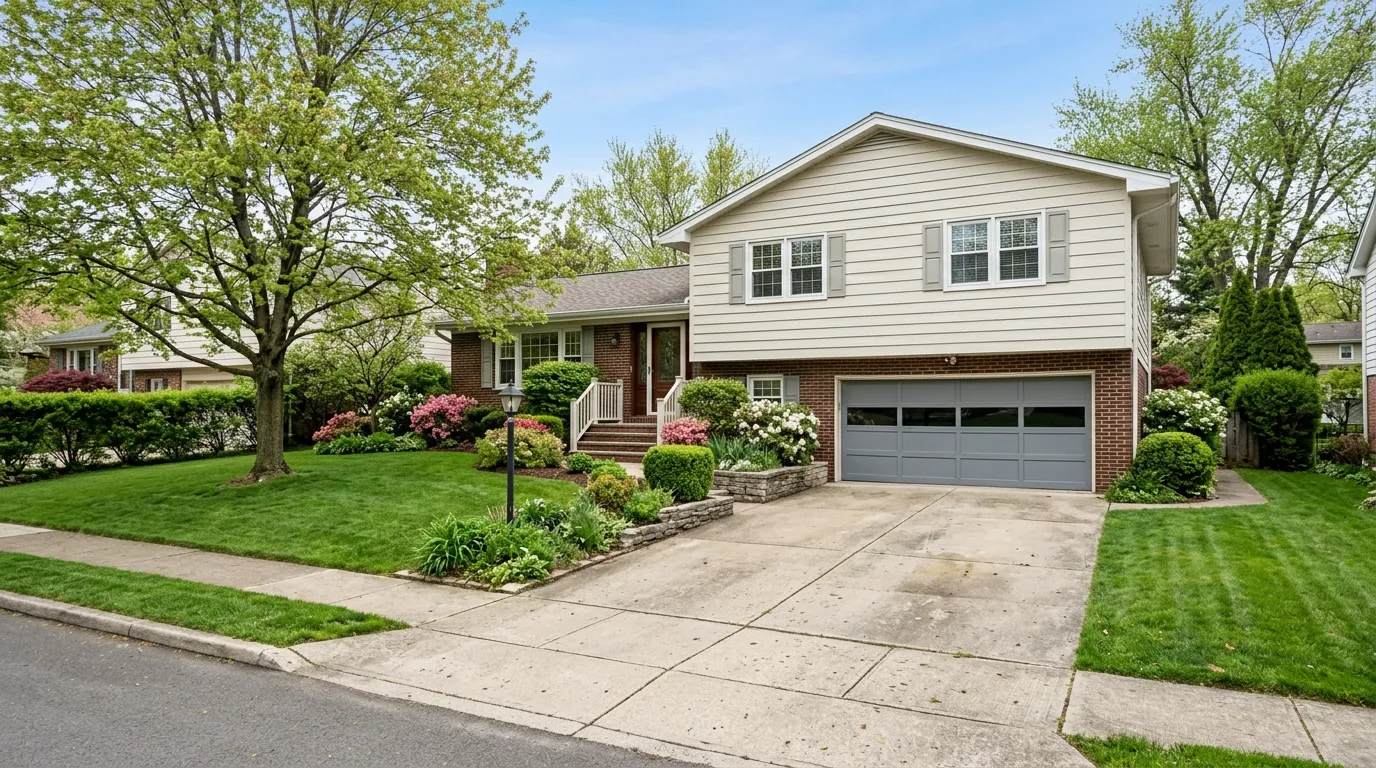
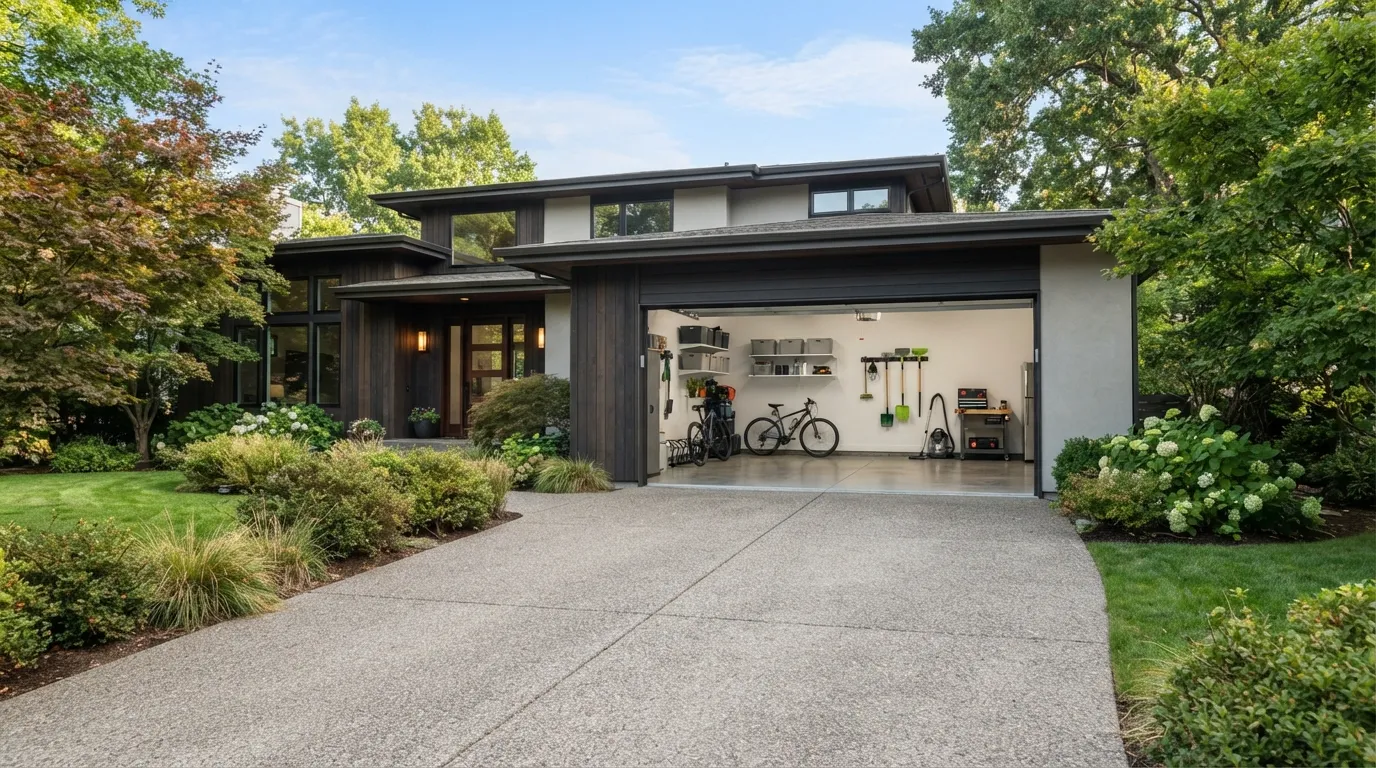
Center Line's housing stock centers on 1959, which puts it right at the front edge of the broader mid-century wave that built out most of this part of Michigan between the late 1930s and early 2000s. With 3,702 households in the area and a median income of $52,857 - well under the wider service area's $84,862 - a lot of these houses are original owners or second owners who bought a solid postwar house and have kept the mechanical systems as long as they'll run, garage door included. That means original single-car and narrow double-car openings, sized for the cars of that decade, not the trucks and SUVs people park in them now. It also means a fair number of doors and openers that have never been touched since the house was built, because nothing broke badly enough to force the issue. When something does go, it tends to go all at once - the spring that's been sagging for a decade, the opener that finally strips its gear.
Old Streets and New Ones
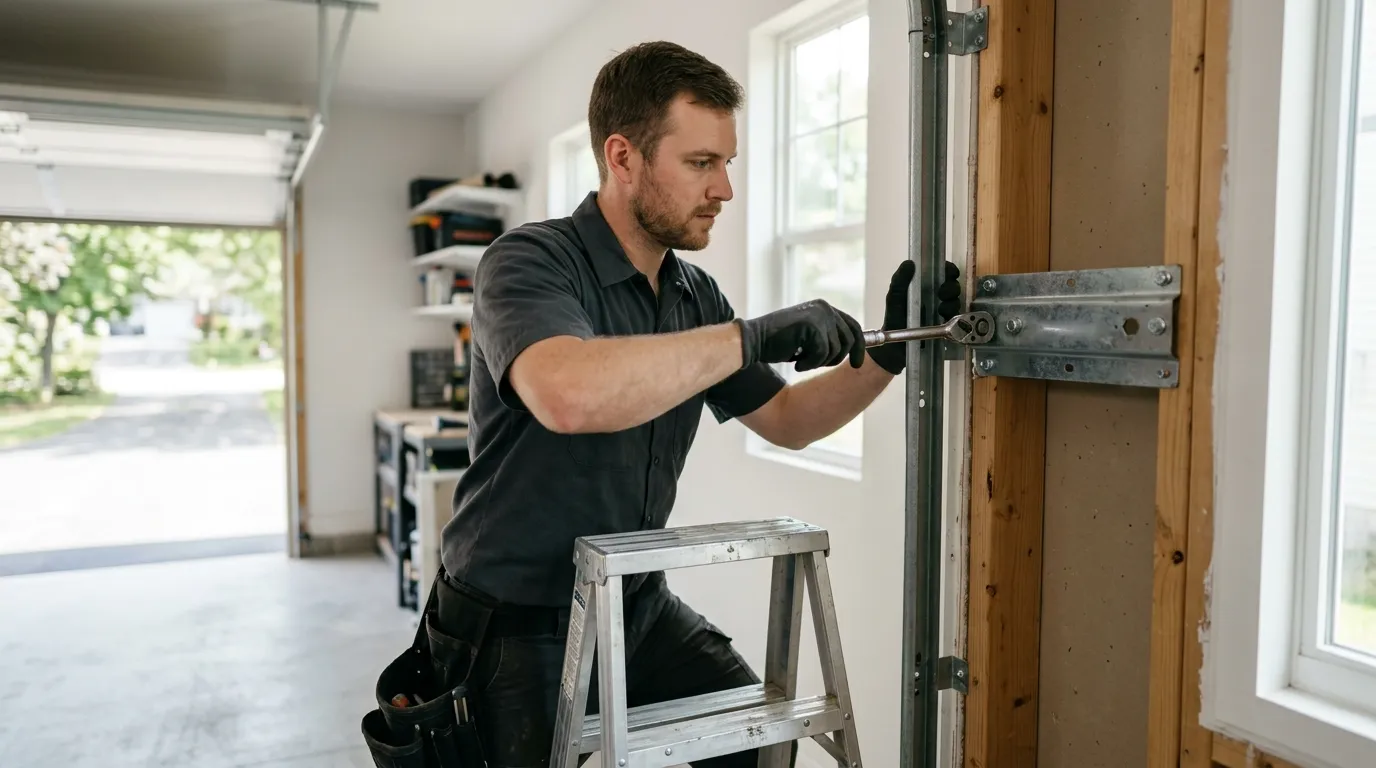
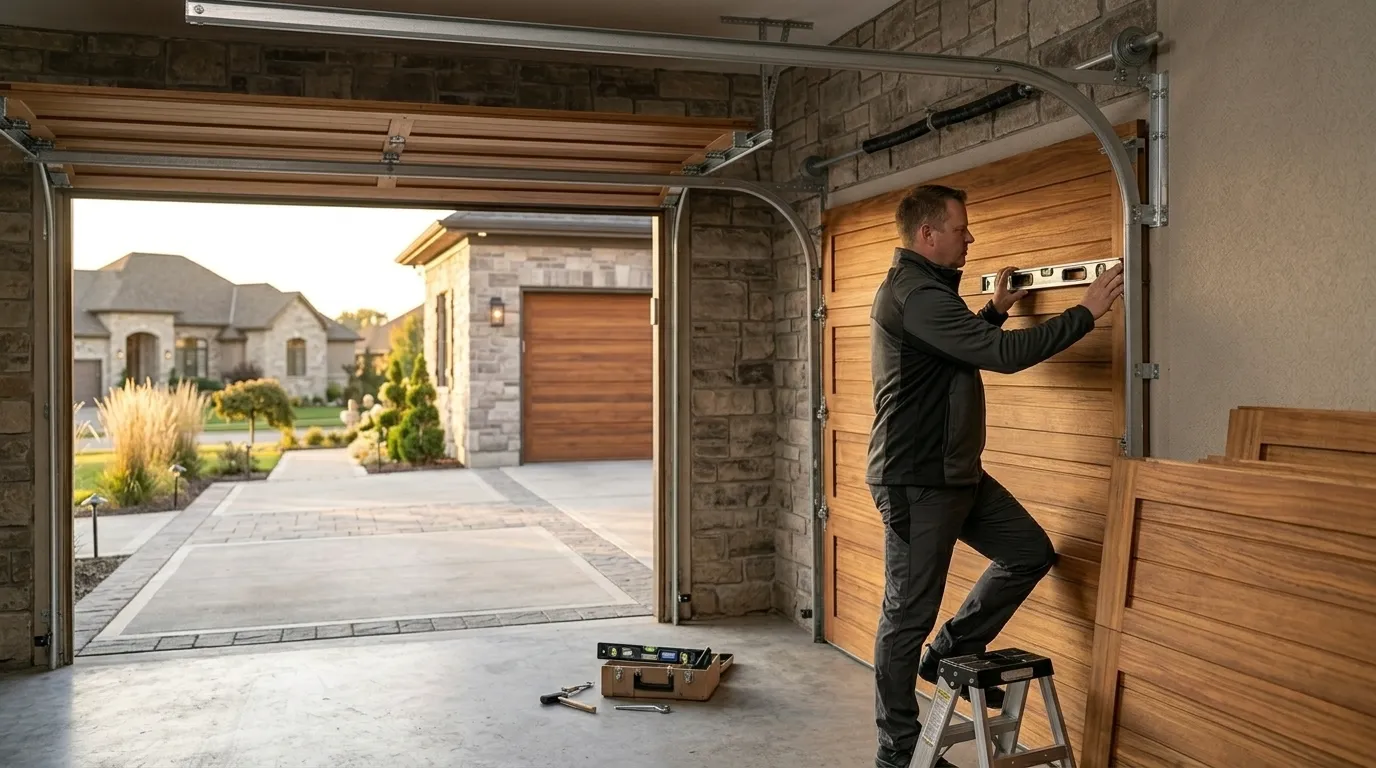
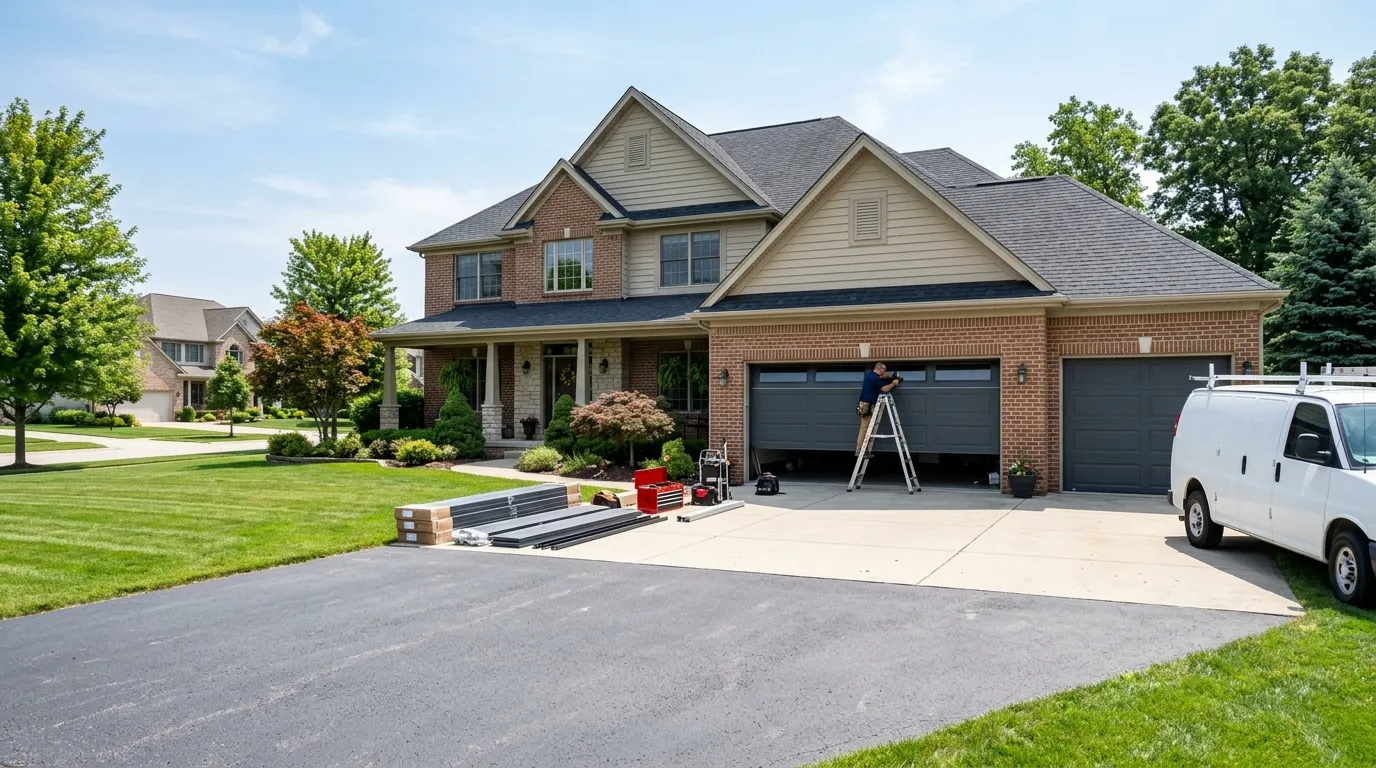
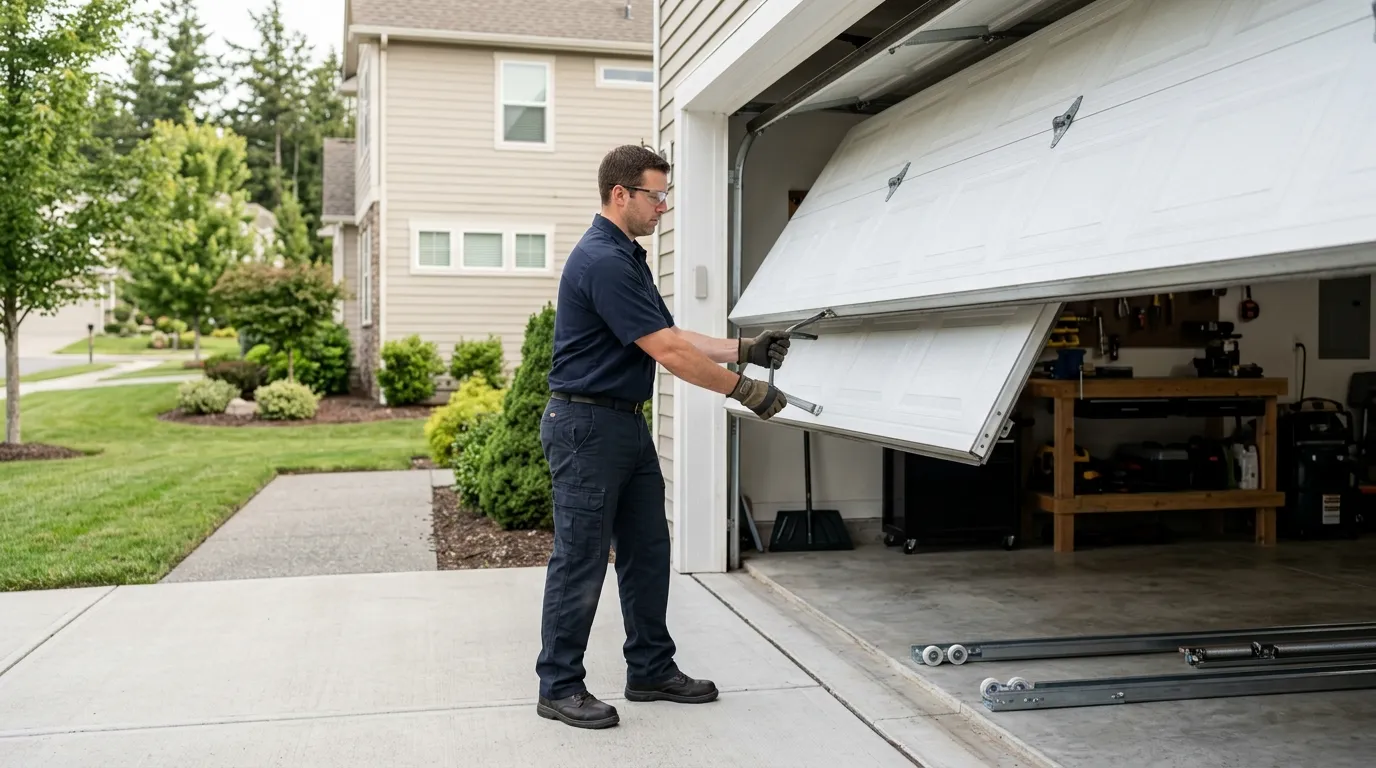
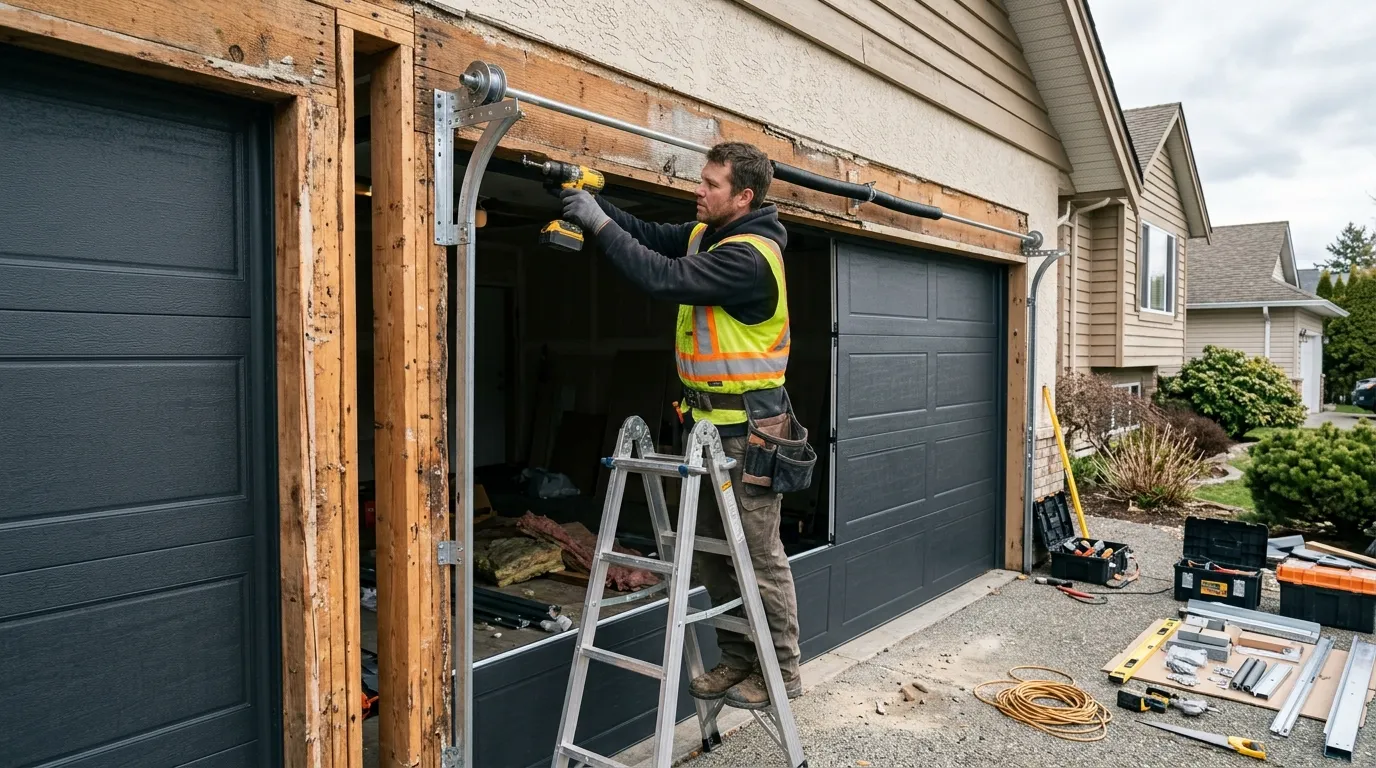
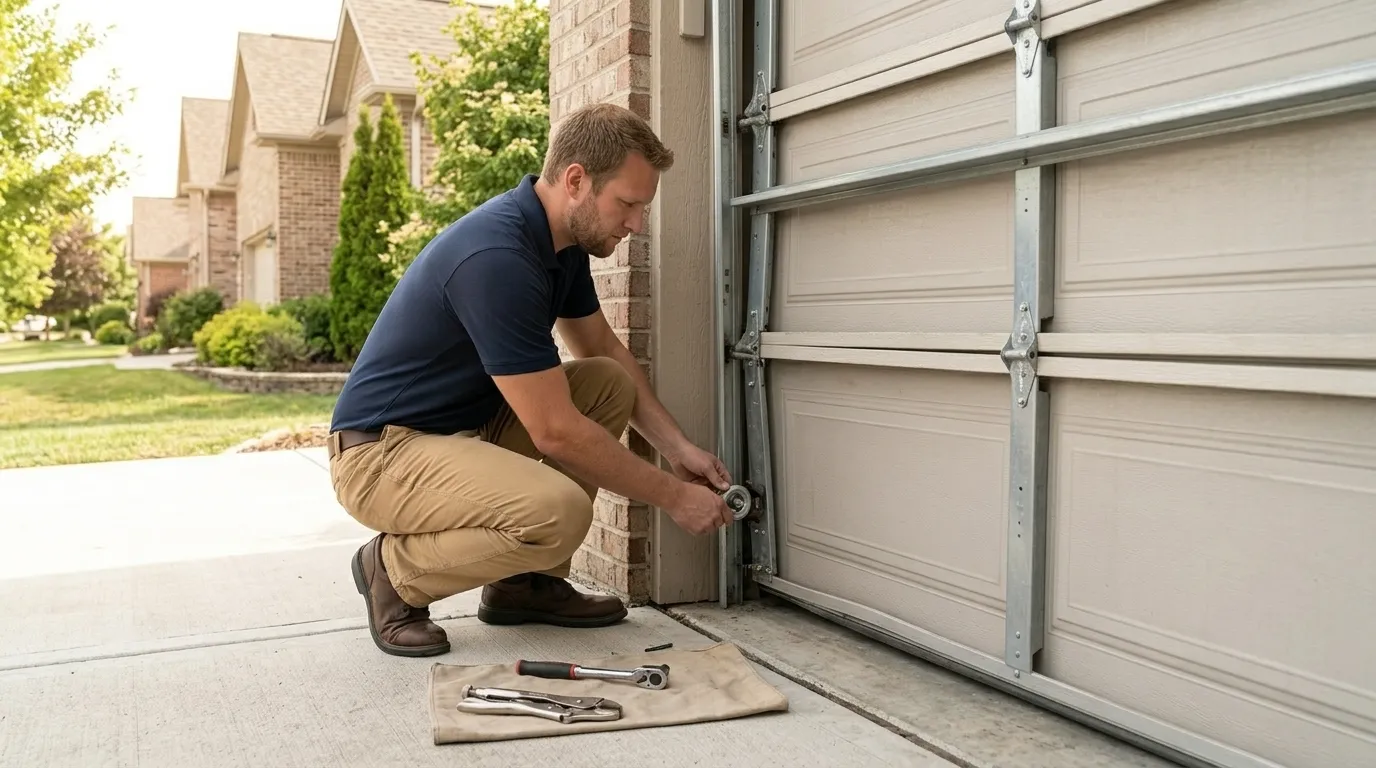
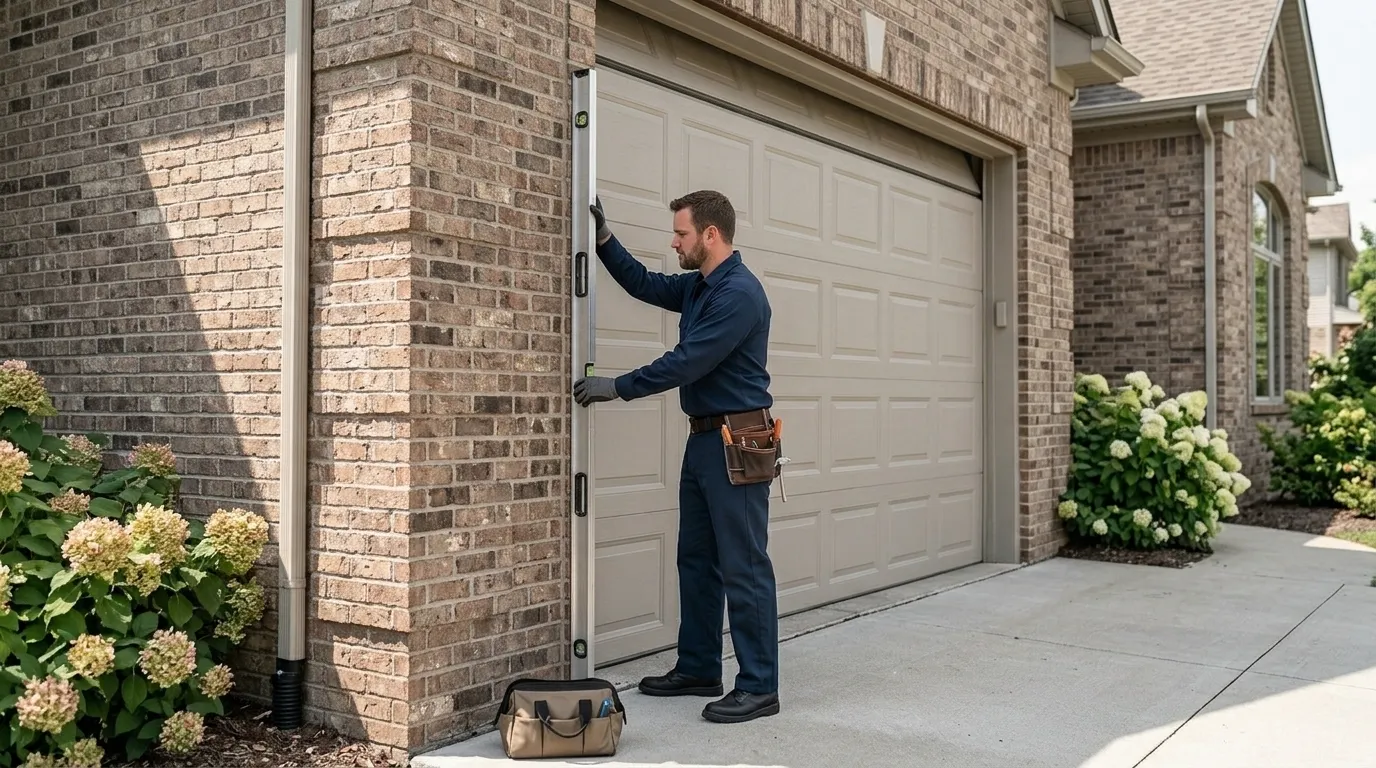
Center Line's blocks are almost entirely built out - this isn't an area where we're pulling new-construction permits or hanging first-time doors on a slab that was poured last year. Nearly every call here is a repair or a replacement on a door that's already had one owner's worth of wear, sometimes two. That's a different job than what we see in the newer subdivisions further out toward Oxford or Lake Orion, where doors are ten or fifteen years old at most and failures are usually opener electronics rather than hardware fatigue. Here, we're more often replacing a spring rated correctly for the door's actual weight, re-squaring a track that's shifted slightly in a settling foundation, or swapping out a panel that's cracked from decades of freeze-thaw at the bottom seal. It's slower, more deliberate work - matching what's there instead of just installing what's new.