Checking It Yourself
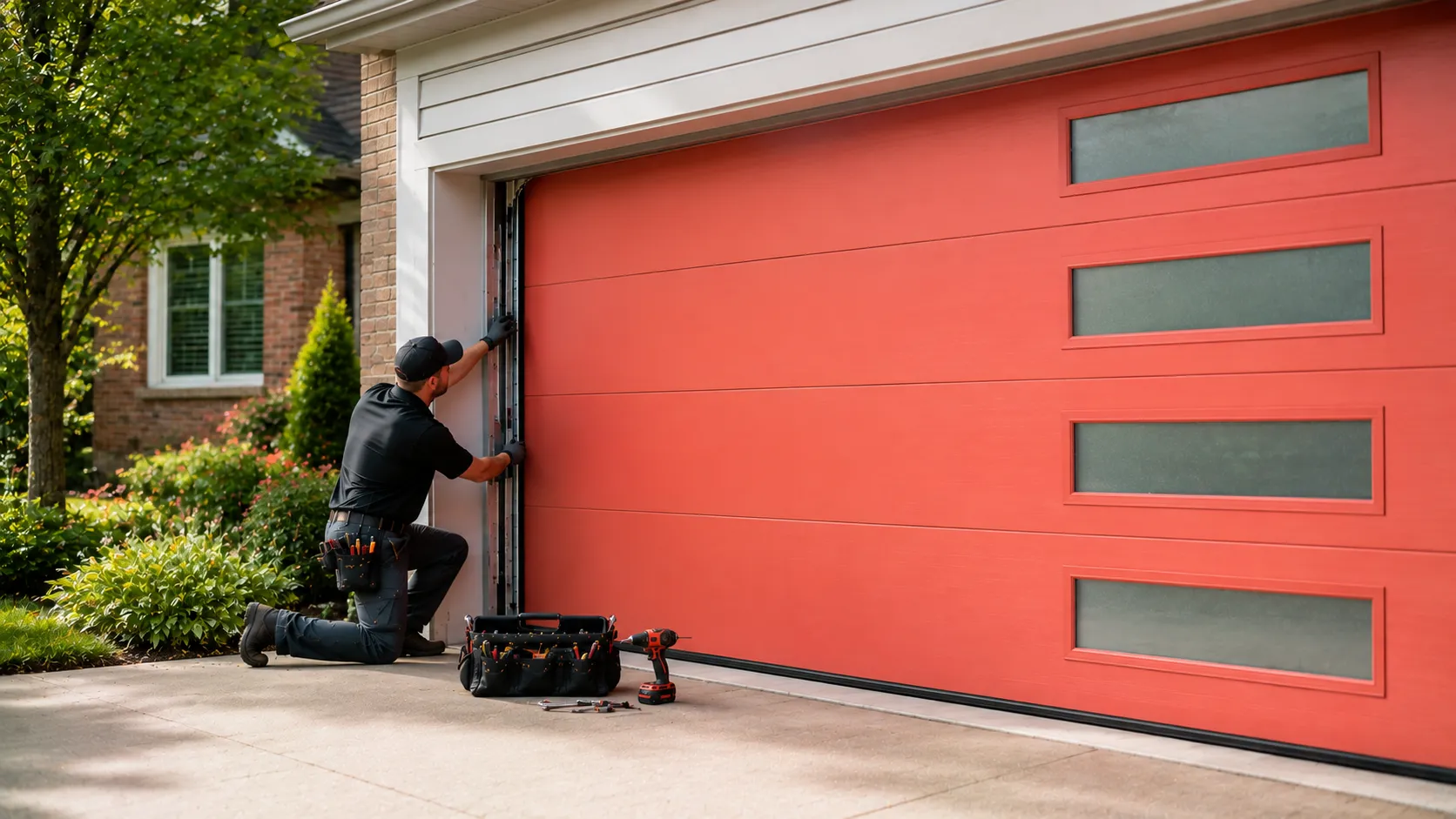
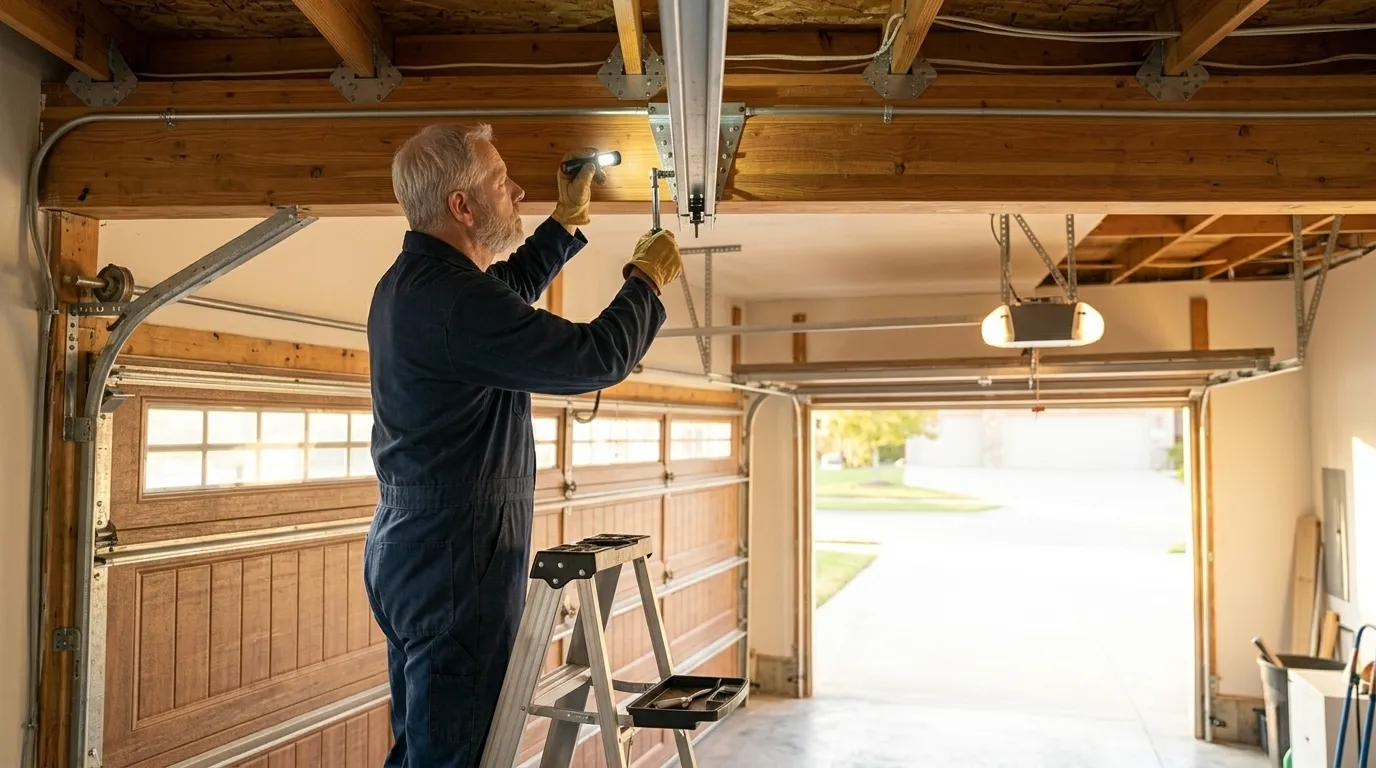
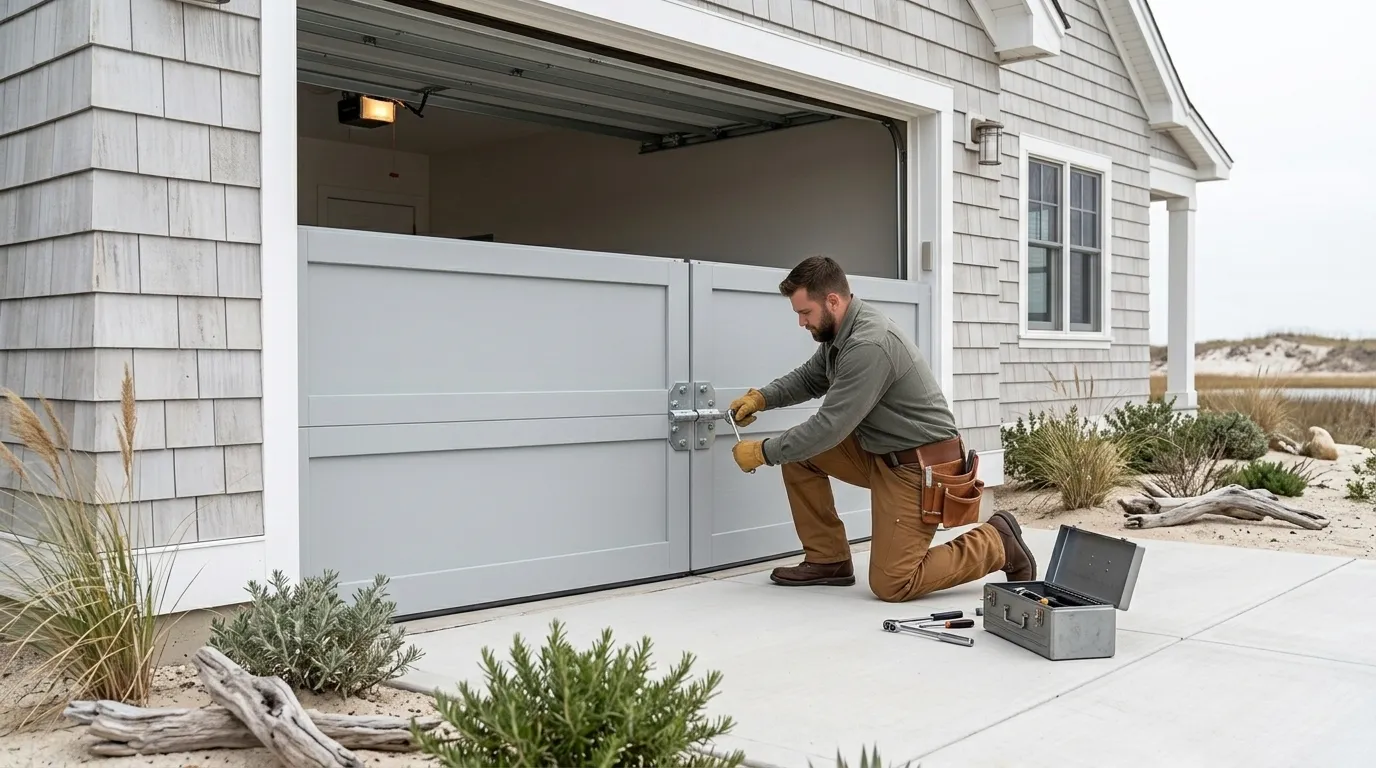
Rochester Hills housing runs from 1938 up through 2002, with the median build year sitting around 1960. If your house falls anywhere near that median, there's a decent chance the garage door was installed or replaced before any insulation requirement applied to it. Start by looking at the door panel from inside the garage. A single layer of steel with visible ribbing on the back and nothing behind it means no insulation at all. If you see a second skin of steel or vinyl with foam sandwiched between, someone already upgraded it.
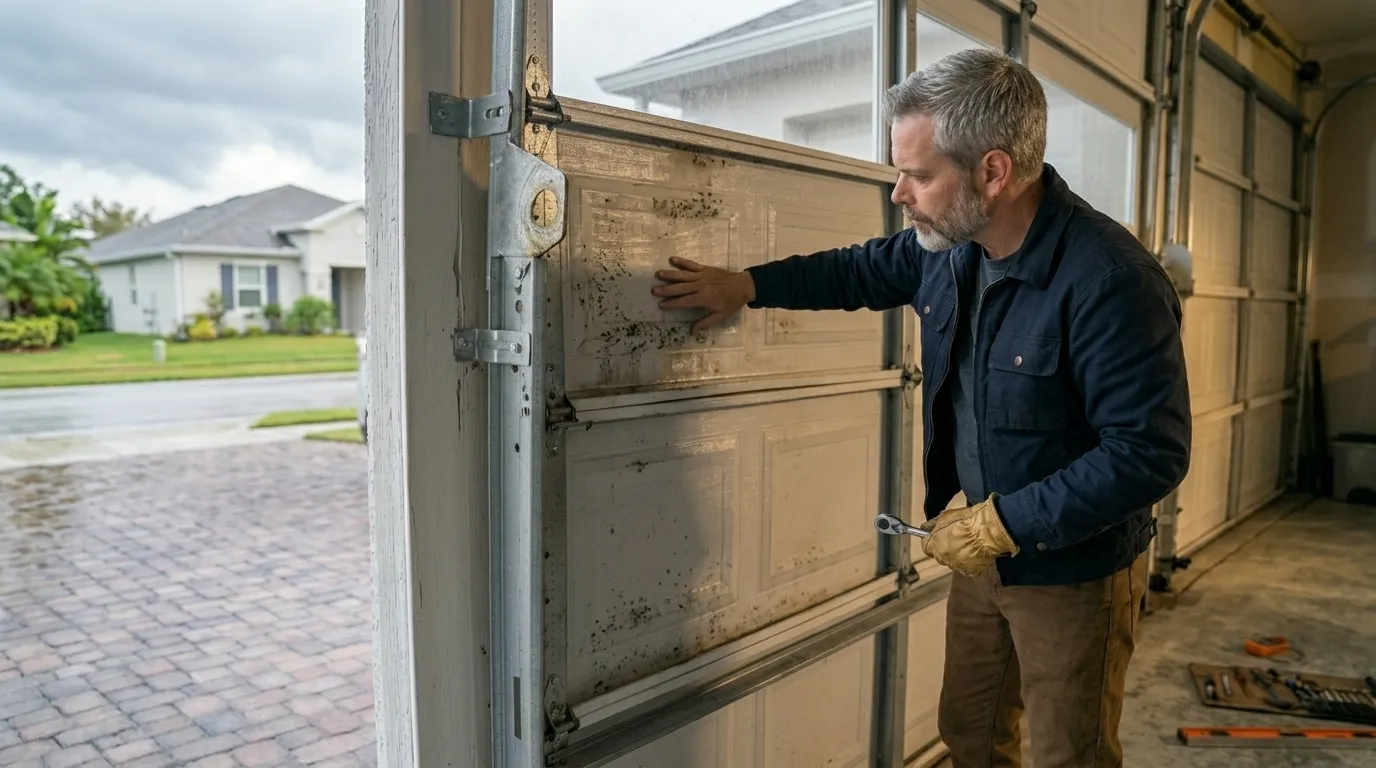
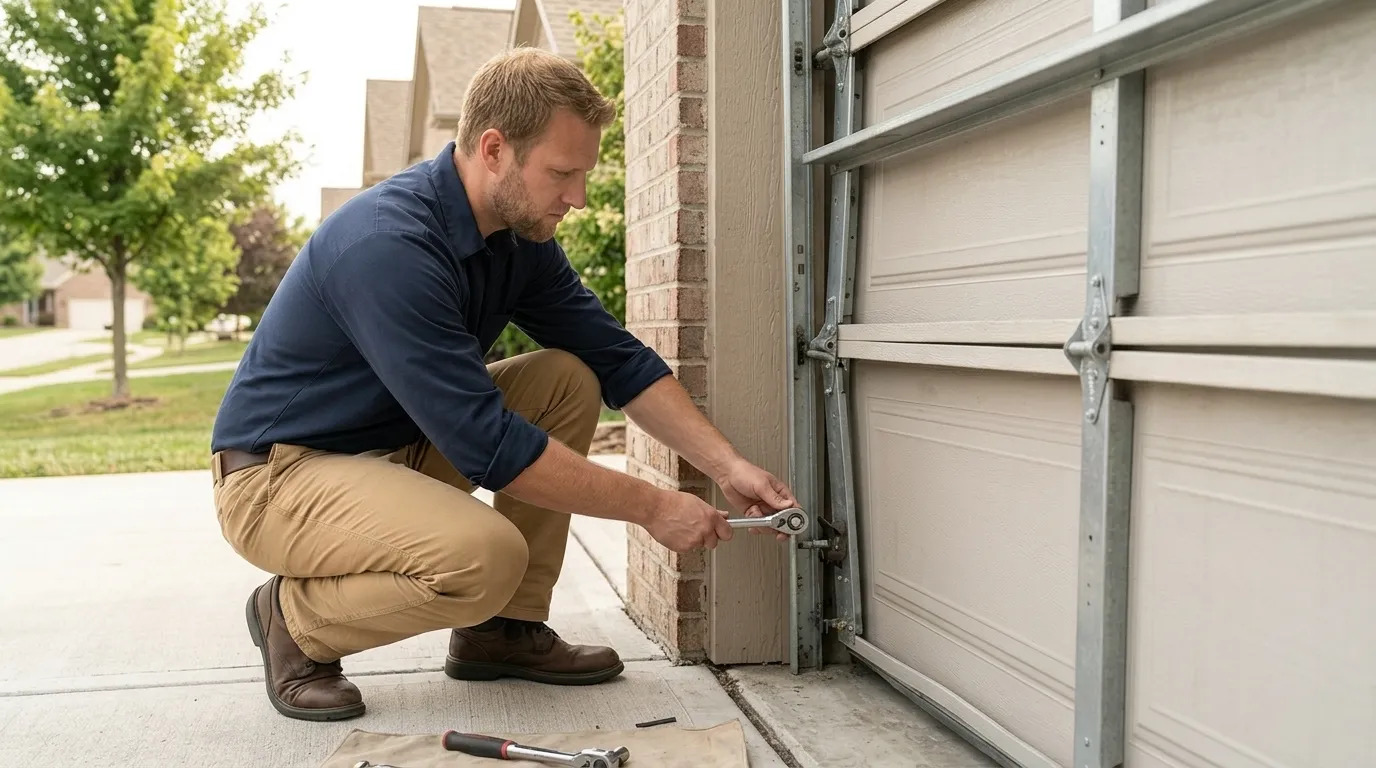
Next, check the bottom seal and the weatherstrip along the sides. On doors from the 1960s-70s stock that makes up most of this area, the seals are often original or close to it, cracked and flattened rather than flexible. Run a hand along the frame on a cold morning and feel for air moving past the stop molding - that's heat leaving, plain and simple.
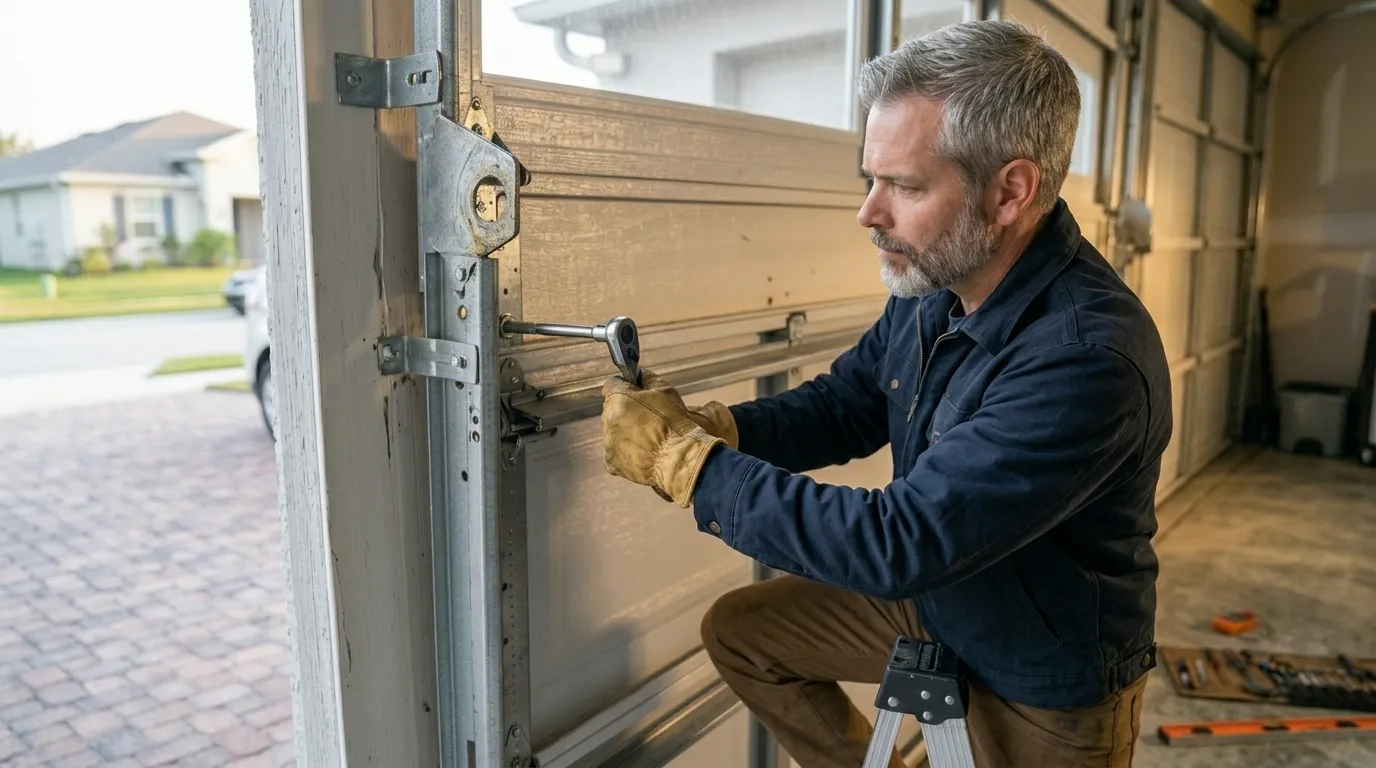
Last, look at the panels themselves for warping. Steel doors from that era without insulation flex more under temperature swings, and repeated flexing loosens the hinge screws over years. If a panel bows visibly when the door is down and latched, that's not cosmetic - it's a sign the whole section is working harder than it should.
What You Pay
We don't have a published price list to quote here, so we won't put a number on a repair or a replacement door sight unseen - too much depends on the size of the opening, whether it's a single or double door, and what's actually wrong once we're standing in front of it. What we can tell you is that in a service area where median household income runs $84,862 across 233,489 households, most owners we talk to want the honest answer on whether a repair is worth doing versus letting a 40-plus-year-old uninsulated door age out for a real replacement. Sometimes patching the seal buys you years. Sometimes the door has had its run.
What Local Conditions Do
Rochester Hills sits in a cold, severe climate band, and that changes what an uninsulated door actually costs you over a winter, not just whether it looks fine. Steel contracts in deep cold, and an old door with no insulation layer moves more than a newer one - tracks can bind, rollers can bind against a shrunk frame, and the bottom seal that was already flattened stops sealing at all once temperatures drop hard. That's when we get the calls: a door that worked fine in October and won't budge in January, or one that opens but leaves a gap wide enough to see daylight under.
The severe cold rating also means the swings matter as much as the lows - a 40-degree day followed by a night in the single digits stresses hardware that a mild climate never would. On a house near that 1960 median build year, with original or near-original steel, that cycle repeats every winter until something - a spring, a panel, a seal - finally gives out.