Checking It Yourself
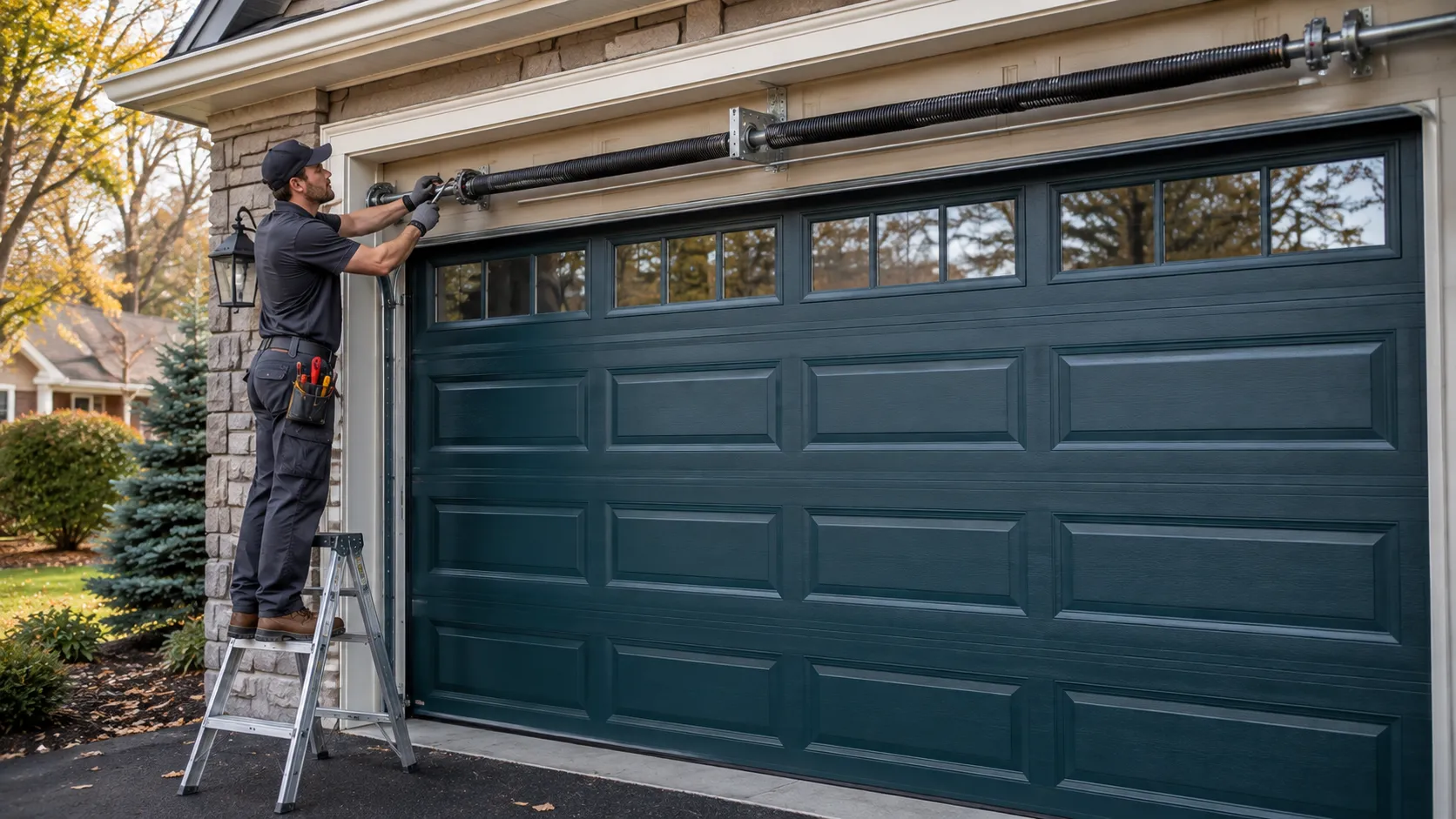
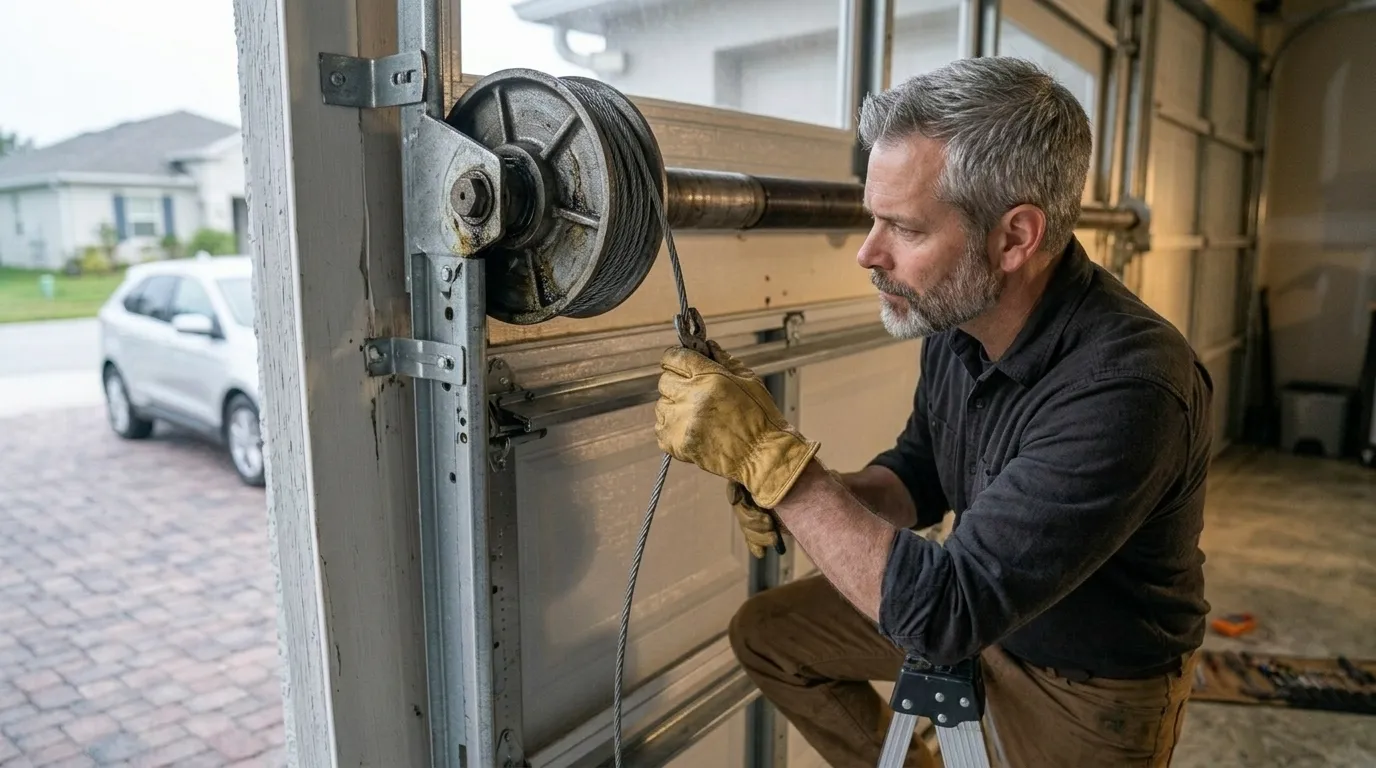
Before you call anyone, look at the spring itself. On a torsion setup above the door, a broken spring usually shows a visible gap in the coil, sometimes with the two ends twisted apart at an angle. On older extension-spring setups, mounted on either side above the horizontal track, the spring may hang loose or you'll see a snapped cable near it.
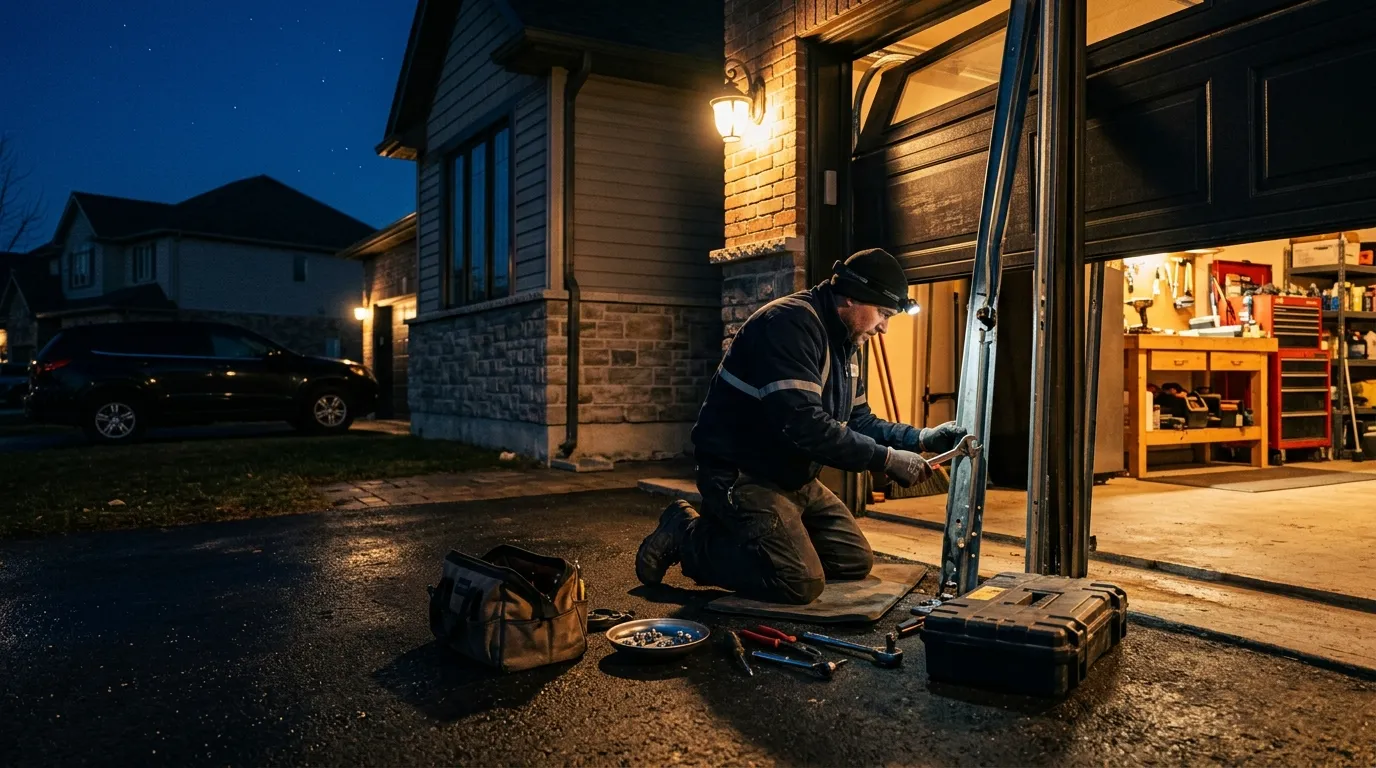
Rochester Hills sits in a climate band the federal data classes as severe cold, and steel contracts as temperatures drop. That means a spring under tension in January is carrying more stress than the same spring in July, even parked in the same position. If the door won't budge, or it moves a few inches and stops, don't force it with the opener. That load has to go somewhere, and it usually goes into the opener's drive gear or the top panel.
Check the obvious first: is the door frozen to the floor along the bottom seal? A thin ice line at the threshold can look and feel exactly like a broken spring from the inside. Try breaking that seal by hand before assuming the worst. If the door still won't lift and you can see a gap in the coil, stop there. That's a two-person job at minimum, and not one to muscle through on a cold morning.
What You Pay
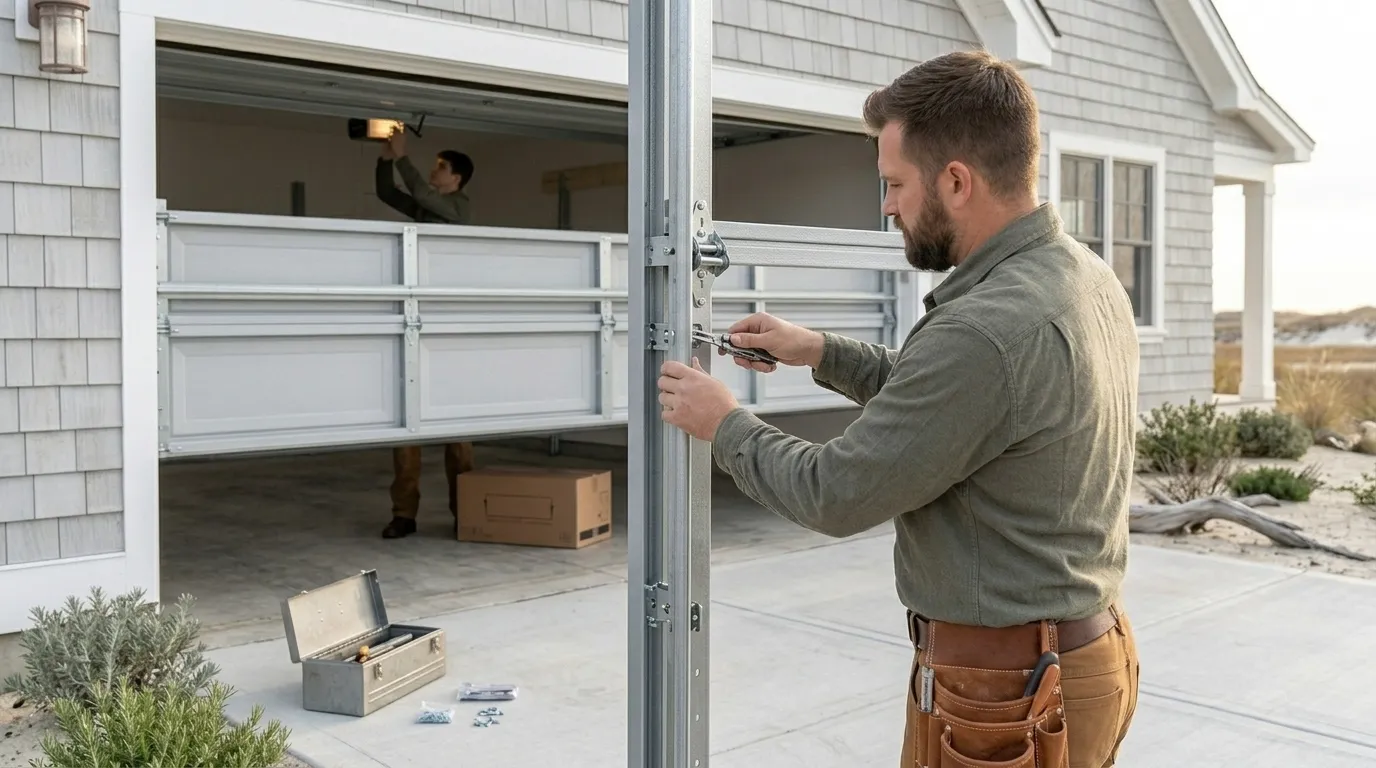
We don't have a flat number to hand you here, and giving you one anyway would be a guess dressed up as a fact. What we can tell you is what drives the cost: whether it's one spring or a matched pair (most double doors need both replaced even if only one broke), the wire gauge for your door's weight, and whether the drums or cables also need attention.
Housing stock in this area runs mostly 1960s to 1970s, with the broader range going back to 1938 and up through 2002. A door original to a 1960s build is often on older extension-spring hardware, which parts suppliers stock less of than the torsion systems that became standard later. That can add a step to the job, not because the repair itself is harder, but because matching old hardware sometimes takes more than a same-day trip to the truck.
We'd rather tell you we don't have a number than pretend we do.
What Local Conditions Do
The severe cold classification for this area means the ground itself moves seasonally with frost, and that affects more than springs. Track alignment can shift slightly as a slab settles through freeze-thaw cycles, and a door that's slightly out of plumb puts uneven load on both springs instead of splitting it evenly. Over years, that uneven load is part of why one spring on a pair often fails months before its match.
With median household income in this service area at $84,862, a lot of homeowners here are weighing a spring repair against a full opener or door replacement when something else on the system is also aging out. That's a real trade-off worth thinking through rather than assuming the cheaper fix is always the right one - sometimes a door built in the 1960s has enough other wear that replacing the spring alone just moves the next failure up by a year.
We're a few miles from Rochester, Auburn Hills, and Pontiac, and conditions across this stretch of Oakland County don't vary much house to house. If your neighbor's door failed the same week as yours, that's not a coincidence - it's the same cold snap doing the same thing to similarly aged hardware.