What We Will Not Take On
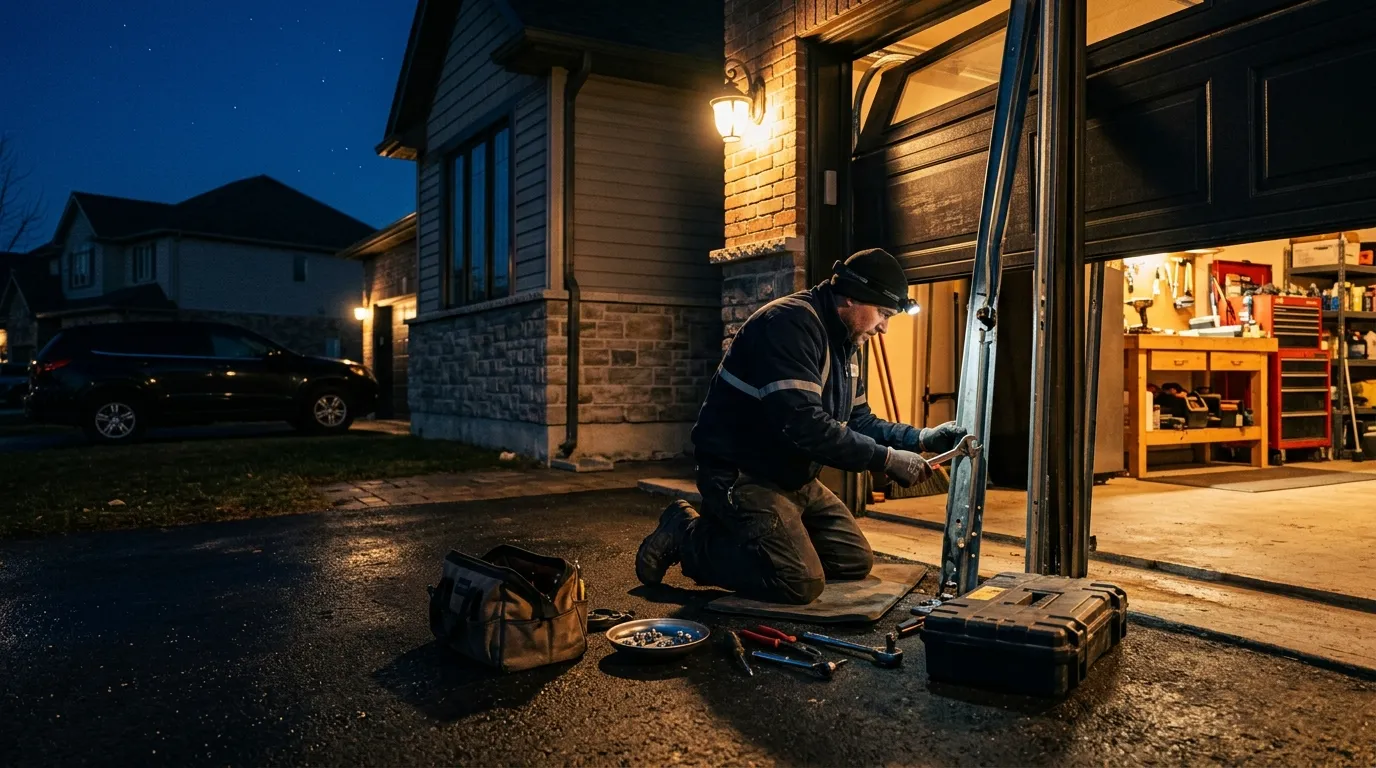
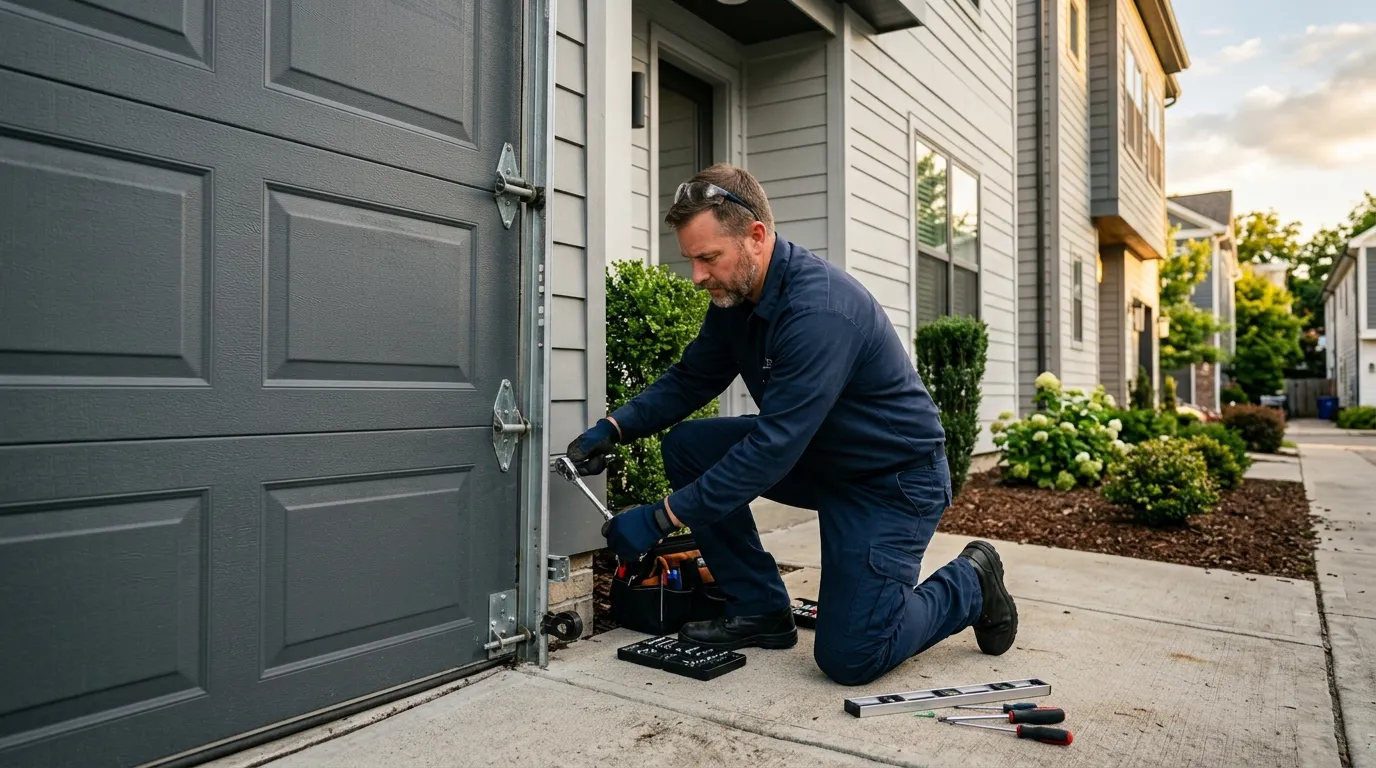
We're straight about this: Dryden sits about 20 miles from our shop in Rochester Hills, and that distance matters for what we can reasonably take on. Same-day emergency calls aren't something we promise out here - if your spring snaps at 6pm on a Friday, we're not going to pretend we can be there in twenty minutes. We schedule Dryden jobs, we don't drop everything for them, and we tell people that up front rather than after they've waited by the window.
We also won't quote a job sight unseen over the phone for anything beyond a straightforward opener swap or spring replacement. Dryden's homes tend to be newer than most of what we see closer to the shop, but newer doesn't mean identical, and a wrong guess on parts means a second trip nobody wants to pay for.
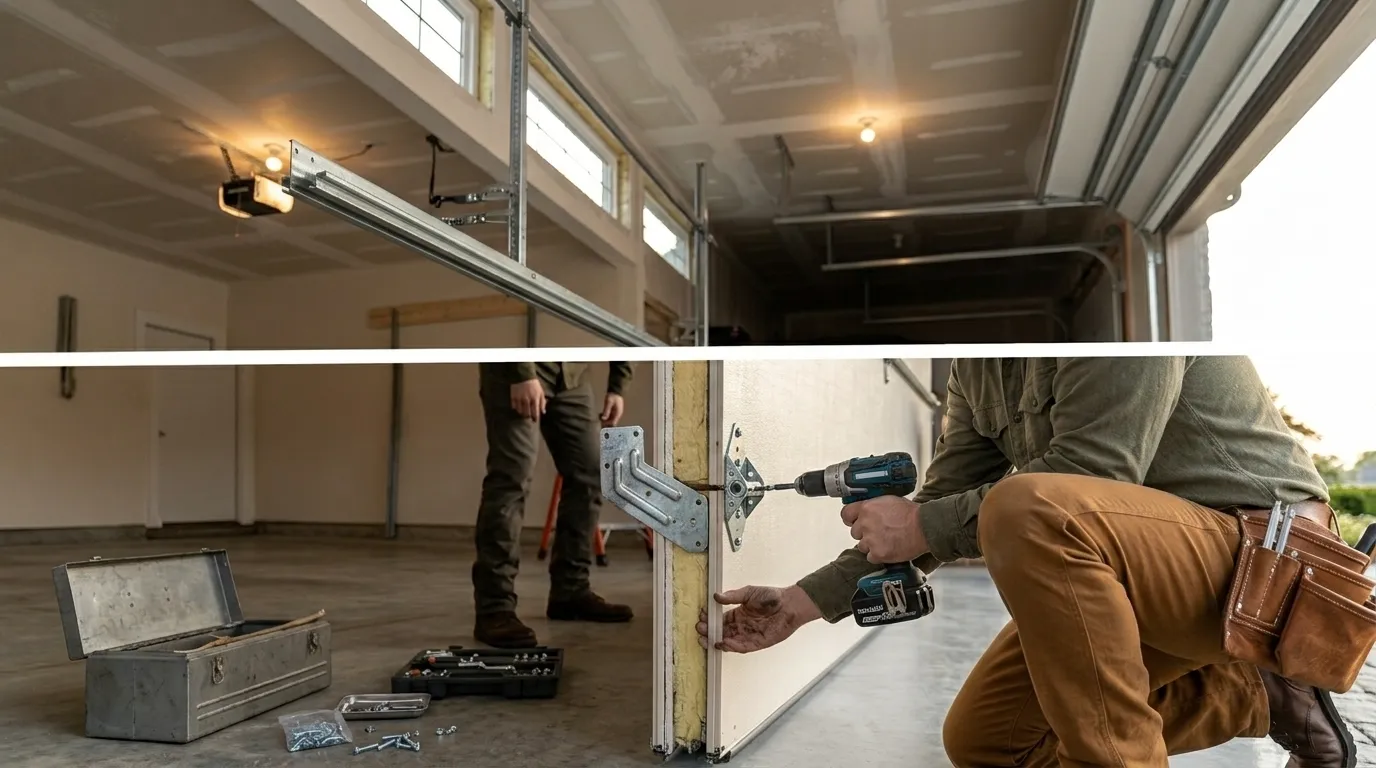
Lastly, if your door is original to a house built decades before 1990 out here - the exception, not the rule - we may need to see hardware in person before we say what it'll cost. We'd rather lose ten minutes on a driveway estimate than lock you into a number that doesn't hold up once the panel's off the track.
This Area's Housing
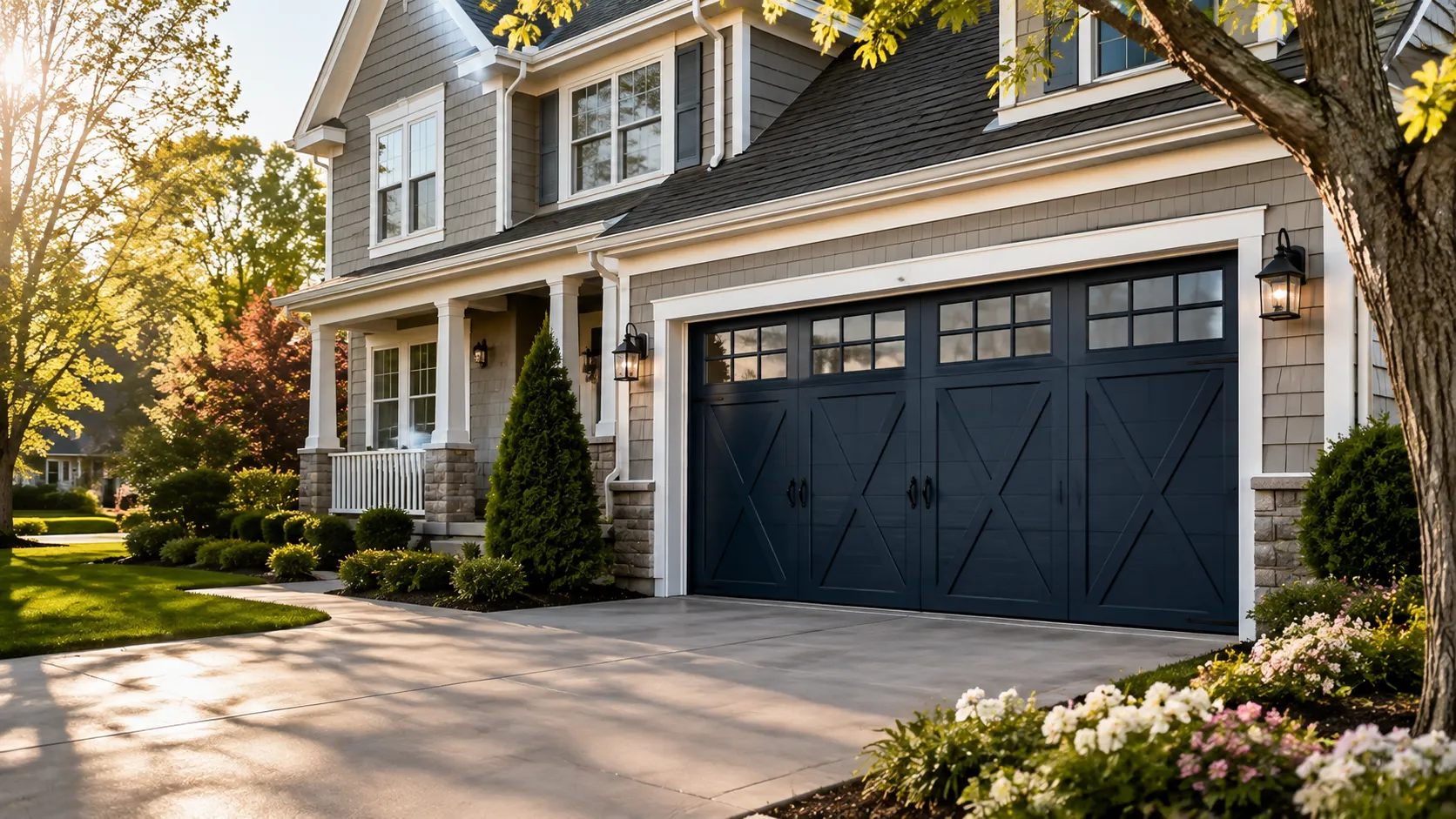
Dryden's housing runs younger than what we typically see across the rest of our coverage area. The median build year here lands around 1990, while the broader service area we work - 233,489 households, 122,221 of them owner-occupied houses - skews older, with most stock going up between 1938 and 2002 and a median closer to 1960. That thirty-year gap isn't trivia. It's the difference between torsion spring systems on standard extension hardware and the older, less-common setups we still find in the 1950s and 60s neighborhoods closer to Rochester Hills.
With only about 405 households in Dryden itself, this isn't a dense pocket of matching floor plans - it's a smaller, more spread-out area where door sizes and opener brands vary more than you'd expect. Household income here runs around $68,199, below the wider service area's median of $84,862. That gap shows up in the calls we get: more requests to repair a working door instead of replace it outright, and more interest in a straight parts swap over a full unit change.
Old Streets and New Ones
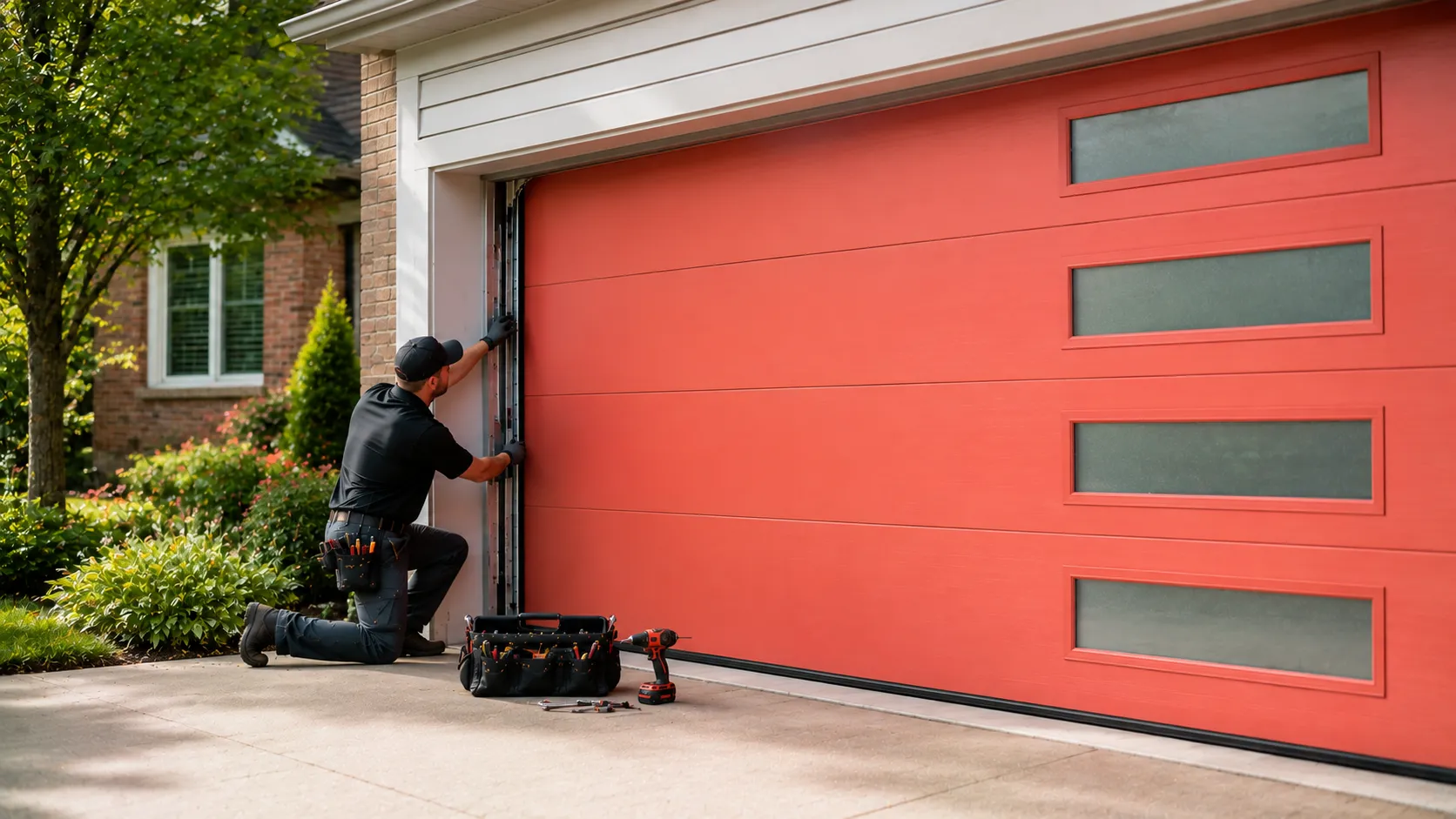
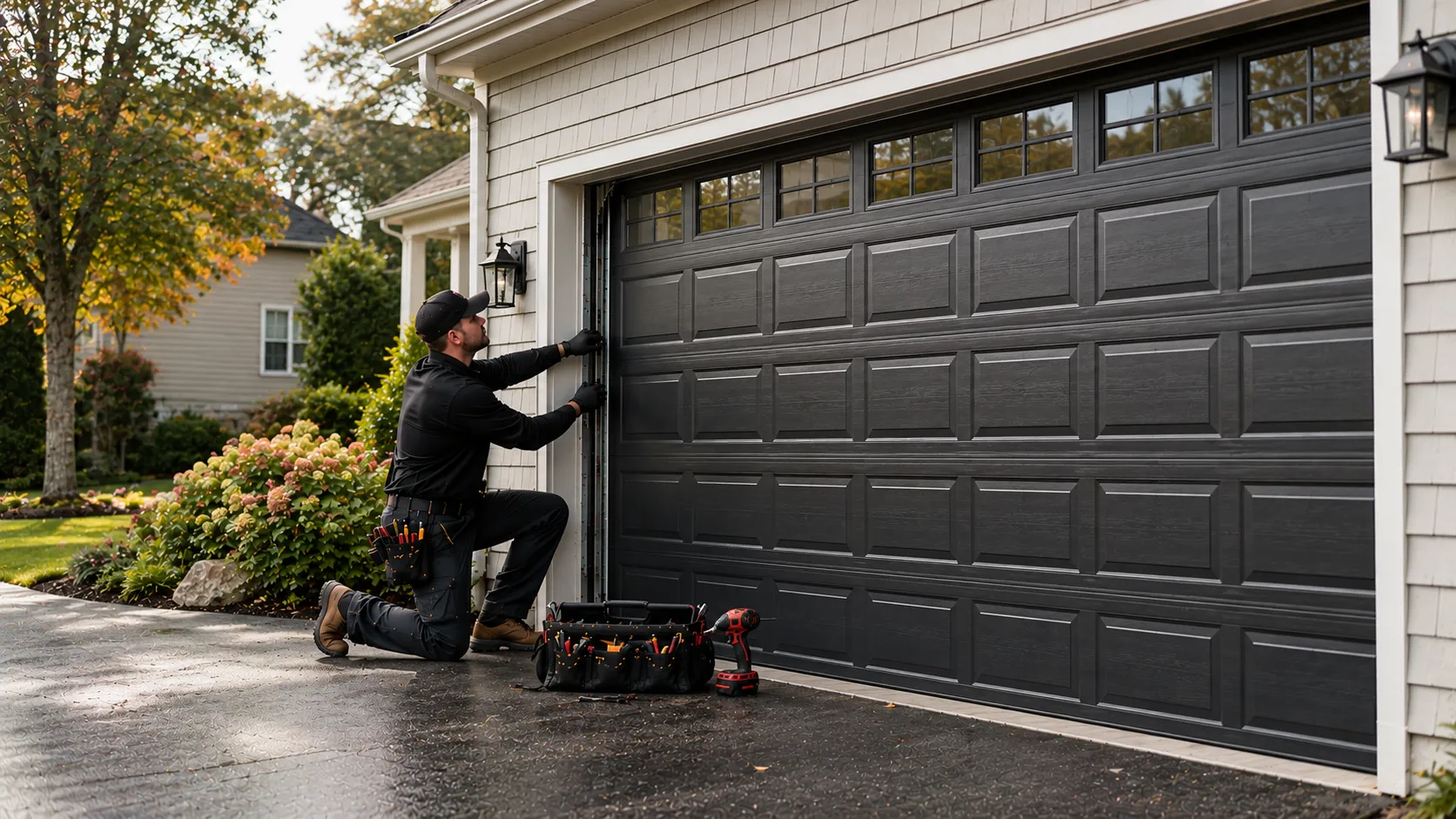
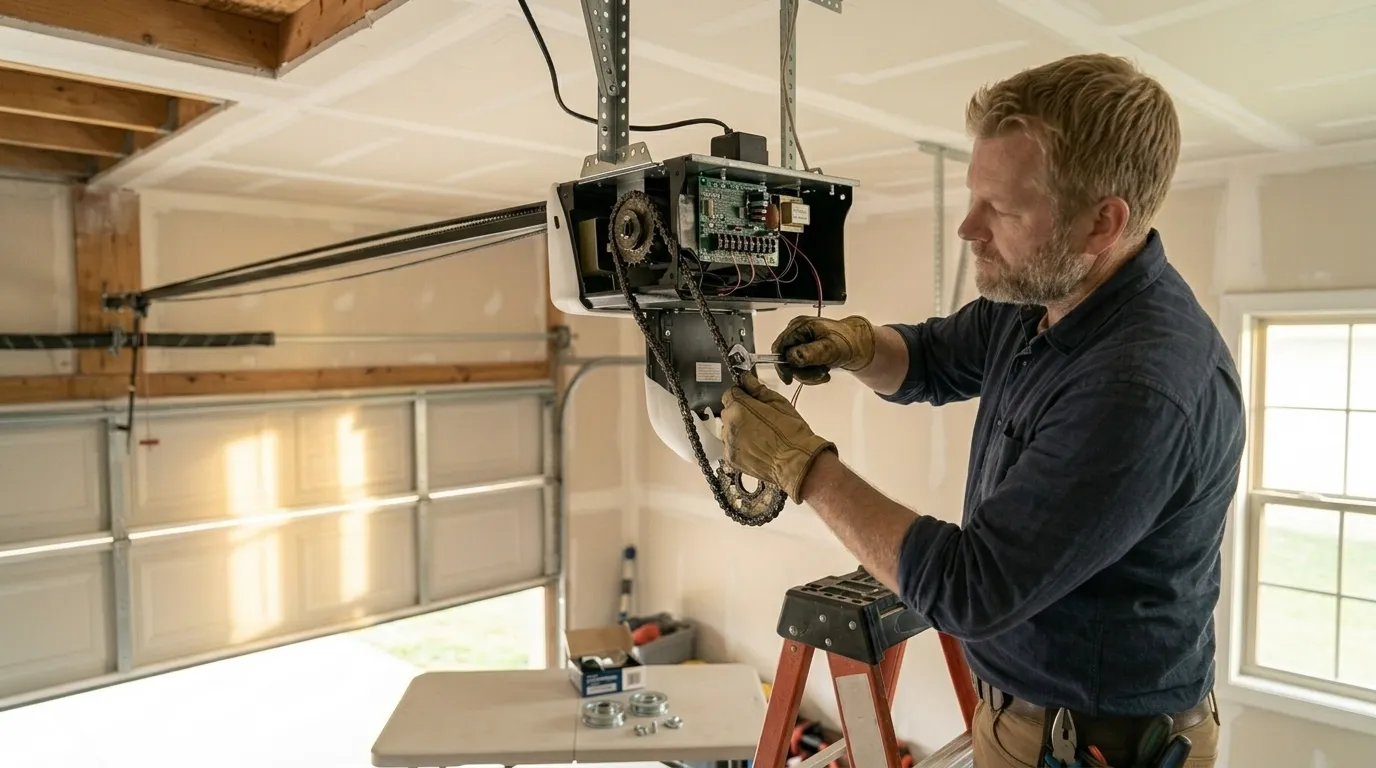
Dryden doesn't split neatly into old and new sections the way some closer-in towns do, but the age gap still shows on a house-by-house basis. A property built when the area's median year - 1990 - was current will usually have a torsion spring system on a steel door with factory rollers, while anything built noticeably before or after that median can carry a different setup entirely, sometimes a wood door on older extension springs that never got upgraded.
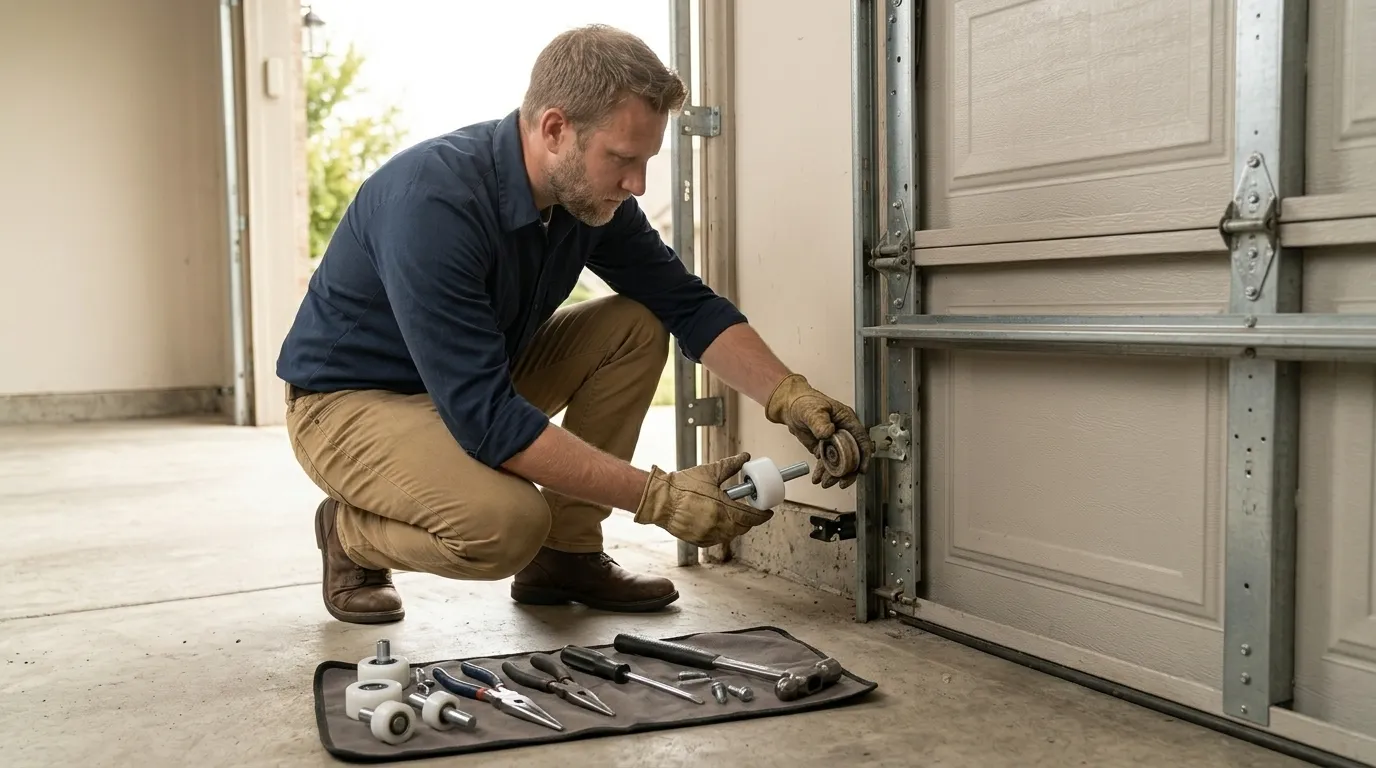
We don't have a list of streets or subdivisions to point to here, and we're not going to invent one. What we can say is that when you call, telling us roughly when your house was built helps us bring the right spring size and the right roller stock the first time, since we're already making the 20-mile trip from Rochester Hills and a second trip for the wrong part costs both of us time.