What We Will Not Take On
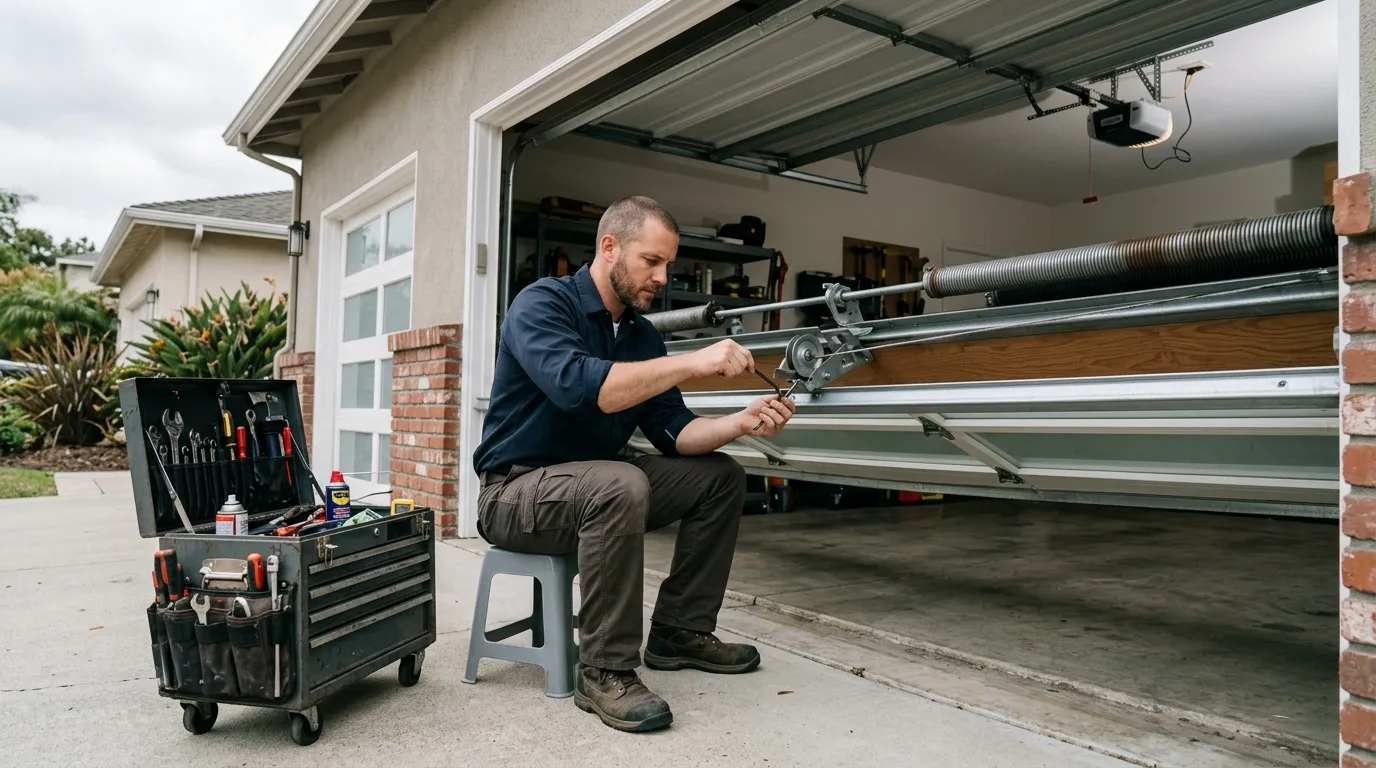
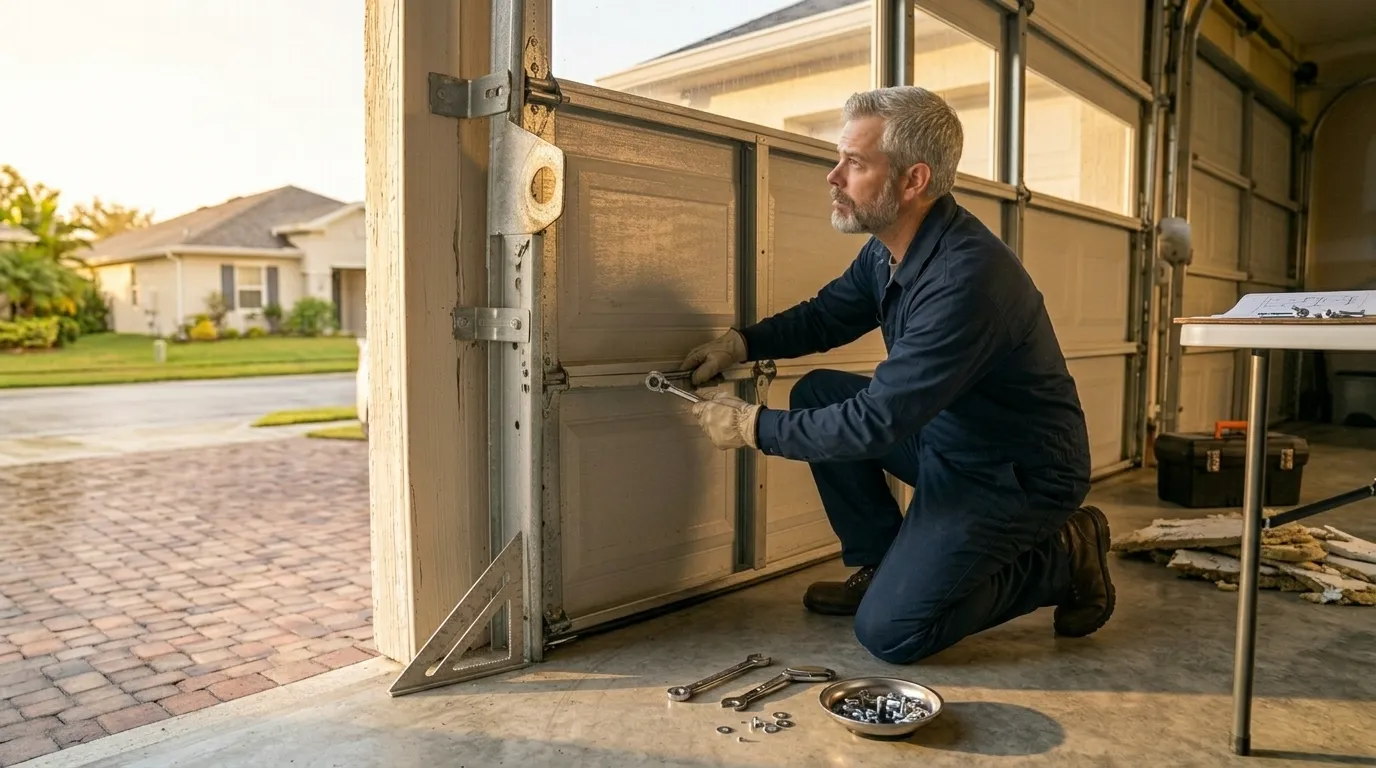
We're honest about the distance before we ever quote a job. Harper Woods sits about 19 miles from our shop in Rochester Hills, which is farther than most of the area we cover day to day. That means we don't promise same-day service here the way we might closer to home, and if you've got a spring let go on a Saturday night, we may not be the fastest truck you can get. We also won't pretend to carry every obsolete panel or bracket for a door built when Eisenhower was in office. If your door needs a part that's been out of production for decades, we'll tell you that up front instead of stringing out a repair that won't hold. Sometimes the honest answer is that replacement costs less than chasing parts for a door this old, and we'll say so instead of billing you for the search. We'd rather lose a small job than let you think we fixed something that's going to fail again in six months.
This Area's Housing
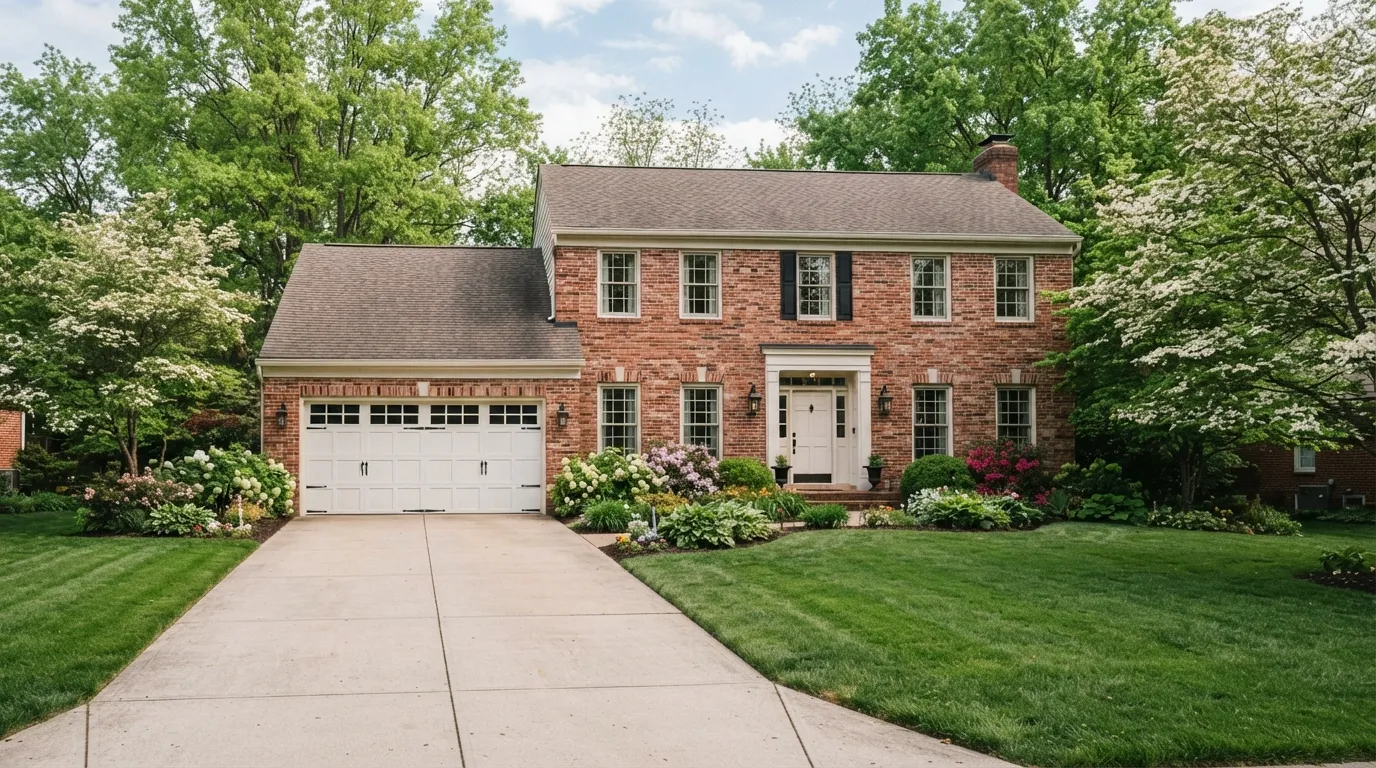
The homes in Harper Woods run older than a lot of what we see elsewhere in our coverage area. Median year built here lands around 1955, ahead of the broader service area's 1960 median, and it's a tight, close-in pattern of houses rather than the sprawl you get farther out. With roughly 5,586 households packed into a compact footprint, garage doors here tend to be original or close to it, on single-car openings sized for cars that don't exist anymore. Median household income in this pocket runs about $61,446, noticeably below the wider area's $84,862, which shapes a lot of the repair-versus-replace conversations we have with homeowners here. People want the door fixed, not upgraded, and that's a reasonable ask when the bones of the door are still sound. Our region overall sits in a cold-climate band with real winter load on hardware, and a door built in 1955 was never engineered for the cycles it's absorbed since.
Old Streets and New Ones
Not every house in Harper Woods dates to the 1955 median - there's a mix, older construction alongside houses built later once infill filled remaining lots. The older stock is where we find the extension-spring setups and narrow headroom described above. Newer builds in the same area are more likely to have torsion springs and openers that were installed or updated within the last couple of decades, which is a different repair entirely - usually faster, with parts we carry on the truck. When you call, telling us roughly when your house was built saves time on the estimate, because it tells us which hardware generation we're probably walking into before we ever see the door.