What We Will Not Take On
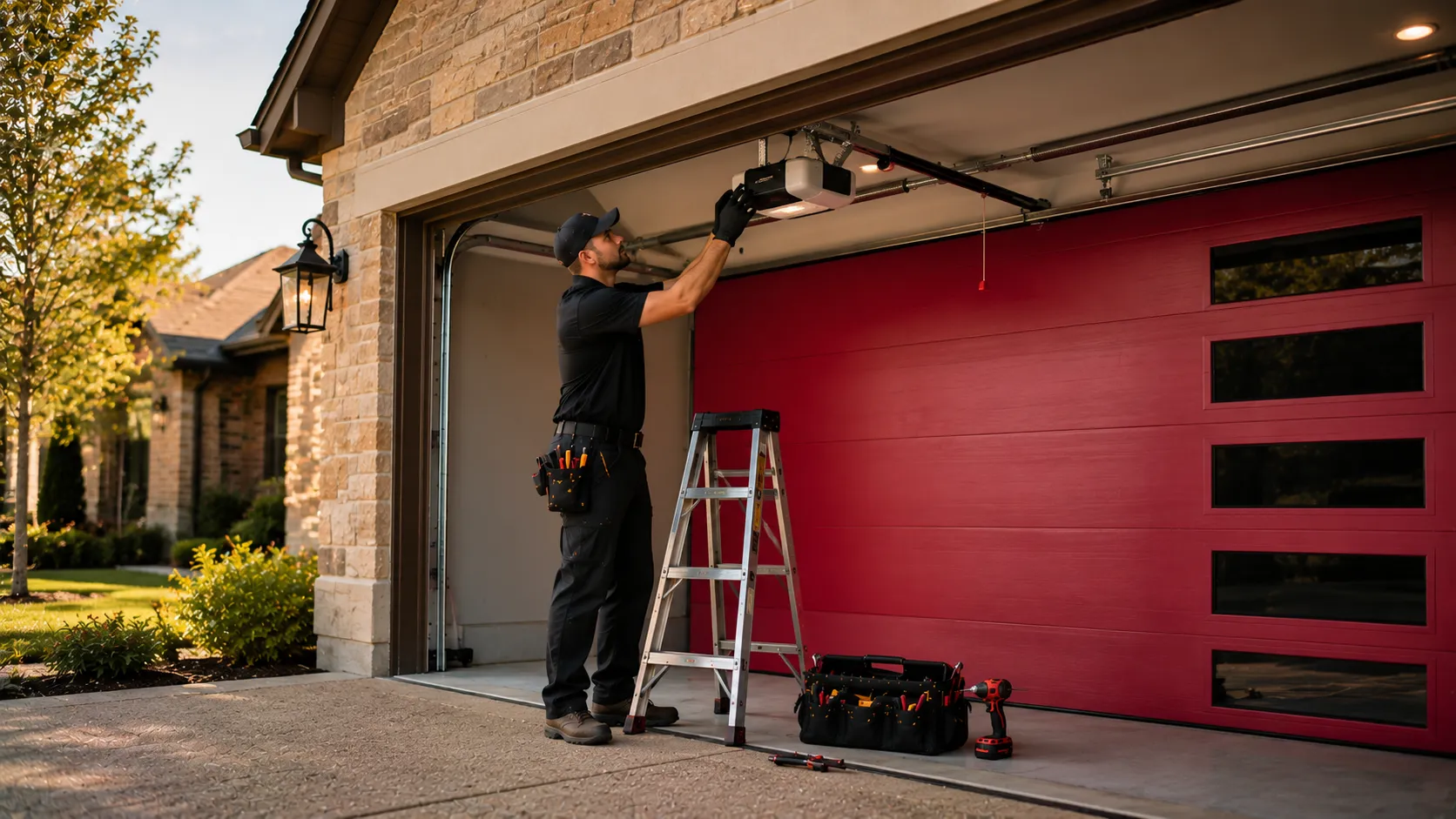
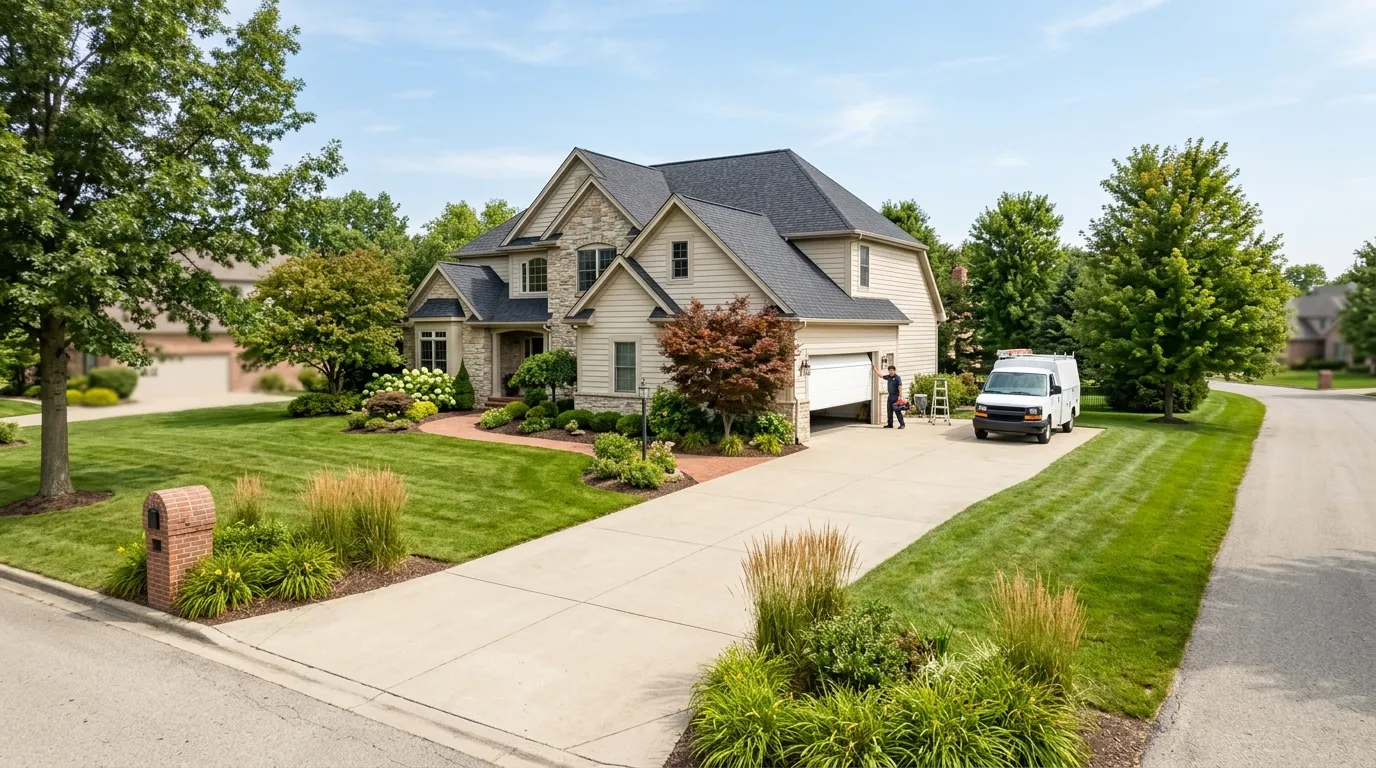
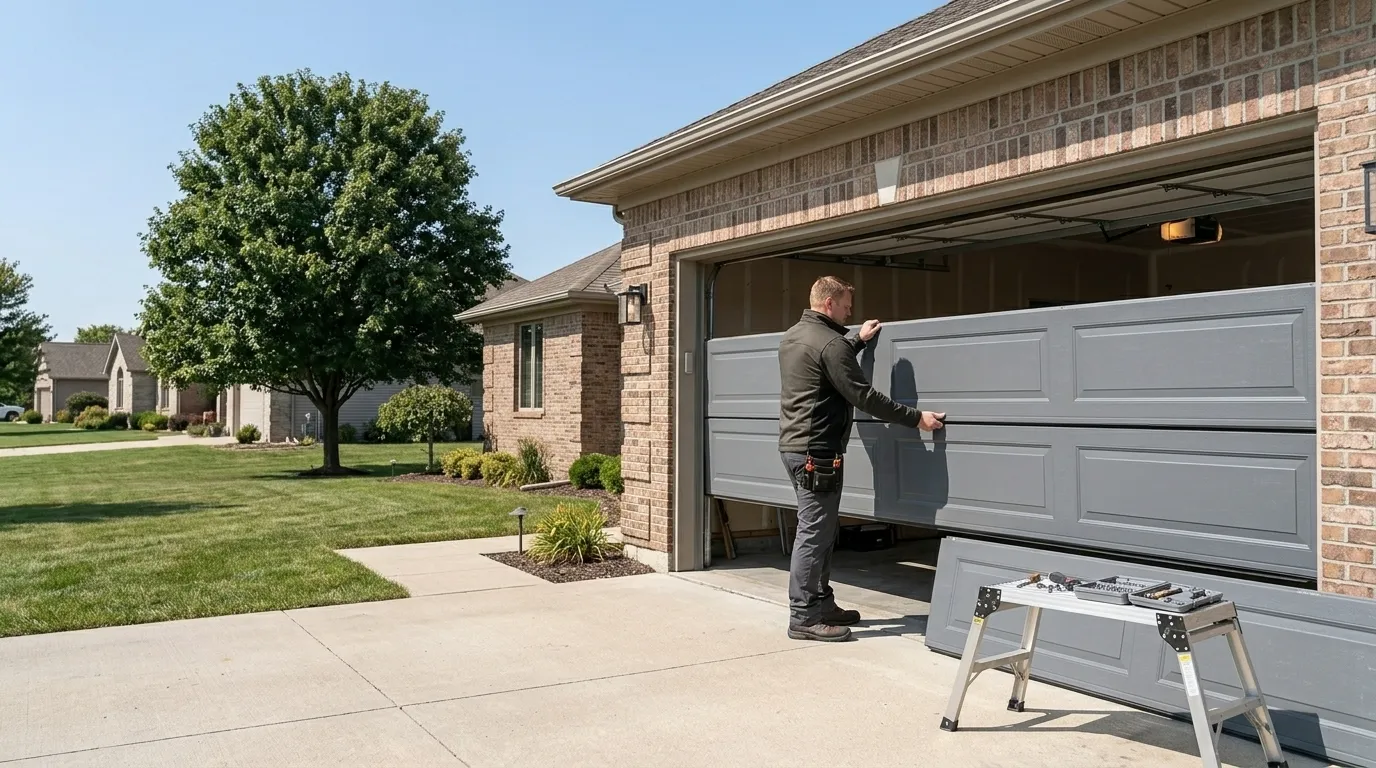
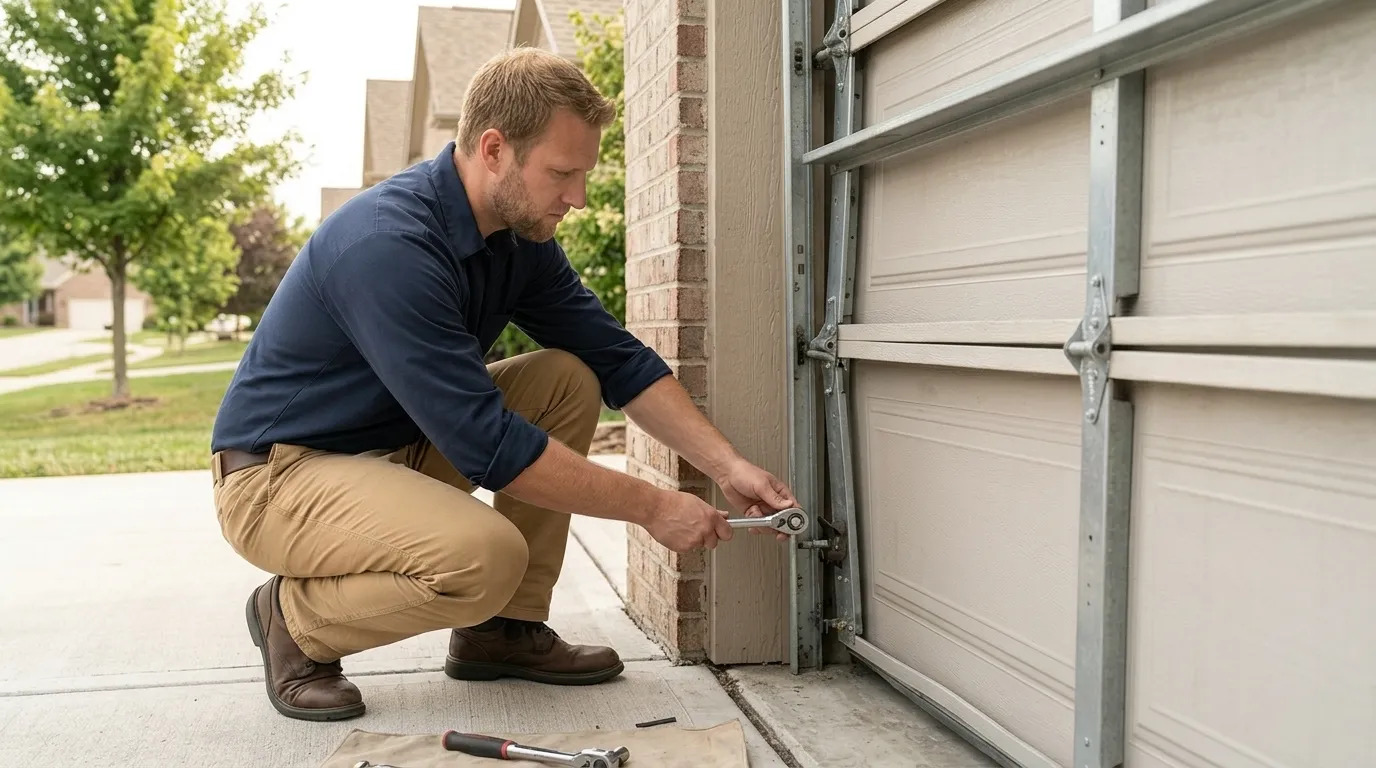
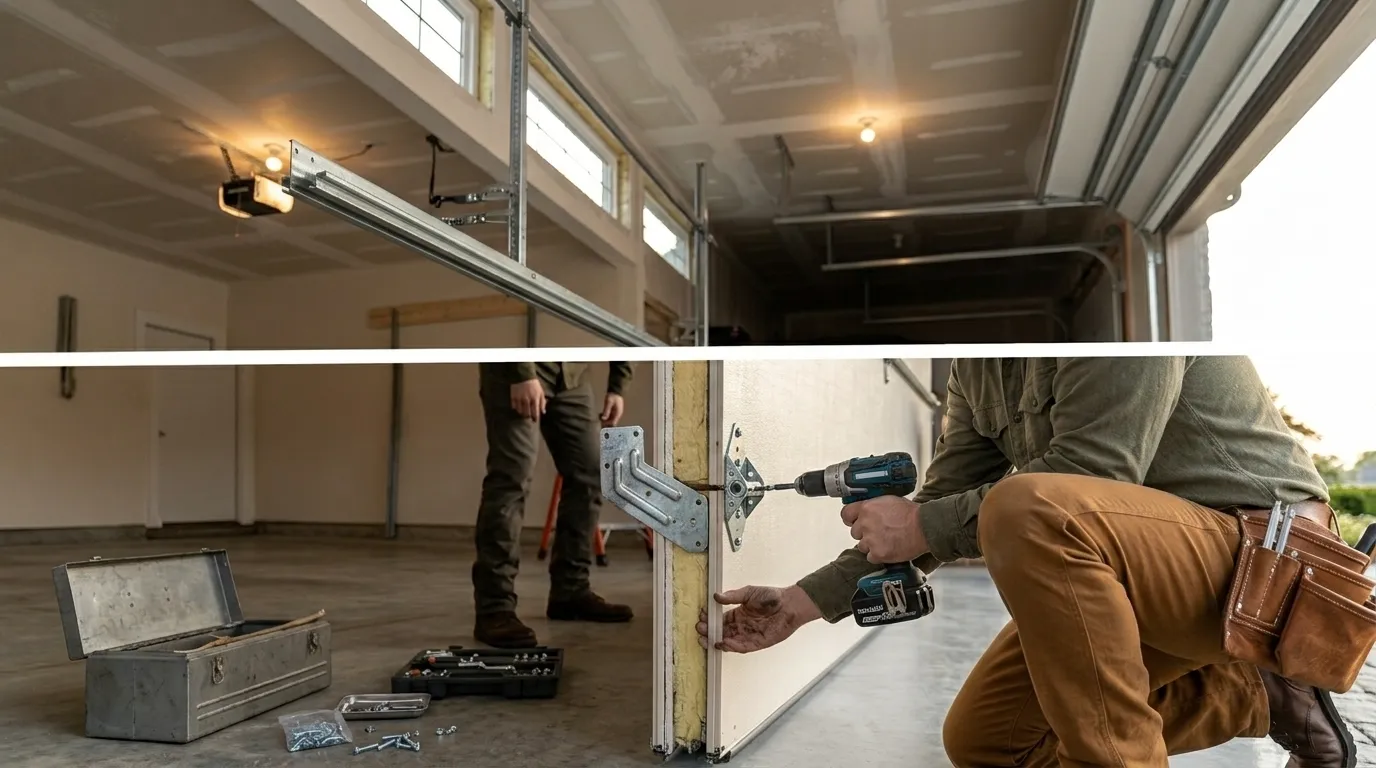
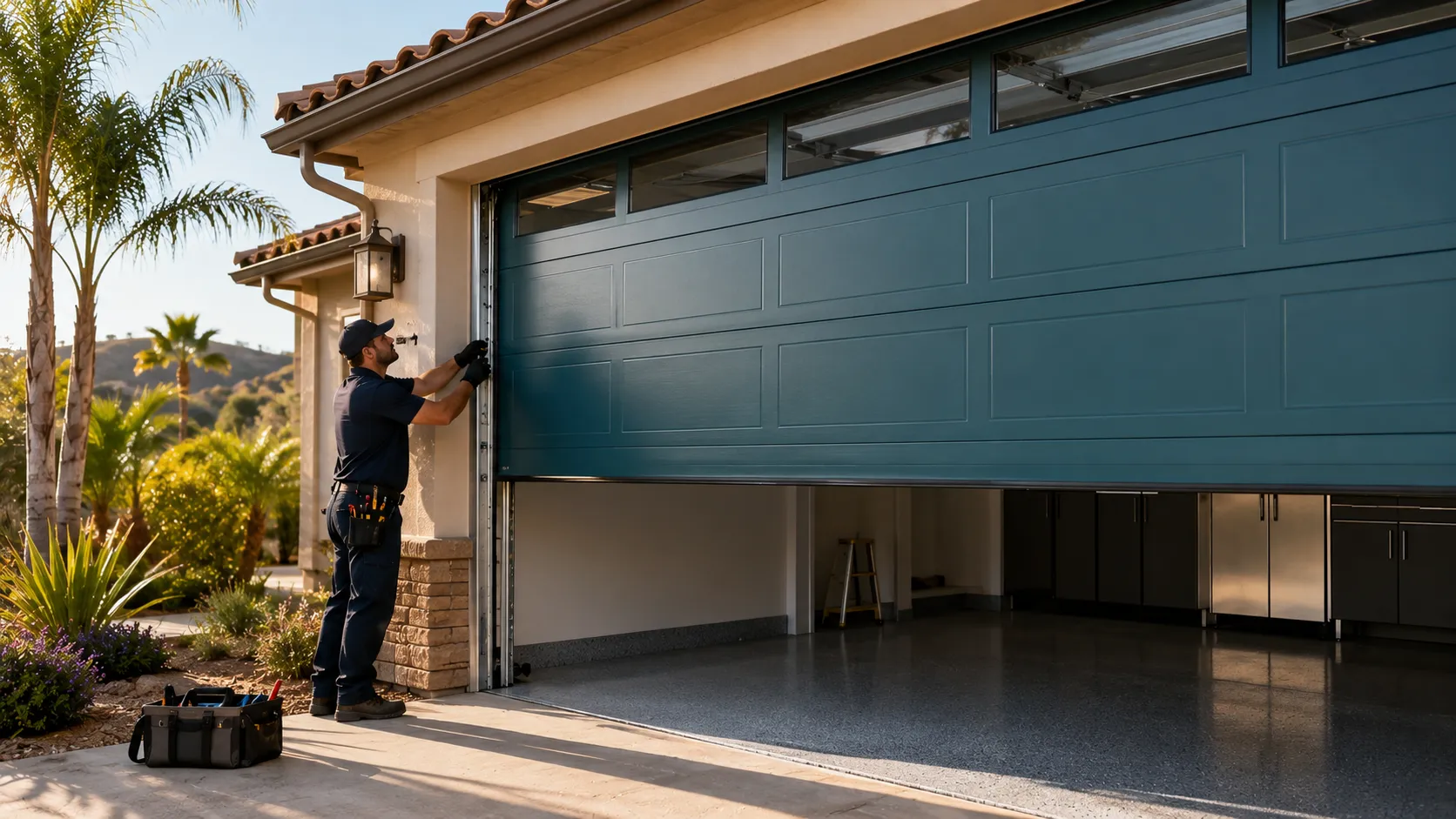
We drive out from Rochester Hills, about 13 miles away, and that distance shapes what makes sense for us to take on here. We don't do same-day emergency calls for a single stuck opener battery or a door that's cosmetically dented but still running fine - that's a trip not worth either of our time. What we do take on: broken springs, cable failures, off-track doors, and full replacements, especially on the older hardware common in this area. If a job is small enough that a homeowner can fix it with a $12 part from a hardware store, we'll tell you that on the phone instead of booking a truck. Our honest limitation is lead time on certain replacement panels - some older sizes aren't stocked locally and can take a week or more to source, which we'll flag before you commit to a job, not after.
This Area's Housing
Huntington Woods homes have a median build year of 1951, noticeably older than the 1960 median across the wider Rochester Hills service area covered under F1. That decade-plus gap matters more than it sounds like it should. A garage built in 1951 was almost never designed with a garage door opener in mind - openers weren't standard equipment yet - so the header, tracks, and stud framing here were often added or retrofitted later, sometimes well. With 2,325 households in the area and a median income around $188,229, well above the broader area's $84,862, most owners here have the means to replace rather than patch, but plenty choose to preserve original door openings and trim rather than resize them, which limits which replacement door widths and styles actually fit without carpentry work.
Old Streets and New Ones
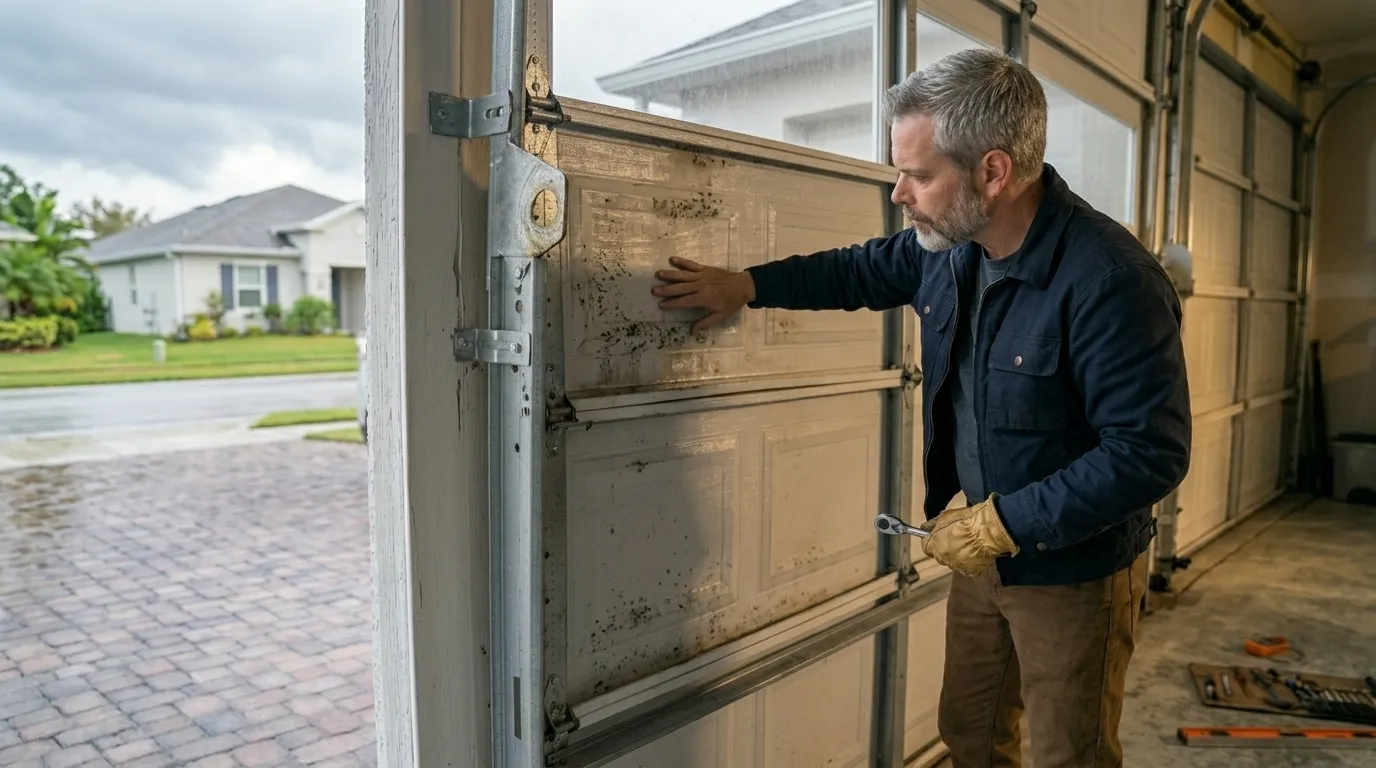
Some of the housing in this part of the coverage area predates driveway garages entirely and had them added later, while other lots saw later infill construction with more modern door openings from the start. That mix means two houses next to each other can need completely different parts - one running original 1950s track hardware, the other with a door installed in the last fifteen years on a wider standard opening. We don't have a list of specific streets or subdivisions to point to here, but the pattern holds across the area: older openings need custom widths and careful spring matching, newer ones take standard stock doors. When we quote a job, we measure the actual opening rather than assume based on the house's age, because in a mixed-vintage area like this, assumptions are how you end up with the wrong door on the truck.