What We Will Not Take On
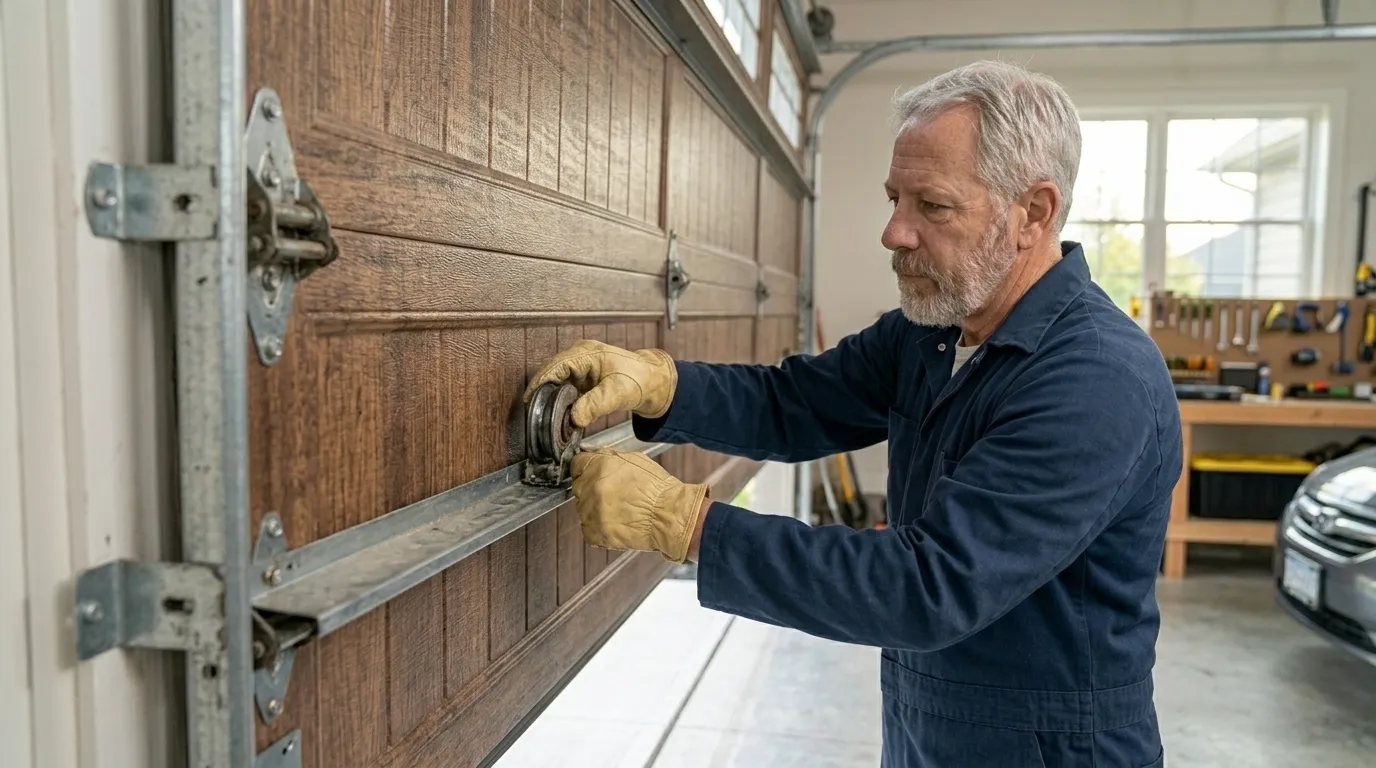
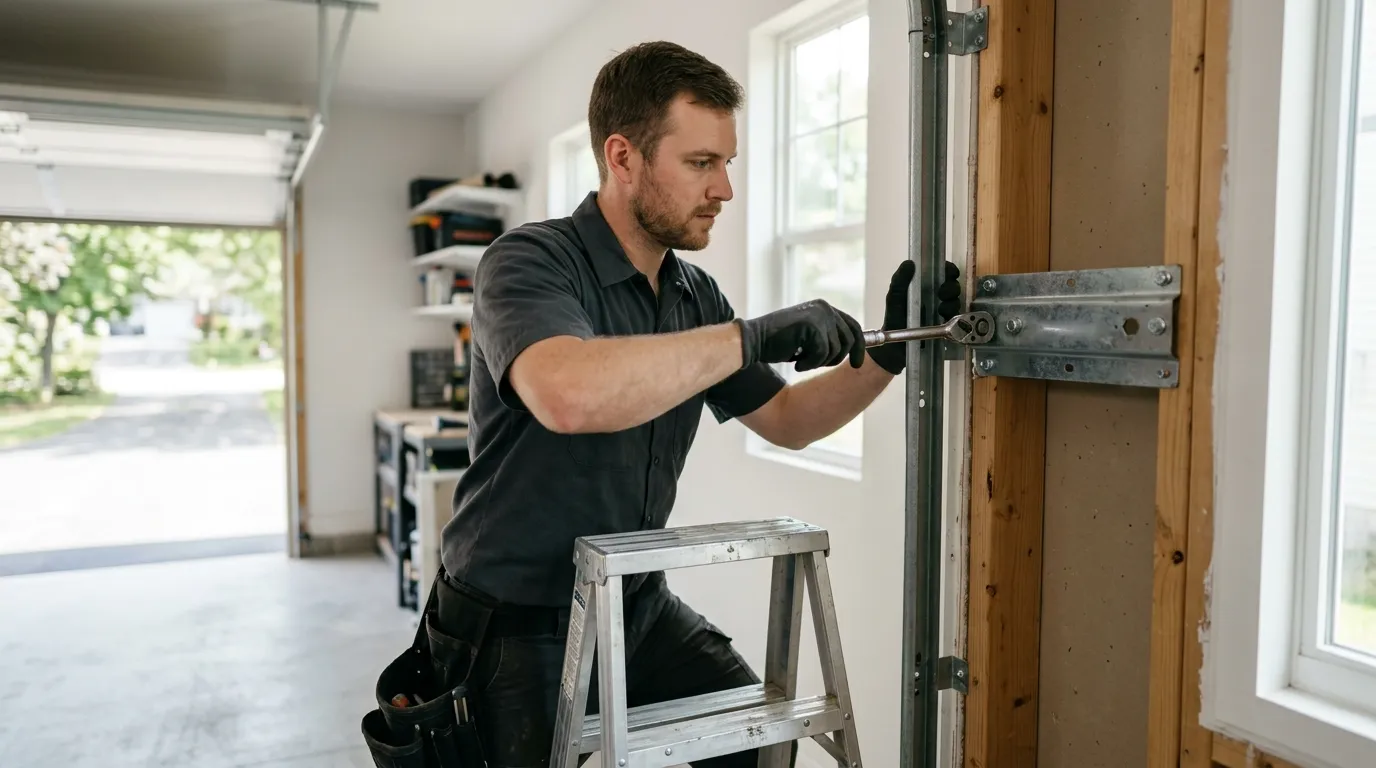
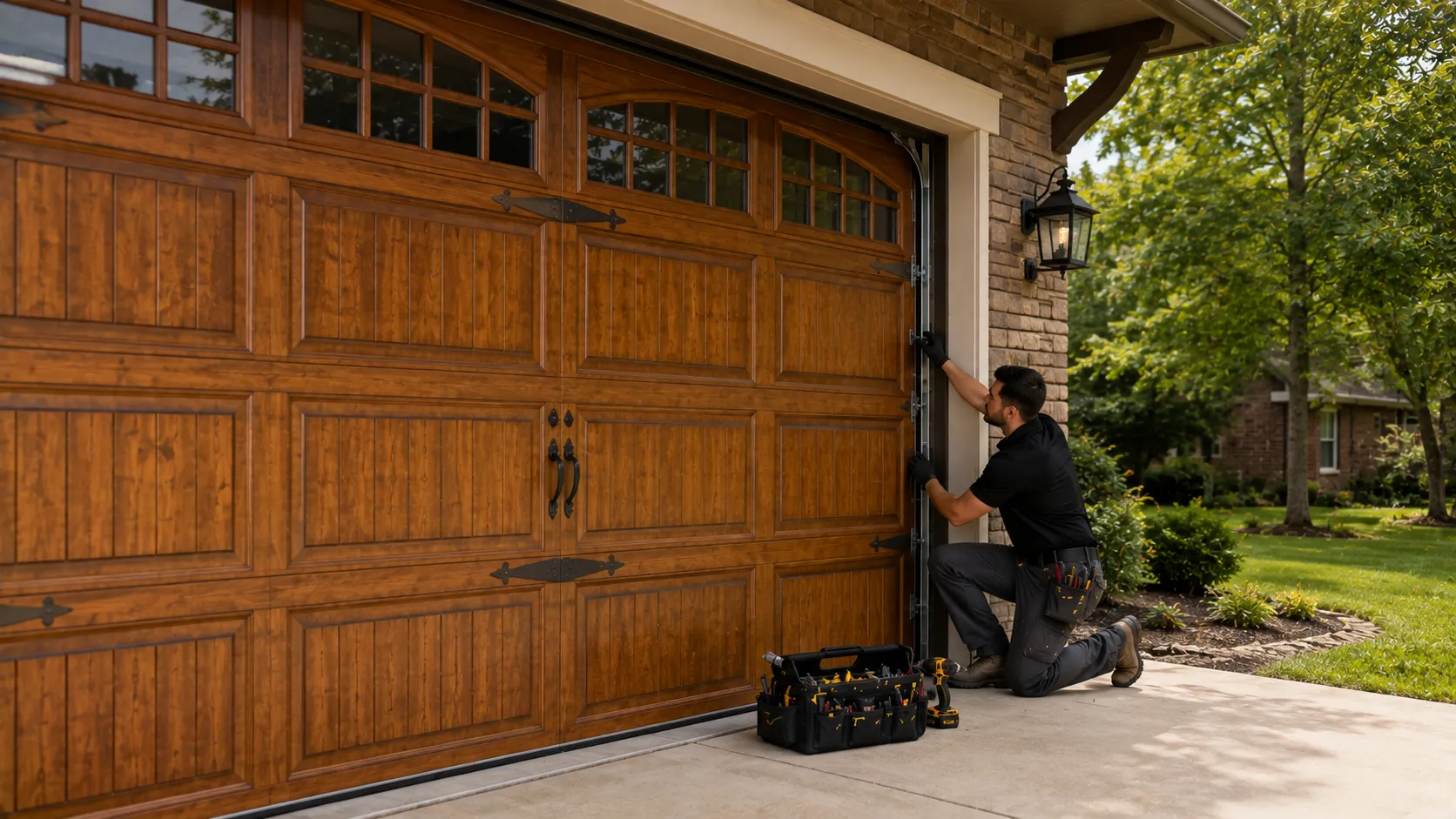
We don't keep a crew stationed in Lathrup Village. Every job here means a truck coming from Rochester Hills, roughly 12 miles out, so same-hour walk-ins aren't something we offer and we won't pretend otherwise. If your opener needs a part that's been out of production for two decades - which happens more here than in newer subdivisions - we'll tell you straight that sourcing it might take longer than the repair itself, and sometimes a full opener swap is the honest answer instead of chasing a discontinued gear kit. We also won't quote a repair over the phone for a door we haven't seen; torsion spring sizing and cable wear vary enough house to house that a guess isn't worth your money. What we will do is show up with the right questions before we show up with the wrong parts, and tell you up front if a job is better handled by someone who does structural framing rather than door work, since that's outside what we do.
This Area's Housing
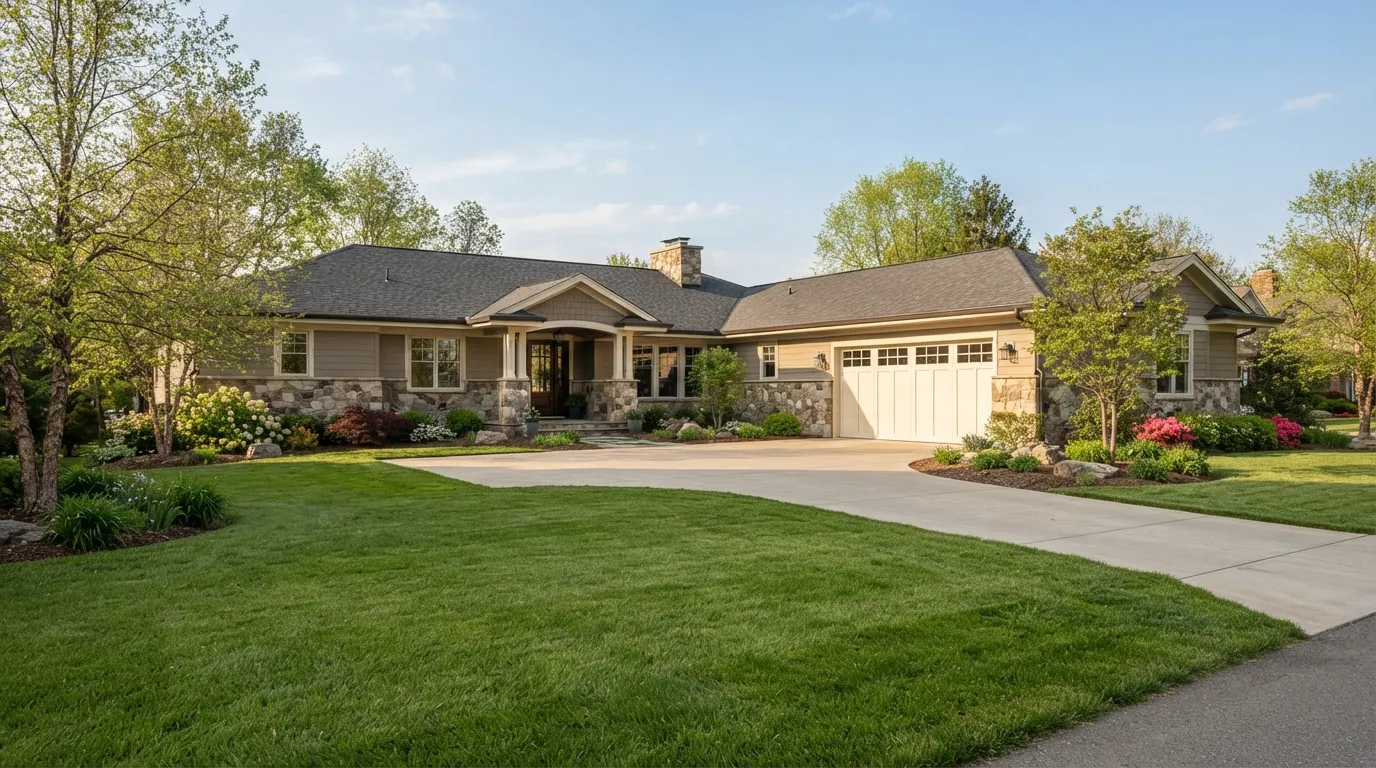
The median build year in Lathrup Village runs around 1956, which puts it on the earlier edge of the broader housing stock across this service area (F1 shows building spanning 1938 to 2002 with a median near 1960). That six-to-ten year gap matters more than it sounds. Doors and openers installed in the mid-1950s came before the chain-drive residential opener became standard, and a lot of these houses have been through at least one retrofit that didn't fully update the track or the header framing to match. With about 1,552 households in the area, this isn't a large tract, but it's a consistent one - block after block of similar-vintage garages, similar-vintage problems. Income here runs higher than the service-area median, at roughly $99,286, and we see that reflected less in whether people replace equipment and more in when: owners here tend to fix a spring before it fails rather than wait for the door to drop.
Old Streets and New Ones
Lathrup Village sits about 12 miles from Rochester Hills, in the cluster of communities - Berkley, Huntington Woods, Pleasant Ridge, Oak Park among them - that share this same mid-century build pattern rather than the newer subdivisions closer to Rochester Hills itself. That distance is why we plan Lathrup Village visits rather than treat them as a same-day drop-in; it's a real trip, not a detour. Within the area itself there isn't much new construction to speak of - the housing here was largely built out by the 1960s and infill has been light since, so the door and hardware questions we get tend to repeat: original torsion setups, retrofitted panels, and openers that have outlived their original safety sensors. We don't have data suggesting new streets or recent development here, and we're not going to invent any - what we work with is the housing stock that's actually on the ground.