What We Will Not Take On
We don't run a shop in Leonard, and we won't pretend otherwise. Every job here means a truck coming 14 miles from Rochester Hills, so we're upfront that we can't offer the same walk-in turnaround you'd get from a company parked five minutes away. If you need a same-day fix on a Sunday night, we may not be the fastest option, and we'd rather tell you that now than after you've waited on us.
We also won't quote a repair over the phone for a door we haven't seen. With a service area this spread out - Leonard sits well north of the denser 1960s-70s pockets closer to Rochester Hills - hardware varies enough from block to block that a guess isn't worth much. And if a door's frame or opener is old enough that parts are simply gone from the supply chain, we'll say so instead of stretching a repair past the point it makes sense, and talk replacement instead.
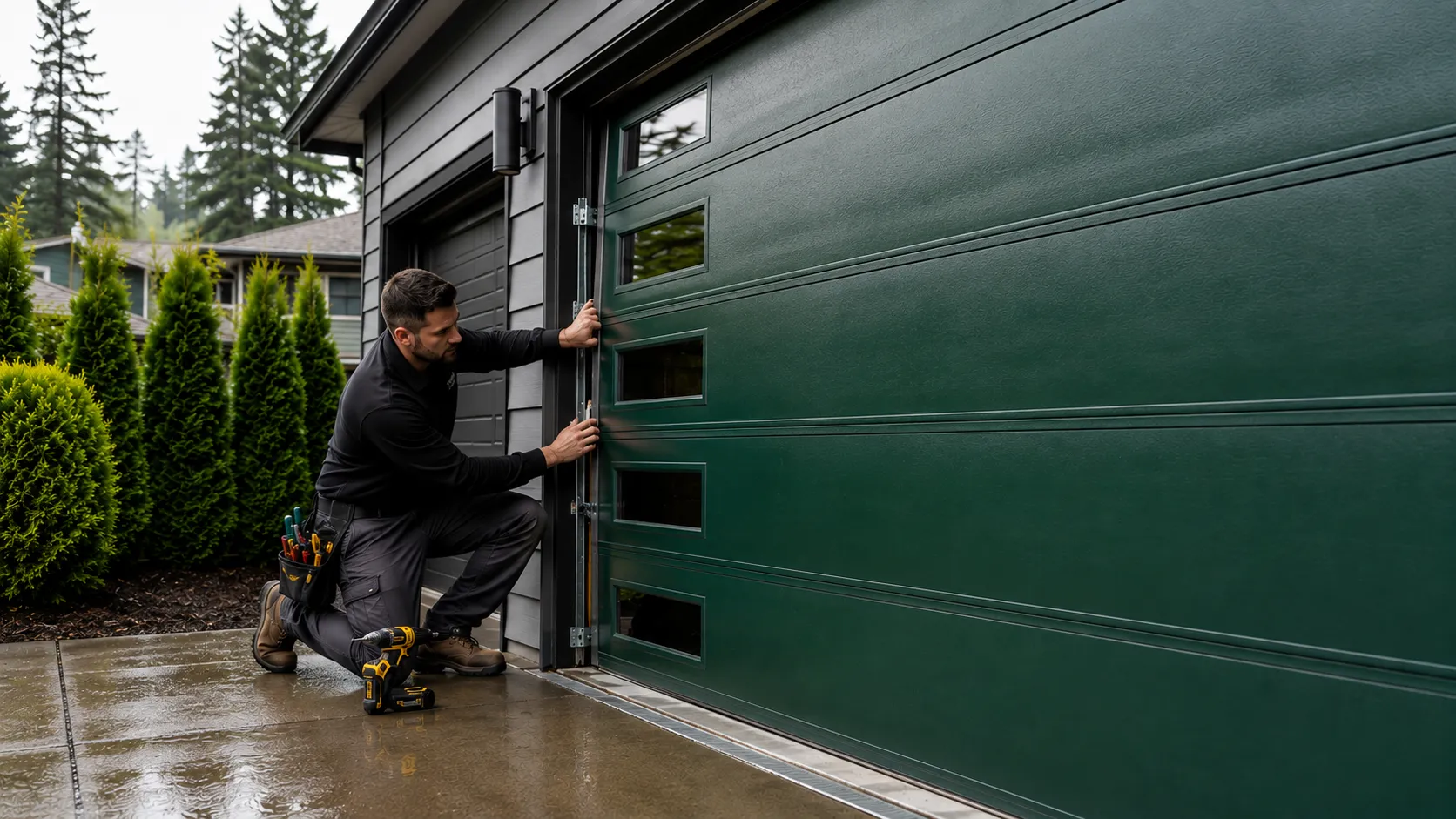
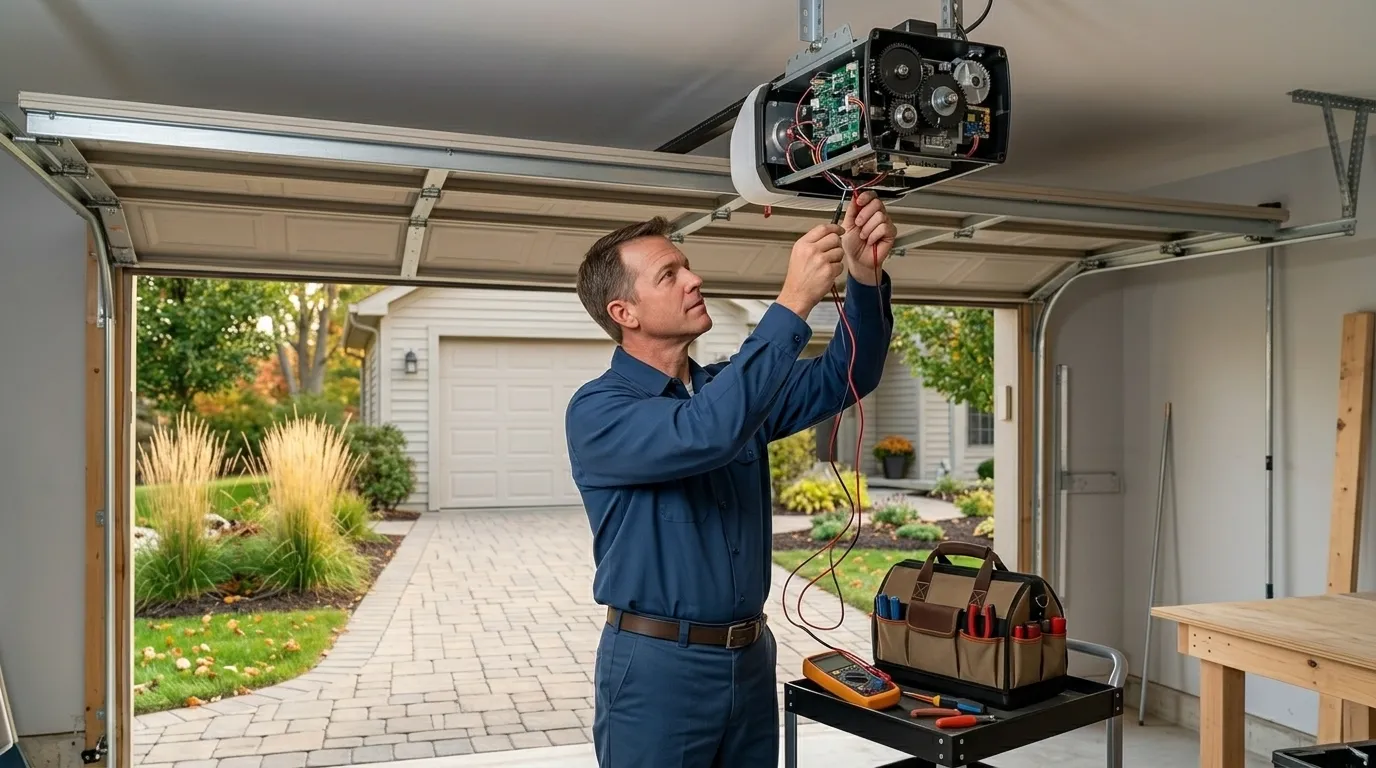
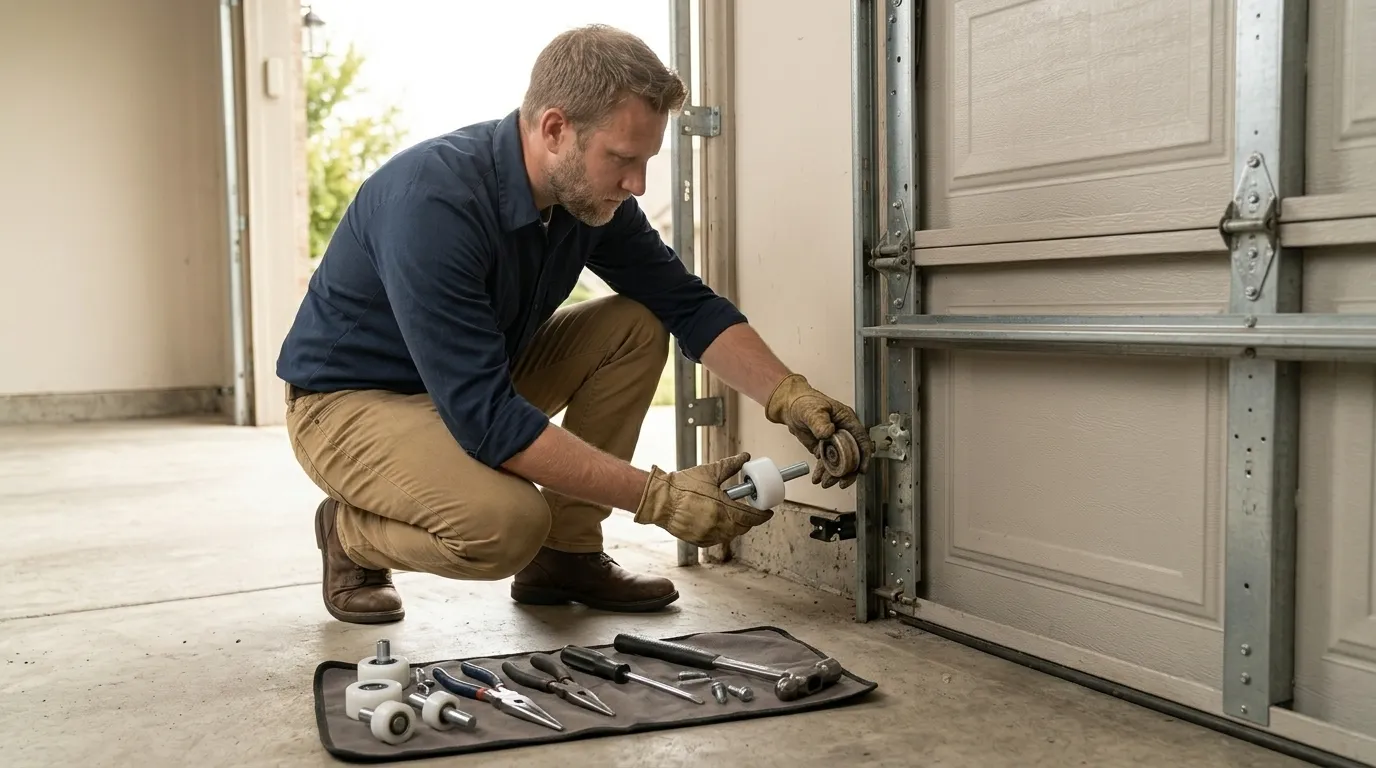
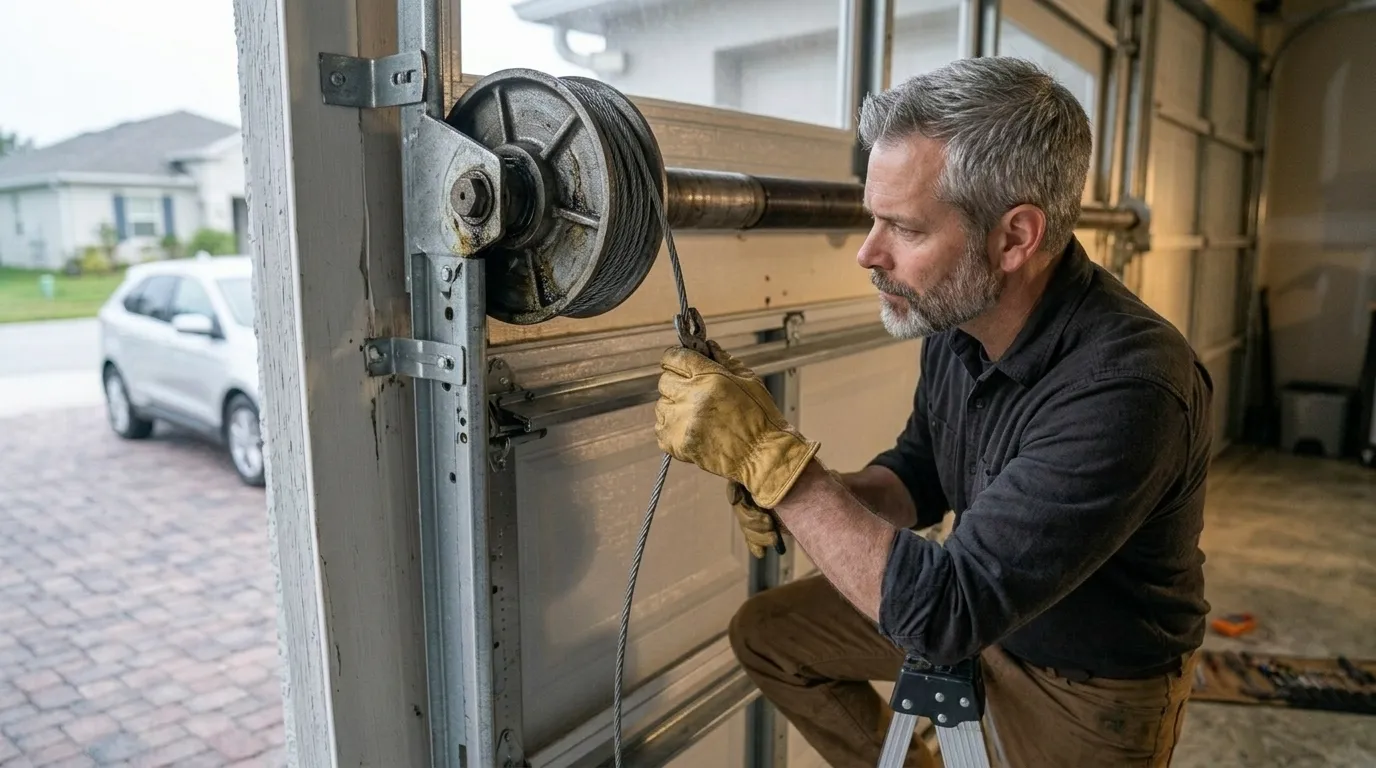
What we will do is show up with the right springs and rollers sized for the era of door common to this area, because we've priced the job against what actually gets installed on Leonard's older housing stock, not a generic average.
This Area's Housing
Leonard's median home dates to 1954, which puts it a few years ahead of the wider service area's 1938-2002 range and its 1960 median. That six-year gap matters more than it sounds: doors and openers installed in the mid-1950s used different spring counts, different track widths, and hardware that predates a lot of what's stocked on shelves today.
The area is small - 126 households total, nowhere near the density of the 42 named communities that make up the broader coverage zone. Median household income here runs $91,250, above the $84,862 median across the full service area, which tends to mean owners are more willing to pay for a proper spring and track replacement rather than a patch job, once they understand what's actually wrong.
Because the housing count is so small, there isn't a large enough sample of newer construction to expect much variety in door type. Most of what we'd expect to find pulling up to a job here traces back to that original 1950s build era, with whatever updates individual owners have made since.
Old Streets and New Ones
With only 126 households in the area, there isn't much room for large new subdivisions to have gone up alongside the original 1950s builds - the numbers point to a place that's stayed close to its original footprint rather than filling in with newer construction. That's different from denser parts of the broader service area, where 1960s and 70s tract housing dominates and newer infill sits right next to it.
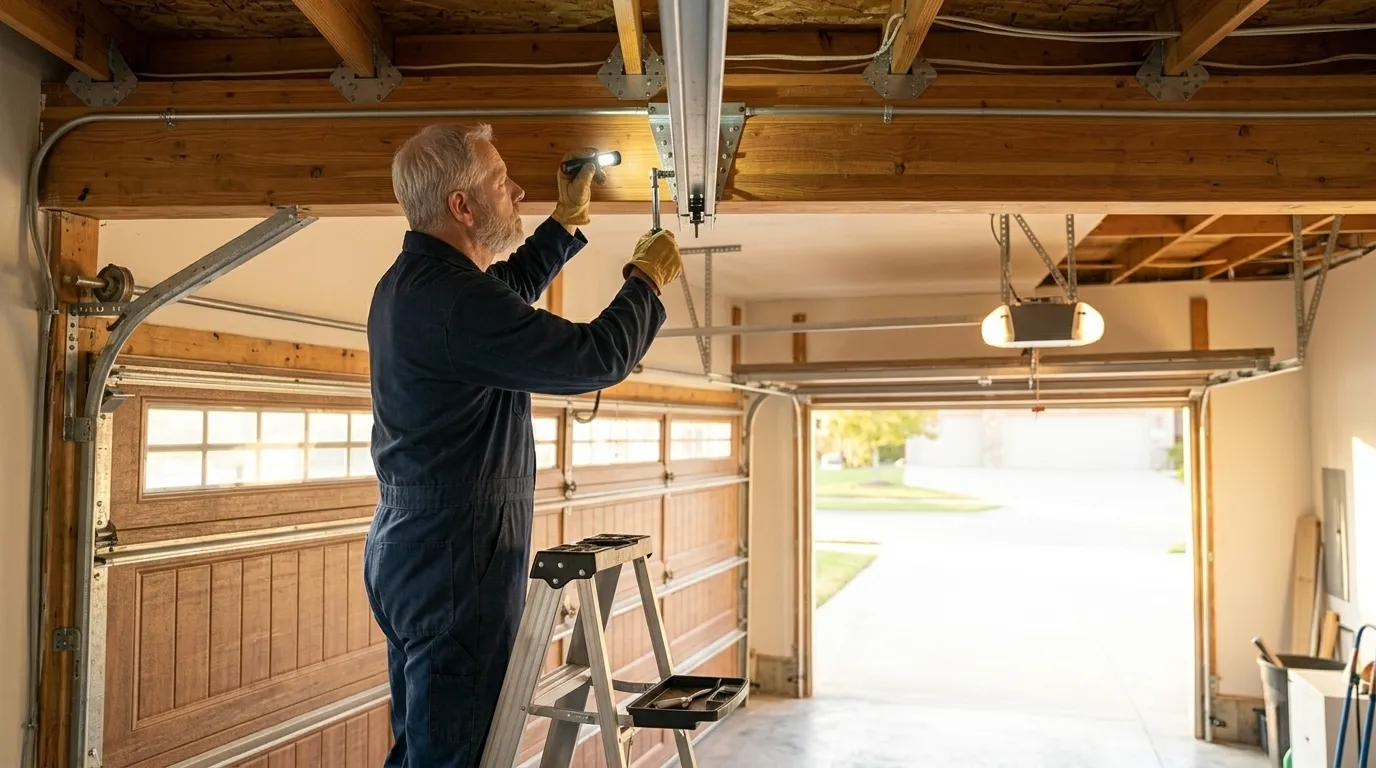
What this means on a service call: we're less likely to find a door that's been replaced in the last decade and more likely to find the original opener or a direct swap-in from whenever the first one failed. Owners here often don't know the age of their spring setup because it's simply never been touched, which is worth checking before it fails in the driveway on a cold morning.
We travel here from Rochester Hills for every call, 14 miles each way, and we plan the parts we bring based on that older baseline rather than assuming a mixed-era stock like we'd carry closer to the city center.