What We Will Not Take On
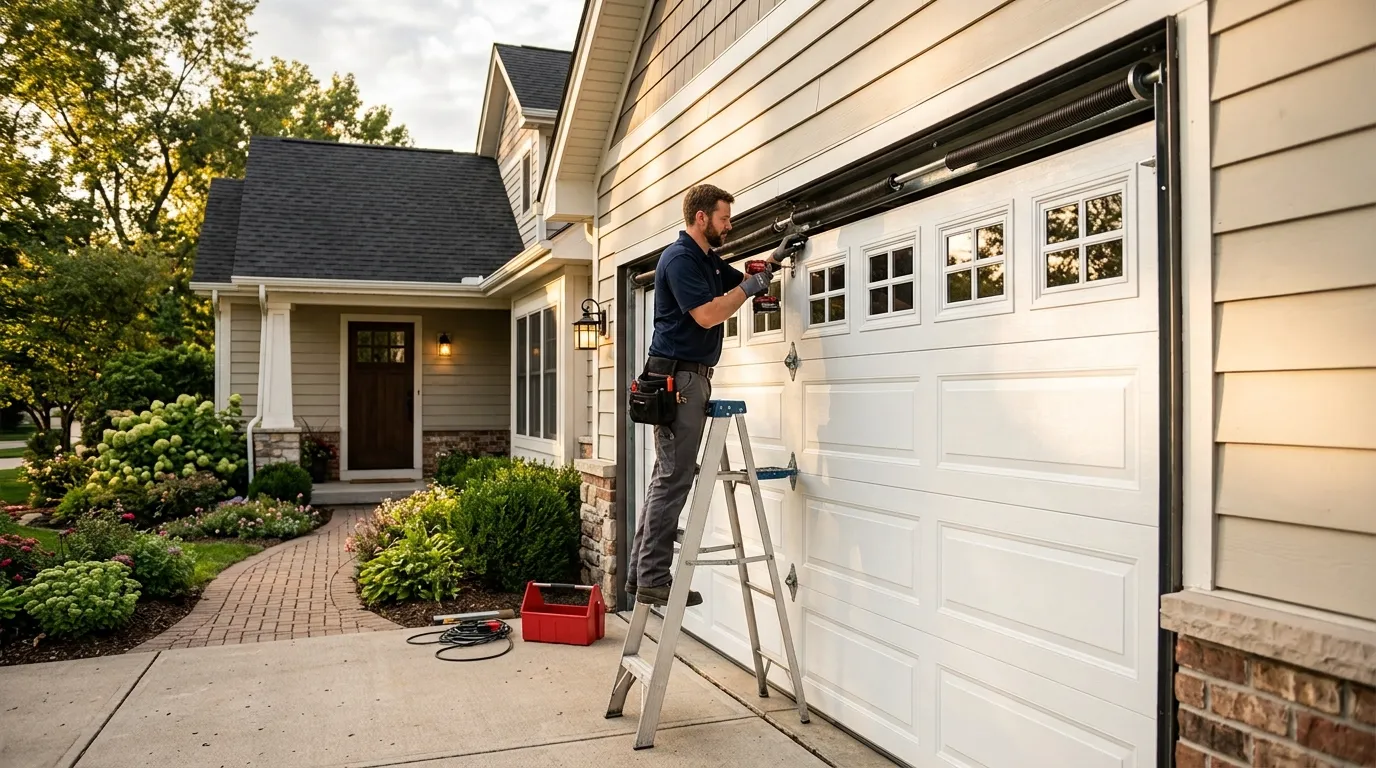
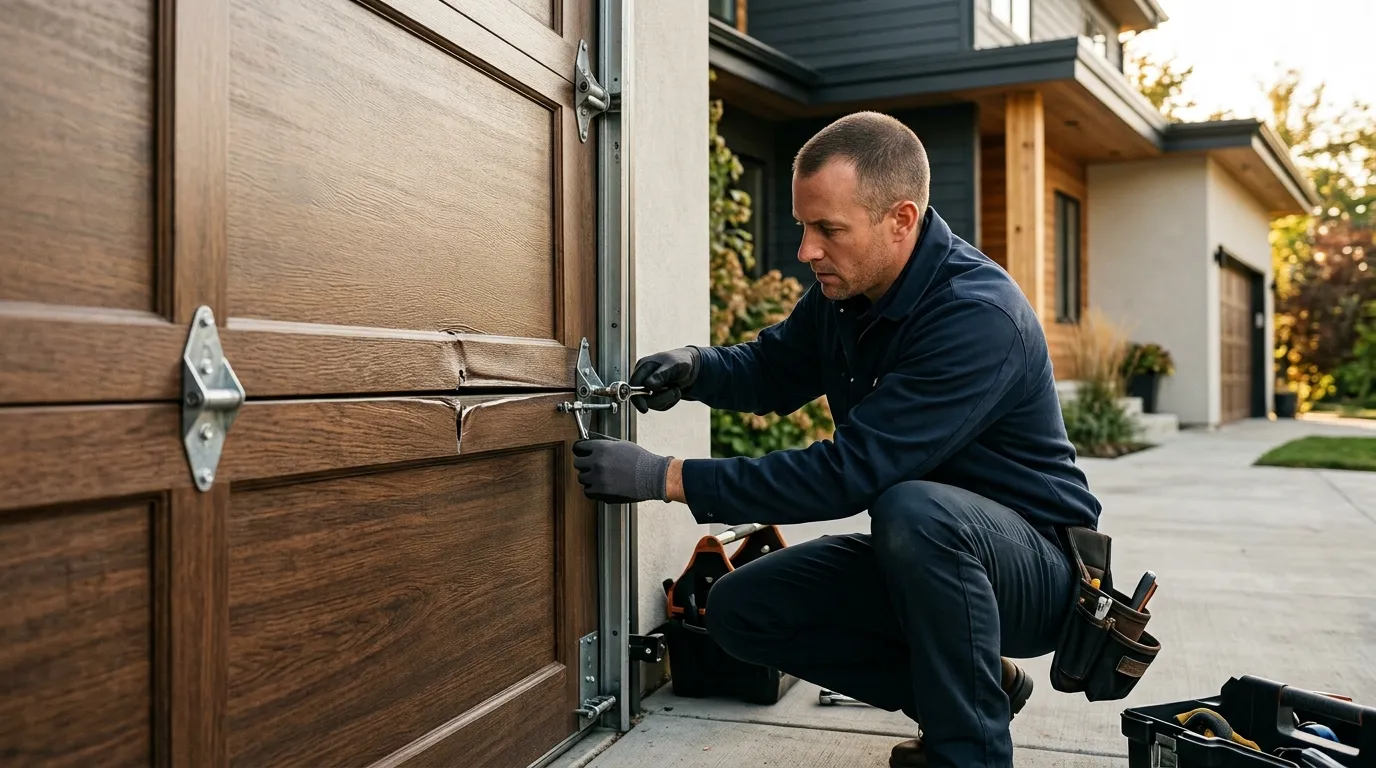
Ortonville sits about 19 miles from our shop in Rochester Hills, and we're straight with people about what that distance means before they book. We don't promise same-day emergency arrival out here the way we might closer to home - a broken spring at 7 a.m. in Ortonville gets scheduled into the day's route, not treated as a drop-everything call. If your opener needs a part we don't carry on the truck that day, the trip back adds a day too; we'd rather tell you that up front than have you waiting by the window. We also won't quote a job sight unseen over the phone when a door's had multiple past repairs stacked on top of each other - with 534 households in this area and a housing mix spanning several decades, two doors that look alike from the driveway can have completely different hardware behind the panel. If a door's cheaper to replace than keep patching, we'll say so instead of running up a repair bill.
This Area's Housing
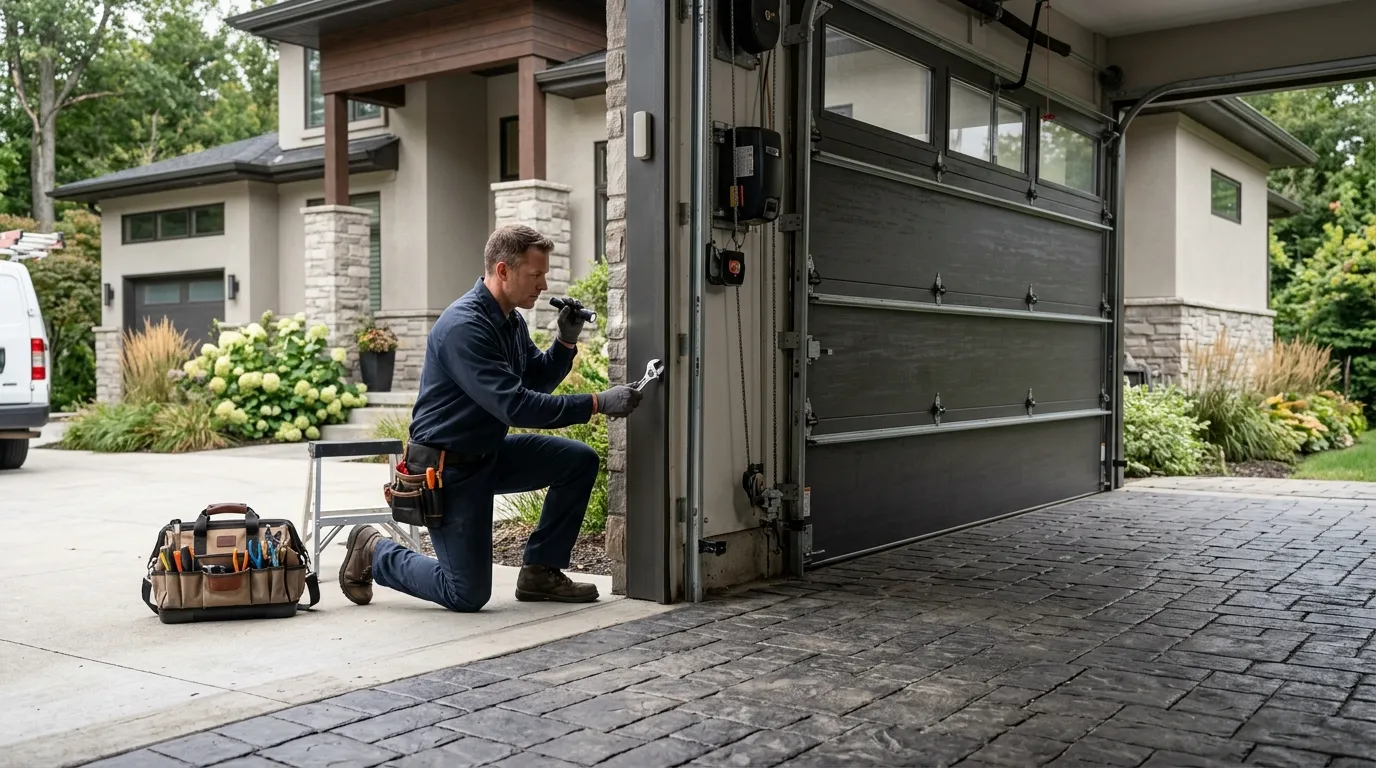
The median home in Ortonville was built around 1972, a good decade newer than the 1960 median across the wider service area we cover out of Rochester Hills. That gap matters more than it sounds like it should. Across the broader area, housing generally dates from 1938 to 2002 with a heavy concentration in 1960s and '70s construction, but Ortonville sits later in that curve - closer to the tail end of the older stock and into the early wave of newer building. With household income here running around $101,667, well above the $84,862 median for the service area as a whole, a fair number of these houses have already been through at least one round of garage upgrades or replacements since they were built. That means less guessing about ancient extension-spring setups and more dealing with doors and openers that were installed or swapped sometime in the last 20 to 30 years - a different set of common failures than what you'd find in the oldest pockets of the coverage area.
Old Streets and New Ones
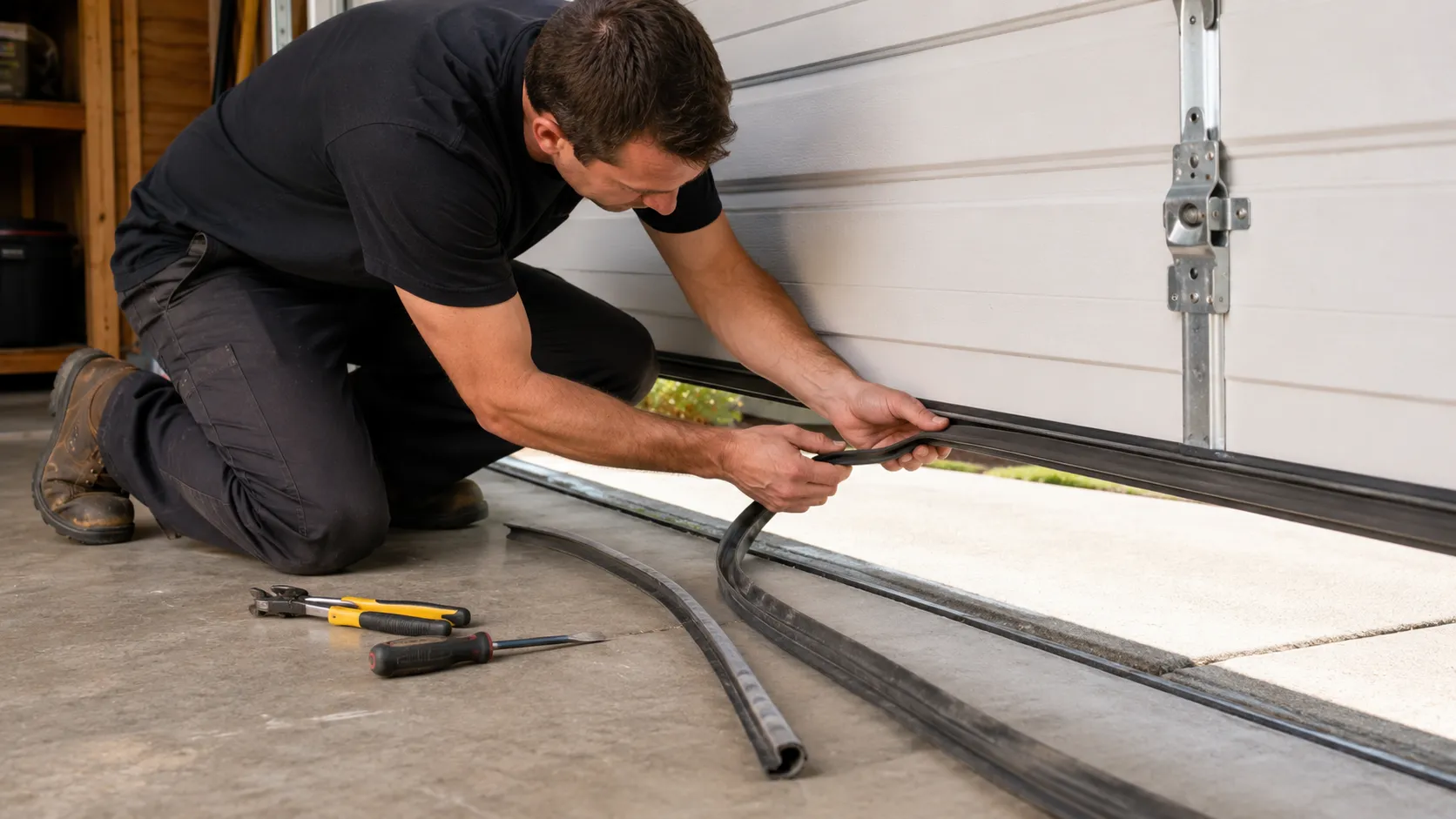
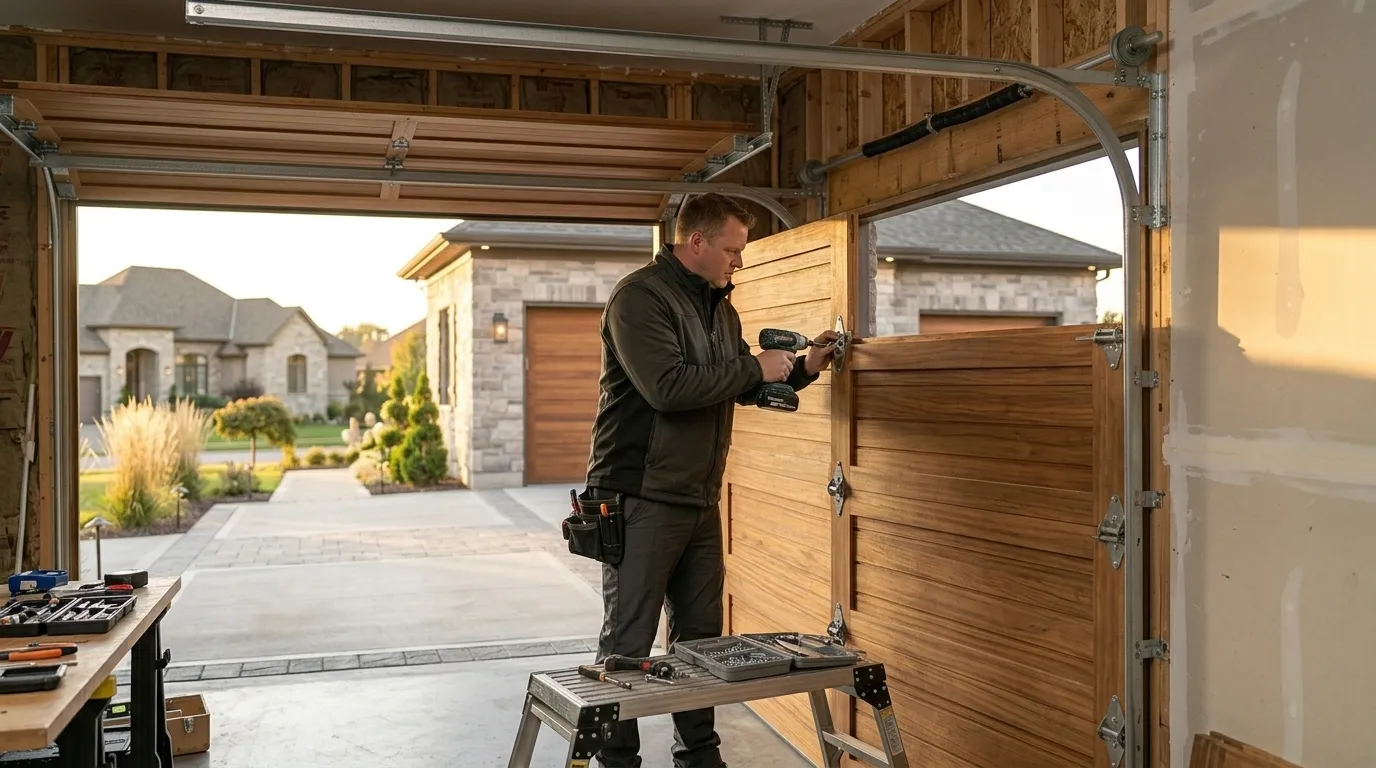
Ortonville isn't a single housing tract built in one summer - the 1972 median is a midpoint, not a wall. That means you get older doors on the earlier lots sitting a few streets from openers and hardware installed well after 2000 on newer builds, sometimes on the same block. We don't have a street-by-street map of which is which, so we ask a few questions before we quote: roughly when the house was built, whether the door or opener has been swapped since, and what kind of noise or resistance you're getting when it moves. That's more reliable than guessing off the neighborhood. What we can say generally is that the newer end of this area's housing is less likely to need a full spring-and-track rebuild and more likely to need opener electronics or weatherstripping attention, while the older end still has some torsion setups from the original build that are due for replacement on age alone, not damage.