What We Will Not Take On
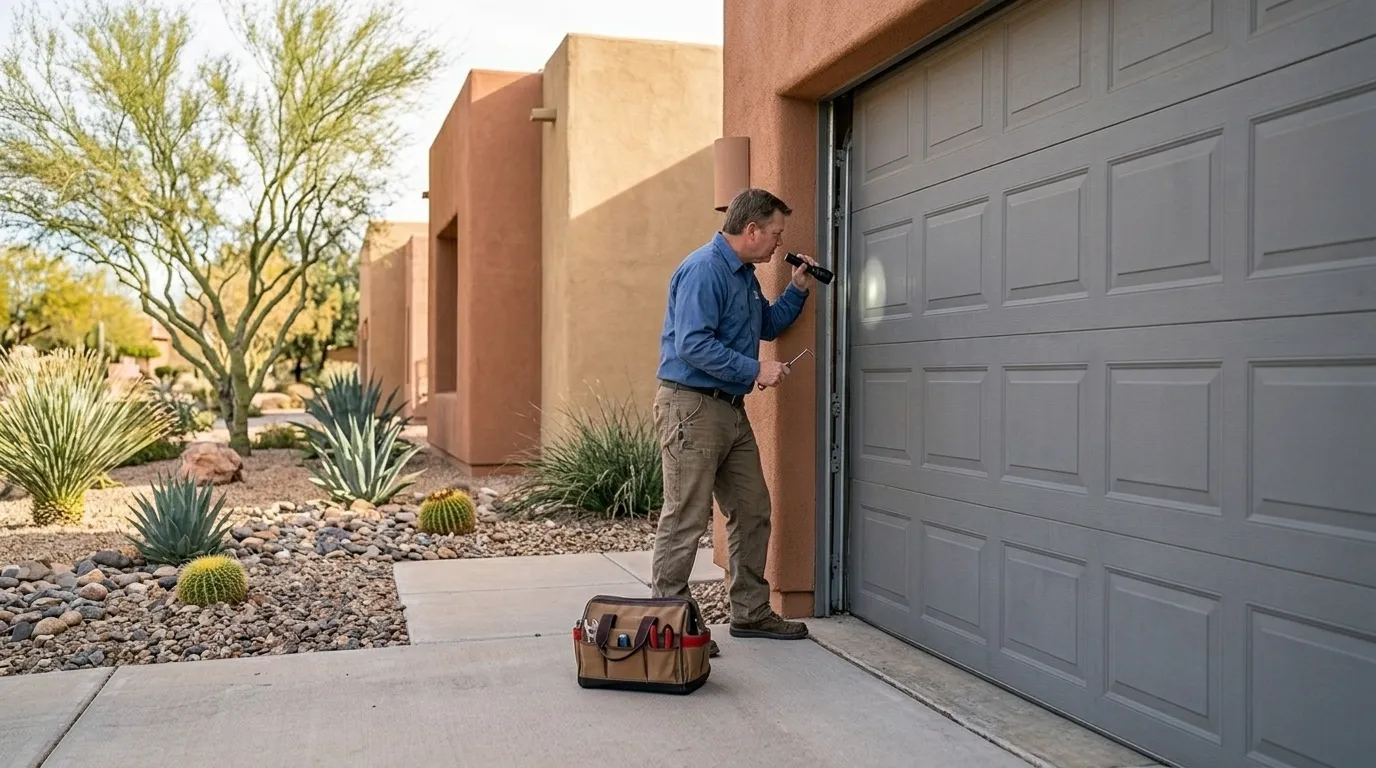
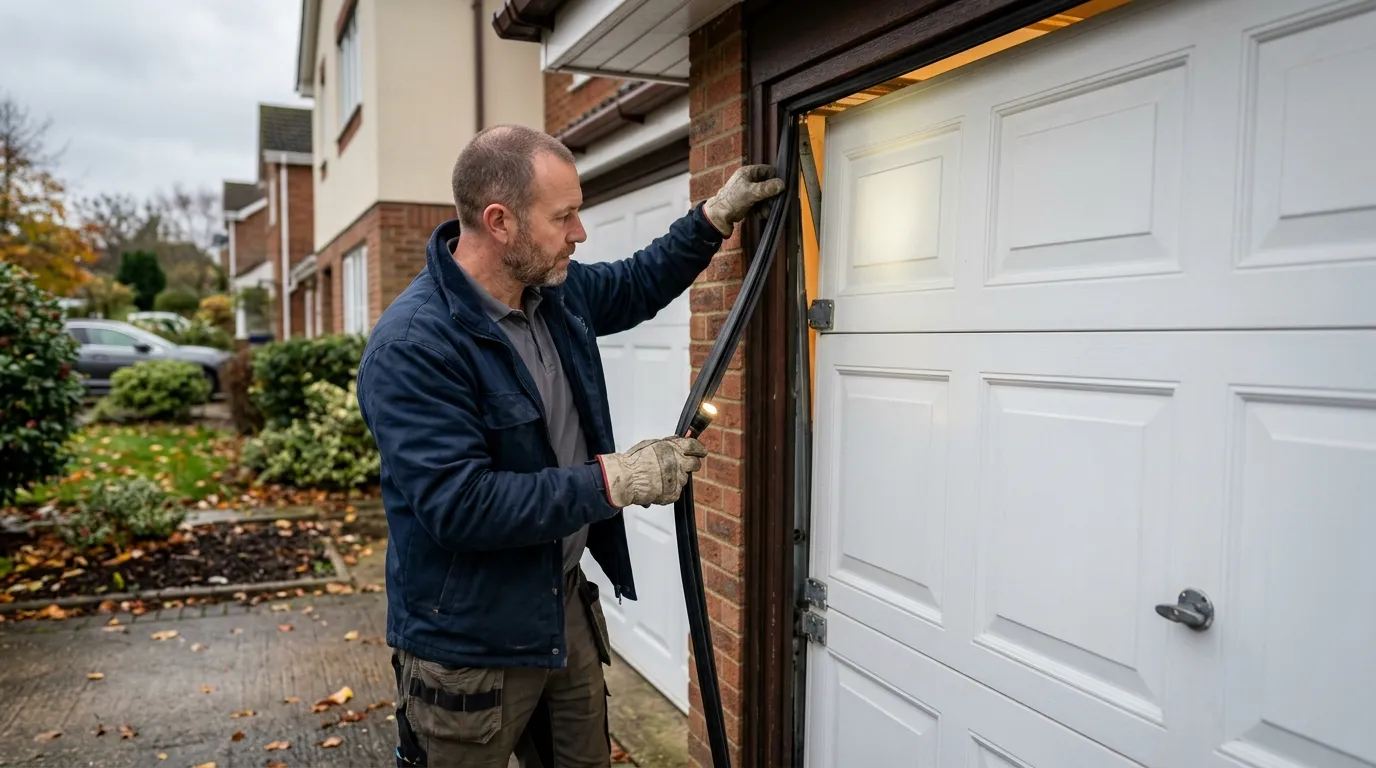
We don't keep a stock room in Pleasant Ridge. We're based in Rochester Hills, 13 miles out, and every job here means loading the truck before we load anything else. That changes what makes sense to take on. If a door's wood jamb has rotted past the point of holding new hardware, or a 1938-era frame has shifted enough that squaring it costs more than a new opening, we'll tell you that instead of billing hours to chase it. We also won't try to source exact-match hardware for some of the oldest single-panel doors still hanging on original tracks in this area - some of those parts stopped being made decades ago, and a repair that pretends otherwise is a repair you'll pay for twice. When that's the situation, we say so up front and talk about what a straight replacement actually costs, not what sounds better on a work order. It's a small area, income here runs well above the wider service area's $84,862 median, and that buys options - but it doesn't change what a warped 85-year-old jamb can and can't hold.
This Area's Housing
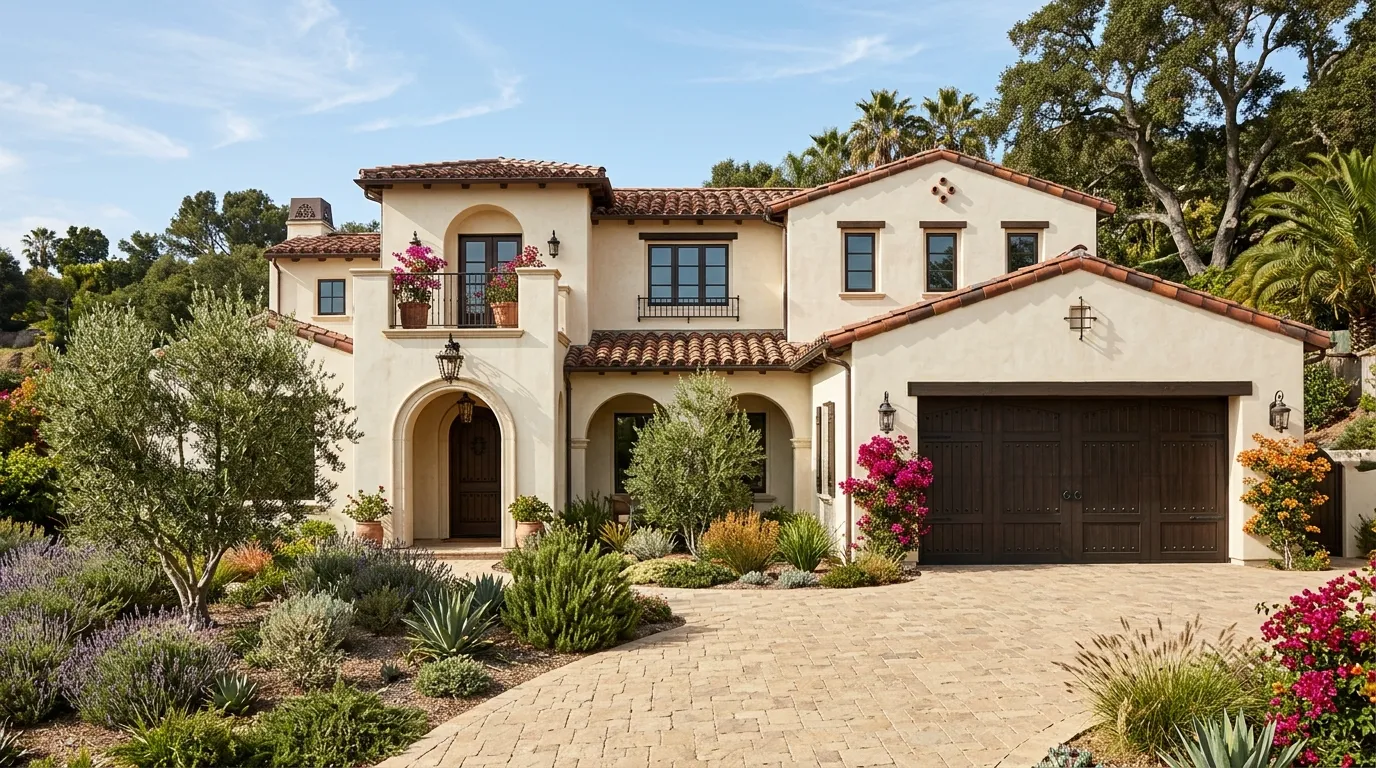
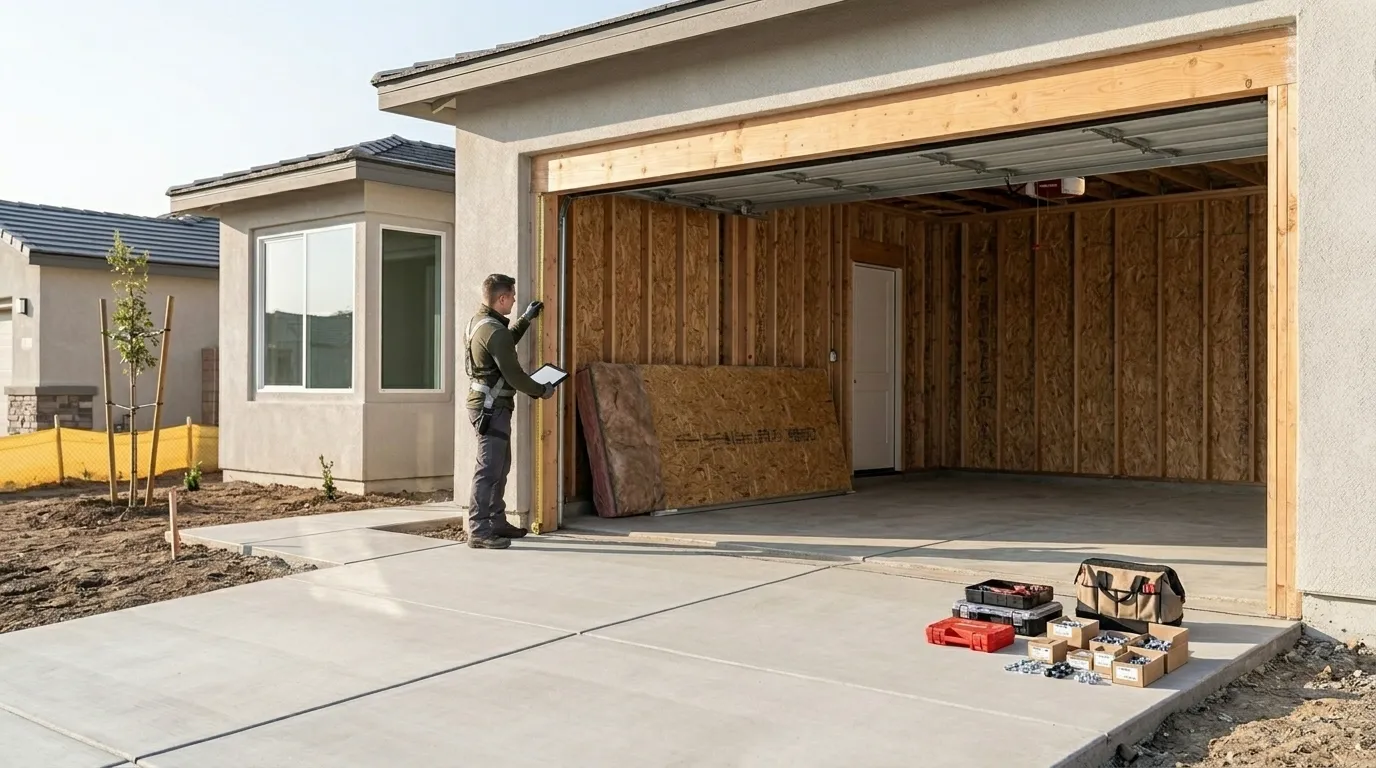
Pleasant Ridge's housing dates to a median build year of 1938 - a full generation older than the 1960 median across the broader area we cover. With 1,173 households packed into a small footprint, this is one of the older, denser pockets we drive to from Rochester Hills, and it reads differently than the postwar subdivisions that make up most of the 233,489 households across our territory. A median household income of $161,058 here is nearly double the service-area figure of $84,862, and it shows in the upkeep - a lot of these garages have been re-sided, re-roofed, and had openers swapped more than once. What hasn't always been touched is the structural side: the header, the jamb, the width of the opening itself. Those were built to 1938 dimensions and 1938 hardware standards, and updating the door skin doesn't update the bones behind it. That gap between a modern door face and an original-width, original-framed opening is the thing we look for first on almost every call here.
Old Streets and New Ones
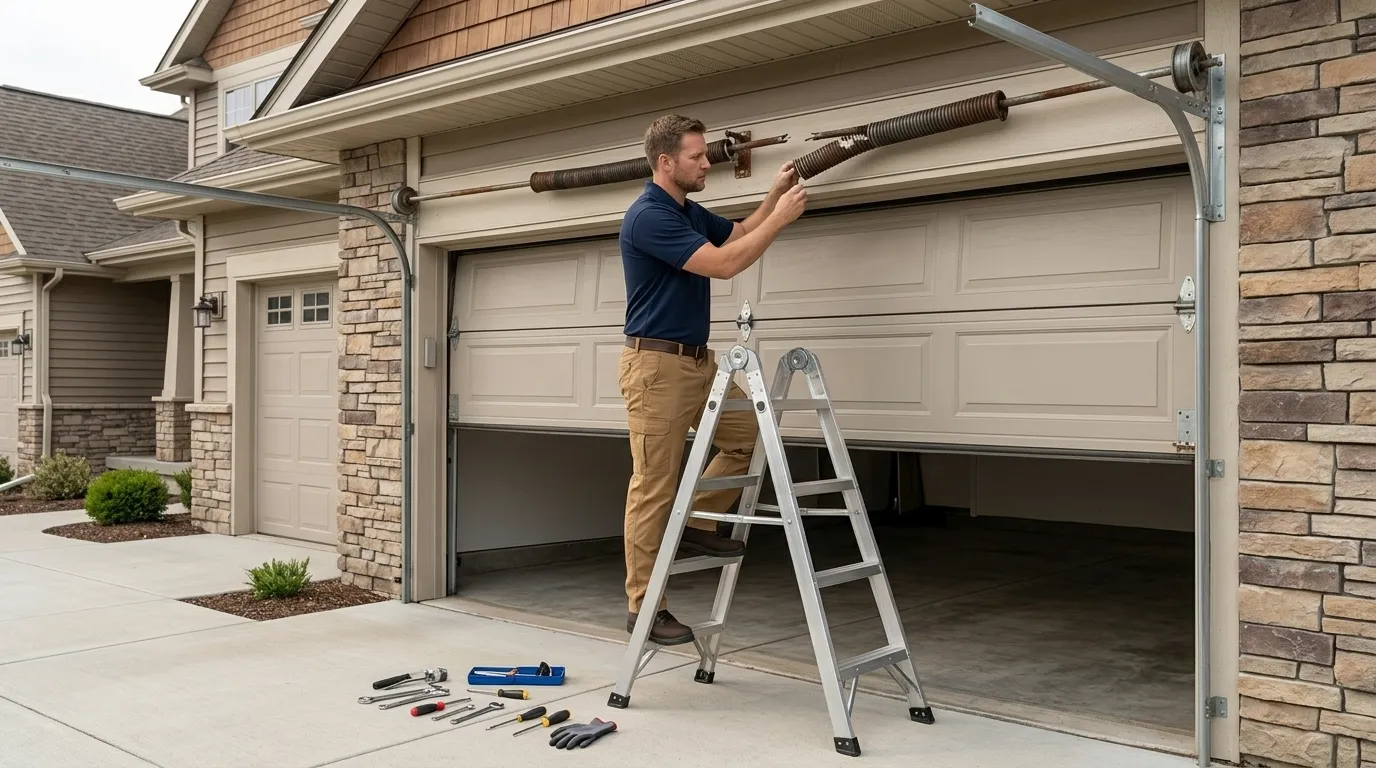
Not every block here dates to 1938 - the area sits inside a service territory where builds run anywhere from 1938 up to 2002, so a street of original construction can back right up to a driveway with a door and opener installed in the last twenty years. That mix matters on a call: we can't assume the house next door tells us anything about the one we're standing in front of. Being 13 miles from our Rochester Hills base means we plan the trip once we know which era of door we're walking into, not after. Neighboring communities we also reach - Huntington Woods and Berkley among them - carry similar pockets of older construction sitting next to newer infill, so the pattern isn't unique to one street here. What's consistent is that a homeowner on an older lot is more likely calling about a door that predates the opener bolted to it, while a homeowner a few doors down is asking about something installed within the last decade acting up for the first time.