What We Will Not Take On
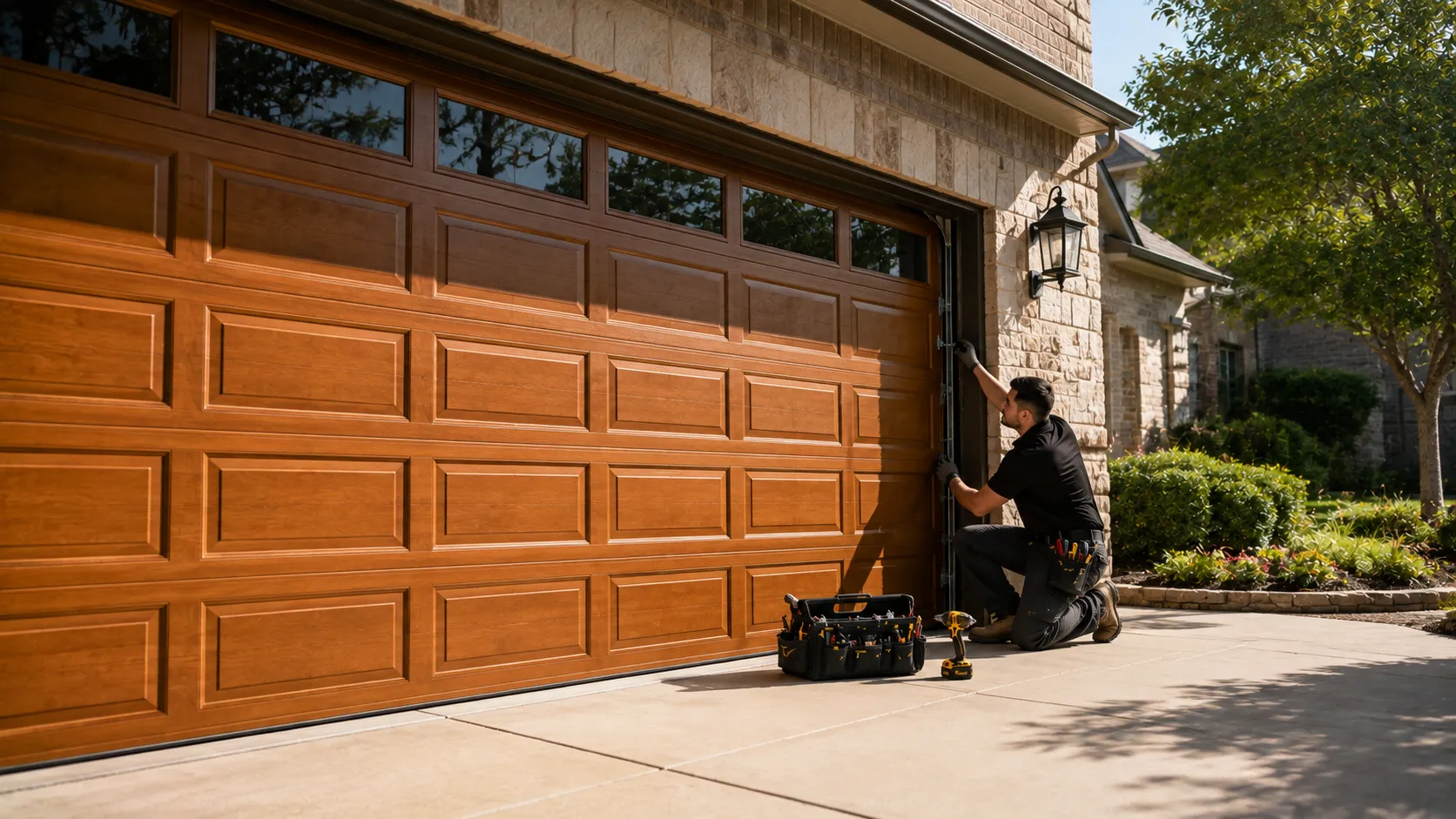
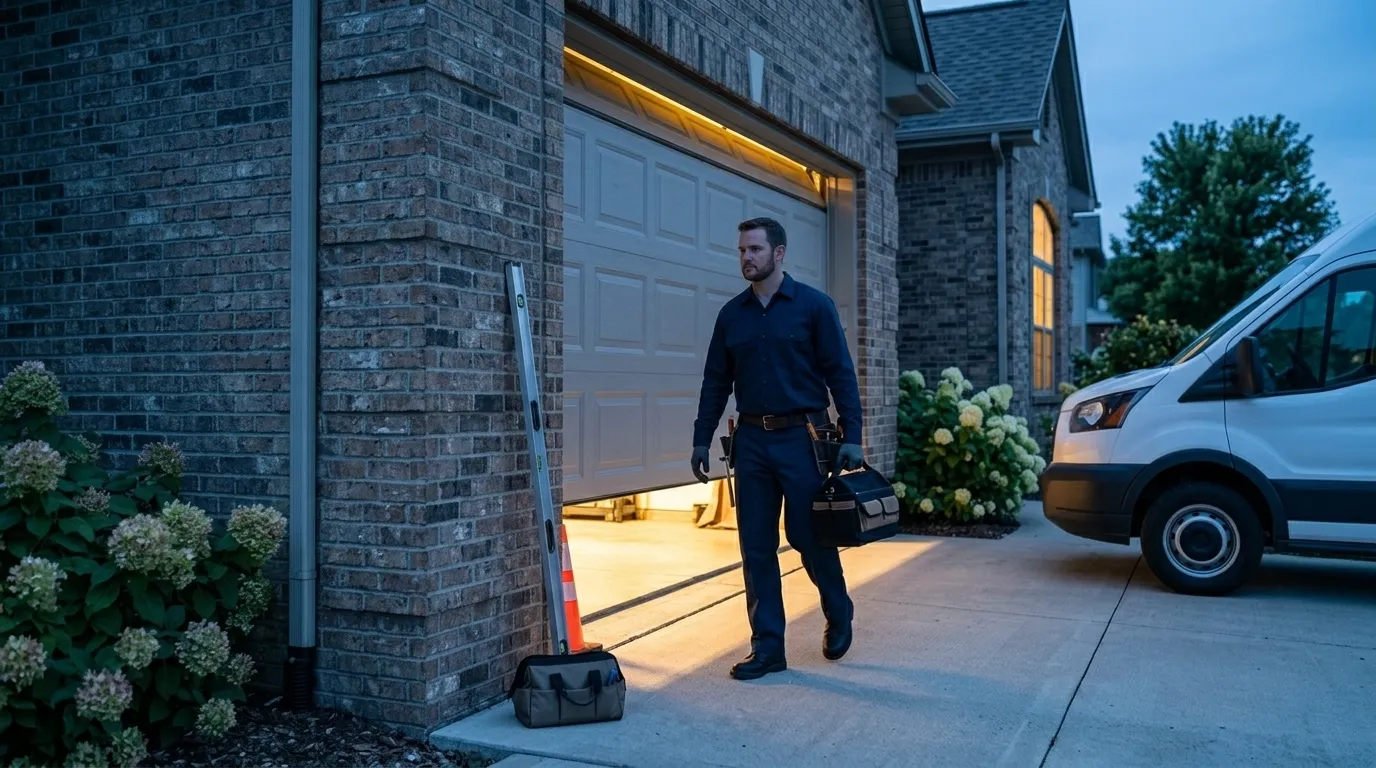
We work out of Rochester Hills, about 3 miles from Rochester, and we're upfront that we don't keep a depot or a standing crew sitting in town waiting for calls. If you need a door looked at, a truck comes from Rochester Hills to you, same as it does for the other 42 named areas we cover.
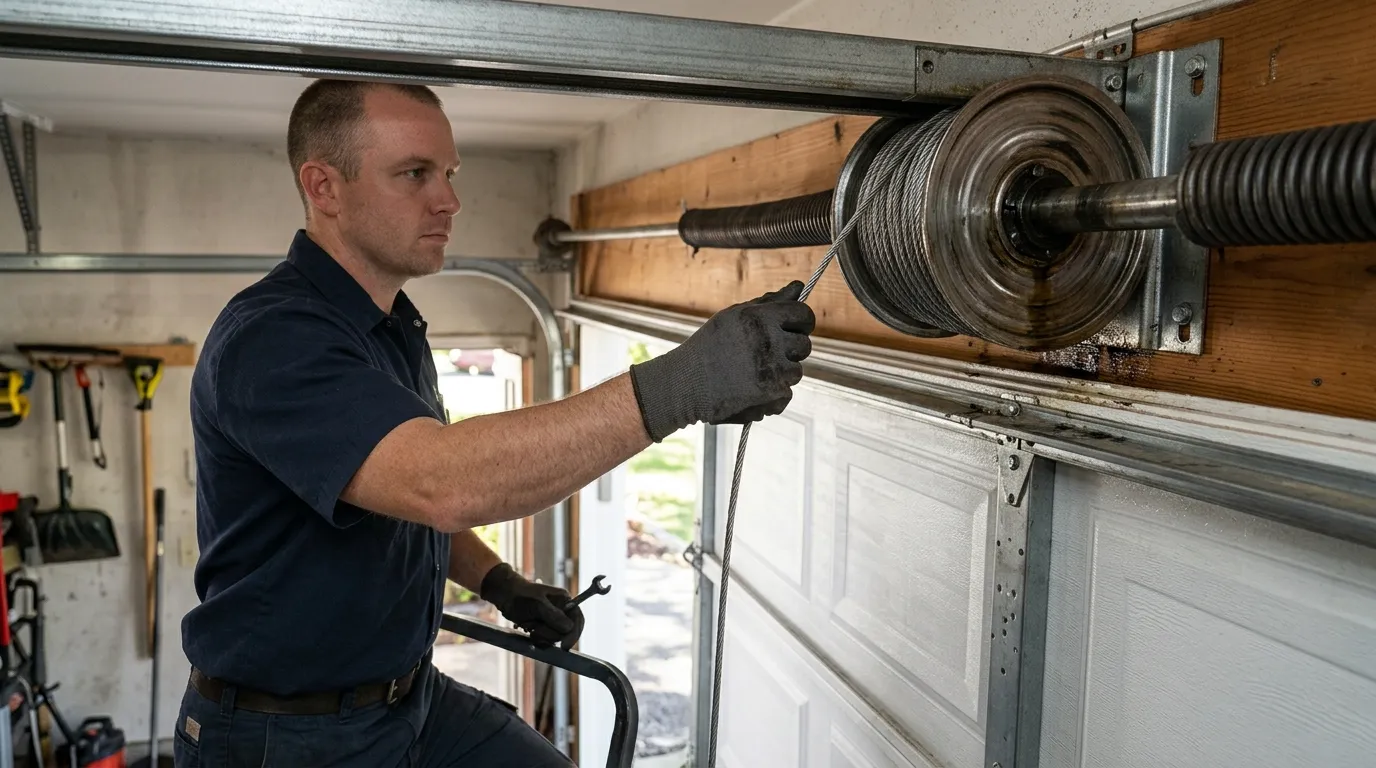
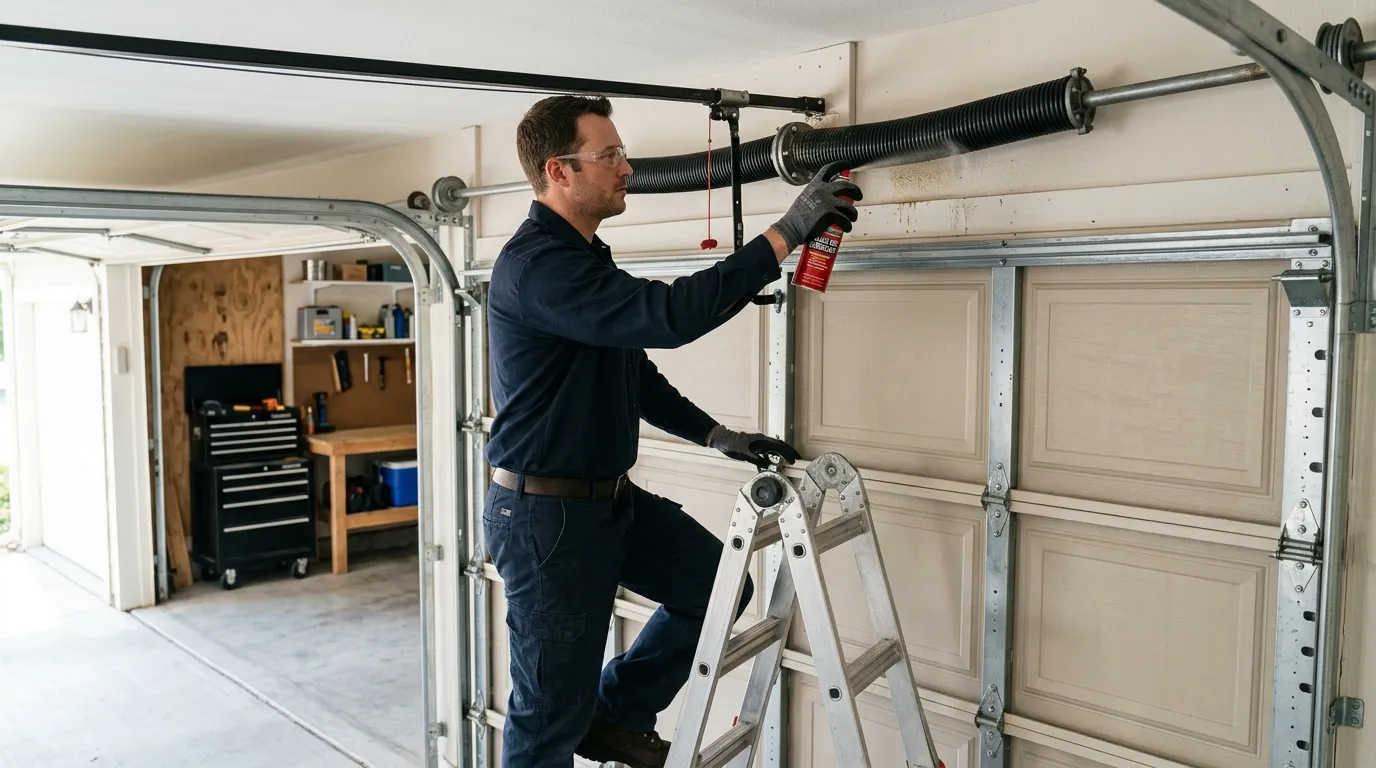
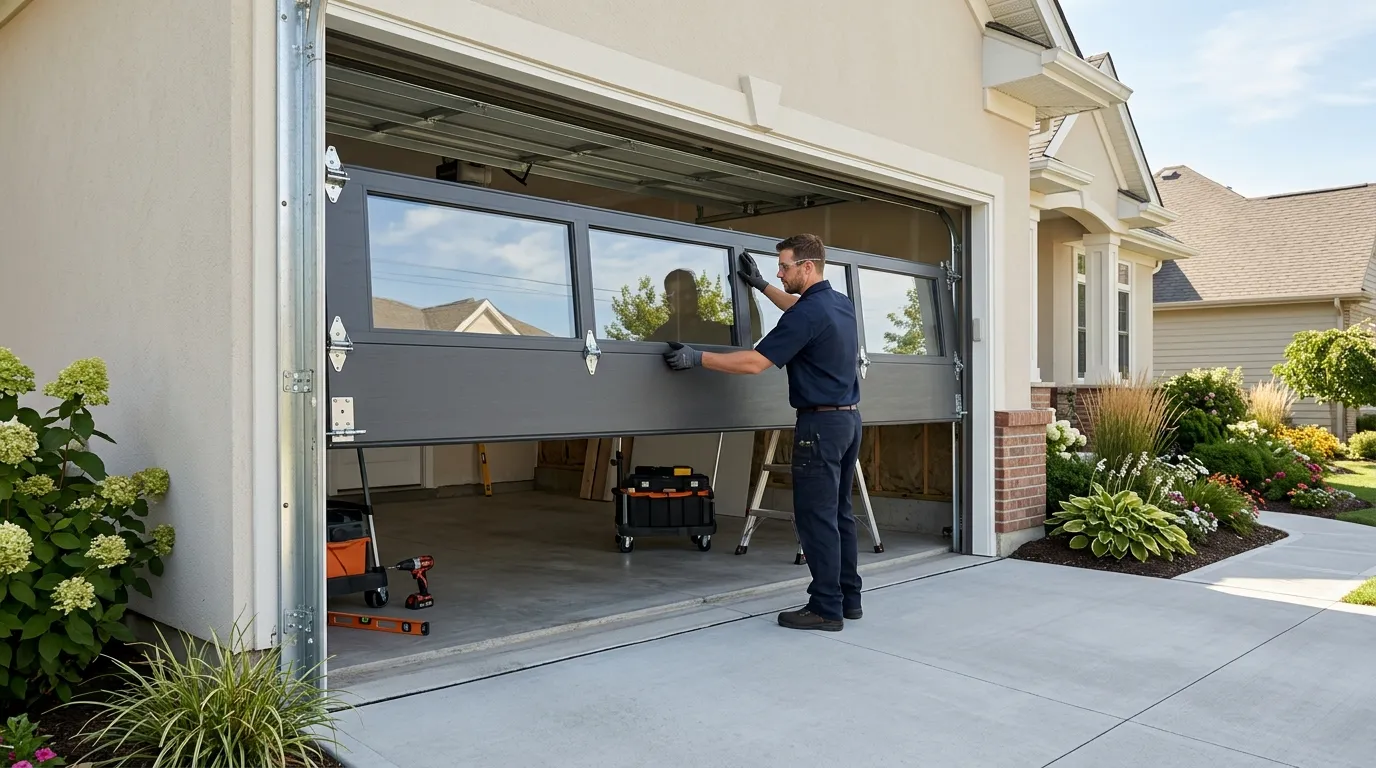
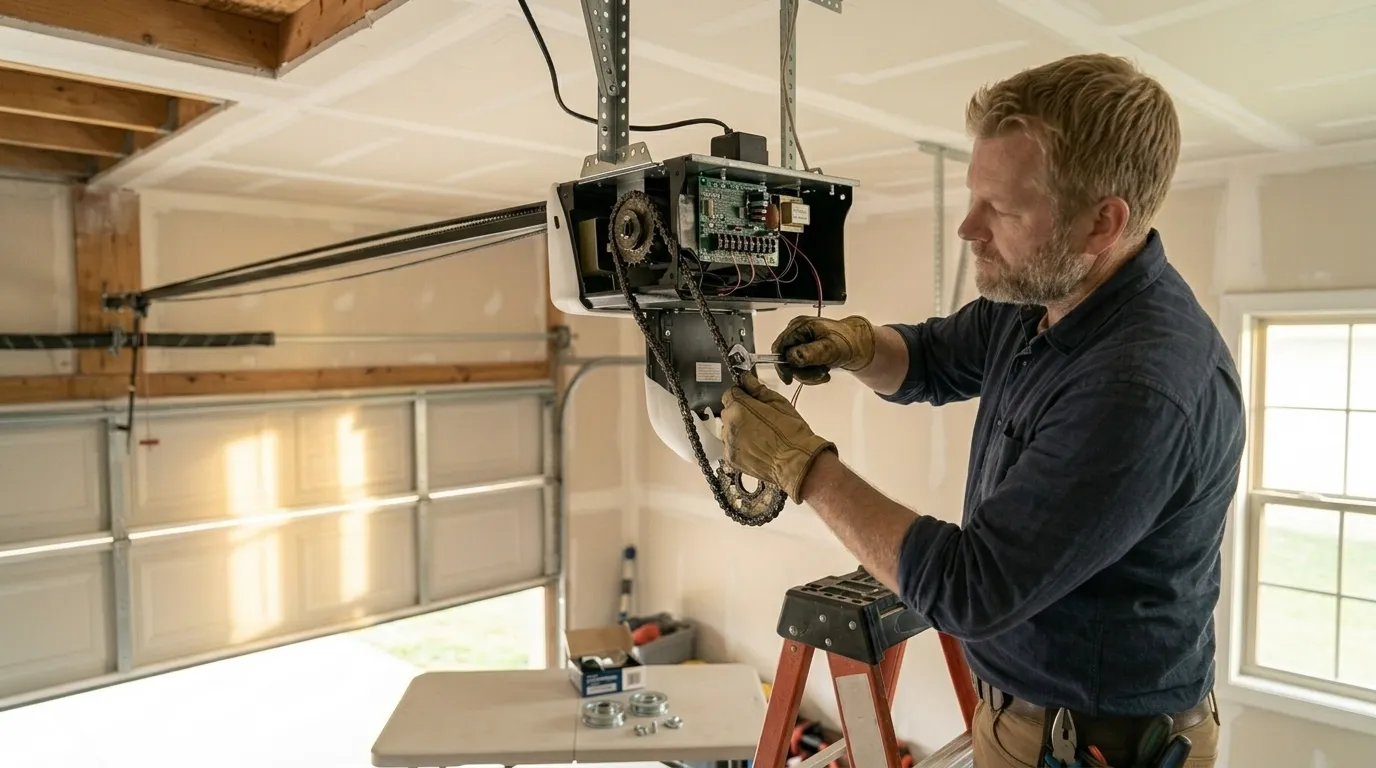
We also won't tell you a 1982-era steel door with a dead opener board is worth patching if the panel is racked or the track is bent past pulling straight. On a door this age, the opener is usually the failure point, not the door itself, and we'll say so rather than sell you parts you don't need.
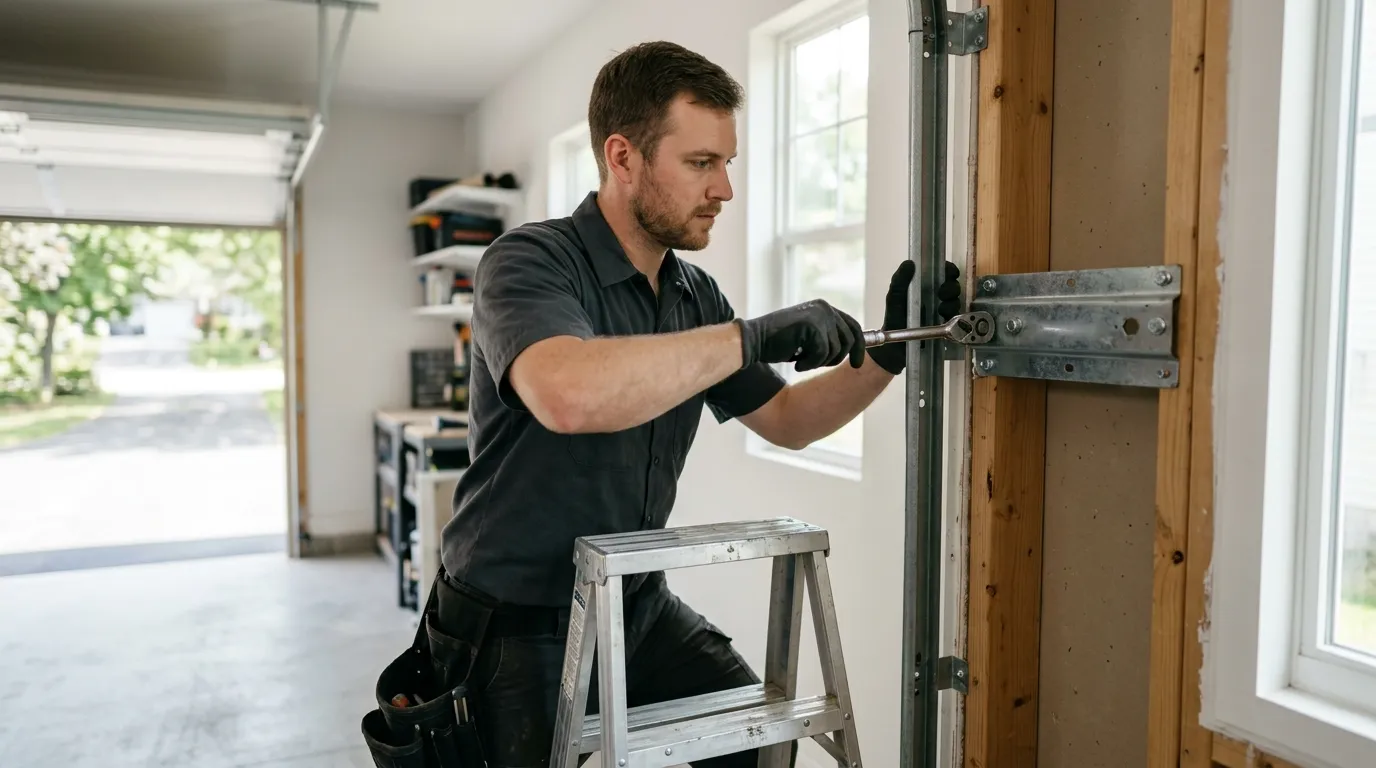
What we don't do: we don't stock exotic wood-composite panels for custom builds, and if your door needs a special-order size, that's a manufacturer lead time issue, not something we can rush. We'll tell you the wait up front instead of guessing.
This Area's Housing
Rochester's housing runs newer than most of the ground we cover. The median year built here is around 1982, a good two decades past the 1960 median for the wider Rochester Hills service area, where most stock dates to the 1960s and 70s. That gap matters more than it sounds like it should.
With about 5,570 households in this area and a median household income near $104,920 - well above the $84,862 median across the full 233,489-household service area - you're looking at a different build quality baseline: better framing tolerances, more double-car garages, more openers installed at construction rather than bolted on ten years later.
The area still sits in the same cold-climate band as everywhere else we work, so winter is winter regardless of when the house went up. But the doors themselves came out of a different decade of manufacturing than what we see closer to the older pockets of the territory.
Old Streets and New Ones
Because Rochester sits close in - about 3 miles from Rochester Hills - it's easy to lump it in with the older core of the service area. It doesn't fit that mold. The build years run later, the incomes run higher, and the doors on the street reflect a different manufacturing generation than what you'd find in the areas that anchor the 1960 median for the wider territory.
We don't have a breakdown of exactly which blocks in Rochester date earlier versus later, so we're not going to pretend every driveway matches the 1982 median precisely - some streets will run older, some newer. What we can tell you is that the area as a whole trends newer than the territory median, and that's the number we go by when we talk about what's likely wrong with your door before a truck ever gets there.