What We Will Not Take On
We're honest about the drive. Romeo sits 13 miles out from our Rochester Hills base, which means we don't treat it as a same-day emergency stop the way we do closer areas. If your spring snaps at 7am and you need a truck in twenty minutes, we're not that call. We schedule Romeo jobs, and we tell you that up front rather than promise a window we can't hit.
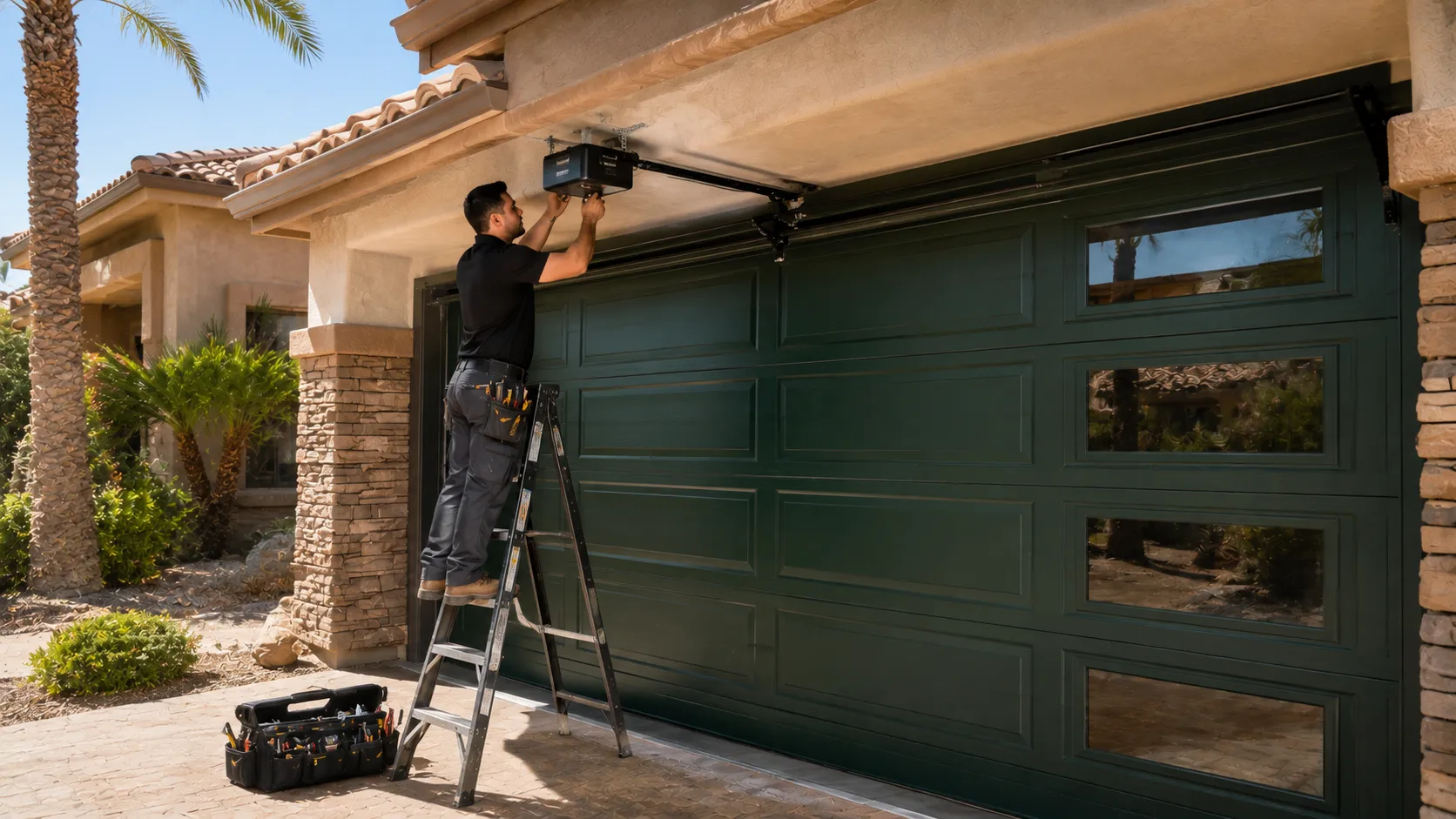
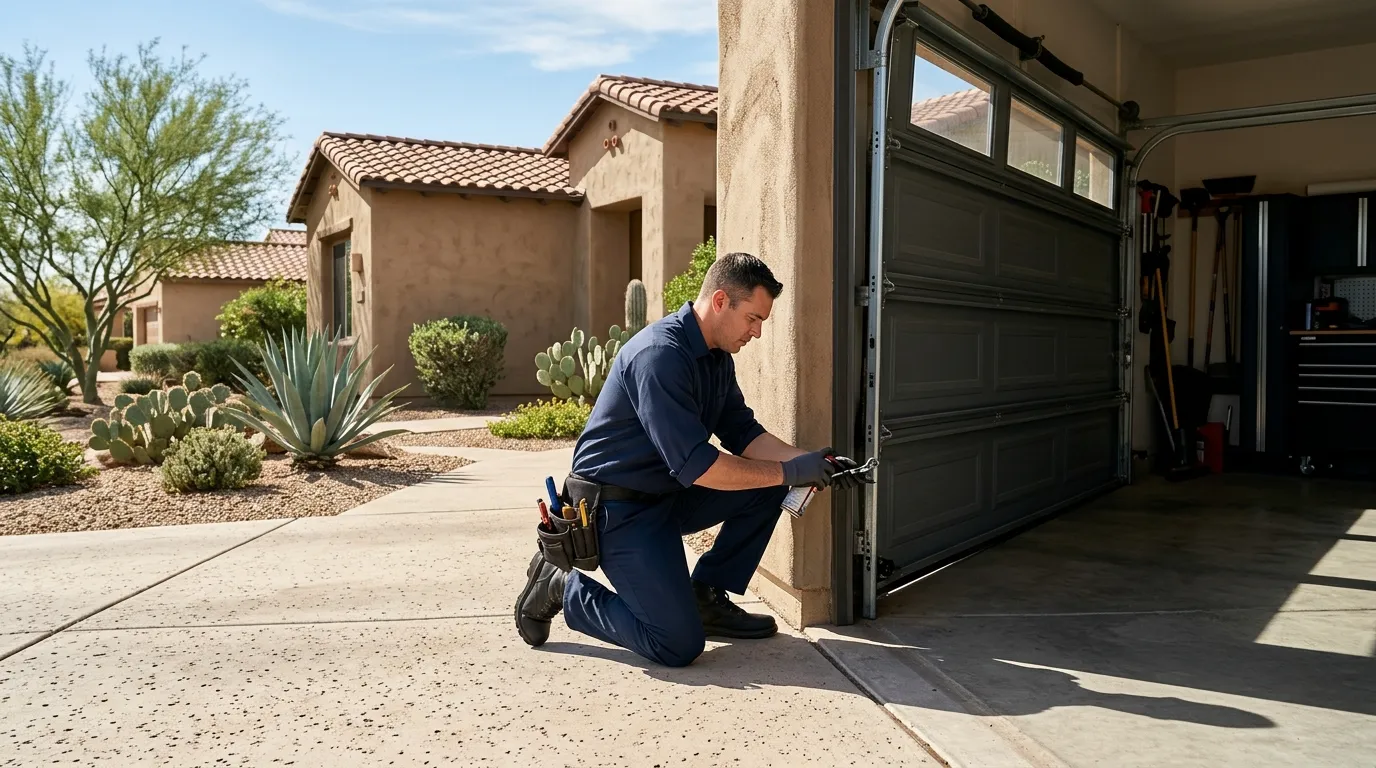
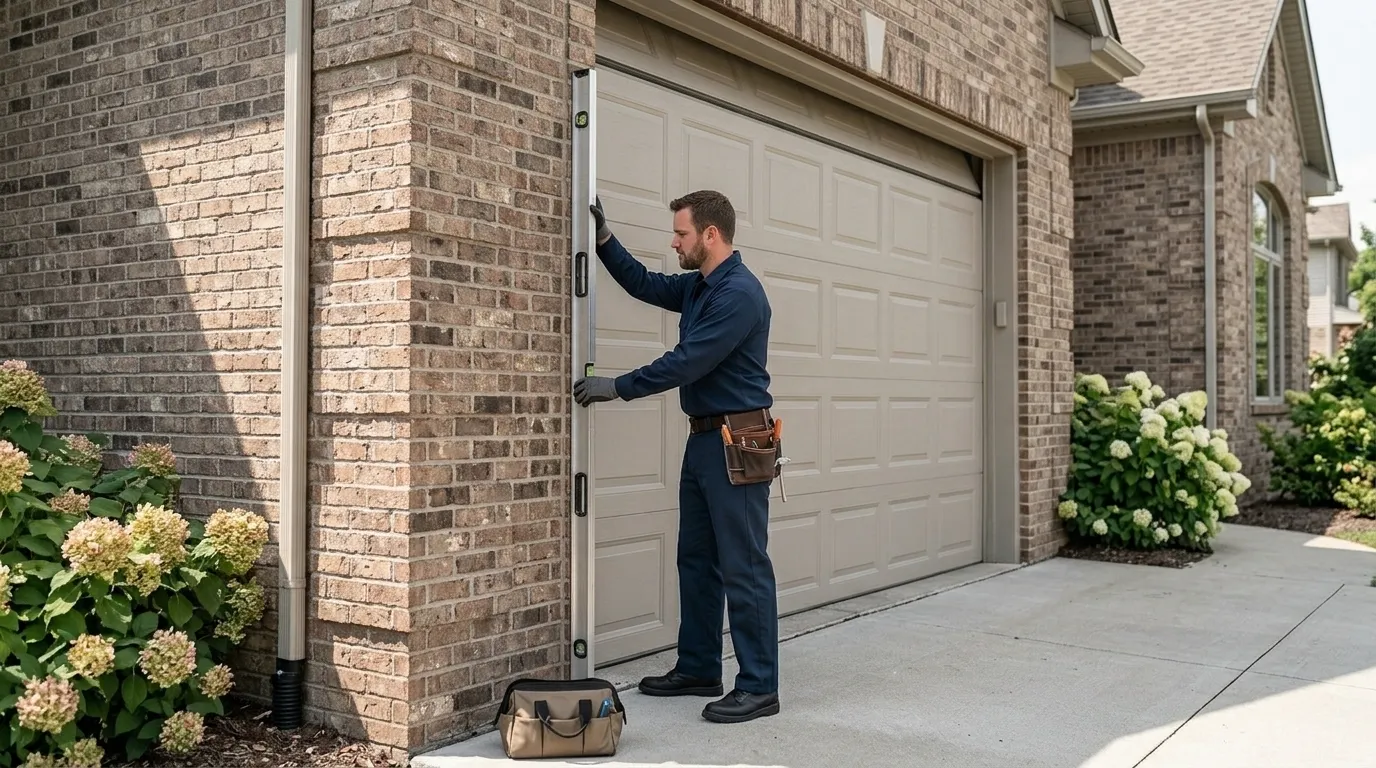
We also won't quote a full door replacement over the phone sight unseen. A door that's original to a 1960s build often has jamb rot, non-standard track spacing, or a header that's shifted over sixty years, and none of that shows up in a photo text. We need to put hands on the opener rail and the track before we say what it costs.
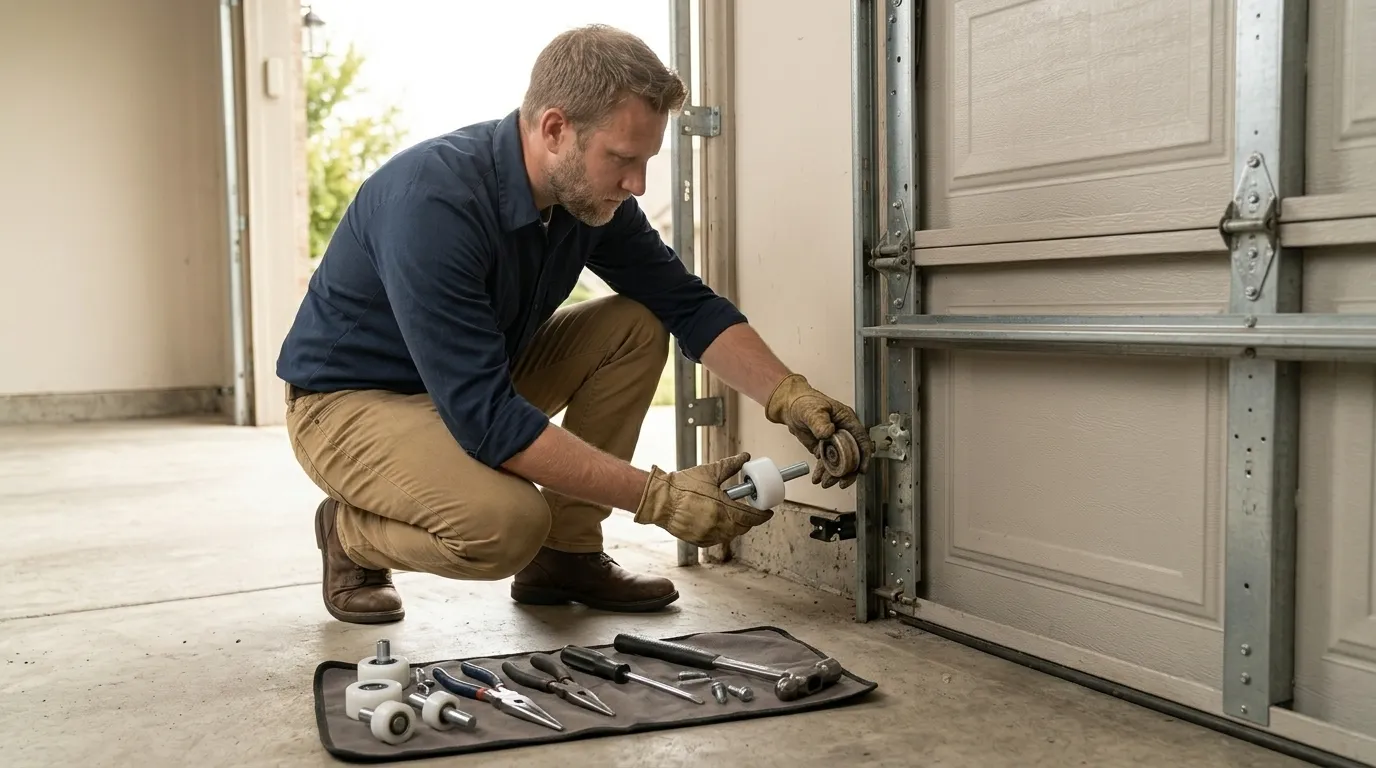
Last thing: if your torsion spring is original hardware from the build era, we're not going to sell you a matched replacement spring alone. Steel fatigues past its rated cycle count long before the door looks worn, and pairing a fresh spring with decades-old cable and drums is how you get a second call in a year. We'll say so, even if it's a smaller ticket for us.
This Area's Housing
Romeo's housing runs older than the broader service area. Where the wider region centers on a median build year of 1960, homes here median out around 1967, and the households are fewer and tighter-knit than the sprawl closer to Rochester Hills - 1,776 households, median income $73,500, both notably below the service-area figures of 233,489 households and $84,862 median income. That gap matters for what people spend on a door: fewer of these jobs are full teardown-and-replace, more are targeted repair.
A home built in the mid-to-late 1960s in this part of Michigan usually got a single-layer steel or wood door on a torsion system sized for a lighter panel than what's sold today. Insulation, if there is any, is thin by current standards. Openers were added later in most cases, often retrofitted onto hardware that predates them by a decade or more.
The practical upshot: garages here weren't built expecting a heavy insulated door or a modern belt-drive opener pulling against original track brackets. When we get called out, a good share of the work is bringing 1960s bones up to what a 2020s opener actually needs, not just swapping a broken part for an identical one.
Old Streets and New Ones
Not every garage door in Romeo dates to the 1960s. There's a mix here - original builds sitting next to homes that were rebuilt or added onto over the decades, with newer doors and openers grafted onto older garage structures. That mix means we can't assume the same fault on every call even within a few blocks of each other.
What we do assume, and check first, is the framing age. A newer door on an older frame still inherits the old jamb's settling and the old track's mounting points, even if the panel itself is only a few years old. So the diagnosis starts with the structure, not the door model.
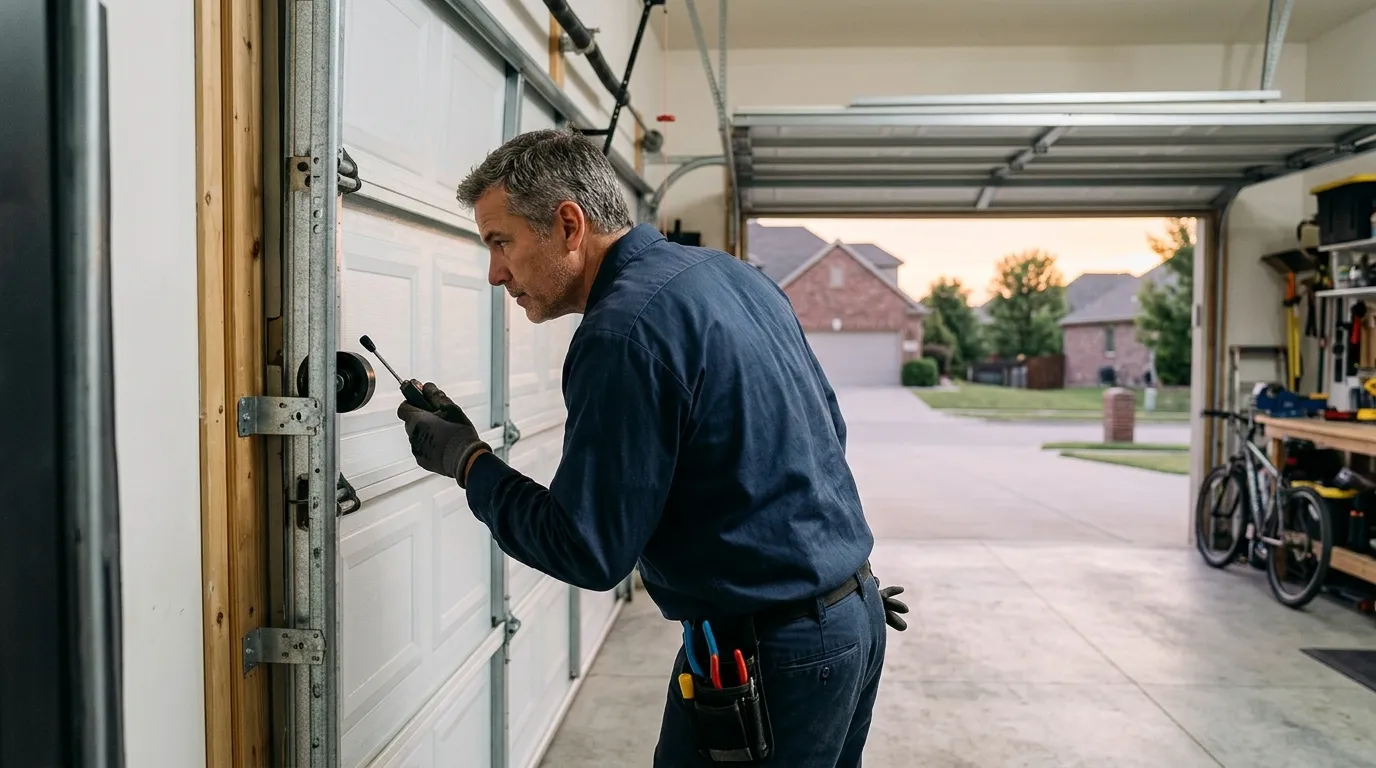
For homeowners here, that means a second opinion is worth asking for if a quote jumps straight to "replace the whole unit." Sometimes that's right. Often, on a home from this era, the fix is re-securing the track to solid wood, correcting the header, or matching a spring to the door's actual weight rather than a generic size. We'd rather tell you which one it is than guess before we've seen the garage.