What We Will Not Take On
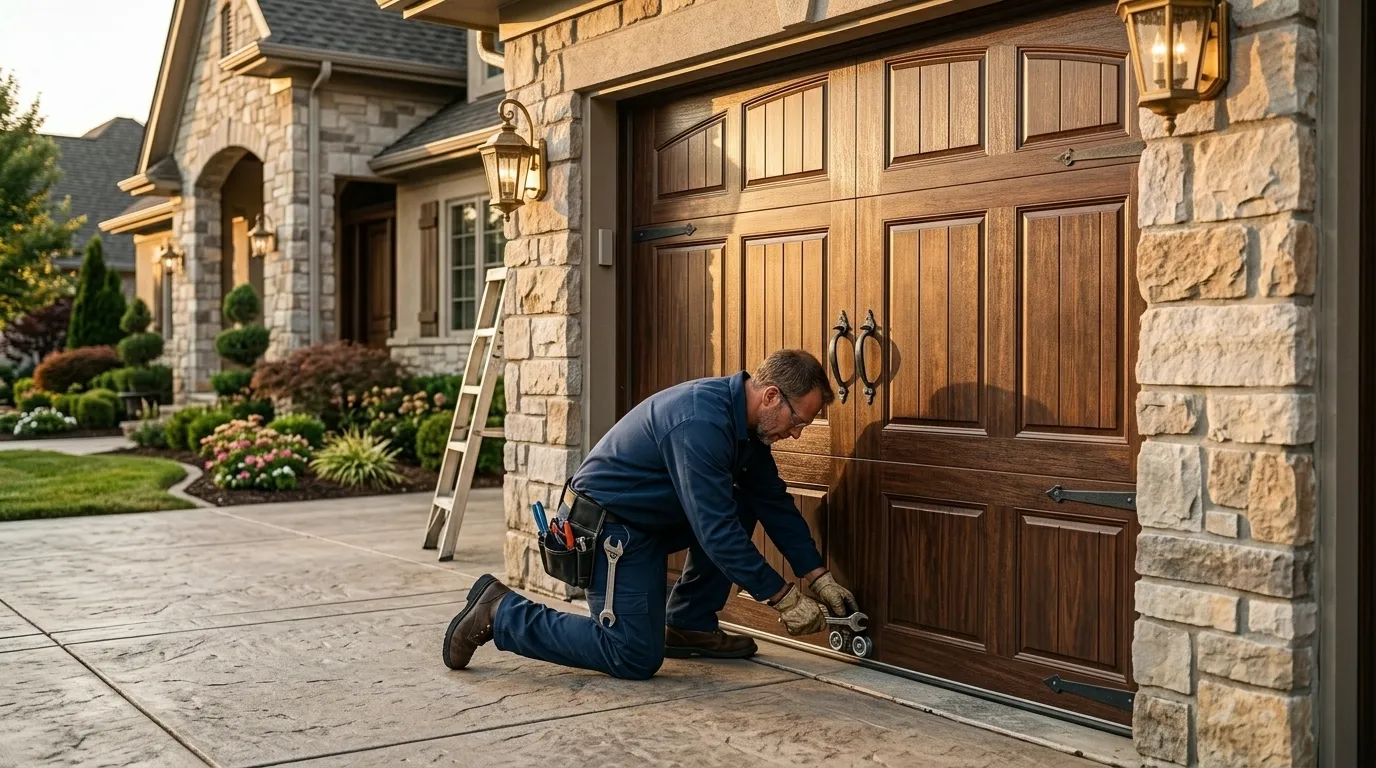
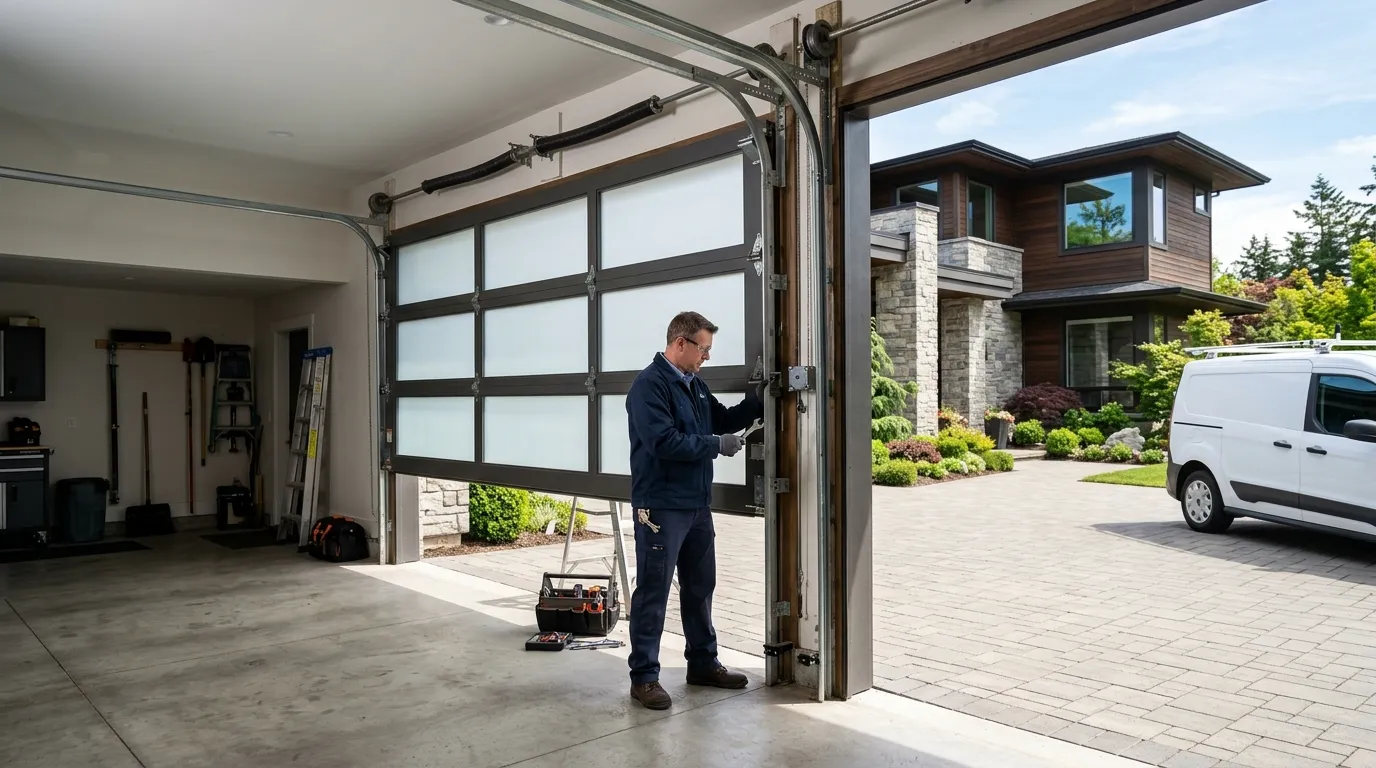
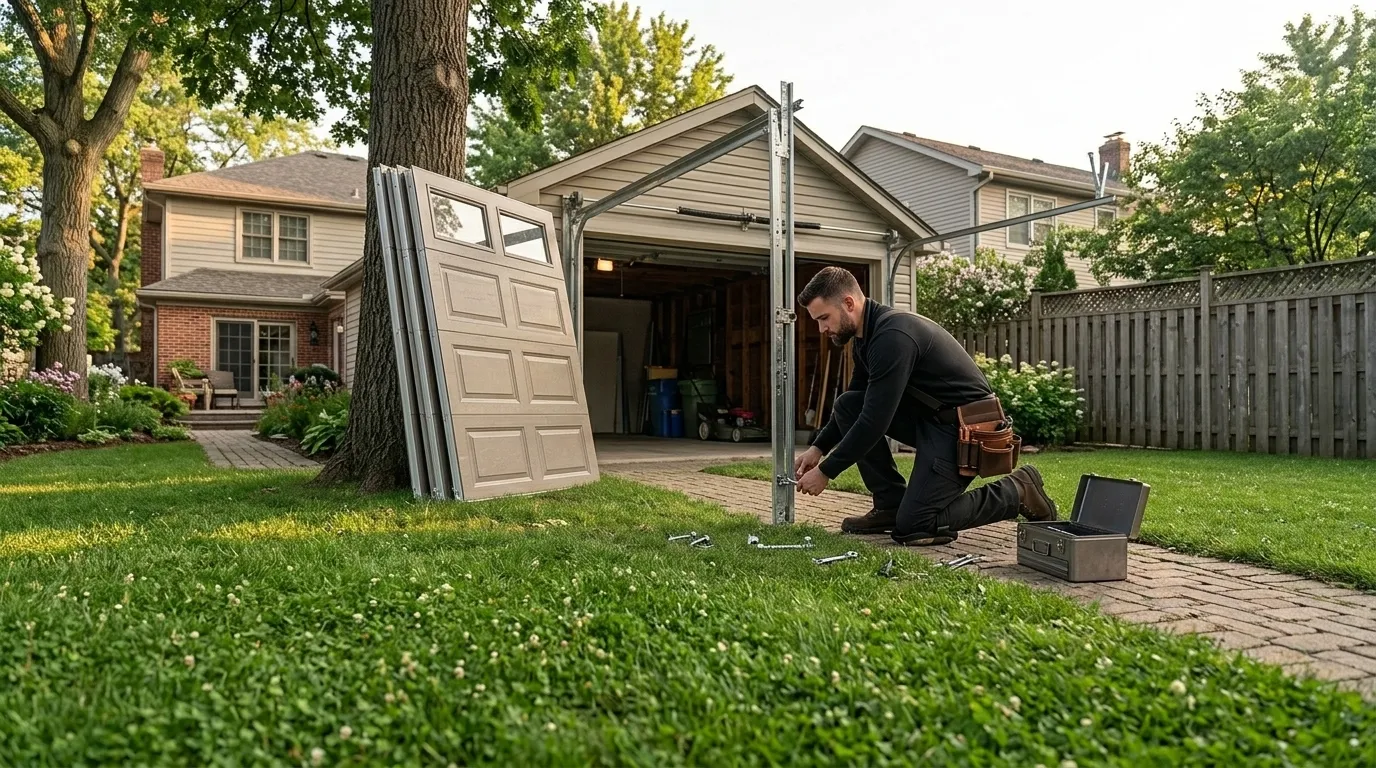
We run out of Rochester Hills, about 18 miles from St. Clair Shores, so we don't promise a same-hour arrival here the way we might closer to the shop. If your spring lets go at 6 a.m. and you need someone in your driveway in twenty minutes, we're not that call. We also won't quote a repair over the phone sight unseen on anything older than what we typically see in this area - a door built when Eisenhower was in office doesn't behave like a 2005 model, and guessing at parts over the phone wastes your money and our trip. What we will do is show up with the right stock for a house built around 1957, because that's what most of St. Clair Shores actually has, and tell you straight if a repair isn't worth it against replacement. If a door needs a part on a long lead time, we say so before we start, not after your car is stuck outside for a week.
This Area's Housing
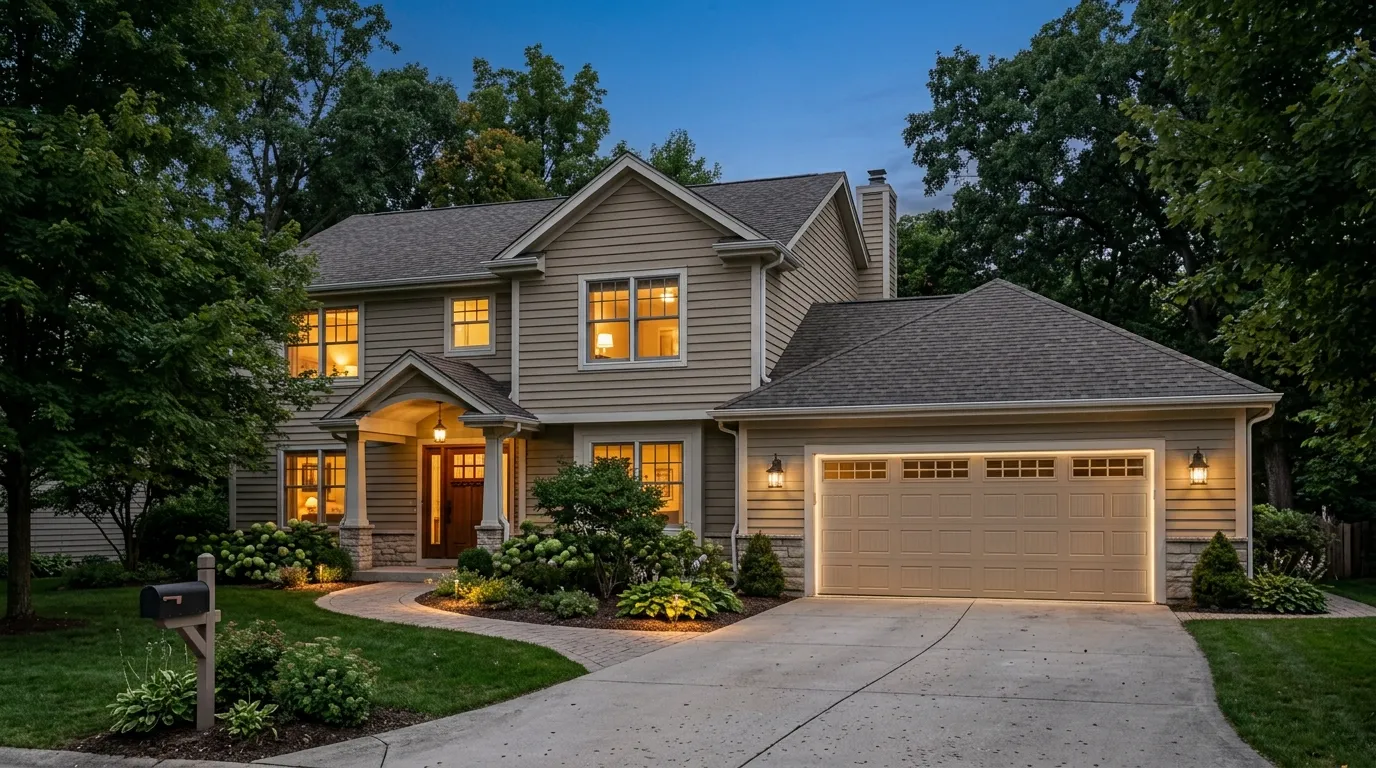
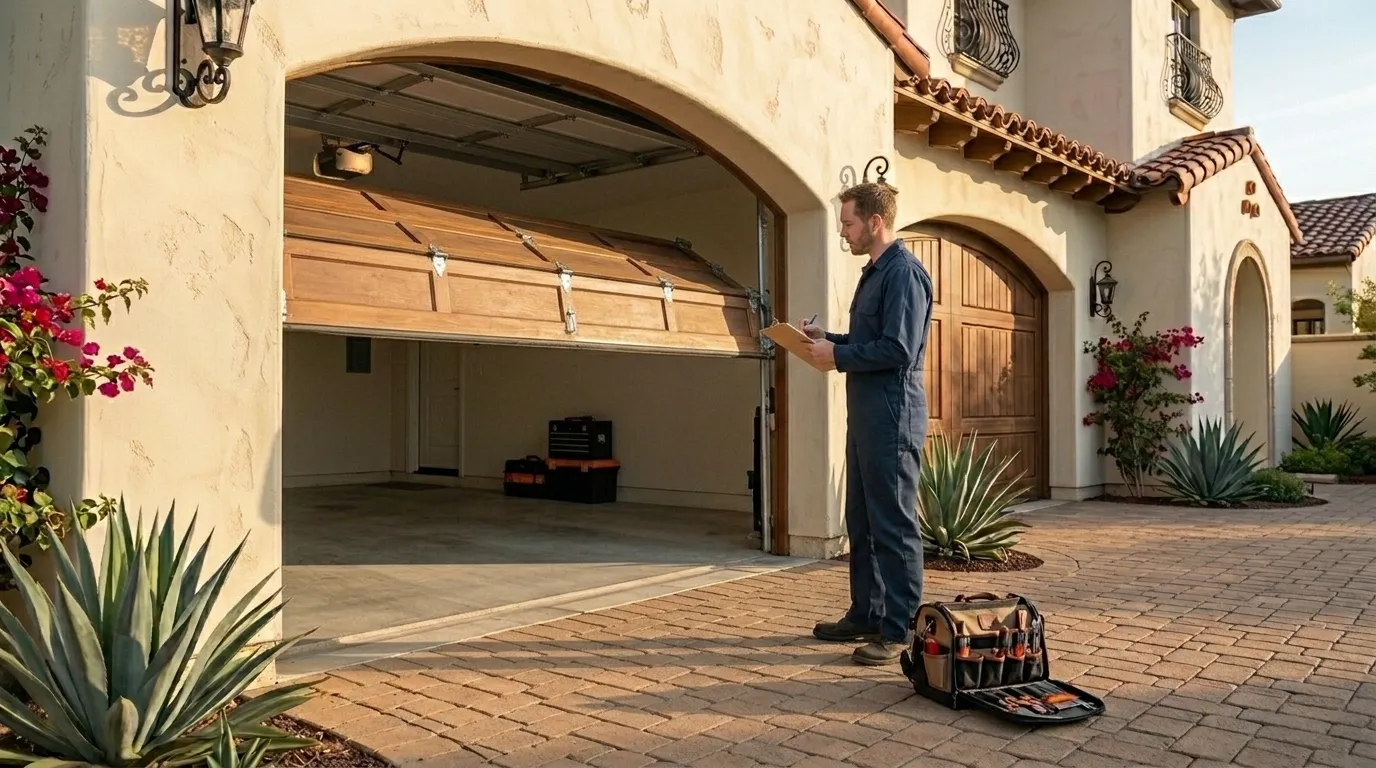
St. Clair Shores skews older than a lot of what we cover from Rochester Hills - the median build year here runs around 1957, a good deal earlier than the 1960 median across the wider service area. That extra decade matters. Houses from this era were framed before garage doors became a standard two-car, insulated unit; a lot of them started with single doors or narrow double bays that got widened or converted over the decades since. With 27,495 households in the area, you get a mix of original openings never touched since the Truman and Eisenhower years sitting next to garages that were rebuilt in the 80s or 90s when owners finally widened the bay or added an opener. Median household income here sits at $72,693, noticeably below the $84,862 median for the broader service area - which tends to mean more owners stretching a repair as far as it'll go before replacing outright, and fewer garages upgraded purely for looks. We work with that reality instead of pushing a full replacement when a repair will hold.
Old Streets and New Ones
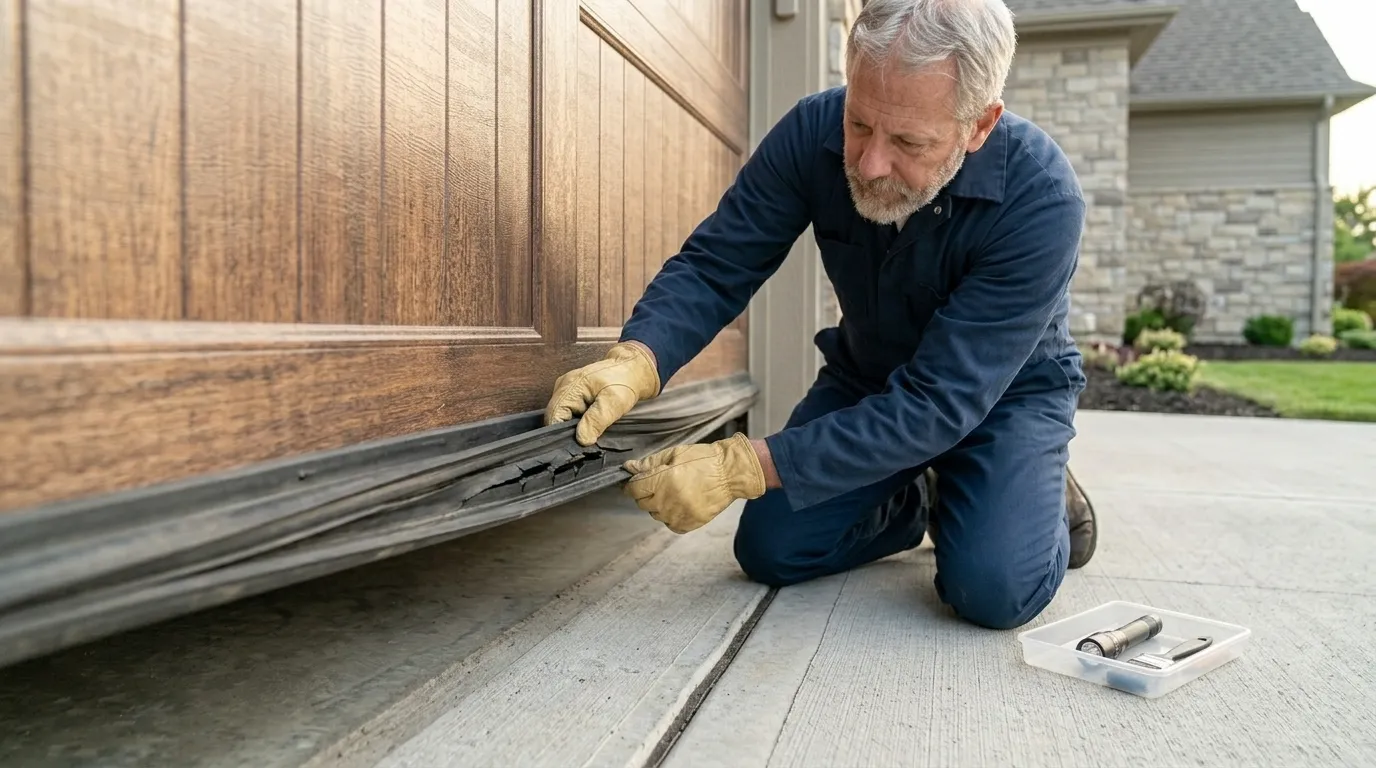
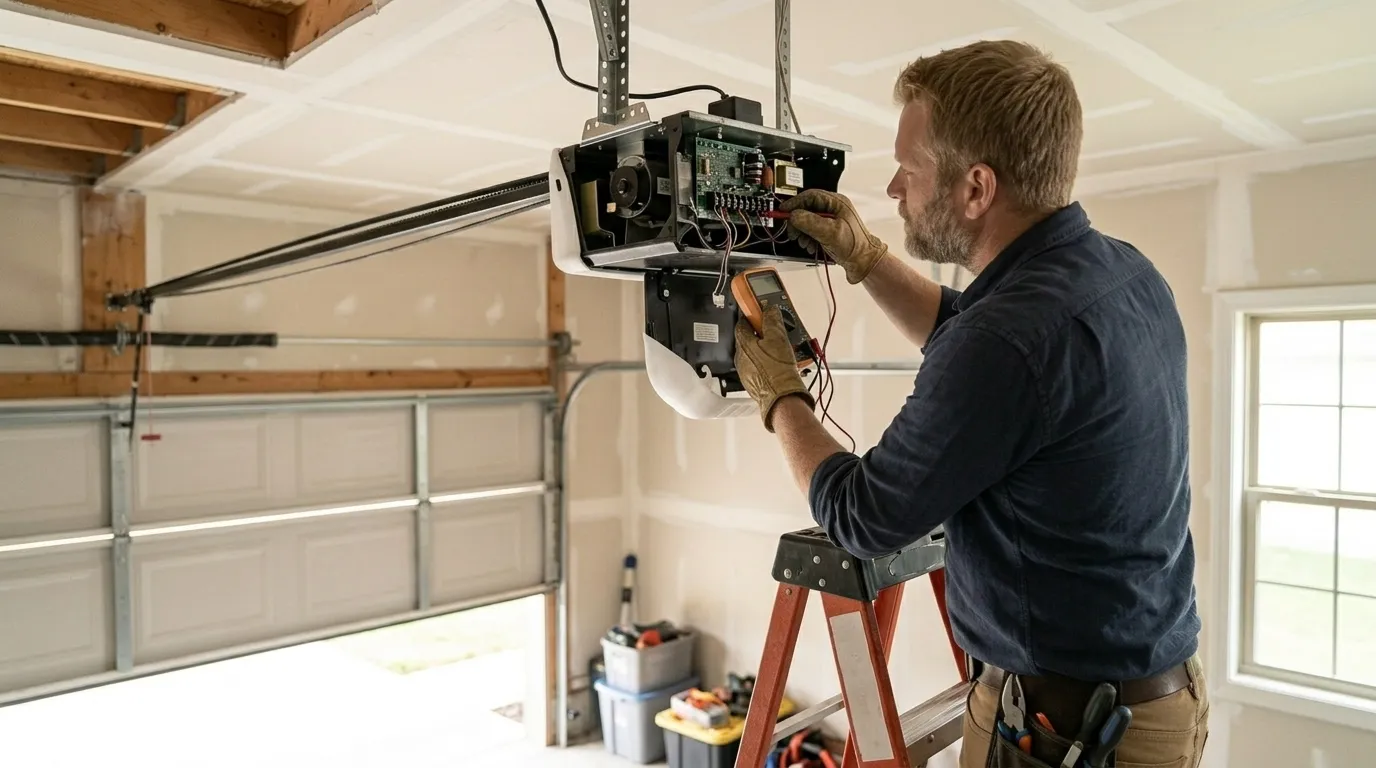
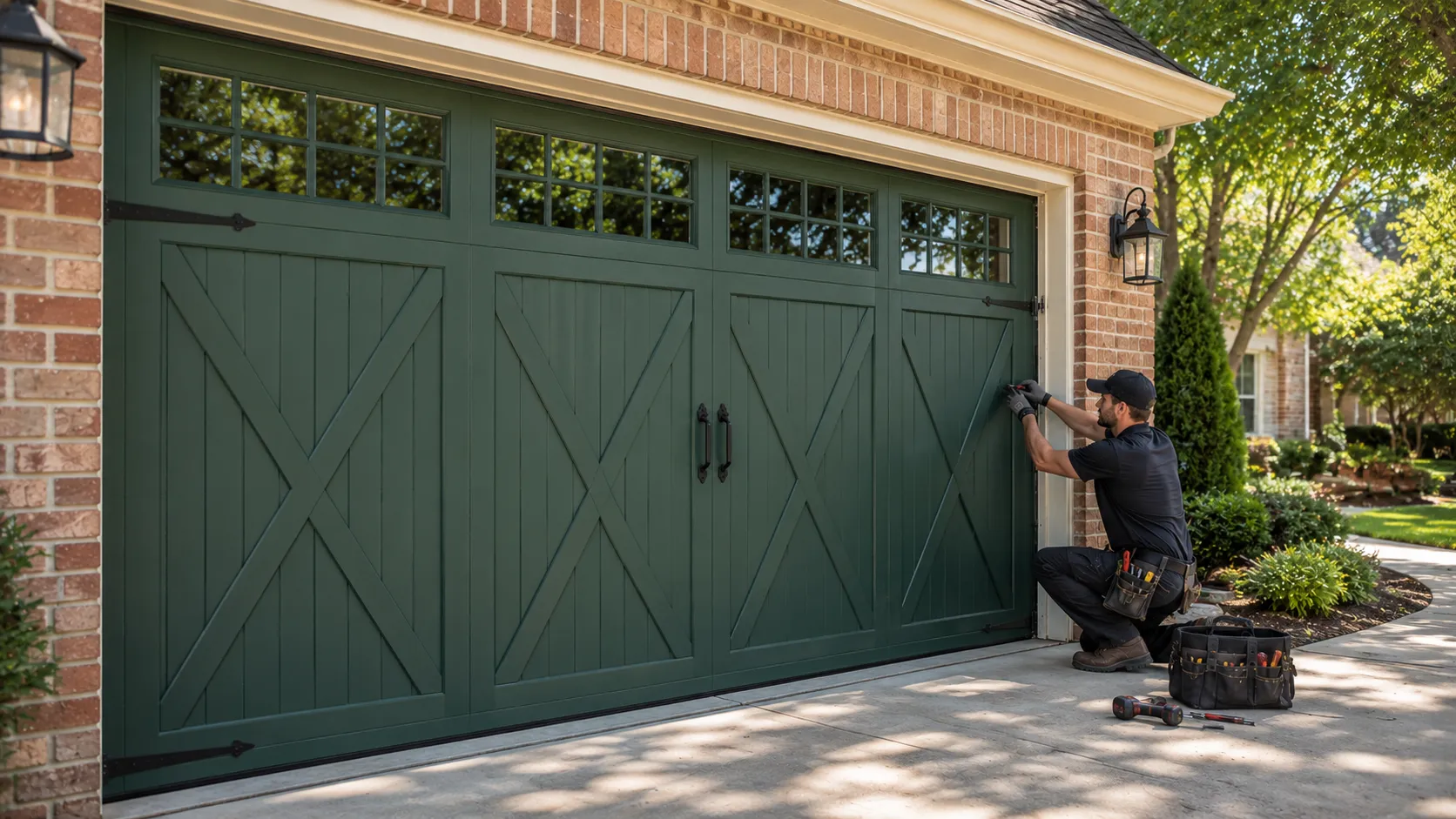
Not every garage in St. Clair Shores dates to the 1950s. Later infill and rebuilt garages sit alongside the original stock, and those newer bays behave more like the doors we see anywhere else in the area - sized correctly, insulated from the start, running on hardware built for the door already on it. The trouble spots are the untouched originals: a single-car opening that was never widened, still on its first-generation track, or a double bay where someone bolted on a heavier door thirty years ago and left the spring alone. When we come out from Rochester Hills, the first thing we check on an older St. Clair Shores garage isn't the opener - it's whether the spring and track were ever matched to the door that's actually hanging there. That mismatch, more than age alone, is what decides whether a repair holds or whether you're better off replacing the whole assembly.