What We Will Not Take On
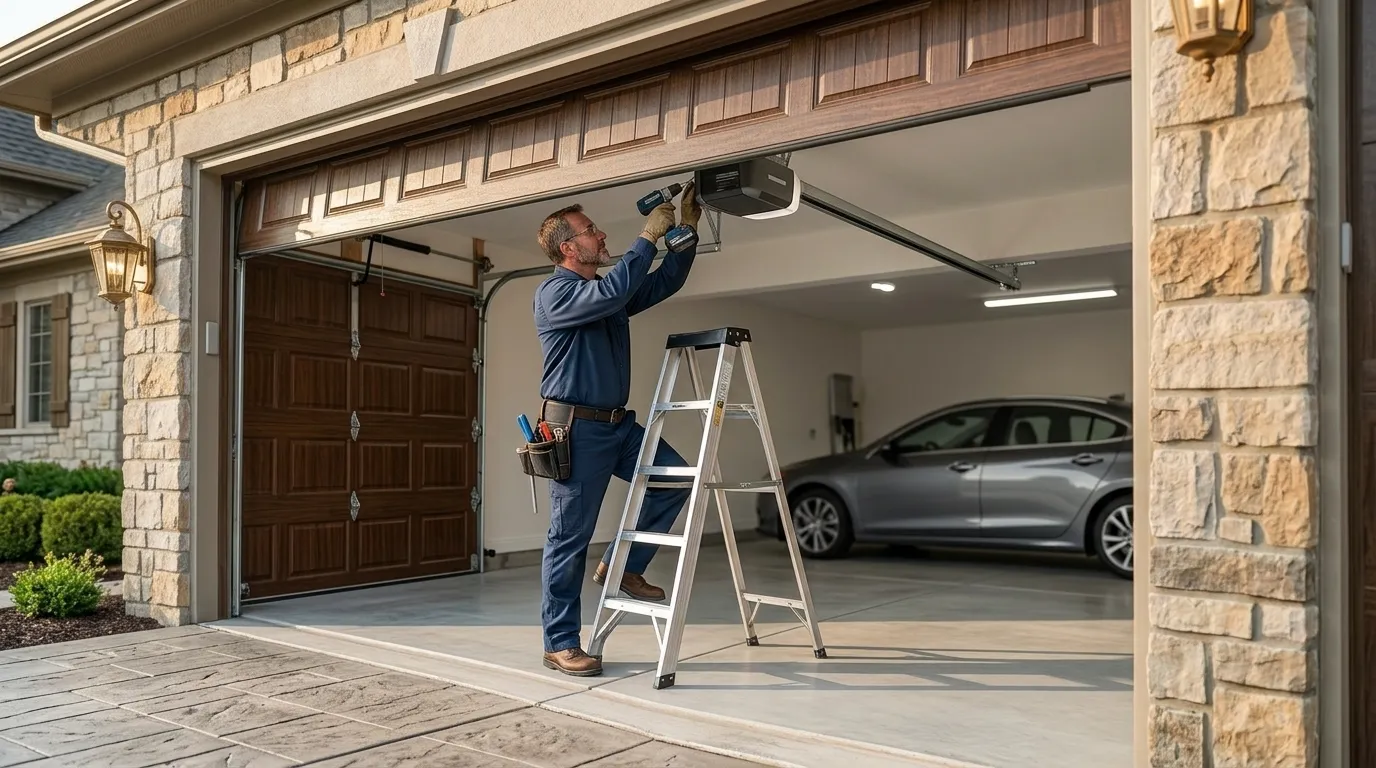
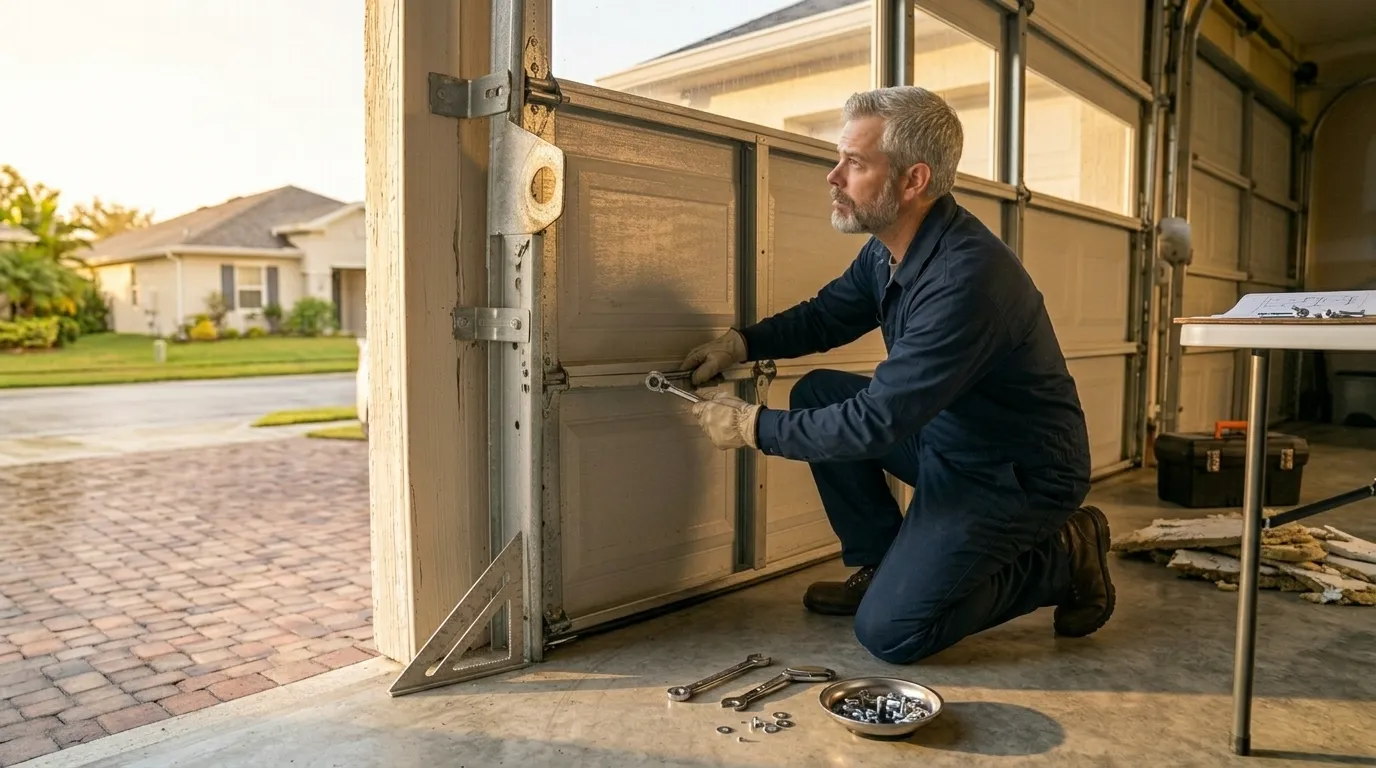
We run out of Rochester Hills, 18 miles from Wolverine Lake, so we're not going to pretend we've got a truck sitting around the corner. If your spring lets go at 6 a.m. on a Tuesday, we'll tell you honestly where we are in the schedule instead of promising something we can't back up. We also won't quote a same-day fix over the phone for a job we haven't seen - a torsion spring snap and a bent track can look identical from the driveway and cost very different amounts to put right. And on doors built before parts for that opener model were still in production, we won't tell you a replacement circuit board is coming next week when the honest answer is a lead time we don't control. If a door is past the point where patching it makes sense - cracked panels, a frame that's racked, an opener drawing more current than it should - we'll say so and talk about full replacement instead of stacking repairs on a door that's done.
This Area's Housing
Across the wider service area, the median home was built around 1960, and most of the housing stock in the 42 named communities we cover dates to the 1960s and 70s. Wolverine Lake sits a bit younger than that average - the typical home here went up starting around 1972, closer to the tail end of that build wave than the front of it. With roughly 1,894 households and a median income of $88,423, this pocket runs a little higher on income than the service-area figures of 233,489 households and $84,862 median income. That decade-plus gap between 1960 and 1972 matters more than it sounds like it should, because garage door hardware, opener wiring standards, and even door panel widths shifted through that stretch. A door install crew working here is working on a different generation of house than one working the older side of the service area.
Old Streets and New Ones
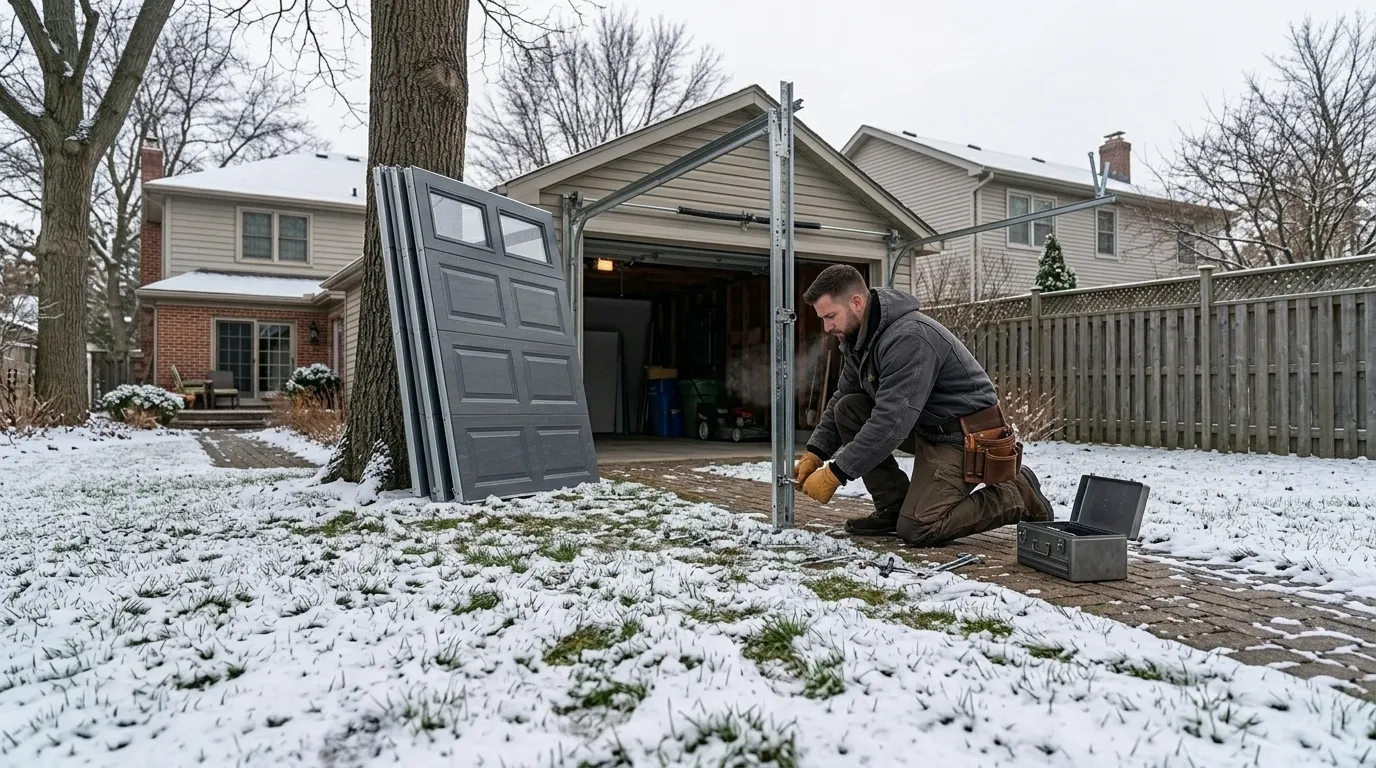
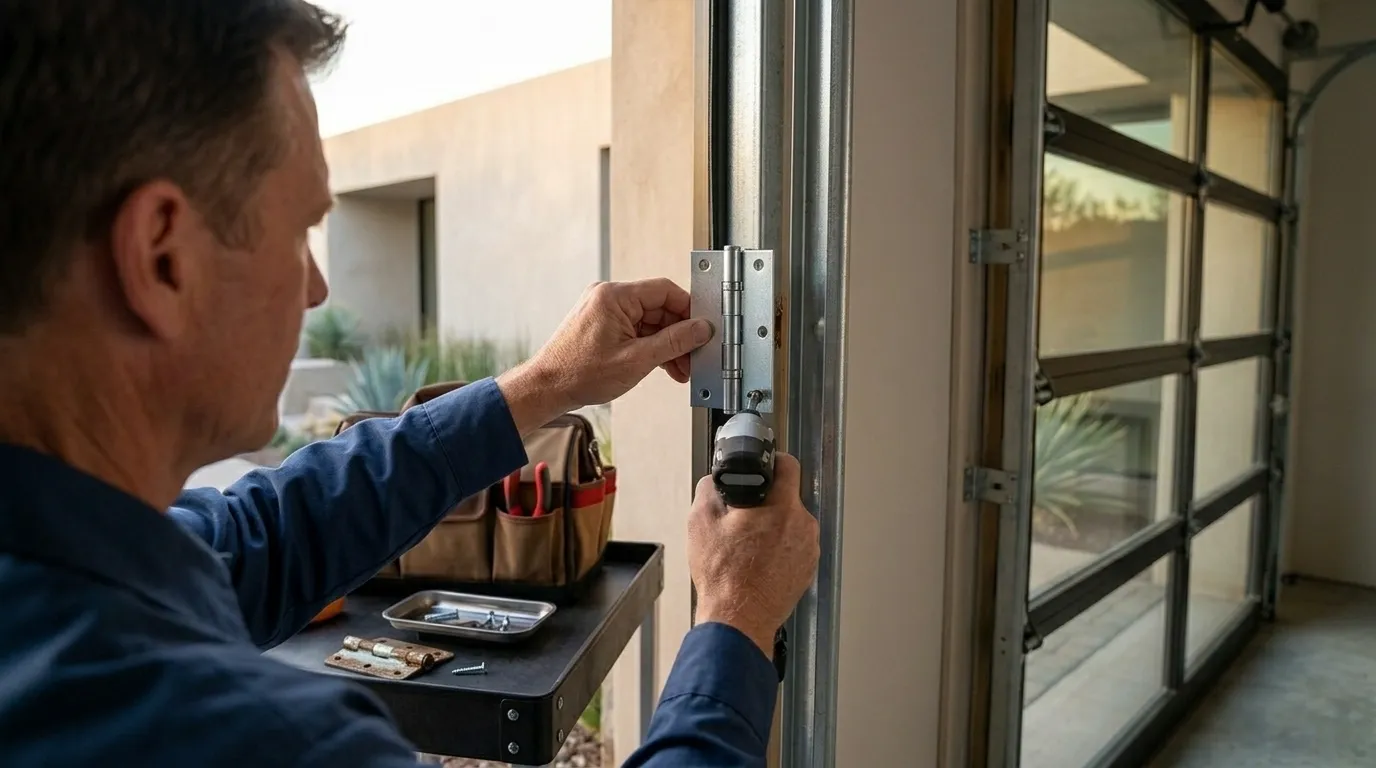
Not every house near the lake dates to the same year. Like a lot of the 42 named areas in our service territory, Wolverine Lake has original 1970s construction sitting next to newer infill built decades later on lots that were split or redeveloped. That mix means two doors on the same short stretch of road can need completely different service: one running on hardware that's been there since the house was framed, the other on a door and opener installed within the last several years. We size up the door in front of us rather than assuming its age from the house next door. The one thing that doesn't change with the build year is the winter load - cold-climate stress hits an older spring harder than a newer one, but it hits both eventually. If you're not sure how old your door's hardware is, the manufacture date is usually stamped on the spring or printed on a sticker inside the opener housing, and that's the number that tells us more than the year the house was built.